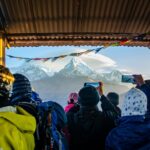
Kathmandu can feel chaotic, but this tour keeps it orderly and on time. You’ll cover key UNESCO World Heritage-listed sites across the Kathmandu Valley in a single private car outing, with an English-speaking guide to translate the meaning behind each stop. Two things I really like: the door-to-door pickup/drop-off and the way the route flows from one major landmark to the next without turning your day into a logistics puzzle.
My other favorite detail is the balance of atmosphere: free Buddhist sites early (Swayambhunath and Boudha) and then the bigger, more intense cultural draws later (Pashupatinath and the royal-era sites). The main drawback to plan for is money for entrances at several stops, since admission tickets are not included for Pashupatinath Temple, Kathmandu Durbar Square, and Narayanhiti Palace Museum.
If you have a short stay in Kathmandu, this is the kind of structured sightseeing that helps you get your bearings fast. It’s also a private trip, so you’re not stuck waiting around for a big group to decide where to go next.
In This Review
- Key Things to Know Before You Go
- How a Private Car Makes Kathmandu Sightseeing Feel Less Painful
- Stop 1: Swayambhunath Hilltop Views and Free Admission
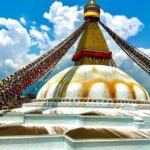
- Stop 2: Boudhha Stupa Calm and Free Entry for About 40 Minutes
- Stop 3: Pashupatinath Temple Hindu Power Plus the Extra Entrance Cost
- Stop 4: Kathmandu Durbar Square and the Royal Palace Atmosphere
- Stop 5: Narayanhiti Palace Museum, From Royal Residence to Museum
- The Guide and Driver Setup: What Really Makes It Worth It
- Price and Value: Where the $80 Fits (and Where It Doesn’t)
- Timing: How the Day Stays Manageable
- Practical Tips for Getting the Most From Each Stop
- Should You Book This Private Car Kathmandu Valley Tour?
- FAQ
- What is the duration of the Kathmandu City Tour by Private Car?
- Is hotel pickup and drop-off included?
- Are the entrance fees included in the price?
- Which places does the tour visit?
- Is the tour guide available in English?
- Is this tour private or shared?
- Is a bottle of water included?
- What is the cancellation policy?
Key Things to Know Before You Go
- UNESCO Valley coverage in one outing: you hit the major “must-see” sites without jumping across town on your own.
- Hotel pickup and drop-off: less hassle, more actual sightseeing time inside the places you came for.
- Free entry at two stops: Swayambhunath and Boudhha are listed as free admission on this route.
- English-speaking guide support: the guide helps you understand what you’re looking at as you move through different traditions.
- A private group experience: only your group participates, so the pace feels more natural.
- Entrance fees not included at three locations: budget for Pashupatinath, Durbar Square, and Narayanhiti Museum.
How a Private Car Makes Kathmandu Sightseeing Feel Less Painful
Kathmandu Valley sites can be spread out, and the “self-guided” version often turns into time lost: figuring out transport, bargaining, and then trying to line up opening times once you’re already stuck in traffic. This tour cuts that problem down by using round trip transfers by a private car with hotel pickup and drop-off.
For you, the value is simple: the schedule is built around five major stops, with set time blocks (about 6 to 7 hours total). That means you can spend your attention where it belongs—at the temples, stupas, squares, and museum—rather than constantly managing how to get from point A to point B.
Also, the setup is designed for comfort. The car is described as clean, and the driver is treated as polite and professional. In practice, when the vehicle is handled well, you experience less stress during the in-between parts of the day, which is where sightseeing plans usually fall apart.
You can also read our reviews of more city tours in Kathmandu
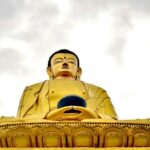
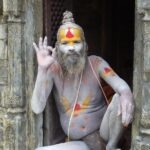
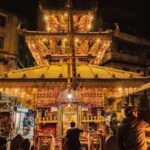
Stop 1: Swayambhunath Hilltop Views and Free Admission
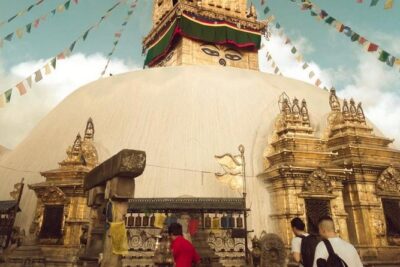
Swayambhunath is the first stop, with about 1 hour on the hilltop temple area. It’s a Buddhist temple complex set on a rise above Kathmandu, so it’s a great “starter site” because it gives you a sense of the city’s geography right away.
You’ll spend about an hour here, and the admission ticket is listed as free for this stop. That matters because it keeps the early part of your day budget-friendly. It also helps if your energy is still building; starting with a free entry site gives you one less thing to track right when you arrive.
A practical consideration: hilltop temples can mean walking and climbing, even if you don’t count stairs. Plan for comfortable footwear and slow time inside the complex, especially if you’re taking in the views and the religious activity.
Stop 2: Boudhha Stupa Calm and Free Entry for About 40 Minutes
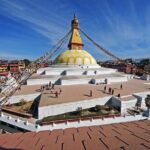
Next is Boudhha, a Buddhist stupa where you’ll have around 40 minutes. If Swayambhunath feels like your opening scene, Boudhha often feels like the moment where things slow down a notch. It’s described as a very nice Buddhist stupa in the route summary, and the time block suggests a focused visit rather than a rushed pass.
Again, admission is listed as free. With Boudhha, you also benefit from having already met your guide and found the rhythm of the day. A shorter stop can be a good thing in Kathmandu—especially if your schedule is tight—because you still get the highlight without losing the rest of your itinerary.
The only real “watch-out” is time management. Forty minutes goes quickly once you factor in walking, photos, and looking around. If you want to linger, make sure you do it during your assigned window, not while the rest of the itinerary starts feeling pressed.
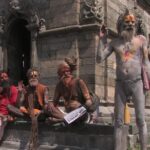
Stop 3: Pashupatinath Temple Hindu Power Plus the Extra Entrance Cost
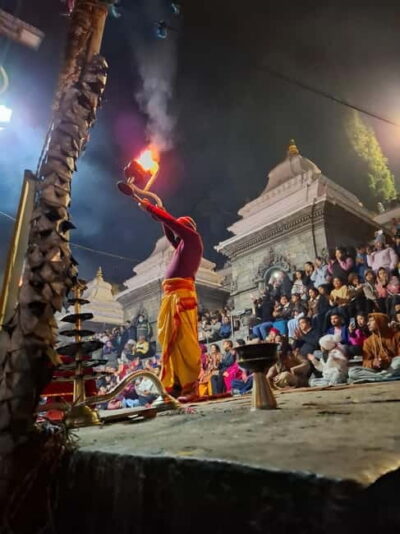
Pashupatinath is one of Nepal’s most famous Hindu temples, and it gets the biggest time block after Durbar Square: about 1 hour 30 minutes. This stop is not presented as a quick photo stop. The longer duration hints that the experience here needs time to take in properly.
The admission ticket is listed as not included, so this is one of the spots where you’ll want to budget extra. The trade-off is worth noting: this is a major cultural and spiritual landmark, and it often becomes the emotional centerpiece of a Kathmandu valley day.
Here’s where having an English-speaking guide really helps. When you’re moving between Buddhist sites and Hindu sites, the symbols and customs can look similar at a glance but work very differently in practice. A clear explanation makes the contrast easier to understand.
A minor consideration: with a longer stop at Pashupatinath, it can feel like the day’s pace shifts from “tour mode” to “watch and reflect mode.” If you’re prone to fatigue, build in a slower tempo for this portion.
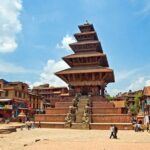
Stop 4: Kathmandu Durbar Square and the Royal Palace Atmosphere
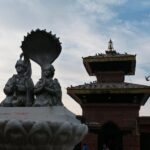
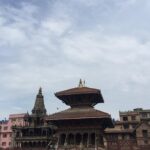
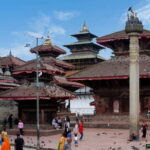
Then you move to Kathmandu Durbar Square, the ancient royal palace area, with about 1 hour set aside. Durbar Squares are all about what power looks like in stone: architecture, detail, and the sense of place tied to old rule and old ceremony.
Like Pashupatinath, admission tickets are not included here. But Durbar Square is also one of the locations where you can understand why the Kathmandu Valley is recognized as such an important heritage region. Even without turning everything into a lecture, the space itself teaches you how the city grew and what it valued.
The one practical drawback is that a one-hour window can feel tight if you like to read details slowly. If your travel style is “I need time at the slowest points,” you may want to treat Durbar Square as your moment to pause, not sprint.
You can also read our reviews of more private tours in Kathmandu
Stop 5: Narayanhiti Palace Museum, From Royal Residence to Museum
The last stop is Narayanhiti Palace Museum, with around 40 minutes. This is described as the latest royal palace of Nepal, now turned into a museum. That time block makes sense: it’s enough to see the main elements, absorb the change in purpose, and connect the building to the broader story of Nepal’s past.
Admission is also listed as not included here. But the museum stop is valuable for balance. Temple and stupa visits tell you about living belief. A palace museum tells you about political life and how governance shaped the built environment.
If you want your final stop to feel different from the religious sites, Narayanhiti is a smart closer. It’s also a good way to end the day on something structured, especially if you’ve been moving through spiritually active spaces earlier.
The Guide and Driver Setup: What Really Makes It Worth It
This tour includes an English speaking tour guide plus round trip transfers by private car, with hotel pickup and drop off. You also get a bottle of water, which sounds minor until you’re already halfway through the day.
From the way guides have been described in real-world experiences, two names show up often: Mr. Subham and Bisham. Both are characterized as polite and clear when explaining what you’re seeing. That matters because these sites blend different traditions—Buddhist and Hindu—and a good guide helps you notice the differences instead of treating every stop as the same kind of landmark.
A clean car and punctual pickup are not luxury extras here. They change how the day feels. When you’re leaving on time, you arrive on time. When you arrive on time, you don’t end up rushing the most meaningful parts.
Also, because this is a private trip, you only travel with your group. That means you can ask questions without losing the rest of the schedule, and you can move at a pace that fits your attention span.
Price and Value: Where the $80 Fits (and Where It Doesn’t)
The price is listed at $80.00 per person, for roughly 6 to 7 hours. Here’s what that includes: hotel pickup/drop-off, private car transport, an English-speaking guide, bottle of water, and a private trip setup.
In value terms, you’re paying for four things:
- someone to handle the routing and timing
- a driver who keeps the day smooth
- a guide who helps the sites make sense
- convenience (pickup and drop-off), which is a big deal in a city like Kathmandu
Where you’ll need to add budget is entrances. Admission tickets are not included for Pashupatinath Temple, Kathmandu Durbar Square, and Narayanhiti Palace Museum. You’re also not given meal support, so plan for food outside the included elements.
A fair way to think about it: $80 covers the organized experience and the guidance. It doesn’t cover every ticket tied to the final heritage sites. If you budget entrance fees upfront, the rest of the day feels predictable.
Timing: How the Day Stays Manageable
This tour’s itinerary is tightly time-boxed:
- Swayambhunath: 1 hour
- Boudhha: 40 minutes
- Pashupatinath: 1 hour 30 minutes
- Kathmandu Durbar Square: 1 hour
- Narayanhiti Palace Museum: 40 minutes
That structure is a hidden benefit. It prevents the classic travel problem where you “just stay a bit longer,” and suddenly your afternoon gets eaten by logistics. With this plan, you can enjoy each location within a set window and still have enough time to feel like the day was full rather than frantic.
If you’re traveling with family or just prefer clarity, this is a good schedule. People who like spontaneous wandering may feel the limits, but the payoff is that you see the main sites without spending extra time figuring out transport.
Practical Tips for Getting the Most From Each Stop
A few smart moves will help you enjoy this route more.
First, pack for comfort. Even with a private car, you’ll still be doing walking and site exploration. Comfortable shoes matter.
Second, plan for entrance fees at the three stops marked as not included:
- Pashupatinath Temple
- Kathmandu Durbar Square
- Narayanhiti Palace Museum
Third, keep your expectations aligned with the time blocks. Two stops are free and shorter (Swayambhunath and Boudhha). One stop is longer and ticketed (Pashupatinath). Two are ticketed and moderate in length (Durbar Square and Narayanhiti). That pattern is designed to balance Buddhist sites, Hindu worship, and museum learning.
Finally, because a guide is part of the package, you’ll get more by asking questions as you go. If you’re trying to understand how Buddhist and Hindu traditions appear in the same valley, this is exactly where a good explanation saves you time and confusion.
Should You Book This Private Car Kathmandu Valley Tour?
Yes, if you want a well-paced day that covers the major heritage anchors of Kathmandu Valley without forcing you to coordinate transport on your own. It’s especially strong for people who value convenience: hotel pickup/drop-off, a private group setup, and an English-speaking guide.
Book it if:
- you have limited time in Kathmandu and want the key sites
- you prefer a structured itinerary with set stop durations
- you want guidance so the mix of Buddhist and Hindu locations feels understandable
- you’re okay paying entrance tickets for a few major sites since those are not included
Skip or rethink it if:
- you dislike any time limit and want to linger indefinitely at each place
- you’re trying to keep a strict budget that can’t absorb entrance fees later in the day
If you want a day that feels organized but still genuinely cultural, this route is a solid match.
FAQ
What is the duration of the Kathmandu City Tour by Private Car?
The tour runs about 6 to 7 hours.
Is hotel pickup and drop-off included?
Yes. Hotel pickup and drop-off are included.
Are the entrance fees included in the price?
No. Entrance tickets are not included for Pashupatinath Temple, Kathmandu Durbar Square, and Narayanhiti Palace Museum. Swayambhunath and Boudhha are listed as free admission.
Which places does the tour visit?
The tour includes Swayambhunath, Boudhha, Pashupatinath Temple, Kathmandu Durbar Square, and Narayanhiti Palace Museum.
Is the tour guide available in English?
Yes. The tour includes an English-speaking tour guide.
Is this tour private or shared?
It’s private. Only your group will participate.
Is a bottle of water included?
Yes. Bottle of water is included.
What is the cancellation policy?
Free cancellation is available. You can cancel up to 24 hours in advance for a full refund. Changes within 24 hours of the start time are not accepted.