REVIEW · KATHMANDU
Everest Base Camp Trekking – 13 Day
Book on Viator →Operated by Trekking Planner Nepal · Bookable on Viator
Nepal delivers when logistics are handled well. This 13-day Everest Base Camp trek in the Khumbu region is built around one simple idea: you walk, you acclimatize, and you enjoy the views while a guide manages the day-to-day puzzle pieces like lodging, meals, and route timing. I especially like that flights from Kathmandu and Lukla are included, and that you stay in trailside lodges with meals provided so you’re not hunting for food every step of the way.
The main drawback to consider is altitude and scheduling. Even with rest and acclimatization stops, you still need to take acute mountain sickness seriously and accept that weather can shift flight timing on return.
A smart bonus is the private format. You get the flexibility of a private trek so your guide can pace you and adjust for how you feel, not just how a calendar looks.
In This Review
- Key Highlights I’d Use to Choose This Trek
- Price and Logistics: What $1,399 Is Really Buying
- Day 1–13: What Your Walk Actually Looks Like
- Day 1: Land in Kathmandu and get escorted to your hotel
- Day 2: Kathmandu to Lukla, then your first mountain walking day
- Day 3: Along the Dudh Koshi to Namche Bazaar
- Day 4: Namche acclimatization day with shops and a market feel
- Day 5: A climb out of Namche, then forests and villages
- Day 6: Tengboche sunrise/sunset vibes, then onward
- Day 7: Another acclimatization break with short higher hikes
- Day 8: Dingboche area, grazing lands, and trekking by landmarks
- Day 9: Lobuche to Everest Base Camp day (the one you’re waiting for)
- Day 10: Kala Patthar before descending to lower ground
- Day 11: Downhill trek back toward Namche
- Day 12: Final days of descending after Base Camp
- Day 13: Fly back to Kathmandu, weather permitting
- The Acclimatization Plan: Why These Stops Help
- Lodges, Meals, and How Much Comfort You Should Expect
- Guides and Pacing: What People Seem to Love Most
- Fitness Reality Check: Who This Trek Suits Best
- What to Pack (Using Their List, But With Real Priorities)
- Should You Book It? My Decision Shortcut
- FAQ
- What’s included in the price for this Everest Base Camp trek?
- Are flights between Kathmandu and Lukla included?
- What kind of accommodation do I get on the trail?
- Does the tour include meals in Kathmandu?
- Do I need travel or medical insurance?
- What about the Nepal visa fee and personal expenses?
- Is this a private trek?
- Is there a solo surcharge?
- What fitness level should I have?
- Can the trek run in bad weather?
- Is there a cancellation refund option?
Key Highlights I’d Use to Choose This Trek
- Flights from Kathmandu and Lukla included, so you don’t have to plan the hardest transport leg yourself
- Trailside lodge nights + all meals on trek, which makes budgeting and daily routine easier
- Built-in acclimatization in Namche and beyond, not just “keep walking higher”
- Kala Patthar day for the classic viewpoint, then a careful return down
- Guides who manage timing and pacing, including daily briefings and sunset planning (Milan is one example praised)
- Private trek for your group only, with support to keep the experience smooth
Price and Logistics: What $1,399 Is Really Buying
At $1,399 per person, this trip isn’t cheap. But you are paying for the stuff that usually turns an Everest dream into a months-long headache: flights to Lukla, lodge reservations in the trekking area, permits/taxes covered (including TIMS and national park entrance fee), and meals on the trail. In other words, your money buys time and lower stress.
Two things can affect what you actually pay. If you’re going solo and not joining an existing group, there’s a single surcharge of USD 150. Also, meals in Kathmandu and drinks are not included, so you’ll still spend a bit before you start hiking and after you finish.
You can also read our reviews of more hiking tours in Kathmandu
Day 1–13: What Your Walk Actually Looks Like
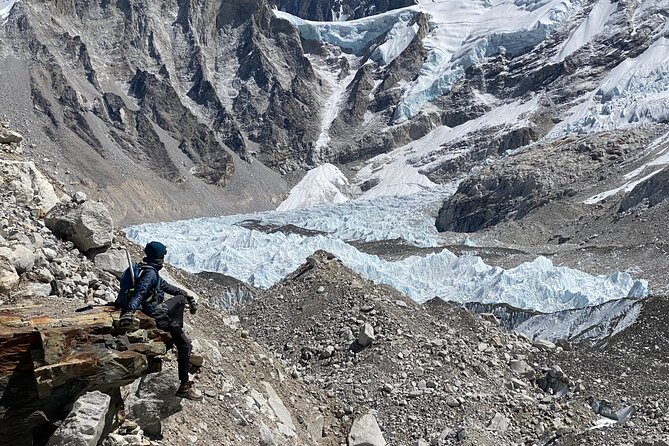
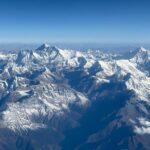
This trek moves in a classic pattern: low altitude to Namche, acclimatization breaks, gradual climb toward Lobuche and Everest Base Camp, then a push to Kala Patthar before descending back to Namche and eventually Kathmandu.
Day 1: Land in Kathmandu and get escorted to your hotel
You arrive at Tribhuvan International Airport and get met by a representative from Nepal Trekking Planner, then escorted to your hotel after customs. The helpful part is simple: you start with a clear plan instead of figuring out transport while you’re tired.
Day 2: Kathmandu to Lukla, then your first mountain walking day
You’ll organize trekking gear and pack the day before, then leave early for Lukla. The gateway to Everest is reached by scenic flight, and then you start trekking under your guide’s direction. This is a “wake up and go” day, and it matters because later high-altitude days feel easier when you’re not already behind.
Day 3: Along the Dudh Koshi to Namche Bazaar
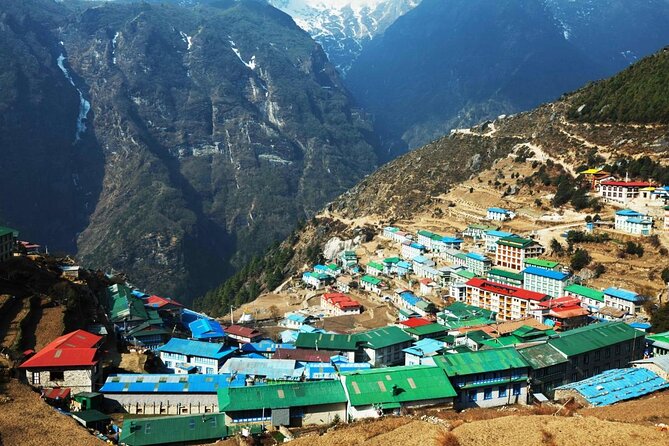
You’ll follow the Dudh Koshi River toward Namche Bazaar, passing bridges and getting your first real taste of the Khumbu’s mountain rhythm. Expect changing scenery fast: river valleys, suspension bridges, and gradual climbs that still let you feel the altitude.
A good sign here is how your body reacts. If you feel overly wiped out early, that’s information you should share with your guide so your pacing stays safe.
Day 4: Namche acclimatization day with shops and a market feel
You take a rest day to help your body adjust. Namche is known for lively shops and a buzzing Saturday market, so you get both movement and normal-life distractions. The goal isn’t shopping for the sake of shopping; it’s to get your bearings while your body catches up.
Day 5: A climb out of Namche, then forests and villages
You start with a short but steep climb out of Namche, then move onto a comparatively leveled stretch through dense forest toward Kenjoma and Sanasa. This is the kind of day where steady walking beats heroic effort. If you go too hard, later days cost you.
Day 6: Tengboche sunrise/sunset vibes, then onward
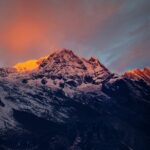
You’ll move from the Tengboche area, known for dramatic sunrise and sunset experiences, heading toward Dingboche via Deboche. You’re trading elevation and views while still keeping the trek from turning into nonstop suffering. Think of this day as “beautiful but don’t race it.”
Day 7: Another acclimatization break with short higher hikes
Today is rest and adaptation. You’ll do short hikes to higher altitudes and then return, which is exactly what you want at this stage. This is also a day where a good guide earns their pay: you want a plan that helps your body adjust, not one that punishes you.
Day 8: Dingboche area, grazing lands, and trekking by landmarks
You begin with gradual ascent from Dingboche through grazing areas and past chortens and Mani walls. It’s a calmer-feeling day than the big climbs, and it’s a nice moment to watch how the trail changes as the mountains get higher and the air gets thinner.
Day 9: Lobuche to Everest Base Camp day (the one you’re waiting for)
Today is the big payoff: you head toward Everest Base Camp. The important detail here is timing and altitude awareness. Your guide will push you to trek accordingly to reduce risk, and you’ll likely feel every decision you made on earlier days as you approach Base Camp.
If you’re feeling good, it’s tempting to sprint. Don’t. A “slow and steady” approach is how you arrive present, not wrecked.
Day 10: Kala Patthar before descending to lower ground
Get ready early and go for Kala Patthar, a classic viewpoint day that usually delivers some of the best panoramic moments of the whole trek. After the morning viewpoint push, you return to lower altitudes. This day is shorter on paper, but the early start plus altitude can still feel like a workout.
Day 11: Downhill trek back toward Namche
You leave the Periche area and trek down to Namche Bazaar. Much of this is downhill while walking alongside the Dudh Koshi River again. Downhill sounds easy until you remember knees and feet exist. This is when you’ll be grateful you didn’t blow off sock and footwear prep.
Day 12: Final days of descending after Base Camp
You continue descending from the Namche area on a steep trail, eventually reaching riverbed confluences near the Dudh Koshi. This is a “finish strong” day. You’re close now, so focus on staying steady and not getting sloppy.
Day 13: Fly back to Kathmandu, weather permitting
You return to Kathmandu after your Khumbu adventure. Due to weather-related disturbances that can happen, you take a flight that starts early. The realistic mindset to keep: you’re not controlling mountain weather, so your plan should stay flexible.
The Acclimatization Plan: Why These Stops Help
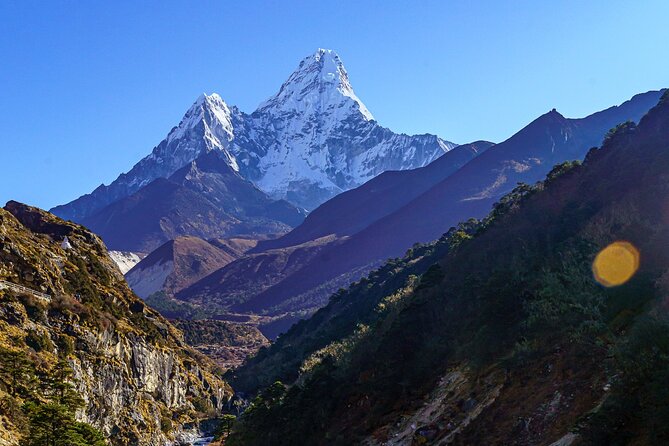
This trek builds acclimatization into the schedule with real purpose: Namche has a dedicated rest day, then later you get another adaptation day with short hikes. That structure is a big deal for readers who want to reduce risk without turning the trek into a slow, boring slog.
It’s also where a strong guide matters. In past experiences, guides like Milan have been praised for explaining the next day’s itinerary in advance and giving walk-time estimates based on physical ability, along with careful timing around sunsets. That kind of planning helps you keep effort level consistent, which is a hidden factor in altitude safety.
Lodges, Meals, and How Much Comfort You Should Expect
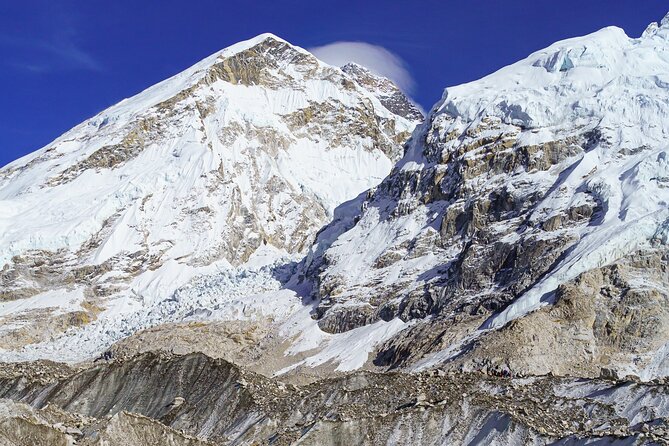
You’ll sleep in trailside lodges most nights, and the package includes meals on the trek (breakfast 12 times, lunch 11 times, dinner 12 times). That’s a practical win: food timing stays predictable, and you’re not deciding what to eat while already tired.
Still, “included meals” don’t mean luxury. Expect simple trekking-lodge meals and basic rooms. What you’re really buying is convenience plus the ability to keep moving without constant decision fatigue.
Alcohol isn’t included (and the minimum drinking age is 18), so if you like evening drinks, budget extra.
Guides and Pacing: What People Seem to Love Most
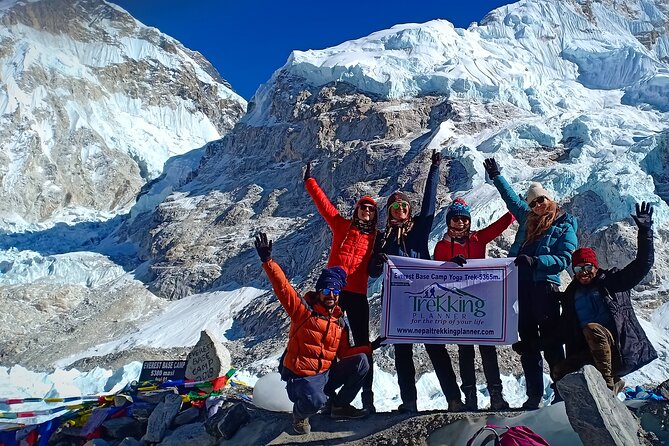
A huge theme in the feedback is that the guide makes days feel manageable even when they’re tough. Names that come up in praise include Milan, Dibash, Ratna, Achyut Mishra, and Avi. Different personalities, but the pattern is consistent: clear guidance, good pacing, and support when conditions change.
One practical example: people praised Milan for time management and for predicting sunset times to avoid being caught off guard. That’s not trivia. Daylight matters on mountain trails, and having someone plan around it makes the trek feel safer.
If you care about pacing, the private nature of this tour can help. You’re not stuck with a one-size-fits-all rhythm.
Fitness Reality Check: Who This Trek Suits Best
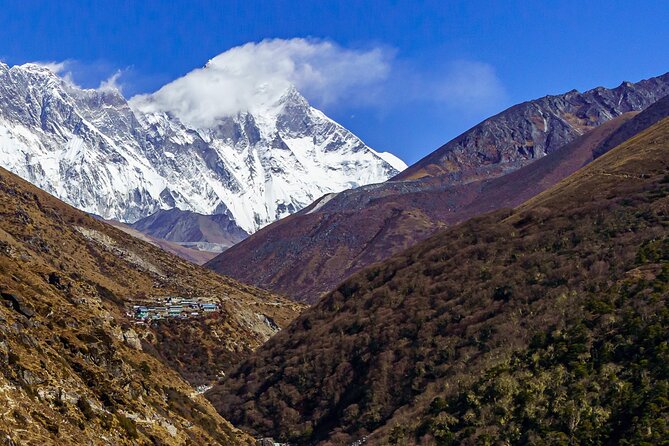
The trip is aimed at travelers with moderate physical fitness. That doesn’t mean easy. It means you can handle sustained hiking days with climbs, and you won’t need the tour to baby you.
Your checklist should focus on two things:
- Can you walk uphill for hours without stopping every 10 minutes?
- Can you accept rest days and lower-intensity hiking when your body needs it?
And please take the altitude seriously. The trek explicitly warns about acute mountain sickness, and your best move is to follow your guide’s pacing guidance, especially during the push days.
What to Pack (Using Their List, But With Real Priorities)
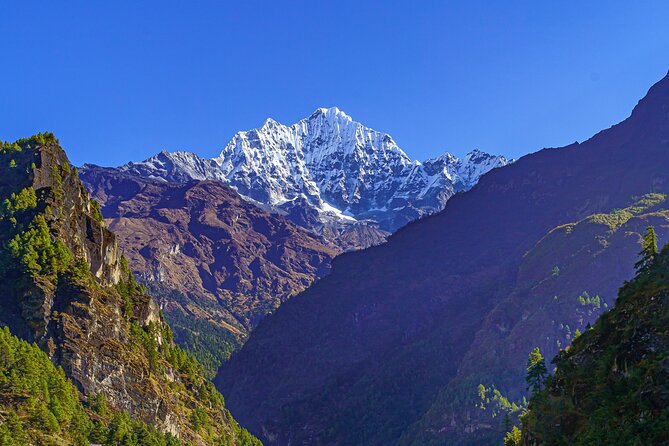
You’ll be given a complementary trekking planner duffel bag that you return after the trip, plus you’ll want a day pack (25 to 40 liters).
From the provided packing guidance, I’d treat these as priorities:
- A layer system: warm cap, fleece or puffy jacket, and a waterproof Gore-Tex layer
- Footwear that’s already broken in: trekking shoes plus sports shoes or sandals
- Weather protection: raincoat and gloves
- Socks and long pants: multiple pairs of good-quality socks and trekking trousers
- Small essentials: headlamp/torch light, sunglasses, sun hat/cap, and a small towel
One extra tip: keep your big towel at home. They even flag that large towels are bulky and heavy, and your shoulders will thank you.
Should You Book It? My Decision Shortcut
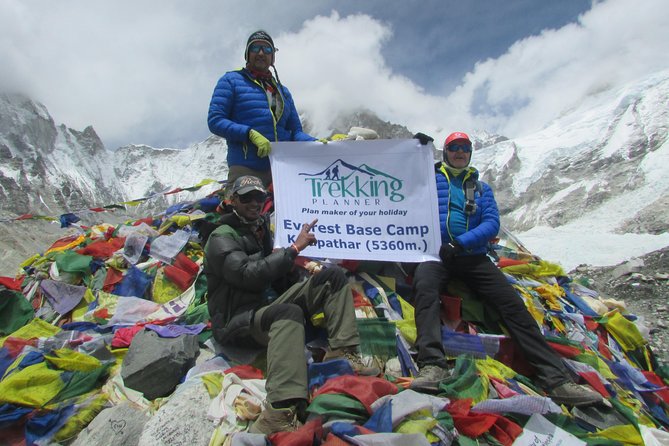
I think you should book this trek if you want:
- A high-structure experience where flights, lodge nights, TIMS/park fees, and most meals are handled
- A realistic acclimatization plan with built-in rest
- Private pacing with a guide who manages daily timing well
- The classic Everest Base Camp route plus a Kala Patthar viewpoint day
I’d think twice if you:
- Get anxious about weather disruptions, especially for the flight back to Kathmandu
- Don’t want to deal with altitude at all, since even “moderate fitness” still means serious hiking days
- Are counting every dollar, since Kathmandu meals and alcohol aren’t included and solo departure can add the surcharge
If your biggest worry is logistics, this package targets that directly. You’ll still work hard. You’ll just do it without juggling the paperwork and planning from scratch.
FAQ
What’s included in the price for this Everest Base Camp trek?
The package includes TIMS card and national park entrance fee, all applicable taxes, flights Kathmandu to Lukla and back with airport departure tax, and meals on the trek (breakfast 12 times, lunch 11 times, dinner 12 times).
Are flights between Kathmandu and Lukla included?
Yes. Flights from Kathmandu and Lukla are included, and you also fly back to Kathmandu near the end of the trek.
What kind of accommodation do I get on the trail?
You stay in trailside lodges on the trek.
Does the tour include meals in Kathmandu?
Meals in Kathmandu are not included.
Do I need travel or medical insurance?
Travel and health insurance are not included, and insurance for helicopter evacuation is also not included.
What about the Nepal visa fee and personal expenses?
Your Nepal visa fee is not included. Personal expenses like phone calls, battery recharge, and bar or beverage bills are also not included.
Is this a private trek?
Yes. It’s a private tour/activity where only your group participates.
Is there a solo surcharge?
There can be a single surcharge of USD 150 if you want a solo departure and not join an existing group.
What fitness level should I have?
The trip is listed for people with moderate physical fitness.
Can the trek run in bad weather?
It operates in all weather conditions, so you should dress appropriately.
Is there a cancellation refund option?
Yes. You can cancel up to 24 hours in advance for a full refund. If you cancel less than 24 hours before the start time, the amount paid won’t be refunded.