REVIEW · KATHMANDU
8 Days Tour in Nepal – Kathmandu, Chitwan & Pokhara (3 & 4 Star)
Book on Viator →Operated by Luxury Holidays Nepal Pvt. Ltd. · Bookable on Viator
Soaking up Nepal in eight days beats waiting months. You’ll connect Kathmandu’s sacred sights, Chitwan’s jungle safari, and Pokhara’s lake-and-waterfall calm with 3–4 star hotels and English-speaking guidance. It’s a smart mix of big-ticket experiences and easy logistics, especially if you don’t want to plan every turn.
I like that you’re not stuck on your own. Airport transfers are handled, land transport runs the Kathmandu–Chitwan–Pokhara loop, and days are guided so you can focus on what’s in front of you instead of chasing schedules. In the Kathmandu and Pokhara sections, guides like Ramhari Timsina and Hari (plus others on the team) were described as friendly and flexible, with drivers such as Biren praised for safe, steady traffic management.
One thing to keep in mind: the pace is active and some days are long drives, including the transfer between cities. Also, while many stops list admission as free, the package still notes that monuments entrance fees may not be fully covered, so budget a little for on-the-ground costs.
In This Review
- Key things I’d pay attention to before you go
- First hour in Kathmandu: land, visa, then jump into the classics
- Swayambhu, Pashupatinath, and Boudhanath: three religions, one city mood
- Patan Durbar Square: Newari art you can actually walk through
- Chitwan National Park: jungle day with real wildlife energy
- Pokhara’s lakeside reset: temples, falls, caves, and a lake you’ll remember
- Getting back to Kathmandu: what the last travel day feels like
- Hotels, meals, and what 299 dollars is really paying for
- Guides and drivers: the human part that makes the route work
- Who should book this Kathmandu–Chitwan–Pokhara highlights route
- Should you book the 8 Days Tour in Nepal?
- FAQ
- FAQ
- How long is the Nepal tour?
- What’s included in the price?
- Do I need to arrange airport transfers?
- Do I need a visa for Nepal?
- Are the Kathmandu and Pokhara activities guided?
- What safari options are offered in Chitwan?
- Are meals included during the whole trip?
- What extra costs should I expect?
- Can I change or cancel the tour after booking?
Key things I’d pay attention to before you go
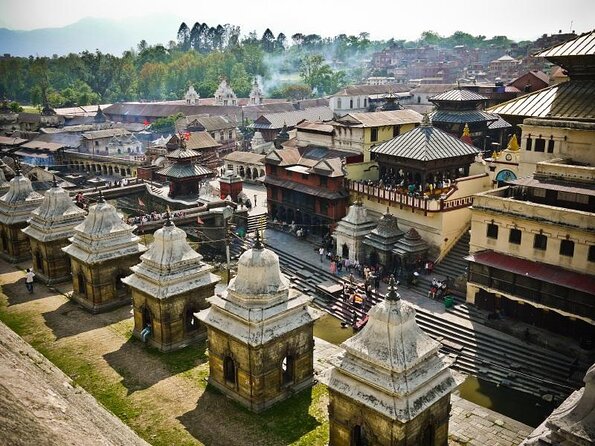
- Kathmandu temple circuit without the guesswork, including Swayambhunath, Pashupatinath, Boudhanath, and Patan Durbar Square
- Chitwan National Park safari time, with an either-or option for jeep or elephant-back activities
- Pokhara sightseeing that’s close and varied, from Devi’s Fall and Gupteshwor Cave to Phewa Tal and Seti River Gorge views
- 3–4 star comfort plus breakfast planning, and full board in Chitwan to make that wildlife day easier
- Guides who help you adapt, including reports of flexible plan changes in Kathmandu
- Long but managed travel days, since you’ll move between the three regions by road
First hour in Kathmandu: land, visa, then jump into the classics
Day 1 starts with the practical stuff. You’ll land at Tribhuvan International Airport, handle your Visa on Arrival, and then get to Kathmandu with airport transfers by private vehicle. If your flight timing lines up, it’s a clean setup day with less stress.
The “Kathmandu experience” on this tour doesn’t rely on one viewpoint or one temple. You build your footing fast with stops that each explain a different side of Nepal: spiritual gravity, local neighborhood life, and classic valley architecture. That matters because Kathmandu can feel overwhelming on your first day unless someone gives you a logical route.
Also, you’re starting at 10:00 am at Tribhuvan Airport. If you like breathing room, plan to arrive a bit earlier than the official start so you’re not rushing through visa and transfer steps.
You can also read our reviews of more tours and experiences in Kathmandu.
Swayambhu, Pashupatinath, and Boudhanath: three religions, one city mood
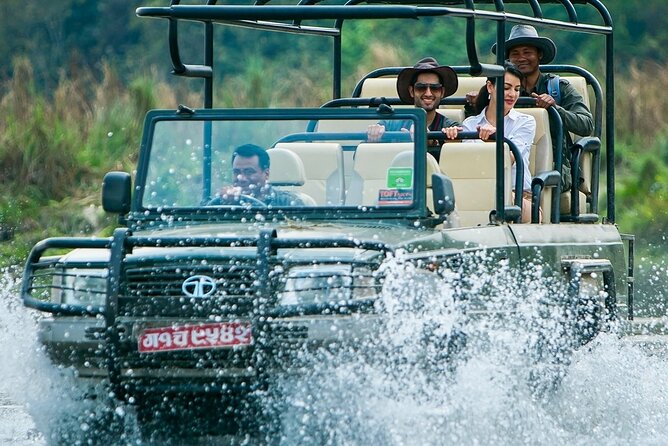
Swayambhu Mahachaitya (Monkey Temple) is a great first “wow” because you climb to a hilltop. From there, you get a broad view of the Kathmandu Valley, and you’ll notice how the place feels lived-in, not museum-like. The monkeys are famous for a reason: they’re part of the scenery, and they move around constantly.
Then you shift to Pashupatinath Temple, one of Nepal’s most important Hindu sites. It’s dedicated to Shiva and sits on the Bagmati River. Even if you don’t consider yourself religious, this is where you feel Nepal’s devotion as a daily rhythm—people come, families gather, and the river setting makes it more than just a landmark.
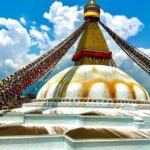
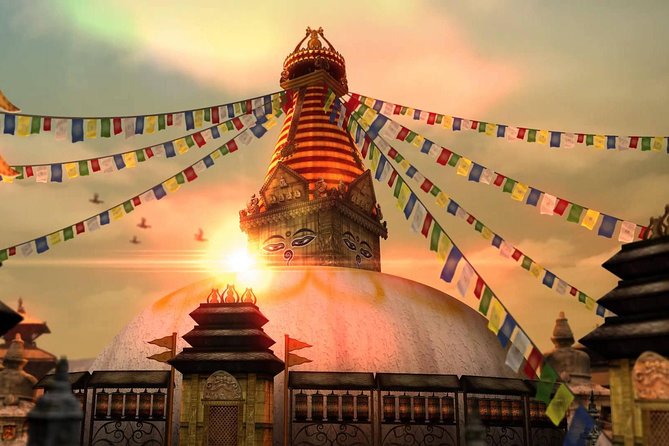
After that, you visit Boudhanath Stupa, a major Buddhist pilgrimage site known for its age and its four pairs of Buddha eyes facing the cardinal directions. The physical structure is only half the story. What makes Boudhanath special is how people use the space—prayer, movement, and quiet focus in one area.
A small practical note: temples and stupas are active religious places. Dress in a respectful way and keep your pace steady; this tour includes guidance so you’ll know what to do and where to stand without overthinking it.
Patan Durbar Square: Newari art you can actually walk through
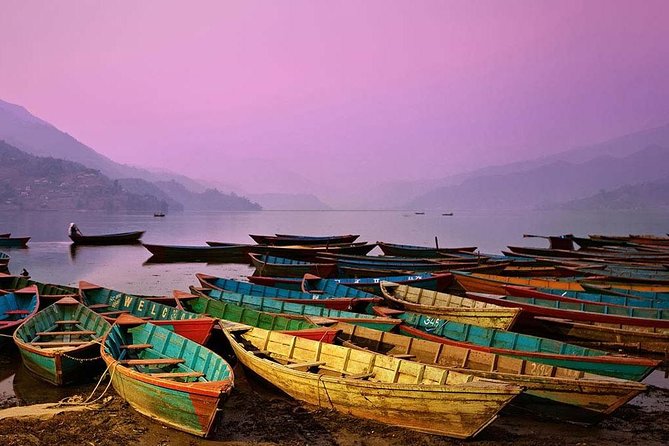
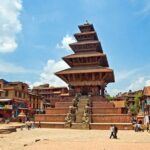
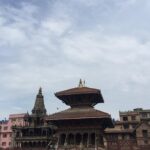
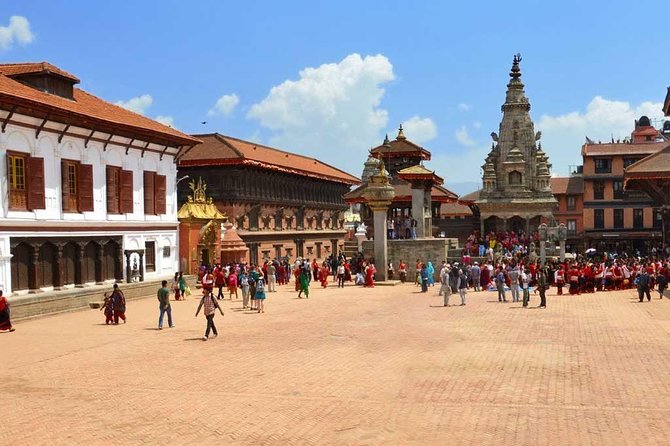
Patan Durbar Square is the architectural counterpart to the religious circuit. You’ll see Newari craftsmanship at its peak from the era of the Malla kings, with the square designed to showcase how much building and artistry mattered in that period.
What I like about including Patan here is that it slows down the big emotional hits of the day. Instead of just reverence and monuments, you’re walking through an urban canvas—details, stonework, and a neighborhood layout that feels like part of the city rather than a separate attraction.
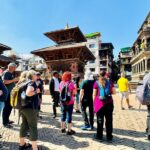
If you’re the type who enjoys “what am I looking at?” moments, bring your curiosity. An English-speaking guide can help you read what you’re seeing—layout, architectural features, and why this square matters in a way a quick photo can’t.
Chitwan National Park: jungle day with real wildlife energy
Chitwan is where the tour pivots from cities to wilderness. After breakfast, you leave Kathmandu behind on a scenic drive toward Chitwan, checking in at your hotel or resort when you arrive. In plain terms: it’s a long travel stretch, but it breaks up the trip so you don’t feel like you’re only driving or only sightseeing.
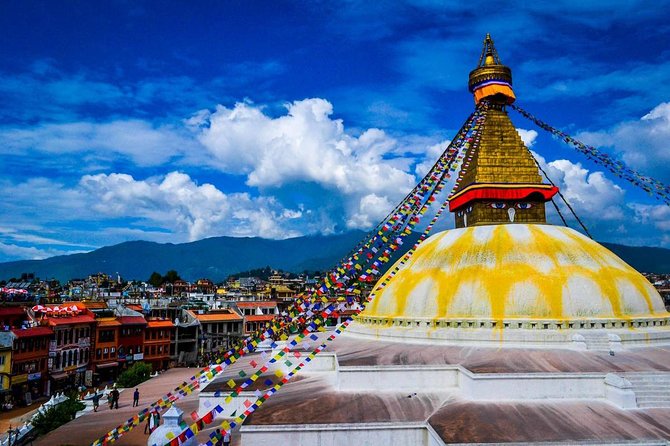
Chitwan National Park is a UNESCO World Heritage Site, and the tour builds your day around that biodiversity setting. Expect a full day focused on jungle activities, and the itinerary notes you can do the safari by jeep or elephant-back.
That choice matters. A jeep safari often feels more straightforward and timed, while elephant-back can feel more immersive. If you have any concerns about riding animals, check what’s available on your exact departure and talk with your guide beforehand so you’re comfortable with the plan.
Also, you’ll have full board in Chitwan plus breakfast, which is a big practical win. Wildlife days get tiring fast, and knowing lunch and dinner are covered helps you avoid hunting for food during the day’s momentum.
Pokhara’s lakeside reset: temples, falls, caves, and a lake you’ll remember
The day you go to Pokhara, you’ll leave Chitwan and travel on a scenic route into Nepal’s lake region. This part of the trip is long—listed as about 12 hours—but the point is to trade jungle adrenaline for mountains-and-water calm.
In Pokhara, you start with Shree Bindhyabasini Temple in the old bazaar area. It’s dedicated to Goddess Bhagwati and includes a picnic/relaxing area in the grounds. That’s not a throwaway detail: after travel, it gives you a place to reset your pace.
Then comes Devi’s Fall, locally known as Patale Chhango. A stream flowing from Fewa Lake drops into a gorge, plunging through rocks. It’s a quick stop, but the motion and the scale make it memorable.
Gupteshwor Mahadev Cave follows. It’s described as nearly 3 km long and about 2 km from Pokhara airport, with hall-sized rooms and passages. If you’re not into long hikes, this works well because it’s structured as a sightseeing stop rather than a strenuous trek.
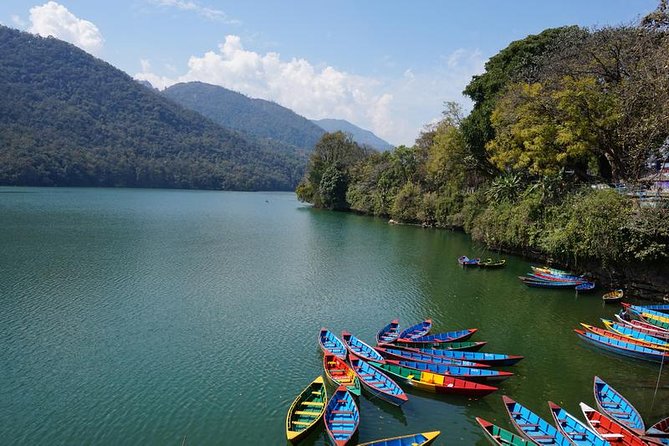
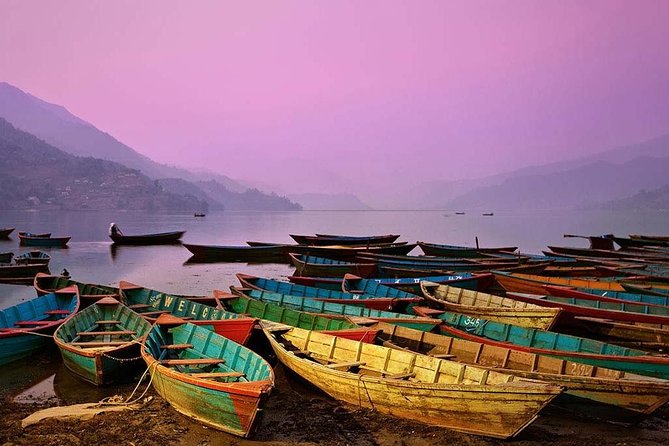
Next is Phewa Tal, the second-largest lake in the kingdom at about 800 m above sea level. There’s a Barahi Island Temple in the middle of the lake, and the viewpoint gives you that iconic Pokhara lakescape. After caves and waterfalls, a lake stop is a smart palate cleanser.
Finally, you see Seti River Gorge. Carved by the Seti-Gandaki, the river can look dramatic and fast from the viewing points—an easy way to add “geology drama” without adding a whole hike day.
Getting back to Kathmandu: what the last travel day feels like
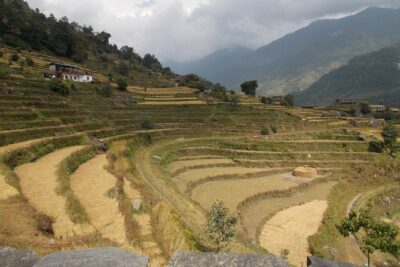
On Day 7, you return to Kathmandu by scenic road drive. The itinerary notes terraced hills and riverside villages along the way, so it’s not just transit—it’s part of the scenery. When you’re doing a short trip, these “in-between” views are worth noticing because they’re often where you get the best sense of daily Nepal.
Back in Kathmandu, you’ll check into your hotel, and Day 8 is built around your flight schedule. If your departure is later, there’s time to explore nearby markets for last-minute souvenirs or simply relax.
This is also where I recommend you plan buffer time for packing and hotel checkout. The tour includes a lot of moving pieces, but the final day is designed to keep you from feeling boxed in.
Hotels, meals, and what 299 dollars is really paying for
Let’s talk value in a practical way. The tour price is $299 per person for an 8-day package that includes:
- 3–4 star hotel accommodations
- Daily breakfast, plus full board in Chitwan
- A farewell dinner
- Guided sightseeing in Kathmandu and Pokhara with an English-speaking guide
- Jungle activities in Chitwan National Park
- Airport transfers by private vehicle
- Tourist bus transport for the Kathmandu–Chitwan–Pokhara–Kathmandu loop
- All government taxes and official expenses
For a first-time Nepal trip, what you’re buying is time and coordination. Someone handles the routing, the guide presence, and the core transfers between the three regions. That’s often what makes a “great idea” turn into a “great trip,” because you avoid the daily stress of planning and re-planning.
What you should expect to pay separately:
- International airfare
- Nepal entry visa fee (noted as $30 per person on arrival)
- Lunch and dinner in Kathmandu and Pokhara (meals are not included there)
- Personal expenses like drinks and laundry
- Monuments entrance fees
- Travel insurance and any add-ons like an Everest flight
One more detail: a couple of guests said the hotels vary in style, but they were clean and comfortable. That’s normal for a multi-stop route, but it’s good to know so you don’t expect every hotel to feel identical.
Guides and drivers: the human part that makes the route work
Logistics matter, but people matter more. In the feedback you’ll likely hear before you book, names like Resham show up for trip organization, and Ram (in Kathmandu) for friendliness and flexibility when plans needed adjusting. In Chitwan, Hari is mentioned as amazing, and the driver Biren is praised for managing traffic and getting everyone safely to each destination.
That matters because this tour moves through different settings—temples, stupa areas, caves, safari terrain, then long roads again. A good team helps you avoid the common pain points: unclear meeting points, slow transitions, and last-minute confusion about what’s next.
You also get a private feel. The tour is described as private, meaning only your group participates, which usually makes the experience smoother—especially if you’re traveling with friends or family and want a pace that fits your comfort level.
Who should book this Kathmandu–Chitwan–Pokhara highlights route
This tour is a good fit if:
- You want big variety in a short time without doing daily research
- You like guided days in cities, then hands-on wildlife time in Chitwan
- You’re comfortable with some long road transfers between regions
- You want 3–4 star comfort rather than basic guesthouse hopping
If you hate road time or you’re prone to motion sickness, you might find the driving days challenging. One review comment suggested it can be long and bumpy, and that flying between cities could be easier for some people. This particular package doesn’t list domestic flights as included, so if you’re sensitive to long drives, ask about options before you commit.
If you’re vegetarian, you’ll likely be fine: one guest noted that vegetarian choices were catered for.
Should you book the 8 Days Tour in Nepal?
Yes, if your goal is a well-paced first Nepal trip that mixes culture and nature, with guides doing the heavy lifting. The itinerary hits the essential Kathmandu monuments, gives you a full wildlife day in Chitwan with jeep or elephant-back options, and then spends meaningful time in Pokhara’s lake-and-water attractions.
I would skip or at least rethink if you:
- Expect every day to be light and easy (there are long travel stretches)
- Need all meals included in Kathmandu and Pokhara (lunch and dinner there are not included)
- Want 100% clarity that no monument entrance fees will come up on the ground
If you book, go in with the right mindset: respect the religious sites, wear comfortable walking shoes, and use your guided time to ask questions. Also, plan ahead—this tour is reportedly booked well in advance on average—so locking dates early can help you get the schedule you want.
FAQ
FAQ
How long is the Nepal tour?
It’s listed as 8 days (approx.), covering Kathmandu, Chitwan, and Pokhara, then returning to Kathmandu for your flight.
What’s included in the price?
The package includes airport transfers by private vehicle, tourist bus transport between Kathmandu–Chitwan–Pokhara–Kathmandu, 3-star or 4-star hotels, daily breakfast (and full board in Chitwan), a farewell dinner, guided sightseeing in Kathmandu and Pokhara with an English-speaking guide, jungle activities in Chitwan, and all government taxes and official expenses.
Do I need to arrange airport transfers?
No. Airport transfers by private vehicle are included, and the tour’s start point is Tribhuvan Airport in Kathmandu.
Do I need a visa for Nepal?
The tour notes that you can get a visa on arrival at the airport for $30.00 per person.
Are the Kathmandu and Pokhara activities guided?
Yes. Guided sightseeing in Kathmandu and Pokhara is included with an English-speaking guide.
What safari options are offered in Chitwan?
Chitwan National Park jungle activities are included, and the itinerary notes safaris can be done by jeep or elephant-back.
Are meals included during the whole trip?
Daily breakfast is included. Chitwan includes full board, and lunch and dinner are not included in Kathmandu and Pokhara.
What extra costs should I expect?
Not included items include international airfare, the visa fee, lunch and dinner in Kathmandu and Pokhara, monuments entrance fees, travel insurance, and any add-ons like an Everest flight. Personal expenses like drinks and laundry are also not included.
Can I change or cancel the tour after booking?
No. The experience is non-refundable and cannot be changed for any reason.