REVIEW · KATHMANDU
Kathmandu UNESCO World Heritage Tour
Book on Viator →Operated by Deepak Kushwaha · Bookable on Viator
Seven UNESCO stops in one full day. This Kathmandu UNESCO World Heritage tour strings together major sacred sites and royal squares with expert multilingual guidance, so you’re not just looking, you’re understanding. With pickup offered and a mobile ticket, it’s built for a smooth start-to-finish day even if you’re new to the city.
Two things I’d call out right away. First, the guide experience is the headline: Deepak is repeatedly mentioned for bringing sites to life with clear explanations, and Rabina shows up in the feedback as a strong female guide with detailed Nepal history knowledge. Second, the pacing seems traveler-friendly, with time built in for you to actually enjoy each stop instead of being rushed through.
One caution to plan around: admission tickets are not included, and the tour doesn’t include lunch or dinner. Also, you should expect regular touring conditions since an air-conditioned vehicle isn’t included, which matters in hot or busy seasons.
In This Review
- Key points before you go
- How This 9-Hour UNESCO Circuit Works in Kathmandu
- Kathmandu Durbar Square: Where Royal Power Shows Up in Stone
- Patan Durbar Square: Craftsmanship You Can Notice Without a Degree
- Bhaktapur Durbar Square: A Medieval Feeling Close to Your Own Steps
- Changu Narayan Temple: Oldest Temple Vibes, Worth the Time
- Pashupatinath Temple: A Sacred Site With Real Ritual Energy
- Boudhanath Stupa: Buddhist Monument, Guided Walk-Through Meaning
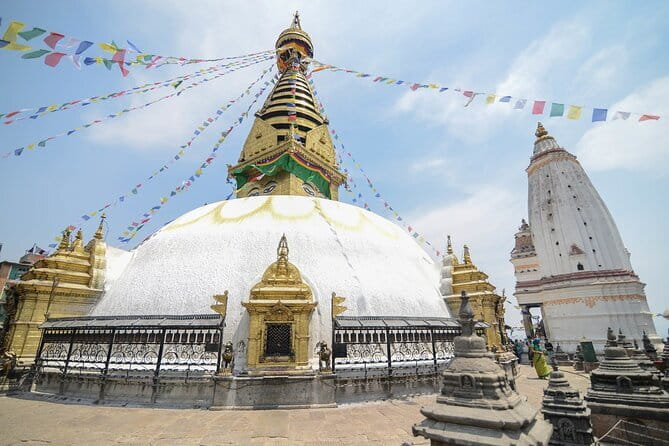
- Swayambhunath: Panoramic Views Plus a Hilltop Sacred Circuit
- Price and Logistics: What $99 Really Covers
- What Makes the Guides the Real Reason to Book
- Timing, Pacing, and the One-Day Trade-Off
- Practical Tips That Will Make the Day Easier
- Who This Tour Fits Best (and Who Might Want a Different Plan)
- Should You Book This Kathmandu UNESCO World Heritage Tour?
- FAQ
- Are admission tickets included for the UNESCO sites?
- How long is the Kathmandu UNESCO World Heritage tour?
- Is pickup included, and where do I meet the guide?
- What’s included in the price?
- Do I get a mobile ticket?
- What is the cancellation policy?
Key points before you go
- A tight UNESCO checklist in one day across Kathmandu Valley highlights
- Multilingual male/female guides, with Deepak and Rabina named often in feedback
- Pickup offered and you end back at the meeting point
- Admission tickets not included, so you’ll need to budget for entry fees
- A maximum of 100 travelers, which is large enough to mean occasional waiting at gates
How This 9-Hour UNESCO Circuit Works in Kathmandu
This tour is designed as a full-day loop: about 9 hours total, with roughly 1 hour per major stop. That structure is useful because Kathmandu Valley sites are scattered in different directions, and trying to stitch them together yourself usually turns into expensive taxis and lots of guesswork.
You’ll start at Kaiser Library, Kanti Path (P878+H4G), and the tour ends back there. That “return to the same spot” detail sounds small, but it helps when you’re managing your day and figuring out dinner plans later.
The tour is also set up to be simple to access. You’ll have a mobile ticket, and the tour notes it’s near public transportation. Add in pickup offered, and you get a good mix of convenience plus flexibility if you want to adjust once you’re already out and about.
One practical note: the maximum group size is 100. That doesn’t mean you’ll be shoulder-to-shoulder the entire time, but it can affect how smoothly lines move at entry points. If you prefer a quieter, more private pace, I’d still book this—but go in expecting some “everyone is arriving together” moments.
You can also read our reviews of more historical tours in Kathmandu

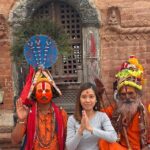
Kathmandu Durbar Square: Where Royal Power Shows Up in Stone
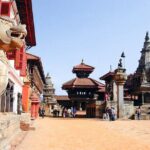
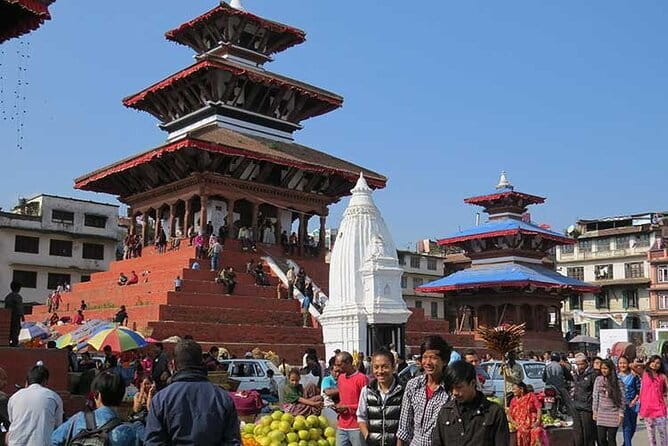
Your first stop is Kathmandu Durbar Square, a UNESCO World Heritage Site and one of the places where you can feel how political and religious life overlapped in older Kathmandu. You’ll spend about an hour here with a guide, which is long enough to see the layout, catch the key details, and not just stand in front of a single monument.
Why it’s worth your time: Durbar Squares aren’t just pretty architecture. They’re records of rule, craftsmanship, and shifting eras of power. A good guide makes a difference because the buildings look dense at first, and then the meaning clicks—who built what, what style signals which period, and how the square functioned beyond tourism.
What to watch for: admission tickets are not included, so plan on separate entry fees. Also, Durbar Square areas can require some walking on uneven surfaces, so comfortable shoes help more than you might think.
Patan Durbar Square: Craftsmanship You Can Notice Without a Degree
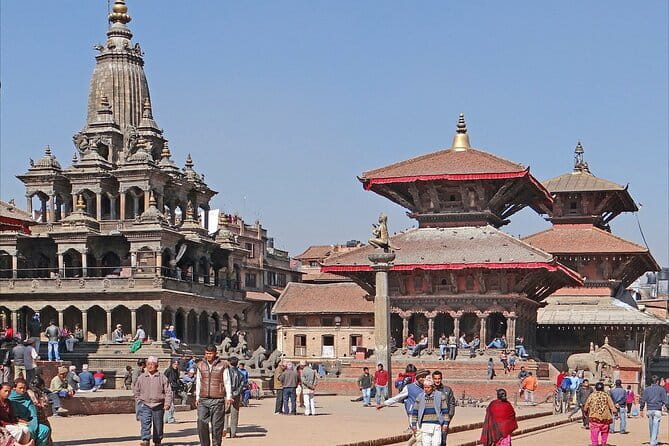
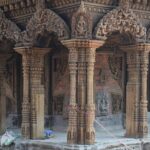
Next you’ll head to Patan Durbar Square. Like Kathmandu, it’s UNESCO-listed and timed for about 1 hour. Patan has a reputation for fine craft, and what makes this stop satisfying on a guided tour is that you’re not left to interpret details alone.
You’ll likely spend your hour focusing on temples, palaces, and courtyards—places where carvings and proportions matter. The best part of a guided visit here is context: what you’re seeing wasn’t decoration for decoration’s sake. It’s craftsmanship tied to religion, civic identity, and status.
A small drawback: since admission isn’t included, you can’t assume your tour price covers entry into everything. I’d treat the tour as the “guided structure,” then budget separately for entrances and any small items you want once you’re inside.
Bhaktapur Durbar Square: A Medieval Feeling Close to Your Own Steps
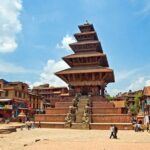
Then comes Bhaktapur Durbar Square, another UNESCO World Heritage Site. You’ll get about one hour here, and this is a stop that many people like because it feels more “town-like” than some single-monument visits. It’s medieval in the best way: you walk through spaces that still communicate the scale of everyday life.
Bhaktapur is also mentioned in your tour outline for specific highlights such as the Vatsala Temple (along with other notable temples and statues). Even if you’re not hunting for named monuments, the guide’s job is to connect what you see to why these spaces mattered—who used them, what beliefs framed the art, and how the architecture tells a story.
The practical consideration: it’s another admission-not-included stop. So expect separate entry fees here too, not just at one site. Also, keep an eye on your energy. Seven sites in one day sounds manageable—until you factor in walking between them.
Changu Narayan Temple: Oldest Temple Vibes, Worth the Time
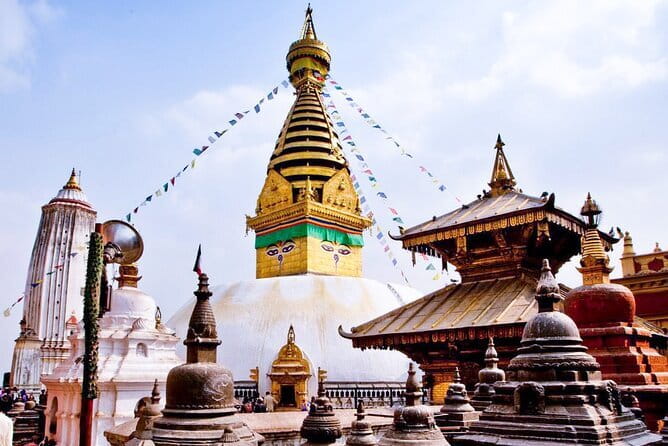
After the Durbar Squares, you’ll go to Changu Narayan Temple, also spelled Changunarayan Temple in your outline. This is described as Nepal’s oldest Hindu temple and a UNESCO World Heritage Site.
This is one of the stops that benefits most from guidance. Older temples can look “just like” temples if you’re skimming, but with a guide you start noticing what’s ancient, what’s preserved, and what details reflect early religious architecture. You’ll likely get an hour here, which is enough for a calm visit rather than a quick photo sprint.
One thing to plan for: temples often come with expectations about respectful behavior and clothing. The tour data doesn’t spell out rules, so I’ll keep it general—but it’s smart to bring or wear something that covers shoulders and knees if you can.


Pashupatinath Temple: A Sacred Site With Real Ritual Energy
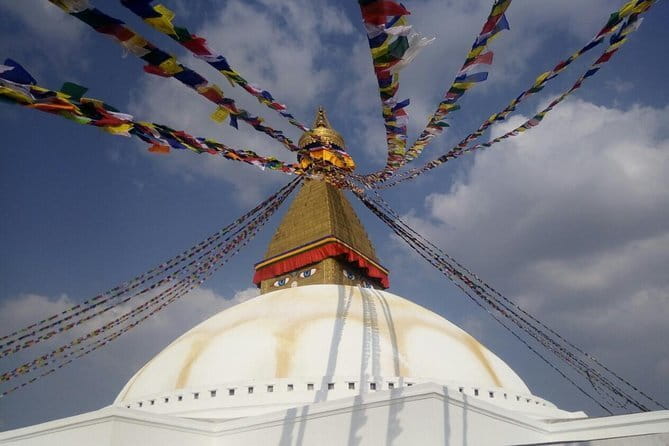
Your next major stop is Pashupatinath Temple, one of Nepal’s most revered Hindu temples and UNESCO-listed. The tour includes about an hour with guidance, which is a good length for understanding what you’re seeing without ignoring the spiritual focus of the place.
This stop is often intense in a way that’s hard to describe from a brochure. It’s not staged like some attractions; it’s an active religious site. A strong guide helps you read the space—where people gather, why certain areas feel important, and how rituals connect to belief.
Practical note: again, admission tickets are not included. Also, you’ll want to be mentally ready for sensory input—sight, sound, and crowds can vary by time of day.
Boudhanath Stupa: Buddhist Monument, Guided Walk-Through Meaning
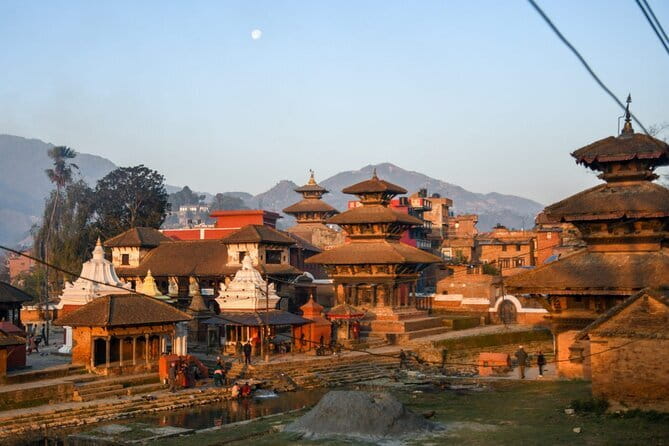
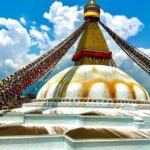
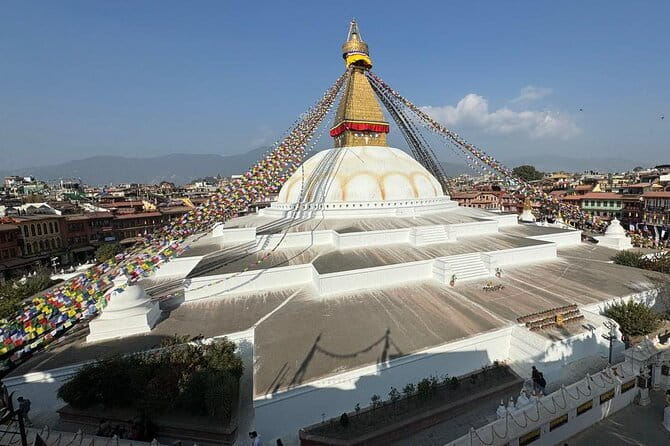
Then you’ll reach Boudhanath Stupa, described as a UNESCO World Heritage Site and one of Nepal’s most important Buddhist monuments. You’ll spend around an hour here.
The big draw at Boudhanath is scale and symbolism. This stupa isn’t just a landmark; it’s a focal point for devotion. On a guided tour, you get more than photos of the stupa—you get an explanation of what the monument represents and how people interact with it during daily worship.
One consideration: the tour doesn’t include lunch, so if you’re prone to getting hungry, you might want to eat before you arrive at this portion of the route. Otherwise, you can end up standing in sacred spaces while thinking about food, which is not the vibe you’re going for.
Swayambhunath: Panoramic Views Plus a Hilltop Sacred Circuit
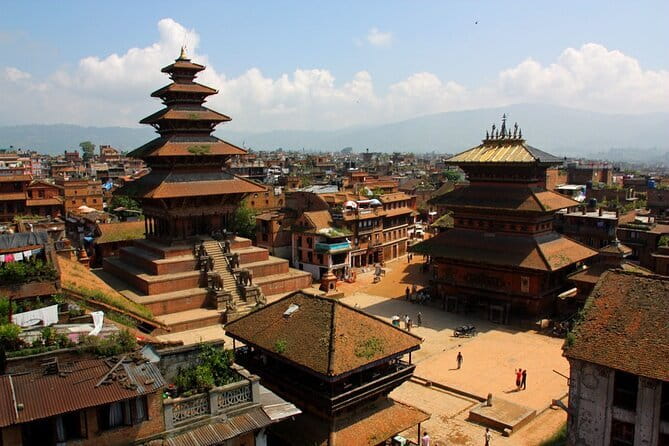
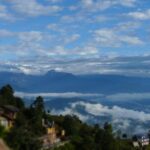
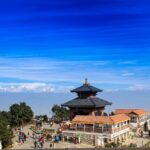
Your final stop is Swayambhunath, the Mahachaitya on a hill overlooking Kathmandu. Like the rest, it’s scheduled for about one hour.
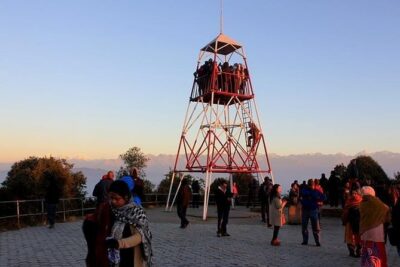
This is the stop where your senses get rewarded. The viewpoints matter because Kathmandu is spread out, and from this hilltop you start seeing the city as a whole. The guide can also explain the stupa’s history and architecture so the site makes more sense than a simple hilltop snapshot.
Possible drawback: if you’re not used to hills, you’ll feel the terrain. Your tour doesn’t include AC transportation, and Swayambhunath involves walking on uneven ground. Wear shoes that grip well and plan for a bit of stairs-and-slopes effort.
Price and Logistics: What $99 Really Covers
Let’s talk value without pretending it’s magic. The price is $99 per person for the day, and the big “included” item is the multilingual male/female guide. Pickup is offered, and you get a mobile ticket.
What you don’t get in the tour price:
- Lunch and dinner
- Tips or gratuities
- Personal expenses
- An air-conditioned vehicle
And most importantly for budget math: admission tickets are not included for each of the UNESCO sites. That means your final cost can be higher than you expect if you arrive assuming entry is bundled.
So, is it still a good deal? Usually, yes—because guiding is often what makes UNESCO sites click. If you’re the type who wants explanations and context (not just standing in front of buildings), the guide time can be worth more than the ticket fees. If you hate group logistics, you might prefer buying tickets on your own and hiring a private guide for a shorter set of stops. But for a one-day UNESCO sampler, this is priced like a practical city tour with expert help.
What Makes the Guides the Real Reason to Book
This tour’s reputation, based on the names and themes that repeat in feedback, comes down to the guide. Deepak is mentioned often for a “light” approach—clear, friendly guidance that keeps the day grounded rather than academic. There’s also a recurring emphasis on the guide giving history in a way that fits normal people, not just textbook learners.
Rabina, noted in feedback as a female guide, is highlighted for knowledge and for allowing free time at locations. That last detail matters more than people think. You want a guide who can explain quickly, then give you room to wander, look longer at a doorway, or take photos without feeling like you’re breaking the rules.
Multilingual guidance is part of what you’re paying for. Kathmandu’s heritage sites have layers, and language helps you avoid that “I’m nodding but I don’t really know” feeling.
Timing, Pacing, and the One-Day Trade-Off
This tour packs seven major UNESCO areas into one day. The benefit is obvious: you see a lot, and you get help moving between sites. The trade-off is also real: one hour per stop means you’re not doing an all-day deep study of a single complex.
If you’re the type who loves details, you may want to take notes or plan a return trip to one favorite site later. If you’re more about the big picture—understanding Kathmandu Valley and its mix of Hindu and Buddhist heritage—this structure fits well.
Also, keep your expectations aligned with the “full day” reality. Even if the stops are about an hour each, transportation and transitions between areas are part of the experience. A 9-hour day in a city means you should treat it as your main event for the day, not a quick add-on.
Practical Tips That Will Make the Day Easier
- Bring small snacks and water since lunch and dinner aren’t included. Even if you eat before the tour, you’ll likely appreciate a quick top-up.
- Use comfortable walking shoes. Temple areas and Durbar Squares often mean uneven surfaces and steps.
- Have a plan for photos: one hour can disappear fast once you start looking at carvings and doorways.
- If you care about timing, be ready to enter sites promptly when the guide says it’s time. Group logistics move at the pace of entries and exits.
Who This Tour Fits Best (and Who Might Want a Different Plan)
This works best for you if:
- You want a guided UNESCO day without hiring separate drivers or research-heavy planning.
- You like context and explanations, not just photos.
- You’re okay with a structured route and a “see a lot” pace.
You might want something else if:
- You want maximum time at a single site for in-depth exploring.
- You’re very sensitive to walking on uneven ground or hills (some stops include that type of terrain).
- You strongly prefer an air-conditioned vehicle for the whole day, since that’s not included.
Should You Book This Kathmandu UNESCO World Heritage Tour?
I’d book this if you want a well-organized day that turns Kathmandu Valley landmarks into something you can actually explain to friends later. The price makes sense when you factor in the multilingual guide and the fact that admission tickets and meals are separately handled. You’re buying guidance and structure, not a full-day meal plan.
Choose it especially if you value the kind of guide who can name key sites, explain why they matter, and still give you room to look around. With Deepak and Rabina specifically standing out in the feedback, the guide quality looks like the real strength here.
If you go in knowing you’ll budget separately for entry fees and food, you’ll likely come away with a clear sense of Kathmandu Valley’s UNESCO story—and a day that feels purposeful, not rushed.
FAQ
Are admission tickets included for the UNESCO sites?
No. The tour notes that admission tickets are not included for the listed stops.
How long is the Kathmandu UNESCO World Heritage tour?
The duration is about 9 hours.
Is pickup included, and where do I meet the guide?
Pickup is offered. The meeting point is Kaiser Library, Kanti Path, Kathmandu and the tour ends back at the same meeting point.
What’s included in the price?
The tour includes a multilingual male/female guide. It does not include lunch, dinner, tips/gratuities, personal expenses, or an air-conditioned vehicle.
Do I get a mobile ticket?
Yes. The tour includes a mobile ticket.
What is the cancellation policy?
You can cancel for free up to 24 hours before the experience for a full refund. If you cancel less than 24 hours before, the amount paid is not refunded.