REVIEW · KATHMANDU
Annapurna Base Camp Trek – 10 Days
Book on Viator →Operated by Himalayan Recreation Treks & Expedition Pvt.Ltd · Bookable on Viator
Ten days, and the mountains do the talking. This Annapurna Base Camp trek links Kathmandu and Pokhara with a guided walk into the Annapurna Conservation Area, finishing at ABC at about 4,130m. I like that you get professional guide support (with first-aid know-how) plus the kind of on-trail help that keeps a first high-altitude trip from feeling like guesswork.
I also like the value math: the package bundles tea-house accommodation on the trekking days, hotels with breakfast in Kathmandu and Pokhara, key transfers, and a government-licensed guide. You’ll get a comfortable ramp-up before you climb, and a clear handoff when it’s time to hit the trail.
One consideration: altitude and weather are real here. You should plan for slower days, a possible hit to appetite, and the need to be medically cleared and insured before you go, especially if you’re not used to high elevation.
In This Review
- Key points I’d circle before you book
- Why Annapurna Base Camp is worth 10 days of effort
- Best for couples, solo trekkers, and first-timers: who this trek fits
- Kathmandu and Pokhara are not filler on this trip
- Day-by-day: from Thamel streets to ABC at about 4,130m
- Day 1: Land in Kathmandu and get set up
- Day 2: Transfer toward Pokhara with added viewpoints
- Day 3: Chhomrong area and big-trail effort
- Day 4: Sinuwa and the stone-steps grind
- Day 5: Up to the Annapurna Base Camp area
- Day 6: Retrace steps back, then stay in the flow
- Day 7: Jhinu Danda and the return trail back toward Chhomrong
- Day 8: Toward Nayapul, then Pokhara and views over Phewa Tal
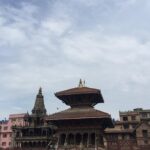
- Day 9: Drive back to Kathmandu with Patan Durbar Square
- Day 10: Kathmandu wrap-up and airport drop-off
- Tea houses, food, and what to expect when you’re not at a resort
- Price and logistics: what $699 really buys you
- Altitude reality check: how to protect your trip from the weather
- Gear, luggage, and permits: the small stuff that prevents big headaches
- Should you book Himalayan Recreation’s Annapurna Base Camp trek?
- FAQ
- FAQ
- How high do you trek on the Annapurna Base Camp route?
- Where does the trek start and where do you fly into?
- What’s included in the tour price?
- What meals are not included?
- Do I need travel insurance?
- What fitness level do I need?
- How big is the group?
- Do you help with trekking gear and permits?
- Is there an extra cost for a non-English speaking guide?
Key points I’d circle before you book
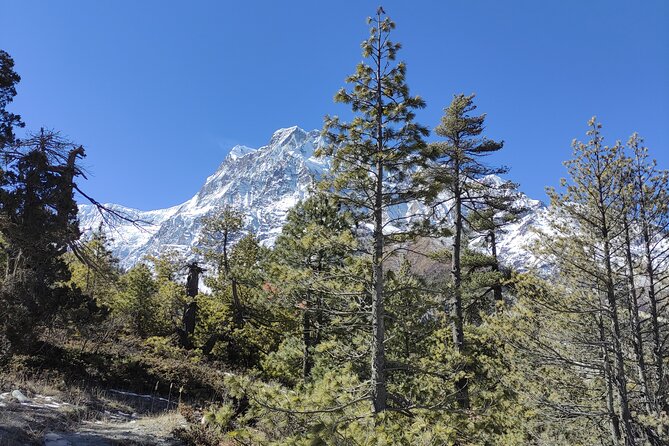
- ABC altitude is the star: you’re aiming for about 4,130m, so acclimatization and pacing matter more than speed.
- Tea-house trekking is included: you sleep in basic mountain lodges for multiple nights, with a classic rhythm of meals and early starts.
- Small-group feel (max 12): you’re not packed into a huge herd, and you get a private-group experience.
- You’re not trekking blind: a licensed guide handles safety, food/drink guidance, and local logistics along the way.
- Kathmandu + Pokhara are part of the deal: sightseeing is built in, so you’re not only climbing and traveling.
Why Annapurna Base Camp is worth 10 days of effort
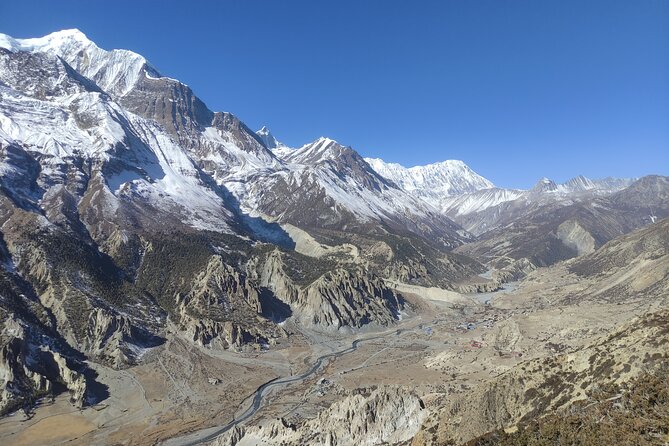
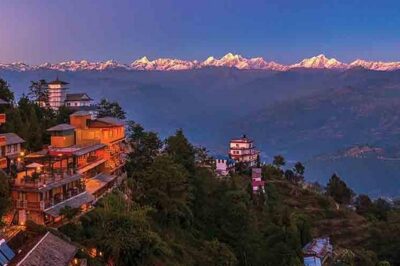
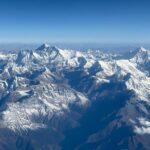
Annapurna Base Camp is one of those treks where the effort actually pays off. The climb pulls you through different village textures, tree belts, and river valleys, and the finale brings you to a high basin under huge peaks.
This trek is also a good fit for people who want the “big mountain” experience without the complexity of mountaineering. You’re hiking on a known route, using tea houses for sleep, and relying on a guide who’s there to keep you safe when the trail gets uneven and the air gets thin.
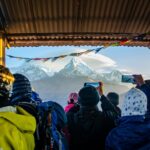
And yes, the views are fantastic. But what makes ABC memorable is the feeling of arriving after days of footsteps: you finally stop walking and look up for a long time.
You can also read our reviews of more hiking tours in Kathmandu
Best for couples, solo trekkers, and first-timers: who this trek fits
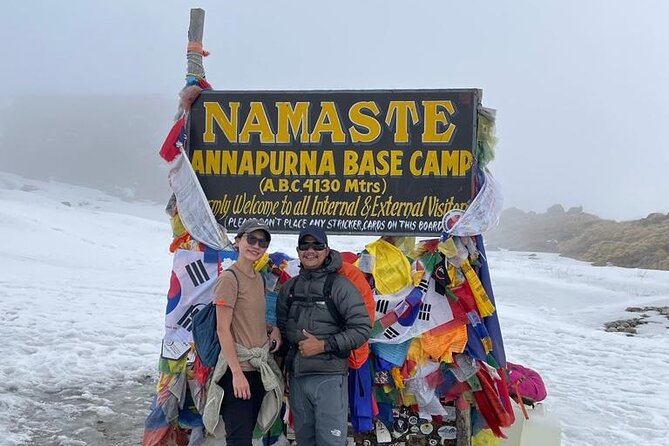
This is promoted as a romantic trip for couples, but it also works for solo travelers who want structure. With a maximum of 12 people per booking and a private-group setup, you’re getting the benefits of company without the chaos of mass tourism.
What really helps first-timers is the human side of the support team. In past experiences with this operator, trekkers have praised guides and porters for friendly help and steady professionalism, especially for people doing Nepal trekking for the first time. If you’re nervous about your first high trek, that kind of reassurance matters.
Physical fitness matters too. The route is described as requiring moderate fitness, and you’ll be walking at demanding altitudes with weather swings. If that sounds like you, plan to talk to your doctor and train for endurance before you arrive.
Kathmandu and Pokhara are not filler on this trip
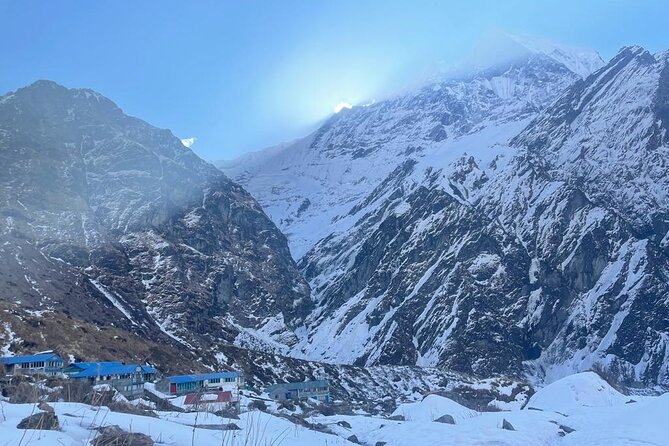
Your days don’t start in the mountains. They start in Kathmandu, then ease into Pokhara.
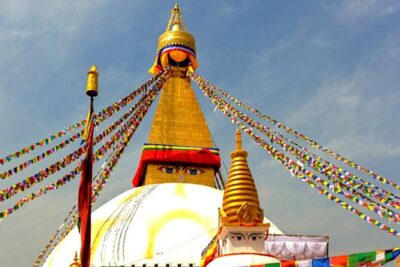
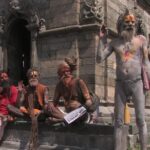
In Kathmandu, you’ll be oriented from the moment you land at Tribhuvan International Airport. From there, the program includes time in places like Thamel and major cultural sites such as Kathmandu Durbar Square and Pashupatinath Temple. Even if you only have a day, these stops help you get your bearings fast and make the trip feel real before the first trek day.
Pokhara adds the breathing room. You’ll spend time around Lakeside and you’ll also hit viewpoint-style stops like Swayambhunath and Chandragiri Hills as part of the Kathmandu/Pokhara rhythm. Then the itinerary pushes you toward Nayapul, the common launch point for the Annapurna trek region.
If you want value, this is a smart approach. You’re not paying only for hiking days—you’re paying for a full “arrive, acclimate, trek, return” arc.
Day-by-day: from Thamel streets to ABC at about 4,130m
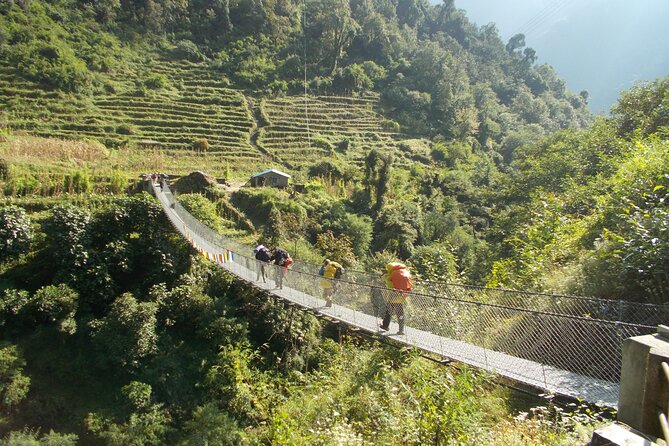
Here’s what the rhythm looks like across the 10 days, with the practical stuff you should think about each day.
Day 1: Land in Kathmandu and get set up
You’re greeted at the airport, helped to your hotel, and then you meet your guide. That matters because trekking in Nepal is easier when someone helps you with the first-day checklist and expectations.
Later, you’ll explore Thamel, and the route also includes Kathmandu Durbar Square and Pashupatinath Temple. This is a good day to keep the pace easy and use it for shopping prep—things like trekking layers, snacks, or a few small missing items you didn’t pack.
Day 2: Transfer toward Pokhara with added viewpoints
Day 2 is a mix of sightseeing and travel flow. You’re guided from Kathmandu toward Pokhara, with the program including stops such as Swayambhunath and Chandragiri Hills.
Once you’re in the Pokhara area, the itinerary also connects you toward Nayapul for the trekking start. This day can feel like a “moving day,” so keep hydration and a light snack kit close.
Day 3: Chhomrong area and big-trail effort
You move into the trekking heartland with a route that brings you into the Chhomrong area via places like Ghandruk. Expect uneven trails and a climb-and-descend profile that’s more tiring than you’d think on paper.
On the same general day block, you also get access to viewpoint time at Poon Hill in the Pokhara region. If you’re aiming to maximize your Himalayan visuals, this is the kind of pairing that works.
Day 4: Sinuwa and the stone-steps grind
Sinuwa is a key step along the way. The route includes crossing the riverbed and then climbing stone steps—2,500 steps are specifically mentioned—carved into the hillside.
This day is one of those “you earn the view” days. You don’t have to sprint. In fact, the best strategy is to keep your pace controlled so your legs are ready for the higher, longer effort ahead.
Day 5: Up to the Annapurna Base Camp area
This is your main “we’re really climbing now” day. You trek along the riverbed toward Bagar, with the itinerary noting connections toward Machhapuchhre Base Camp and then onward in the direction of ABC.
As the air gets thinner, you’ll feel it most when you stop moving. Even if you’re breathing hard, keep your steps smooth and steady. The guide’s role here is huge: pacing, safety checks, and helping you manage expectations for summit-day effort.
Day 6: Retrace steps back, then stay in the flow
From ABC, you retrace toward bamboo. This is a smart built-in recovery concept: you’re not immediately starting another full push higher.
The route also passes through parts of the sanctuary area. Expect a damp, wetland-feel atmosphere in places, which can make boots slippery—so slow down on footing.
Day 7: Jhinu Danda and the return trail back toward Chhomrong
You trek uphill from bamboo toward Kuldighar, then descend again toward Chhomrong Khola. The itinerary then brings you back toward Chhomrong, with stone steps again along the way.
This day can feel like two days packed into one because you’re constantly switching between effort levels. It’s also a great day to practice your “drink on schedule” habit so your energy doesn’t crash.
Day 8: Toward Nayapul, then Pokhara and views over Phewa Tal
You trek from Jhinu along countryside toward Nayapul, with distant Annapurna views becoming more dramatic as you get closer to the lower elevations.
Then you shift back to Pokhara. The program includes time at Phewa Tal and a stop at Sarangkot. Sarangkot is a viewpoint-style stop, and it’s a nice way to end the trek loop with one last wide look.
Day 9: Drive back to Kathmandu with Patan Durbar Square
You’ll drive from Pokhara back to Kathmandu. The itinerary includes Patan Durbar Square, which gives you another cultural angle while you reset from trekking.
If your body is still adjusting, this is a good day to move gently and focus on good meals and rest.
Day 10: Kathmandu wrap-up and airport drop-off
Your last day includes Garden of Dreams and Narayanhiti Palace Museum, plus assistance with last preparations. Then you’re dropped at Tribhuvan International Airport.
This is also where you start craving “one more mountain view,” even if you’re exhausted. That’s normal. High-altitude days do something to your brain.
Tea houses, food, and what to expect when you’re not at a resort
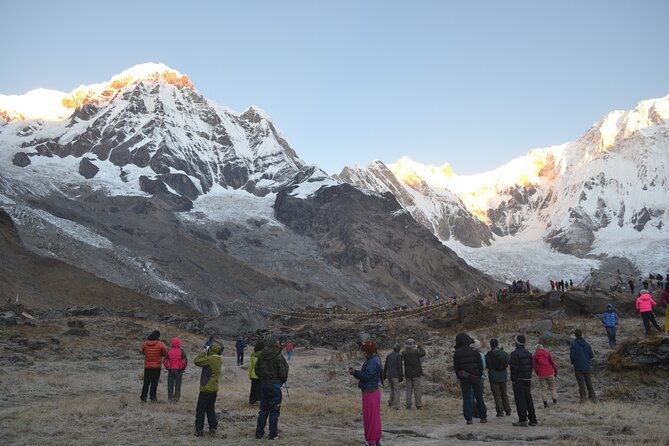
Tea-house trekking is simple: you sleep in mountain lodges and eat what’s available. The included package covers 6 nights in tea houses during the trek, and breakfast is listed as included.
In practice, what most people care about is whether meals are good enough to fuel you. In feedback associated with this operator, trekkers have praised the comfort of stays and the quality of food, which matters because you don’t want to force down bland calories at altitude.
Bring your own habits. Pack a few familiar snacks (especially if you’re picky), and don’t assume you’ll always find exactly what you want. The goal is steady calories, warm drinks when possible, and eating early enough to keep energy stable.
Also plan clothing for dining rooms. Tea houses can be cozy with a hot drink, but at higher elevations the cold can creep in quickly.
Price and logistics: what $699 really buys you
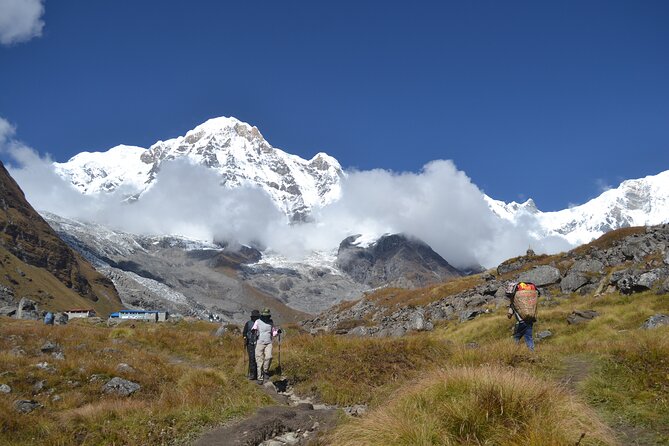
At $699 per person, this trek can be a very workable deal—if the inclusions match your travel style.
Here’s what’s included that lowers your stress:
- Kathmandu and Pokhara hotel stays (2 nights each) with breakfast
- Tea-house accommodation during the 6 trekking nights
- Kathmandu–Pokhara–Kathmandu transfers by tourist bus
- Pokhara–Nayapul–Pokhara transfers by private car
- A government-licensed trekking guide (with food/drinks/accommodation guidance built into the role)
- First-aid kit and basic preparedness from the leadership team
- A farewell dinner with cultural show
- Taxes, VAT, and service charges
What’s not included:
- Lunch and dinner in Kathmandu and Pokhara (a $150 per person add-on is noted)
- Gratuities ($50 per person)
- Most other food and drinks unless specified
My practical take: the best value is for people who want one guided package with transfers and lodging handled. If you like organizing everything yourself and you already know the route, you might find cheaper ways. But if you want a smoother trek—especially if you’re new to Nepal—this package structure often feels fair.
Altitude reality check: how to protect your trip from the weather
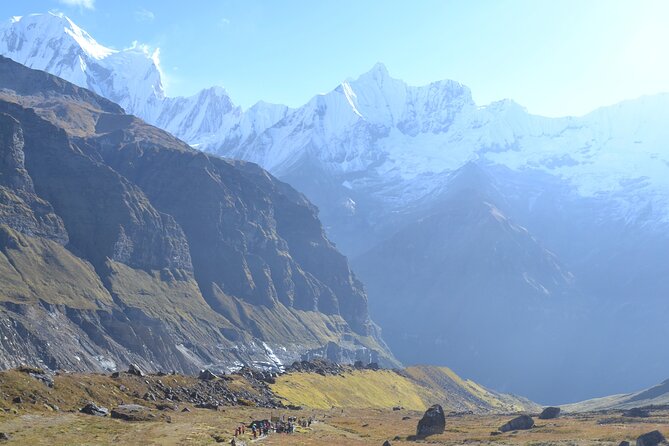
ABC sits at about 4,130m, and the program explicitly warns about extreme weather variations and possible adverse health effects from altitude. You should take that seriously.
Your best tools are boring but effective:
- Start slower than you think you need to
- Drink consistently (not just when you feel thirsty)
- Keep layers on hand so you can adjust when the temperature swings
- Tell your guide immediately if you feel unusually unwell
Your operator also states that insurance is required and you must show proof to the tour leader on the first day. That’s not bureaucratic fluff; emergency evacuation costs at altitude are where trips get expensive fast.
Also make sure you discuss the trek with your doctor before departure. If you have any heart, lung, or altitude-sensitive history, don’t wing it.
Gear, luggage, and permits: the small stuff that prevents big headaches
This trek expects you to plan gear. The operator notes that required trekking gear is available to buy or rent in Kathmandu, and your guide helps arrange it.
Extra luggage is manageable too. You can leave extra bags at the office or hotel and pick them up when you return.
Permits are part of the deal, but you still need to send details in advance. You’ll need passport photo copies (clear color scan), passport validity minimum 6 months, and two passport-sized photos, plus occupation and home details address. Get your documents ready early so your trip doesn’t stall.
If you’re traveling with electronics, consider how you’ll keep them warm. Cold can drain batteries faster than you expect.
Should you book Himalayan Recreation’s Annapurna Base Camp trek?
I’d book this trip if you want a guided, structured ABC experience with practical pacing, clear transfers, and tea-house nights included. It’s especially appealing if you’re:
- Doing your first real Nepal trek
- Traveling solo but want real support
- Planning a couple-friendly itinerary that still feels active
- Looking for value once you factor in hotels, lodging, guide, and local logistics
I wouldn’t rush to book if you’re currently dealing with health concerns that make altitude risky, or if you hate the idea of cold mornings, stone-step days, and basic mountain lodges.
One more deciding point: the operator lists free cancellation up to 24 hours in advance for a full refund. That gives you some wiggle room if your schedule or plans change.
FAQ
FAQ
How high do you trek on the Annapurna Base Camp route?
The trek is described as walking at demanding altitudes, with Annapurna Base Camp located at about 4,130m (13,550 feet).
Where does the trek start and where do you fly into?
You’re in Kathmandu at the start, and the itinerary includes pickup/assistance from Tribhuvan International Airport. The trek portion heads from the Pokhara area toward Nayapul.
What’s included in the tour price?
Included items list dinner, airport transfers, 2 nights in Kathmandu and 2 nights in Pokhara (with breakfast), 6 nights in tea houses during the trek, transfers by tourist bus and private car, a government-licensed trekking guide (including guide-related costs), a first-aid kit, taxes/VAT/service charges, and a farewell dinner with cultural show.
What meals are not included?
Food and drinks are listed as not included unless specified. Lunch and dinner in Kathmandu and Pokhara are noted as an additional $150 per person.
Do I need travel insurance?
Yes. Travel insurance that covers medical expenses and emergency repatriation is required, and proof must be shown to the tour leader on the first day.
What fitness level do I need?
The trip states that you should have a moderate physical fitness level. It also warns that altitude can cause adverse health effects regardless of age or gender, so you should discuss the trip with your doctor.
How big is the group?
The maximum is 12 people per booking, and it’s described as a private tour/activity for only your group.
Do you help with trekking gear and permits?
Yes. Required trekking gear is available to buy or rent in Kathmandu with guide help. For permits, you need to send passport photo copies, passport validity details, passport-sized photos, occupation, and home address information.
Is there an extra cost for a non-English speaking guide?
An additional $200 per group is mentioned if you prefer having others language speaking guide instead of English.
If you want, tell me your travel month and fitness level, and I’ll help you judge whether this 10-day pacing is a good match for you.