REVIEW · KATHMANDU
Everest Base Camp Trek -14 Days
Book on Viator →Operated by Alpine Ramble Treks · Bookable on Viator
Hard altitude, calm logistics, and big mountain payoff. This Everest Base Camp trek is interesting because it’s preplanned end to end, so you’re not stuck trying to sort out guides, permits, and transport on the fly. You’re also targeting a classic route while the Everest Base Camp area is expected to move, which adds a bit of urgency to doing it now.
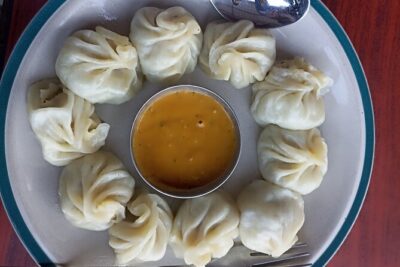
I really like the combo of small group size (max 12) and the way you’re fueled with authentic local meals at trekking lodges. I also like that you get a proper Kathmandu wrap-up with a hotel night and dinner after the trek, not just a rushed flight home.
The one drawback to factor in is that comfort runs “basic” once you’re up high, and you’ll pay extra for water and drinks, plus Wi-Fi and hot showers if you want them. Altitude is also real here, and even with a Diamox-inclusive first aid kit, you still need to take acclimatization seriously.
In This Review
- Key points before you commit
- Kathmandu First: Thamel Arrival, Airport Transfer, and a Real Pre-Trek Base
- Lukla Flight and the Sherpa Crew: Starting the Trek Without Negotiation Stress
- Pine Forests, Dudhkoshi Crossings, and First Everest Views (Days 3–4)
- Tengboche and Dingboche: Monastery Views and a Proper Breather (Days 5–7)
- Chukpo Lari Memorials, Lobuche to Khumbu Glacier, and the Real Stretch (Days 8–9)
- Kalapathar Sunrise: The 360° Payoff on Day 10
- Returning Through Sherpa Villages: Tengboche, Suspension Bridges, and the Home Straight (Days 11–12)
- Fly Back to Kathmandu: Leisure Time and the “I’m Done” Feeling (Day 13)
- What’s Actually Included in the $1,420 Trek Price
- The Team Factor: Friendly Organization and the Guides That Keep You Steady
- Who This Everest Base Camp Trek Fits Best
- Should You Book Alpine Ramble for Everest Base Camp?
- FAQ
- Where do I meet the group in Kathmandu?
- Are flights to Lukla included?
- How long is the trek?
- What’s included for meals and lodging during the trek?
- Do I get a licensed guide and help with paperwork?
- Is altitude medication included?
- Do I need to hire a porter?
- What’s the group size?
- Is free cancellation available?
Key points before you commit
- Small group (max 12) means you’ll move at a human pace and actually meet people.
- Lukla flights round-trip are included, which removes one of the biggest planning headaches.
- Licensed guide + permits support (Everest National Park and TIMS card) keeps the paperwork stress low.
- Full-board lodge meals during the trek help you focus on walking, not searching.
- Kalapathar sunrise plan gives you the kind of viewpoint everyone talks about, without guesswork.
- Luggage-carrying setup helps your pack stay reasonable, and you can add a porter if you need one.
Kathmandu First: Thamel Arrival, Airport Transfer, and a Real Pre-Trek Base
Your trip starts in Kathmandu, with a pickup from the airport area after you arrive at Tribhuvan International Airport. You’ll be welcomed by the ART staff and transferred to your hotel for the first overnight.
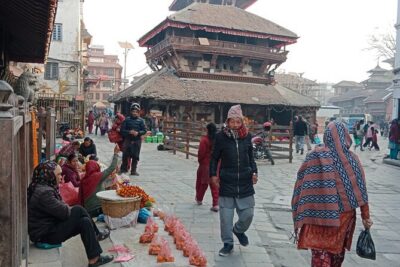
This matters more than it sounds. Kathmandu can feel chaotic the first day, and the airport-to-hotel piece sets your tone. Also, your meeting point for the trek itself is in Thamel (44600), which is convenient if you want to grab a last-minute layer, adapter, or snack before you head out.
The package also includes a final Kathmandu moment: a night in a top Kathmandu hotel and dinner to celebrate your finish. That’s a nice practical touch, because you’ll likely want a comfortable bed after days of trekking lodges.
You can also read our reviews of more hiking tours in Kathmandu
Lukla Flight and the Sherpa Crew: Starting the Trek Without Negotiation Stress
Day 2 is a short but high-impact step: an early morning scenic flight to Lukla (about 35 minutes). Once you land, you’re in Sherpa country. You’ll meet the crew who carry your luggage for the trek, so you can keep your focus on acclimatization and your first walking rhythm.
Why I think this is valuable: Everest Base Camp lives and dies by small details—what time you leave, whether your gear is sorted, and whether your group has a clear plan. Prebooking these pieces is the difference between a calm start and a “we’ll figure it out” scramble.
One more thing to notice from the local-crew setup: even when you don’t hire extra porter help, you’re not expected to haul everything yourself. If you want additional help beyond the standard luggage carry, the tour lists local porter as an optional extra you pay for if needed.
Pine Forests, Dudhkoshi Crossings, and First Everest Views (Days 3–4)
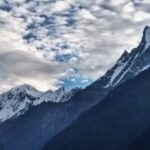
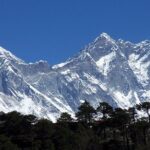
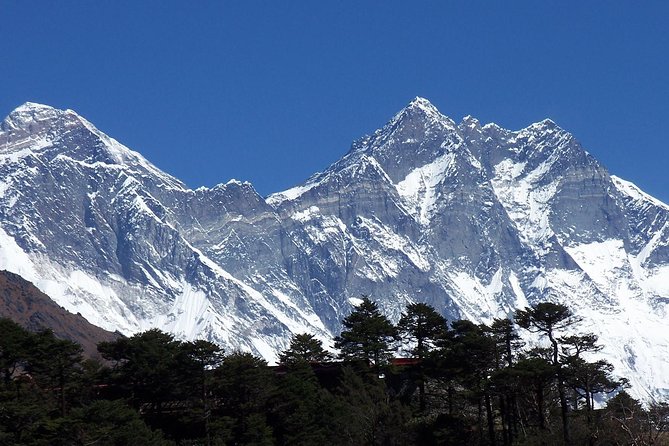
On Day 3, you wake up to breakfast with hot drinks, then start trekking through a lush pine forest and cross the Dudkosi River. This is the day where Everest begins to feel less like a postcard and more like a physical presence, with your first major mountain glimpses including Everest and Kusum.
Day 3 is often a sweet spot for getting confident. You’re walking, but the route still feels like “setup.” If you pace yourself and keep your effort steady, you’ll arrive at the idea of acclimatization without feeling punished.
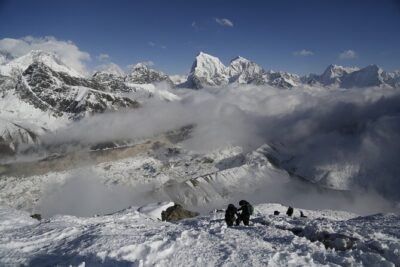
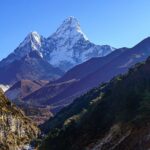
Day 4 is rest and acclimatization. You’ll ascend to a look-out for huge views: Everest, Lhotse, Cholatse, Thamserku, Kwangde, Khandala, and Ama Dablam, plus some of those wide valleys you’ll keep thinking about later. This is one of those days that feels slow on the clock but fast for your body and your mindset.
Here’s the key consideration: acclimatization days aren’t bonus days. They’re part of your safety plan. Treat them like training, not like sightseeing free time.
Tengboche and Dingboche: Monastery Views and a Proper Breather (Days 5–7)
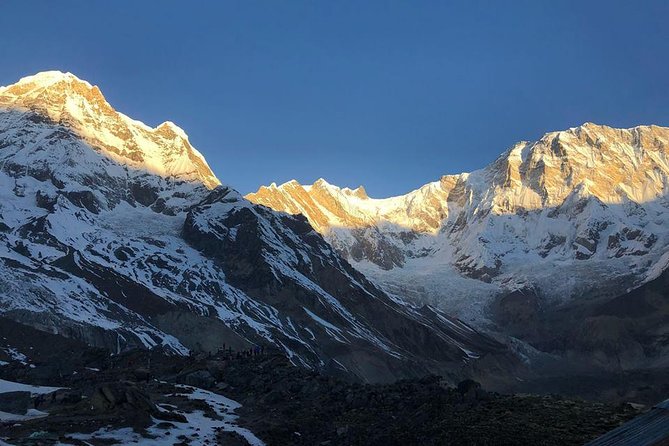
Day 5 brings a classic mix of terrain: you trek along the high way of Everest, including a famous descent to the Dudh-Koshi River and then an ascent along rhododendron. This is the “workout day” that still feels scenic, because forests and river valleys create natural variety.
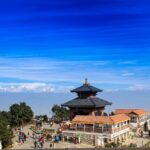
Day 6 leans into spiritual and scenic payoff. In the early morning light, the monastery in Tengboche and the surrounding mountains can look especially pristine. After breakfast, your trail continues through a beautiful forest (the description references a magical-feeling forest name), which gives you a different texture from the wider valley sections.
Then you get Day 7: a rest day at Dingboche. Dingboche is a popular stop for trekkers and climbers headed toward Everest and nearby peaks. The village setting is described with stone-walled fields for barley, which makes the area feel grounded and real, not just “a stop on the way.”
I like rest days in trekking like this because they prevent the common mistake: pushing too hard because the scenery is hypnotizing. Use the extra time to hydrate, eat simply, and stay alert for altitude symptoms.
Chukpo Lari Memorials, Lobuche to Khumbu Glacier, and the Real Stretch (Days 8–9)
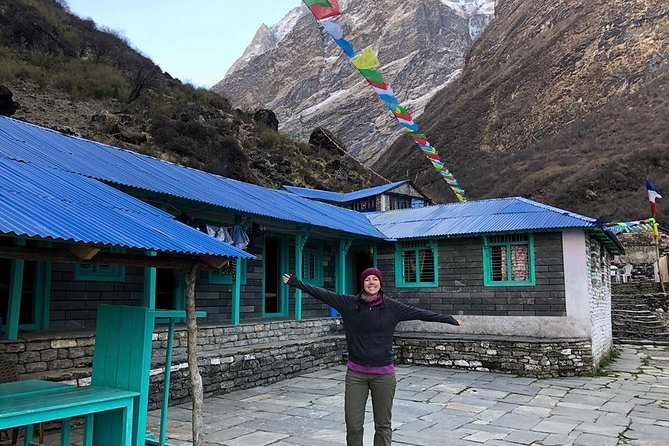
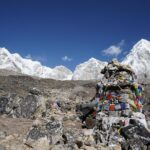
Day 8 starts with a gradual climb to Duglha, then shifts into a steeper push to the ridge at the top of Chukpo Lari. Here you’ll find a poignant line of memorials honoring climbers who have died on Mount Everest.
That kind of moment can change how you handle the rest of the trek. It’s a reminder that this route isn’t just scenic hiking—it’s high-altitude travel, where weather, planning, and respect matter.
Day 9 is described as the most exciting and long-awaited day. From Lubuche, the trail runs across flat meadow for a stretch, then follows the Khumbu Glacier northwards with a short climb. The route continues onto the lateral moraine, and you can feel how the terrain becomes more dramatic and physical.
This day is also where you’ll be glad you kept your pack sensible from the start. Even if you’re not physically maxed out yet, the mental focus required rises quickly once the glacier-and-moraine feeling takes over.
Kalapathar Sunrise: The 360° Payoff on Day 10
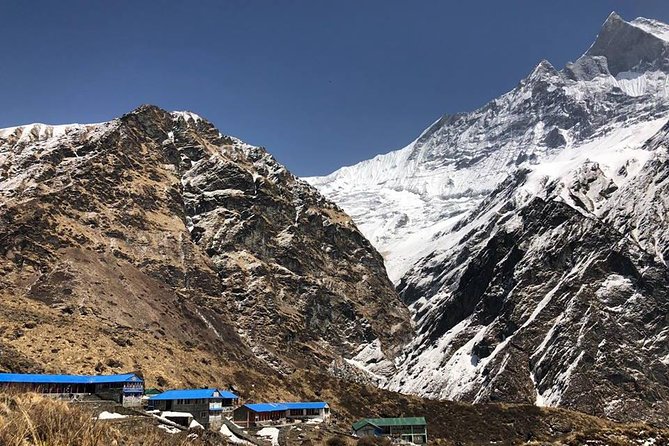
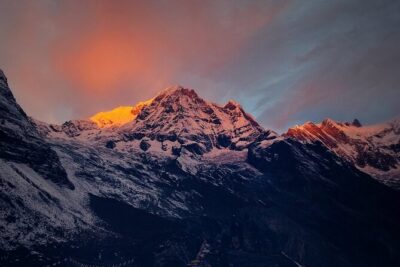
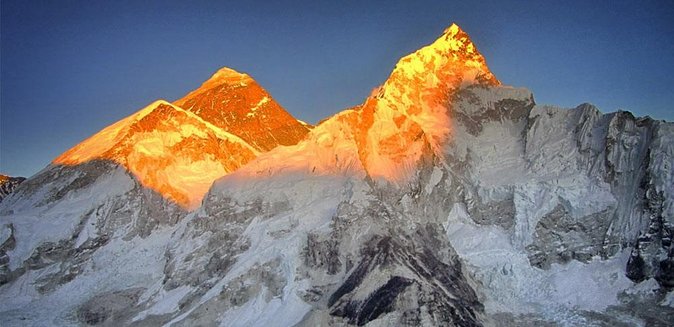
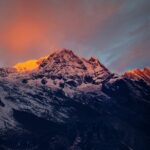
Day 10 is the big viewpoint day: you wake early and climb for about two hours up to Kalapathar, near the bottom of Pumori. From Kalapathar, you’re set up for sunrise with a 360º panorama that includes Everest and nearby major peaks like Nuptse (and more in every direction).
This is the kind of moment that turns Everest Base Camp from an idea into a memory. Even if you’re exhausted, sunrise viewpoints have a way of resetting your brain. You’ll also understand why so many trekkers treat this day as the emotional peak of the trek.
Practical tip: dawn means cold. You’ll want to plan on layers you can move in, plus something warm for the waiting time.
Returning Through Sherpa Villages: Tengboche, Suspension Bridges, and the Home Straight (Days 11–12)
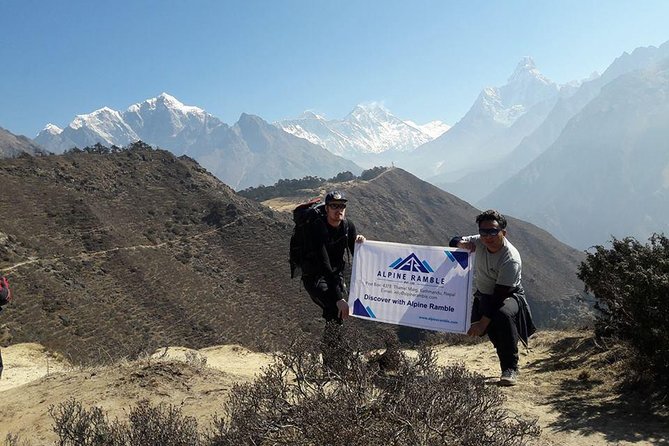
Day 11 shifts into descent and a different emotional pace. You pass through Sherpa villages, reach the bank into Dudkosi River, and after crossing you move through the forest via Dingboche. Then you climb up again to Tengboche.
That “down then up again” rhythm can feel annoying on paper, but it’s normal on this route. What makes it manageable is that you’re likely more acclimatized than earlier days, and you’re moving through familiar regions you’ve already seen from another angle.
Day 12 brings a steeper descent back along a route that matches earlier crossings: Jorsalle, Manjo, Benkar, Phakding, and other small villages. You’ll also walk over several suspension bridges across the Dud Koshi, which adds fun and focus—bridges force you to slow down and pay attention underfoot.
Fly Back to Kathmandu: Leisure Time and the “I’m Done” Feeling (Day 13)
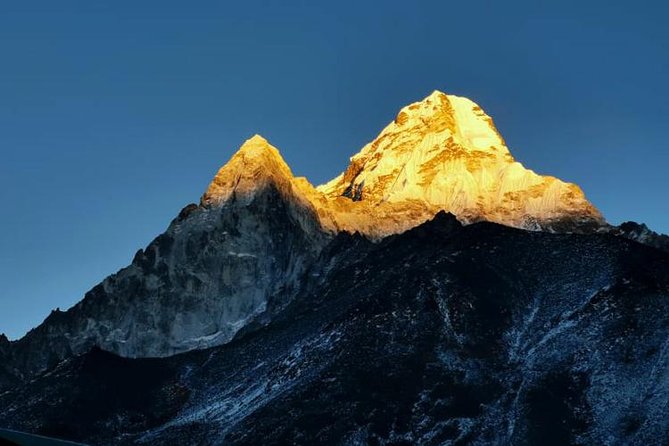
On Day 13, you fly back to Kathmandu and get a leisure day after the trek. This is your decompression window. You’ll likely want easy walking, warm food, and a chance to reset your sleeping schedule.
Also, remember you’ll be returning after high altitude and long days. Even though the itinerary gives you leisure time, keep it light. The win here is going home feeling proud, not sore and wiped out.
What’s Actually Included in the $1,420 Trek Price
At $1,420 per person, this package is not cheap. The value comes from what’s bundled, not from fancy extras.
Included items that matter:
- Round-trip flights Kathmandu–Lukla with departure taxes included
- Licensed government-licensed guide
- Full-board meals (breakfast, lunch, dinner) during the trek
- Trekking lodge accommodations during the trek
- Trekking documents: Everest National Park and TIMS card
- First aid medical kit, plus a basic first aid box that includes Diamox
- Emergency rescue operation funded by travel insurance
- Government, local taxes, and official expenses
- Pickup offered and mobile ticket
Not included (the stuff that can surprise people):
- Nepal entry visa fees
- International flights
- Hot and cold drinks, coffee/tea, snacks
- Water and drinks
- Wi-Fi and hot showers
- Personal expenses
- Porter if you need it beyond the standard luggage-carrying setup
Here’s the real-world takeaway: the trek pricing here tries to eliminate logistics risk. You’re paying for planning, permits, guide time, and the flight that gets you into the mountains. That can be a good deal if you don’t want to spend your vacation head-down sorting paperwork.
The Team Factor: Friendly Organization and the Guides That Keep You Steady
A big part of any Everest trek is how you’re handled when things don’t go perfectly. This company is described as well organized, with quick responses from the owner Dil in at least some cases.
You’ll see a pattern in guide praise too. Names that come up include Sujal, Amer, Dhower, Nir, Laxman, Ram, Saugat, and Subash. The consistent message isn’t just friendliness—it’s that your guide stays attentive to your needs, which matters when altitude and fatigue start reshaping how your body feels.
If you’re traveling with teens or want someone who can manage group energy, the guide Laxman is specifically mentioned as making travel easier for a younger pair. If you’re trekking solo and prefer minimal gear support, Ram is also described as helping make it feel easier even when no porter was used.
One caution: lodge conditions can vary. The trek is set up with lodge stays, but you should expect the standard range from fine to basic, depending on where you end up each night. Meals can also follow a repetitive lodge menu style at times, with limited choice.
Who This Everest Base Camp Trek Fits Best
This trek suits you if:
- you have moderate physical fitness
- you want a small-group experience (max 12)
- you prefer an organized plan with guide support and permits handled
- you’d rather focus on walking than negotiating logistics in Nepal
It might not be the best match if you need high comfort, lots of food variety, or you expect included Wi-Fi and drinks. Up high, the goal is steady movement and good decisions.
Should You Book Alpine Ramble for Everest Base Camp?
I’d say it’s a strong choice if you want the Everest Base Camp route delivered with real structure: Lukla flights handled, guide and permits included, lodge meals covered, and a clear path to Kalapathar sunrise.
I’d hesitate only if you’re sensitive to basic lodge living or you know you’ll spend heavily on extras like drinks, snacks, Wi-Fi, and hot showers. Those are listed as personal expenses, and they can add up fast.
If you’re the type who likes a calm plan and appreciates a guide who can help you pace both your body and your mind, this one is worth serious consideration.
FAQ
Where do I meet the group in Kathmandu?
The meeting point is Thamel, Kathmandu 44600, Nepal. The tour also notes near public transportation and that pickup is offered.
Are flights to Lukla included?
Yes. The package includes round trip flights Kathmandu–Lukla and Lukla–Kathmandu, including departure taxes.
How long is the trek?
It’s listed as 13 days (approx.) in the duration, and this is sold under the Everest Base Camp 14-day trek name with Kathmandu time included.
What’s included for meals and lodging during the trek?
You get full-board meals (breakfast, lunch, dinner) during the trek and accommodations at best available trekking lodges.
Do I get a licensed guide and help with paperwork?
Yes. A professional, experienced, and friendly government-licensed guide is included, along with trekking documents including Everest National Park and the TIMS card.
Is altitude medication included?
A basic first aid box is included, and it specifically mentions Diamox for high altitude sickness.
Do I need to hire a porter?
A local porter is listed as not included if you need it. The program also notes a crew who carries your luggage during the trek, but additional porter support is optional.
What’s the group size?
This tour has a maximum of 12 travelers.
Is free cancellation available?
Yes. You can cancel up to 24 hours in advance for a full refund, and within 24 hours there’s no refund.