REVIEW · KATHMANDU
TOP 4 UNESCO World Heritage Sites Tour
Book on Viator →Operated by Green Valley Nepal Treks & Research Hub Pvt Ltd · Bookable on Viator
Four UNESCO sites in one Kathmandu day. This private full-day route threads together Hindu and Buddhist practice through UNESCO World Heritage landmarks, with morning or afternoon departures and hotel pickup/drop-off across the capital. In a country where cultural sites are spread out, this is a smart way to pack in the key spiritual stops without losing half your day to traffic and logistics.
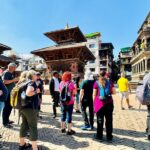
I especially like the human touch. When guides like Kapil or Saraswati Ghimire are on the job, you get clear explanations and practical context, not a rushed script. Add a driver who keeps things smooth in chaotic streets (Ram and Suman came up in past tours), and the whole day feels less like transportation and more like a guided cultural walk.
The main thing to plan around is access rules and costs. Dress code is required at places of worship (knees and shoulders covered), and Pashupatinath Temple requires visitors to be Hindu to enter—so if you are not, you may need to adjust your expectations for that stop. Also, monument entrance fees are not included (budget around NPR 2700), and tipping for the guide and driver is expected.
In This Review
- Key highlights worth knowing
- Why this Top 4 UNESCO route works in Kathmandu
- Logistics that actually reduce stress: pickup, vehicle, and timing
- Stop 1: Pashupatinath Temple and the Hindu entry rule
- Stop 2: Boudhanath Stupa, one of the big Buddhist names
- Stop 3: Swayambhunath (Monkey Temple) and the 77-meter viewpoint
- Stop 4: Patan Durbar Square and Newari architecture in focus
- Price and value: what the $50 covers and what it doesn’t
- Dress code, sacred-space etiquette, and how to avoid getting turned away
- Who this tour suits best (and who might want a different plan)
- Should you book this Top 4 UNESCO Kathmandu tour?
- FAQ
- What sites are included on the Top 4 UNESCO World Heritage Sites tour?
- How long is the tour?
- Do I get hotel pickup and drop-off?
- Are entrance fees included?
- Is there a dress code?
- Can anyone enter Pashupatinath Temple?
- Does the tour include an English-speaking guide?
- What is the cancellation policy?
Key highlights worth knowing
- Door-to-door pickup from anywhere in Kathmandu, with return drop-off
- Private tour just for your group, with an English-speaking professional guide
- Four UNESCO sites in one day: Pashupatinath, Boudhanath, Swayambhunath, Patan Durbar Square
- Morning or afternoon timing to match your energy and schedule
- Religious practice in real time, since these are active places of worship
- Dress code and entry rules to keep you from getting refused at key gates
Why this Top 4 UNESCO route works in Kathmandu
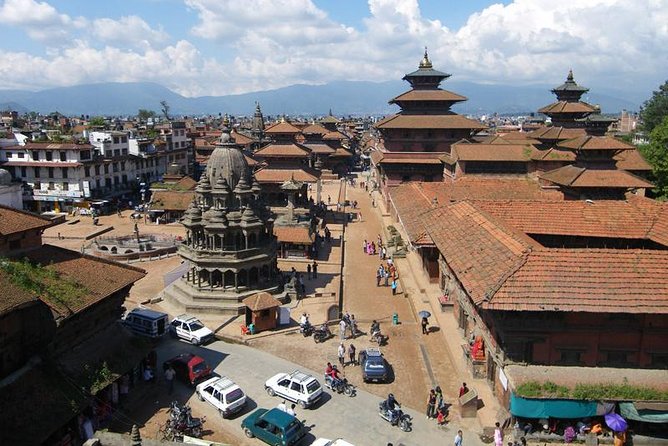
Kathmandu Valley is packed with sacred sites, but they are not clustered like a European city center. They’re spread out, and getting around can chew up time fast. This tour makes the layout practical by hitting four major UNESCO landmarks in one structured day, so you can actually see more than one or two places.
I like that it is built around what you came for: Hindu and Buddhist spirituality. Pashupatinath Temple, Boudhanath Stupa, Swayambhunath, and Patan Durbar Square each show a different side of Kathmandu’s long religious traditions. The day also stays realistic: the total time is about 6 to 7 hours, not an all-day marathon.
The private format is the other big win. Your guide can slow down when you want photos, ask questions, or pause to watch religious activity. That kind of control matters when you’re moving through crowded, sacred spaces.
You can also read our reviews of more historical tours in Kathmandu

Logistics that actually reduce stress: pickup, vehicle, and timing
You’ll start with hotel pickup and end with drop-off, and it’s offered from anywhere in the capital. That matters in Kathmandu because you don’t want to spend the first hour hunting for a meeting point. Instead, you get in, get settled, and move directly toward the day’s first stop.
The tour uses an air-conditioned private tourist vehicle. In hot or dusty weather, that small comfort becomes a big deal after you’ve been walking around temple courtyards. The tour also operates on a tight schedule built around morning or afternoon departure times, so you can choose what fits your body and your day plan.
You also get an English-speaking professional tour guide. Past experiences with guides like Kapil and Saraswati Ghimire highlight the same pattern: when you can ask questions and get clear answers, the sites click faster. You’re not just seeing buildings—you’re learning what you’re looking at while you’re there.
Stop 1: Pashupatinath Temple and the Hindu entry rule
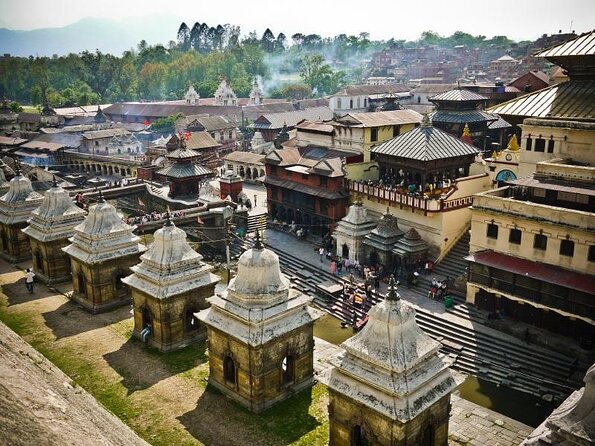
Pashupatinath Temple sits about 5 kilometers east of Kathmandu on the Bagmati River bank. It’s dedicated to Lord Shiva, and it is visually unforgettable, with two golden roofs and four silver doors. This is not a quiet museum stop. It is a living pilgrimage site where people come for prayer and ritual.
Here’s the practical consideration that changes the experience: you must be Hindu to enter Pashupatinath Temple. If you are not Hindu, you may be limited in what you can access inside. Your best move is to plan your mindset for that, and rely on your guide for the clearest way to observe respectfully.
That said, the tour can still be meaningful at Pashupatinath because your guide can help you navigate crowd flow and understand what is happening. In one standout example, Kapil made it possible for a guest to pray despite heavy crowd conditions by coordinating around special timing and prayers. Even if your access differs, having someone who understands how these spaces work can save you from feeling lost.
Also remember the dress code: no shorts or sleeveless tops, and your knees and shoulders must be covered. This is one place where those rules are taken seriously, so pack light layers you can adjust before you arrive.
Stop 2: Boudhanath Stupa, one of the big Buddhist names
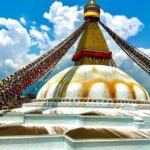
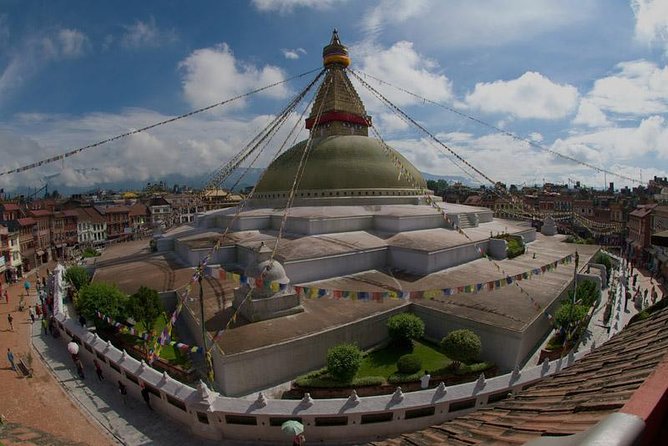
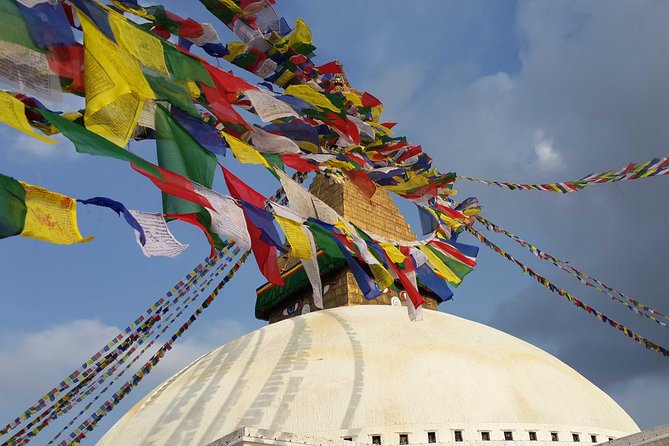
Boudhanath Stupa is around 6 kilometers east of Kathmandu, and it’s widely recognized as one of the biggest Buddhist stupas in the world. The stupa is believed to date back to the 5th century AD, so you’re standing in a site with serious age behind it. You’ll also notice a strong spiritual atmosphere: it’s ringed by Buddhist lamas and monastic communities, so prayer and chanting are part of the background.
This stop is a nice rhythm change after Pashupatinath. You get Hindu practice first, then you shift into a Buddhist space designed for devotion, meditation, and daily ritual. The physical layout supports that slower pace: the stupa draws your attention to the center, while surrounding activity keeps you grounded in the present.
Your guide’s explanations can be especially useful here because the meaning of stupas isn’t always obvious at first glance. Once someone connects the visuals to the practice, you’ll likely feel like you are watching a system rather than just admiring a monument. That turns a one-hour stop into a more lasting memory.
One more practical note: entrance fees are not included, so you should expect that at some of the four sites. I suggest keeping a bit of cash or verifying how tickets are handled so you do not get stuck mid-day.
Stop 3: Swayambhunath (Monkey Temple) and the 77-meter viewpoint
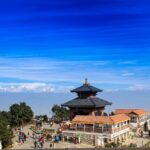
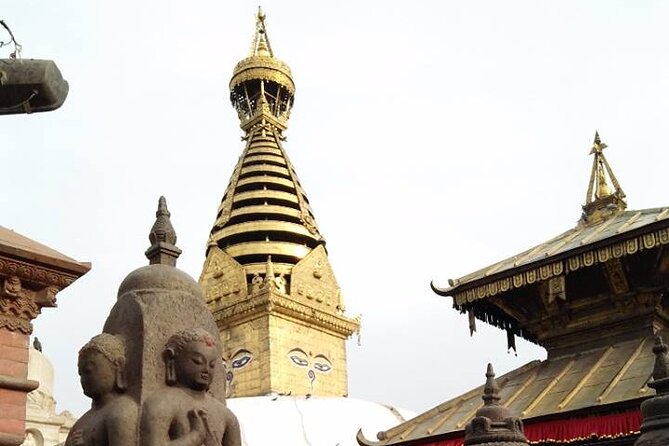
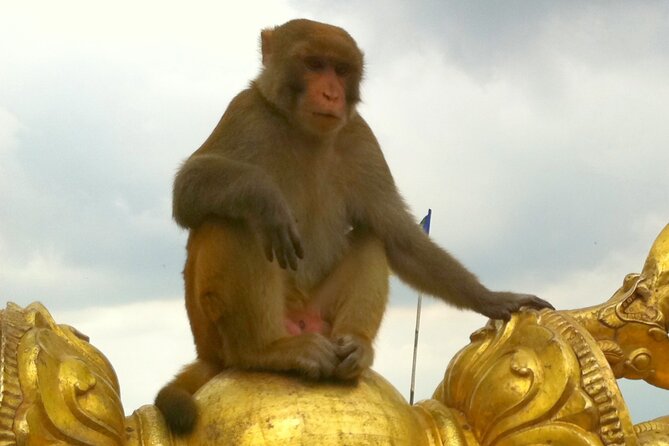
Swayambhunath, often called the Monkey Temple, is a stupa on a hillock about 77 meters above ground level. It’s estimated to be around 2,500 years old, which is the kind of timescale that makes your brain slow down for a minute. The dome has painted features, including the well-known eye imagery that makes the site easy to recognize.
This is your viewpoint stop, and it’s a strong reason the tour works. The hill position gives you a chance to look out over Kathmandu Valley and place the city in context. After walking in courtyards and along religious perimeters, a view resets your perspective.
You’ll have about 45 minutes here. That can feel short if you treat it like a full hike, but it is enough time to do two key things: understand what you’re seeing and find a vantage point to take it all in. If you want more time for photos, your private guide can usually help you time your walk so you don’t miss the best angles.
Again, dress rules apply. You’ll also be walking on uneven surfaces as you move through temple areas, so wear shoes you trust. This is not the day for fragile sandals.


Stop 4: Patan Durbar Square and Newari architecture in focus
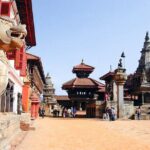
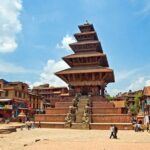
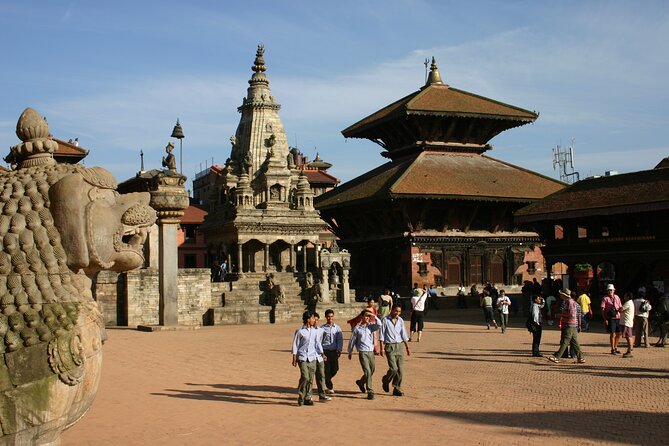
Patan Durbar Square is the cultural center of the former Patan Royal Family and is known for its standout Newari architecture. It’s one of Kathmandu’s three Durbar Squares, and it often gets praise for the details you can find in stonework and courtyards.
Your time here is about 1 hour, which is plenty if you focus. I like using this last stop to zoom in mentally: instead of trying to cover every corner like you’re on a checklist, pick a few areas to observe deeply. Newari architecture rewards that approach because textures and design patterns are the point.
This stop also balances the day thematically. After the two Buddhist-focused sites (Boudhanath and Swayambhunath) and the Shiva-centered Pashupatinath, Patan brings you back into the historic palace and civic-religious tradition of the valley. It’s still sacred in its own way, but the feel is different: more architecture-forward, less single-structure devotion.
If you like photography, Durbar Square is a good place for it. If you’re more into storytelling, ask your guide what makes Patan distinct from the other two Durbar Squares and what you should notice in the building layout.
Price and value: what the $50 covers and what it doesn’t
At $50 per person, this tour is positioned as strong value because most of the day is service and logistics. You’re paying for a private vehicle, hotel pickup and drop-off, and an English-speaking professional guide. You’re also getting the “four sites in one day” structure, which would be harder to assemble yourself—especially if you don’t want to coordinate multiple drivers or manage timing across different neighborhoods.
The main cost you should plan for is entrance fees. Monument entrance fees are not included, and the estimate given is around NPR 2700. Your exact total may shift depending on which ticket rules apply that day, so treat NPR 2700 as a baseline budget.
Tipping is also expected for the guide and driver. That’s not a surprise in Nepal, but it’s a line item you should include in your thinking. If you keep a small amount set aside for both, you’ll avoid the awkward scramble at the end of the day.
On top of that, this is a private tour, meaning you’re not paying per seat in a group bus. For couples or small groups, that private comfort often makes the price feel even more reasonable.
Dress code, sacred-space etiquette, and how to avoid getting turned away
You must dress appropriately for places of worship and selected museums. The rule is clear: no shorts or sleeveless tops, and knees and shoulders must be covered for both men and women. You may risk refused entry if you do not comply.
I recommend you pack one practical layer that helps you meet the rules without thinking. A light shawl, scarf, or thin long-sleeve shirt can solve most issues fast. It’s also helpful for sun, wind, and sudden crowd closeness around temple gates.
While you’re there, treat the sites as active religious spaces. That sounds obvious, but in real life it affects how you move: keep voices down, avoid blocking prayer flows, and ask your guide when you’re unsure about where you should stand.
This is a tour where your guide’s role is more than narration. When access gets complicated—like the Hindu-only entry at Pashupatinath—having someone who understands the process is what keeps the day feeling smooth and respectful.
Who this tour suits best (and who might want a different plan)
This works well if you want a compact, high-impact cultural day and you don’t want to manage routing yourself. If you’re in Kathmandu for a short time, the four UNESCO stops in one schedule gives you a strong overview of the valley’s spiritual landscape.
It also fits you if you enjoy asking questions. When guides like Kapil and Saraswati Ghimire lead the day, the experience tends to include discussion and context, not just point-and-shoot stops.
If you are not Hindu, you should still consider the tour, but go in with clear expectations about Pashupatinath Temple entry. You may still observe parts of the area depending on the rules that apply, but you should plan around the possibility of limited access.
If you hate crowds, choose the departure time carefully. The tour offers morning or afternoon starts, and timing can influence how heavy things feel at each site. Your guide will usually help you navigate crowd flow where possible, but the sacred centers can get busy.
Should you book this Top 4 UNESCO Kathmandu tour?
I’d book it if you want a guided day that hits Kathmandu Valley’s most important UNESCO landmarks without the headache of figuring out transportation, ticket timing, and route order. The private setup plus hotel pickup is the core value, and the guides’ ability to explain what you’re seeing tends to make the day feel worthwhile, not rushed.
I’d hesitate if you are sensitive to entry restrictions or very strict dress requirements. The Hindu-only entry rule at Pashupatinath is the big decision point, and entrance fees plus tipping are not optional in the real-world math. If you can handle those, this tour is one of the most practical ways to get a meaningful UNESCO overview in a single day.
If you want, tell me your travel dates and whether you’re Hindu or non-Hindu, and I’ll help you choose between a morning or afternoon start based on how to pace the religious sites.
FAQ
What sites are included on the Top 4 UNESCO World Heritage Sites tour?
The tour visits four UNESCO World Heritage sites: Pashupatinath Temple, Boudhanath Stupa, Swayambhunath, and Patan Durbar Square.
How long is the tour?
The tour runs about 6 to 7 hours (approx.).
Do I get hotel pickup and drop-off?
Yes. You can get hotel pickup and drop-off from anywhere in Kathmandu by private vehicle.
Are entrance fees included?
No. City sightseeing monument entrance fees are not included (around NPR 2700).
Is there a dress code?
Yes. You need to cover knees and shoulders. Shorts or sleeveless tops are not allowed, and you may be refused entry if you do not comply.
Can anyone enter Pashupatinath Temple?
No. You must be Hindu to enter Pashupatinath Temple.
Does the tour include an English-speaking guide?
Yes. The tour includes an English-speaking professional tour guide.
What is the cancellation policy?
You can cancel for a full refund up to 24 hours before the experience starts. If you cancel within 24 hours, the amount is not refunded.