REVIEW · KATHMANDU
Everest Base Camp Trek with Helicopter Return to Lukla – 10 Days
Book on Viator →Operated by Luxury Holidays Nepal Pvt. Ltd. · Bookable on Viator
That helicopter return changes everything. This 10-day Everest Base Camp trek pairs classic high-altitude days with a helicopter ride from Gorakshep back to Lukla, and a licensed English-speaking guide who keeps your pacing and logistics under control. My only drawback is the hike meals are not included, so budget extra for lunch and dinner on the trail.
You also get a clean, structured start in Kathmandu with a 3-star hotel and breakfast, plus the permits you need for the Everest region. And you end with something a lot of trekkers miss: a farewell dinner in Kathmandu with traditional Nepali dance and food, so the whole trip feels like a full chapter, not just a series of teahouses.
One more thing to keep in mind: the helicopter plan depends on weather. When mountain air gets weird, schedules can shift, even when everything else runs smoothly.
In This Review
- Key highlights worth the hype
- Kathmandu warm-up: your start point at 9:00 am
- The flight to Lukla: fast access to real Everest country
- Trek routing you’ll recognize: Namche, Tengboche, Dingboche
- Namche Bazaar stop: more than a checkpoint
- Tengboche monastery: the cultural reset
- Dingboche acclimation day: where your body negotiates altitude
- Everest Base Camp and Kala Patthar: the payoff moments
- Gorakshep to Lukla by helicopter: the smart twist
- Farewell in Kathmandu: culture on the way out
- Price and value: what $799 really buys
- Guides, pace, and why names matter
- What to pack and how to think about the climb
- Who this trek fits best
- Should you book this Everest Base Camp trek with helicopter return?
- FAQ
- How long is the Everest Base Camp trek with a helicopter return to Lukla?
- What does the helicopter ride cover?
- What permits are included for the trek?
- Do I need to pay for domestic flights separately?
- Is porter service included?
- Is travel insurance included?
Key highlights worth the hype
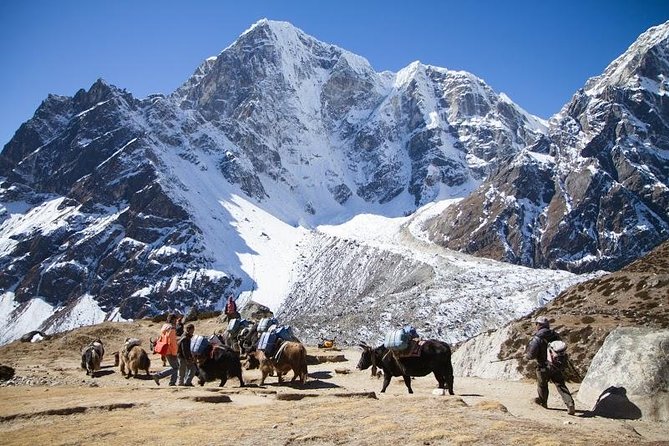
- Gorakshep to Lukla helicopter return cuts a long, exhausting descent
- Permits handled for you (Sagarmatha National Park, TIMS, Pasang Lhamu entry)
- Licensed English-speaking guide keeps the trip practical, not random
- Named cultural stops along the way: Tengboche monasteries, Namche Bazaar
- Kala Patthar sunrise opportunity for big Everest views
- Small group size (max 15) helps it feel organized on tight mountain schedules
Kathmandu warm-up: your start point at 9:00 am
Your experience begins in Kathmandu at Tribhuvan Airport, with a listed start time of 9:00 am and pickup by private vehicle. I like this detail because it means you’re not trying to figure out local transport right after landing and jet lagging.
Before you climb into the Everest region, you spend the night in Kathmandu in a 3-star hotel with breakfast. That matters more than it sounds. After days in a mountain itinerary, a real shower and a calm morning routine help your body handle the trek better.
The trip also includes a proper handoff into the trek side of life: permits, domestic flights, and guide support. In plain terms, you’re buying less stress. You’ll still deal with altitude and hiking, but the admin headache is handled.
You can also read our reviews of more hiking tours in Kathmandu
The flight to Lukla: fast access to real Everest country
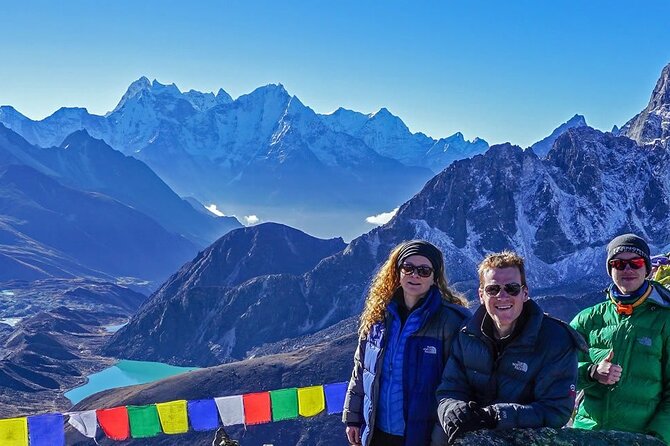
From Kathmandu, you take domestic flights to Lukla and then return later. The package includes Kathmandu/Manthali to Lukla round-trip, which is useful because it gives flexibility based on what’s operating.
Here’s the practical part I’d underline: this trek is built around the idea that you gain time by using air rather than trekking in from the lowlands. That’s why your total trip is 10 days. You can spend more time where the views and cultural stops are, and less time marching toward them.
Also, expect the experience to feel slightly “mountain-first.” Once you’re in the Lukla rhythm, things like pacing and early starts become normal, because that’s how tea house trekking in Nepal works.
Trek routing you’ll recognize: Namche, Tengboche, Dingboche
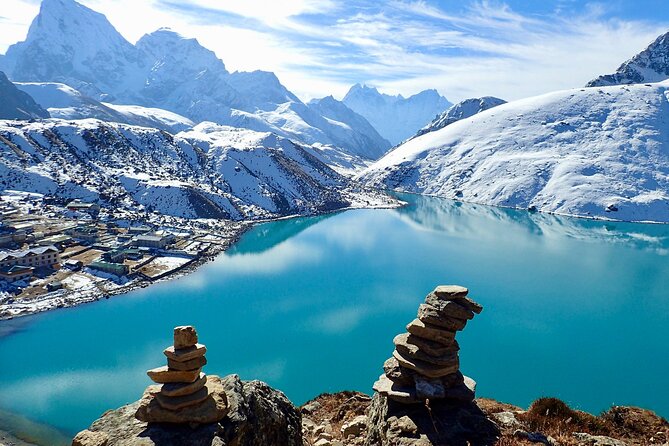
This route moves through the Everest region step-by-step: Sherpa villages, forested stretches, and the Dudh Koshi River corridor as you gradually ascend. It’s not just scenic sightseeing. This is the acclimatization style built into the classic Everest Base Camp approach: go up slowly, take in key places, and rest where it makes sense.
Namche Bazaar stop: more than a checkpoint
You’ll pause in Namche Bazaar, a major hub where the trail feels more like a town. For most trekkers, it’s where you notice the change from quiet village rhythm to a busier, more trader-and-teahouse feel. That’s also where you’ll want to stay alert: altitude makes even simple walking feel slower.
Tengboche monastery: the cultural reset
You’ll also pass through Tengboche, known for monasteries. I like this stop because it breaks the hike pattern. After hours of steps and breath control, a cultural landmark gives your brain something else to focus on besides altitude math.
Even if you only have a short time there, it helps you experience the region as living community, not just a photo line.
You can also read our reviews of more tours and experiences in Kathmandu
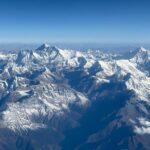
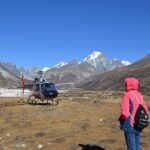
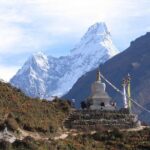
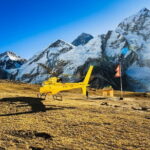
Dingboche acclimation day: where your body negotiates altitude
You’re scheduled to acclimate in Dingboche before pushing higher. This is a smart inclusion because it’s exactly where many Everest routes expect you to pause and adjust. I’d treat Dingboche as your “listen to your body” day: if you’re tired or have a headache, you don’t pretend it’s fine. The guide’s job is to keep the plan realistic for your condition, and past guest feedback strongly emphasizes that kind of attention.
Everest Base Camp and Kala Patthar: the payoff moments
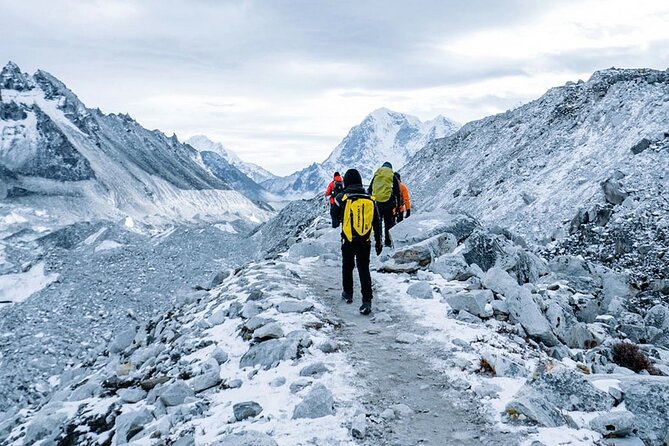
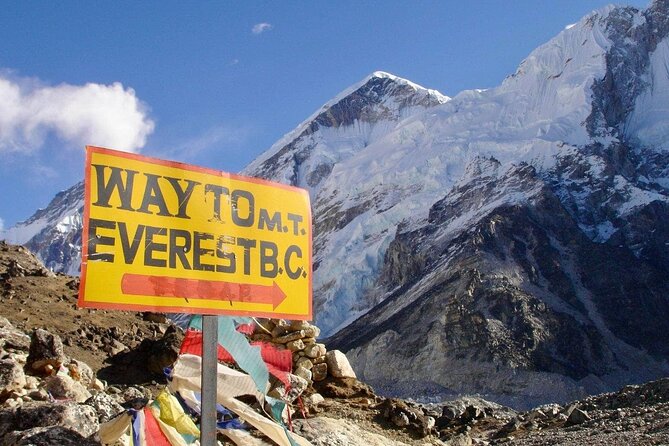
Eventually, you reach Everest Base Camp. This is the moment most people plan for, and it usually delivers. The reason it feels special is simple: it’s not just the name. It’s the concentration of people chasing the same goal, the scale of the mountains around you, and the fact that you worked for every mile of height.
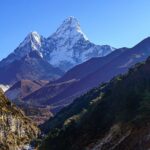
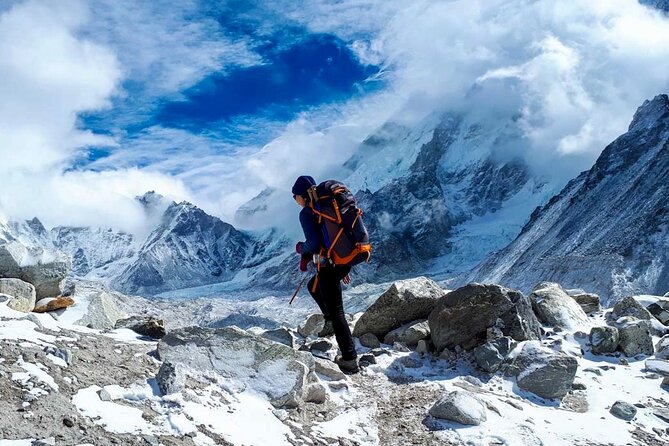
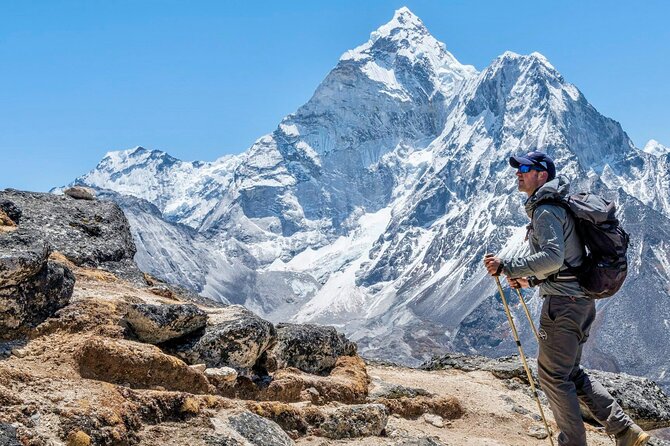
But the real “wow, I get it” add-on in this package is Kala Patthar. You hike to Kala Patthar for a sunrise view over the Himalayas. If you’ve ever wondered what trekkers mean by sunrise being different from daytime views, this is where they explain it with their photos and their quiet moments.
Practical note: sunrise hikes at altitude can be cold and tiring. This trek includes a guide and a medical kit, and that’s part of why your plan is structured the way it is. You’re not just wandering onto a ridge.
Gorakshep to Lukla by helicopter: the smart twist
Here’s the headline of this trip: after reaching Gorakshep, you take a helicopter ride from Gorakshep to Lukla.
For many trekkers, the hardest part of Everest Base Camp is the return. Even when you’re excited, going back down can still feel like a slog—your legs take a beating, and the weather can change fast. Cutting that return distance via helicopter means you’re buying energy for the final stretch instead of spending it all on descending steps.
Now, a reality check: helicopter rides require good weather. Your experience provider notes that the activity needs good weather, and if it’s canceled due to poor conditions, you’re offered a different date or a full refund. That contingency is worth respecting in your mental planning. In the mountains, the sky calls the shots.
Farewell in Kathmandu: culture on the way out
After the trek, you return to Kathmandu and end with a farewell dinner featuring Nepali cuisine plus a cultural show with traditional dance. I like this because it gives your time in Nepal a proper ending. It’s easy to treat trekking trips like they start at the airport and end at the last tea house bill. This adds a human, communal final night.
You also get time to land back in the city with less pressure. The trip includes Kathmandu hotel lodging with breakfast, so you’re not scrambling for a place to recover.
Price and value: what $799 really buys
The listed price is $799 per person, and it’s worth breaking down because it isn’t just “a guide and a trail.”
Included highlights that matter for value:
- Kathmandu 3-star hotel with breakfast
- Permits for Sagarmatha National Park, TIMS, and Pasang Lhamu entry
- Domestic flights round-trip between Kathmandu/Manthali and Lukla
- Helicopter from Gorakshep to Lukla
- Standard guesthouse lodging during the trek
- Licensed English-speaking guide
- Medical kit
- A farewell dinner with cultural show
- A starter trekking gear package: duffel bag, sleeping bag, T-shirt, map
That’s a lot of moving parts bundled together: paperwork, flights, ground logistics, and mountain support. For people who hate the mental overhead of trip planning, this type of package can feel like money well spent.
What’s not included (and you should budget for):
- Meals: lunch & dinner in Kathmandu, and all meals during the trek are not included
- Nepal visa (obtained on arrival)
- Insurance, including medical and high-altitude evacuation coverage
- Porter service (optional; the guidance suggests one porter for two trekkers)
- Personal expenses like snacks, beverages, laundry, and tips
So, is it a deal? If you were going to pay for a guide, permits, flights, and especially a helicopter anyway, then yes—this price looks like strong value for the level of logistics included. If you’re counting every dollar and want full meal inclusion, you’ll need to plan for additional costs.
Guides, pace, and why names matter
One of the most consistently praised parts of similar Everest region trips is the guide who keeps you safe and calm when the altitude turns annoying. In the supplied feedback, Ram shows up repeatedly: people describe him as experienced, patient, and supportive—someone who helps make tough days feel manageable.
You’ll also see other guide names connected with Nepal trekking trips in this same operator ecosystem, including Rupak and Dambar. I can’t promise who you’ll get, but the pattern is the same: strong English support, practical help, and attention to group condition.
That’s what you want on a route like Everest Base Camp. You don’t need a performer. You need someone who can adjust pacing, help you interpret how you’re feeling, and keep the day-to-day running without drama.
What to pack and how to think about the climb
The package includes some key trekking gear—sleeping bag, a duffel bag, a T-shirt, and a map—so you won’t be starting from zero.
Still, you should think about your own body and comfort. Altitude plus cold mornings equals a lot of small discomforts that add up. If you’re the type who’s cold easily, plan ahead. If you get blisters, you’ll want your usual hiking solutions ready. And if you’re carrying extra gear because you like to be prepared, remember that your comfort can affect your performance more than you’d expect.
Also, because meals aren’t included during the trek, you’ll want to have a strategy for how you’ll handle food and snacks each day. This is one area where trekking in Nepal rewards planning.
Who this trek fits best
This is best for you if:
- You want the Everest Base Camp experience but don’t want to spend your best energy on the most repetitive downhill days
- You value organized logistics: permits, domestic flights, guide support, and guided pacing
- You’re comfortable with moderate fitness for high altitude trekking
- You like structure and clarity, and prefer not guessing how the schedule will work
It might not be ideal if:
- You want a fully meal-inclusive deal and hate budgeting day-to-day
- You’re expecting an easy hike. Even with a helicopter return, this is still an Everest region trek.
Should you book this Everest Base Camp trek with helicopter return?
If you want Everest Base Camp with fewer headaches, I think you should seriously consider booking this. The combination of domestic flights, permit coverage, licensed guide, guesthouse lodging, and—most importantly—helicopter return from Gorakshep to Lukla is the kind of mix that turns a tough trek into a more controlled, more human experience.
Book if your goal is:
- big views, including Kala Patthar sunrise
- a classic Everest route through Namche Bazaar, Tengboche, and Dingboche
- and a finish that doesn’t punish your legs.
Hold off if:
- you don’t want to budget for meals on the trail
- or you know you can’t handle the altitude part mentally, even with support.
If you do book, treat the helicopter as a bonus that depends on mountain weather, not a guarantee of an effortless ending.
FAQ
How long is the Everest Base Camp trek with a helicopter return to Lukla?
The experience runs for 10 days approximately.
What does the helicopter ride cover?
The included helicopter ride is from Gorakshep to Lukla.
What permits are included for the trek?
The package includes permits for Sagarmatha National Park, TIMS, and Pasang Lhamu entry.
Do I need to pay for domestic flights separately?
No. Domestic flights are included as Kathmandu/Manthali to Lukla round-trip.
Is porter service included?
Porter service is optional. The guidance suggests one porter for two trekkers.
Is travel insurance included?
Insurance is not included. You must have coverage for medical and high-altitude evacuation.