REVIEW · KATHMANDU
Temples and Stupas Tour in Kathmandu Valley
Book on Viator →Operated by Royal Mountain Travel · Bookable on Viator
Three sacred stops, one smart route. This Kathmandu Valley tour strings together UNESCO sights with an English-speaking guide (on this route, guides like Ms. Deepa or Kalpana often set the tone with clear explanations). I also like the small-group size (max 10) plus air-conditioned transport, so you spend less time wrangling taxis and more time looking at what matters. One thing to keep in mind: entrance fees are not included, and there can be quieter stretches while you’re driving.
You’ll visit three signature landmarks in one 7-hour outing: UNESCO World Heritage Durbar Square, the Hindu Shiva site at Pashupatinath (where you may see a cremation scene), and the Buddhist focus of Boudhanath. It’s built for people who want structure, not a scavenger hunt.
The tour starts at 9:00 am at Royal Mountain Travel on Lal Durbar Marg in Kathmandu, and it ends back at the same meeting point. There’s no hotel pickup or drop-off, so plan to get to the start location on time (and yes, bring a little patience for morning traffic).
In This Review
- Key highlights you’ll feel right away
- How this Kathmandu Valley route saves your time
- Stop 1: Pashupatinath Temple and what “Shiva’s neighborhood” feels like
- Stop 2: Durbar Square (Patan area) where kings’ courts meet Newari craft
- Stop 3: Boudhanath Stupa and the quiet power of shared devotion
- Price and value: where $34 makes sense (and what to budget)
- The guide experience: Ms. Deepa and Kalpana as a sign of the bar
- Logistics that matter: timing, meeting point, and staying sane
- Who this tour fits (and who should look elsewhere)
- Should you book the Temples and Stupas Tour?
- FAQ
- How long is the Kathmandu Valley Temples and Stupas tour?
- What time does the tour start?
- Where does the tour start and end?
- Which places are included in the tour?
- Is the price ($34 per person) inclusive of entrance fees?
- Are food and drinks included?
- How many people are in the group?
- What’s included in the tour besides the guide?
- Is there free cancellation, and when do refunds apply?
Key highlights you’ll feel right away
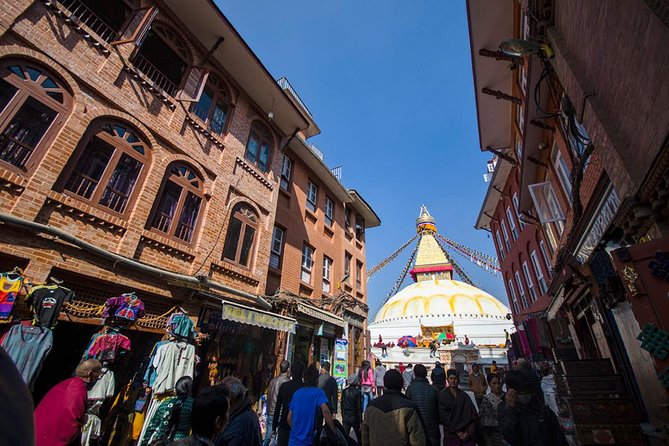
- UNESCO triple-sight program: Durbar Square, Pashupatinath, and Boudhanath in one guided route
- Pashupatinath viewing with context: you’ll learn what you’re seeing around Shiva worship and cremation practices
- Durbar Square architecture focus: time at the royal-palace courtyard world with Newari design
- Boudhanath’s cross-faith pull: Hindus and Buddhists both show deep respect there
- Max 10-person comfort: AC vehicle plus an English guide who can answer questions
How this Kathmandu Valley route saves your time
If you only have one day in Kathmandu, this tour is a practical shortcut. You get a guided route that hits three of the city’s most important spiritual and historic stops without you having to plan the logistics or bargain for transport. The day runs about 7 hours, and each stop is given roughly 2 hours, which feels just right for walking, looking around, and taking in the atmosphere without racing.
It also helps that the group is capped at 10. In a place like Kathmandu Valley, that matters: you move through crowded areas with more control, and the guide can actually check that people are together. Add the air-conditioned vehicle, and you have a reliable buffer when heat or traffic gets annoying.
One more practical note: you’re on a mobile ticket. That’s handy in the real world when you’re juggling photos, tickets, and small bits of paper. And since the tour ends back at the meeting point (no hotel pickup/drop-off), you’ll know where to go next after the last stop—no guessing, no waiting around for a separate return plan.
You can also read our reviews of more tours and experiences in Kathmandu.
Stop 1: Pashupatinath Temple and what “Shiva’s neighborhood” feels like
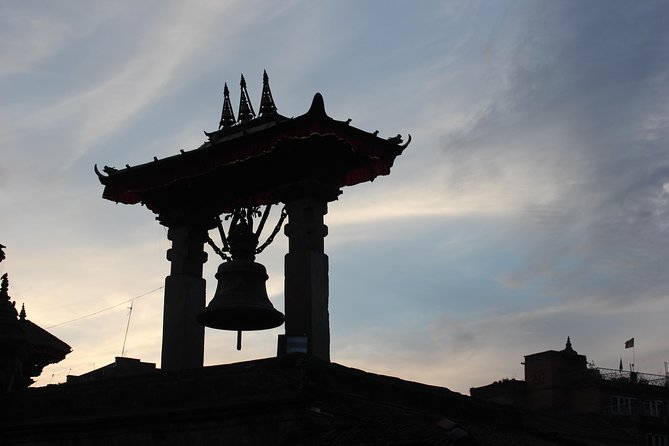
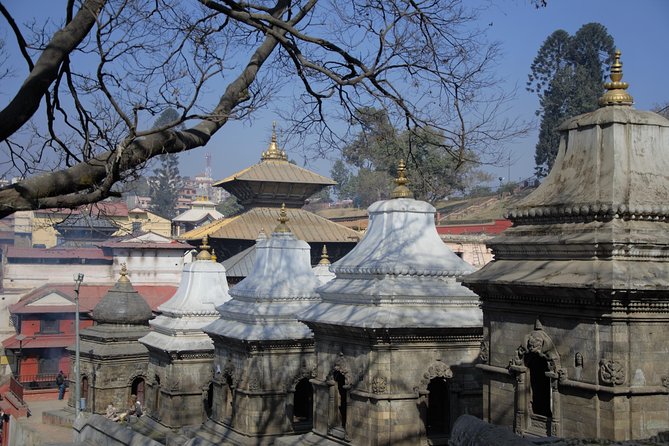
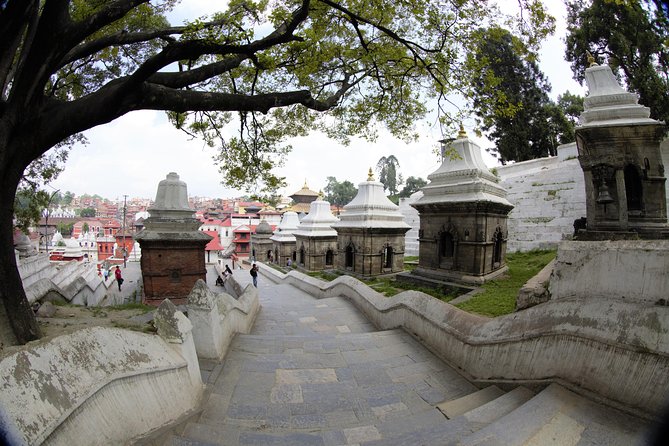
Pashupatinath Temple is dedicated to Shiva, known as the God of Destruction, and also associated with the name Pashupatinath (Lord of Animals). That framing isn’t just trivia. It helps you understand why so many people come here with such focus—this is not a casual sightseeing stop. It’s a living religious destination.
You’ll spend about 2 hours here, and entrance fees are not included. What you might notice first is the intensity of devotion: Hindu holy men in traditional dress, pilgrims moving with purpose, and the sense that people are there for spiritual reasons, not photos.
The other key point is that you may see a cremation. That can be emotionally intense, but it’s also part of how Hindu funerary practice is carried out in this sacred setting. If you’re even slightly sensitive to this kind of scene, keep your expectations grounded and stay aware of your own comfort level. The best approach is to watch quietly from an appropriate distance, let your guide explain what’s happening, and avoid turning it into a spectacle.
What I appreciate about this stop on a guided format is the context. The guide’s job here is to help you interpret what you’re seeing—especially when sights feel unfamiliar at first glance.
Stop 2: Durbar Square (Patan area) where kings’ courts meet Newari craft
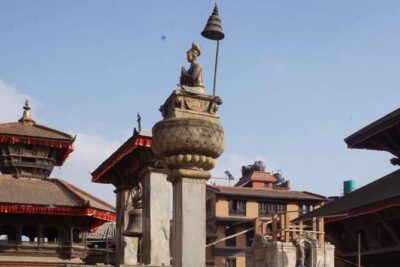
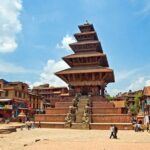
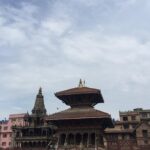
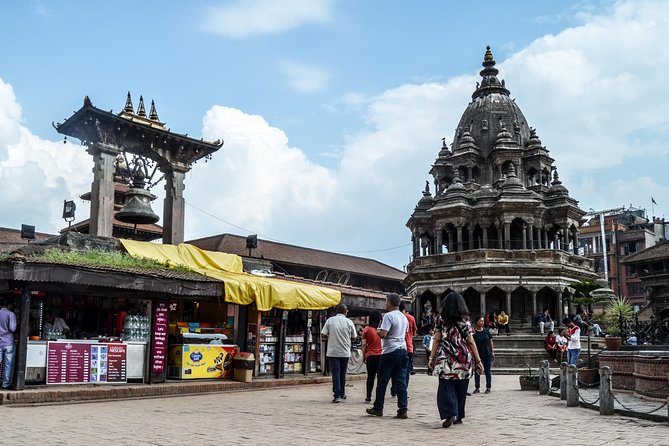
Durbar Square is where Kathmandu Valley’s royal past shows up in stone, wood, and detail. On this tour, the Durbar stop is described as Patan Durbar Square—UNESCO-listed—and it’s known for magnificent Newari architecture and historical roots. It also ties directly to the old Malla kings’ palace world, so you’re not just looking at temples; you’re walking through the stage set of power, ritual, and city life.
You’ll spend about 2 hours here. Entrance fees are not included, so budget for that if you want to go inside where applicable. The courtyard layout and surrounding structures can be easier to appreciate with a guide, because you’ll likely hear what the architectural features mean and why certain details were built the way they were.
Durbar Square is also a place where your pace matters. In busy areas, it’s easy to rush and miss the small stuff—carvings, doorframes, the way the buildings sit together, and the blend of religious and civic space. Two hours is a reasonable window: long enough to slow down, short enough that you’re not exhausted by midday.
If you’re the type who enjoys asking questions, this is one of your best moments. A guide who’s comfortable answering in plain language can turn what looks like a dense cluster of buildings into a clear story of how the city once worked.
Stop 3: Boudhanath Stupa and the quiet power of shared devotion
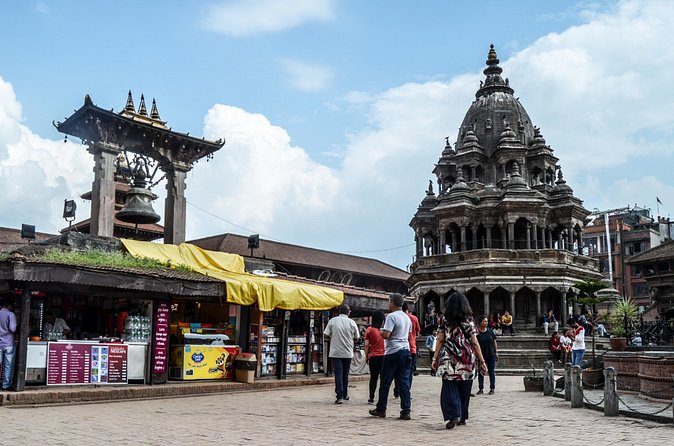
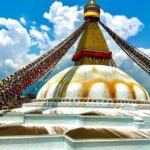
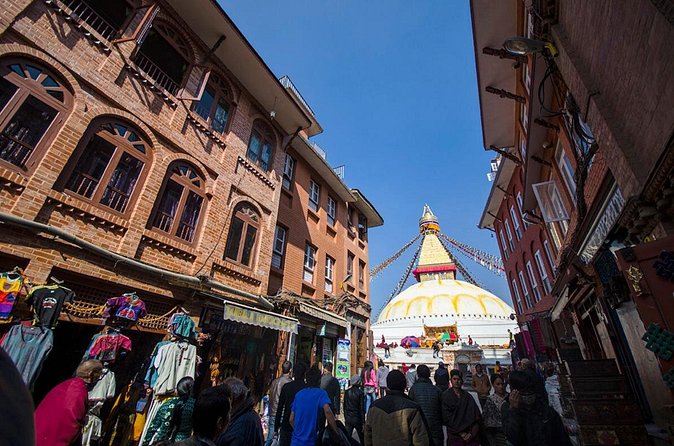
Boudhanath Stupa is one of Nepal’s holiest sites, and it has a special kind of gravity. You’ll spend about 2 hours here, and again, entrance fees are not included.
Boudhanath is Buddhist in the center of it all, but it’s also a place where Hindus in Nepal pay equal respect. That cross-faith atmosphere is one of the reasons this stop hits. You get the feeling that people aren’t just following different labels—they’re showing up for spiritual practice, community, and meaning.
What you’ll likely notice is how people move around the stupa area: steady, respectful, and focused. Even if you don’t know the language or the specific symbolism, you can still read the body language. The stupa becomes a reference point that pulls attention back to the same center, again and again.
This stop also benefits from a guide because the stupa isn’t just an object—it’s an ongoing center of worship. If you ask questions, you can often get useful answers without turning the experience into a lecture. In the best-guided version of this day, the guide keeps it practical: what you’re seeing, why it matters, and what to remember as you move on.
Price and value: where $34 makes sense (and what to budget)
At $34 per person, this is positioned as a value day trip—especially because it includes both an English-speaking guide and transport by air-conditioned vehicle. For a three-stop plan through Kathmandu Valley, that matters. It reduces the hassle cost: no negotiating multiple rides, no figuring out timing between far-flung sites, and no wasting daylight.
The trade-off is simple: entrance fees are not included. One guest noted entrance fees came to 2,000 rupees total, with 1,000 at two stops. Your total could differ depending on what’s required on the day and how you choose to explore specific areas, but the key takeaway is to plan on paying something at the sites.
Food and drinks are also not included, and there’s no hotel pickup/drop-off. So your personal budget should include lunch or snacks if you’ll need them during the day. The tour structure does keep you moving, but Kathmandu is not a place where you want to gamble on finding exactly what you need without a plan.
Overall, the value is strongest if you want guided context and minimal logistics stress. If you’re traveling ultra-budget and you already have your own transport plan, you could DIY—but you’d be giving up the time-saving structure.
The guide experience: Ms. Deepa and Kalpana as a sign of the bar
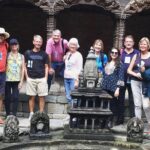
The biggest difference between a good day and a great one in Kathmandu Valley comes down to the guide. In this tour’s case, names like Ms. Deepa and Kalpana show up in the kinds of feedback people share—meaning the guidance often goes beyond checking boxes.
When the guide is at their best, you get answers in real time. You might learn how Hindu and Buddhist traditions shape what you see at each stop, and you get help interpreting details you’d otherwise overlook. One of the best parts is that strong guides tend to keep talking, not just at the stops, but when people ask questions even during breaks.
That said, there can be quieter stretches while you’re in the vehicle. If the driver and guide are speaking locally, you might not get continuous commentary. Your move: ask questions when you’re walking, and don’t assume the only explanation is scheduled like a class. If something catches your eye—ritual signs, carvings, clothing, group behavior—point it out. A good guide will usually meet you there.
Logistics that matter: timing, meeting point, and staying sane
Start time is 9:00 am at Royal Mountain Travel, Lal Durbar Marg, Kathmandu. The tour ends back at the same meeting point. No hotel pickup means you should plan your morning transport carefully—arrive early enough to settle in, use the restroom if needed, and be ready to go before the day gets moving.
The tour duration is listed at about 7 hours. With three stops, that roughly translates into about 2 hours at each site, plus driving time in between. That’s generally a comfortable pace, but Kathmandu traffic can stretch timing. Build in a little mental flexibility so you don’t feel rushed at the edges.
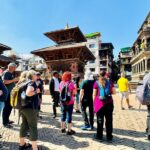
Also note the maximum group size is 10, which helps, but it still means you should follow the guide’s timing cues. Sacred sites are active and crowded. If you wander off, you risk missing the explanation that makes the stop click.
Finally, the tour is near public transportation, which can be useful for you if you’re staying close or want options after the tour ends.
Who this tour fits (and who should look elsewhere)
This is a smart fit if you want:
- A first-timer friendly introduction to Kathmandu Valley’s top sacred sites
- A structured plan that reduces taxi stress
- Context from an English-speaking guide while you walk through religious spaces
It’s also great if you like learning on the move, not just at museums.
You might want to think twice if:
- You’re hoping for a very slow, linger-all-day experience. The pacing is designed for three major stops.
- You’re very sensitive to funerary scenes. Pashupatinath may include a cremation viewing, and that can be emotionally heavy.
- You’re the type who wants constant English narration during the drive. You might get stretches with less commentary, so your best experience will come from asking questions at the stops.
Should you book the Temples and Stupas Tour?
I’d book it if you want a well-organized, single-day sampler of Kathmandu Valley’s most iconic UNESCO sights—with the practical bonus of AC transport and an English guide. At $34, the structure is the main value: you’re paying for time saved and for interpretation so you understand what you’re seeing, especially at places like Pashupatinath where the setting carries real meaning.
Skip it only if you prefer to travel completely on your own, already have easy transport lined up, or you’re not comfortable with the possibility of viewing cremation activity at Pashupatinath.
If you want a day that’s both informative and efficient, this is a strong bet.
FAQ
How long is the Kathmandu Valley Temples and Stupas tour?
It runs about 7 hours.
What time does the tour start?
The start time is 9:00 am.
Where does the tour start and end?
It starts at Royal Mountain Travel on Lal Durbar Marg in Kathmandu and ends back at the same meeting point.
Which places are included in the tour?
You visit Pashupatinath Temple, Durbar Square (described as Patan Durbar Square), and Boudhanath Stupa.
Is the price ($34 per person) inclusive of entrance fees?
No. Entrance fees are not included.
Are food and drinks included?
No. Food and drinks are not included.
How many people are in the group?
The group size has a maximum of 10 travelers.
What’s included in the tour besides the guide?
Transport is included by air-conditioned vehicle as per group size, and the tour includes an English-speaking guide.
Is there free cancellation, and when do refunds apply?
Yes, free cancellation is available. You can cancel up to 24 hours in advance for a full refund.