Birds in the Kathmandu Valley can feel surprisingly hands-on. This is a private, customizable birdwatching day that trades city noise for forested foothills and serious bird-spotting, with a local bird guide helping you pick out what’s moving (and what’s hiding).
I like that the day is built for people short on time: it’s close to Kathmandu and includes private transportation so you’re not spending your limited birding hours on traffic. I also like the focus on real targets, including Nepal’s national bird, the Himalayan monal, plus the way the guide shapes the hike to your pace.
One thing to keep in mind: this is not a meal-included day. Breakfast and lunch (and even bottled water) are on you, so plan ahead if you’re going to be out for up to about 11 hours.
In This Review
- Key highlights you’ll feel on the ground
- Entering the Shivapuri–Nagarjun world from Kathmandu
- Bird targets: Himalayan monal, spiny babblers, and raptors overhead
- A day that can run long: timing, pickups, and how to stay sane
- If your route includes Chitwan-style birding, here’s what to expect
- What you’re paying for: value at $225 per person
- Bird guide quality: what the guide names and reputations tell you
- How to pack for a long bird day in the Kathmandu hills
- Should you book Nepal Birding from Kathmandu?
- FAQ
- Where does this birding experience take place?
- How long is the tour?
- What’s the price per person?
- Is this a private tour?
- What time does the tour operate?
- What’s included in the cost?
- Are meals included?
Key highlights you’ll feel on the ground
- Private guide-led birding with field skills that go beyond spotting shapes and actually helps with identification
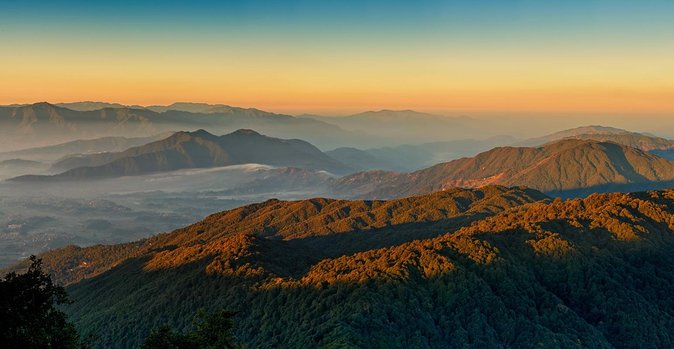
- Short-from-Kathmandu access to the forested edge of the Himalaya, so you can do serious bird time without a long trek
- Customizable route so your guide can adjust the day to your interests and your group
- Himalayan monal possibility (a great target, but still a wildlife-watching outcome)
- Strong bird diversity focus, with one itinerary example centered on Chitwan’s massive bird counts
Entering the Shivapuri–Nagarjun world from Kathmandu
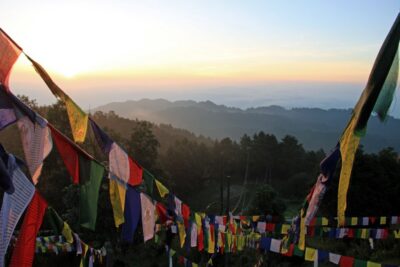
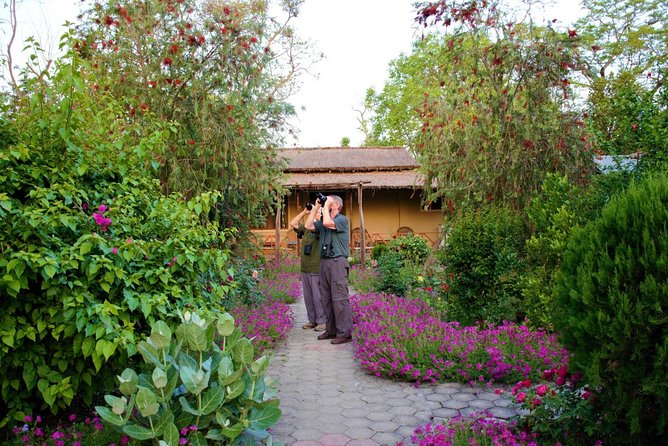
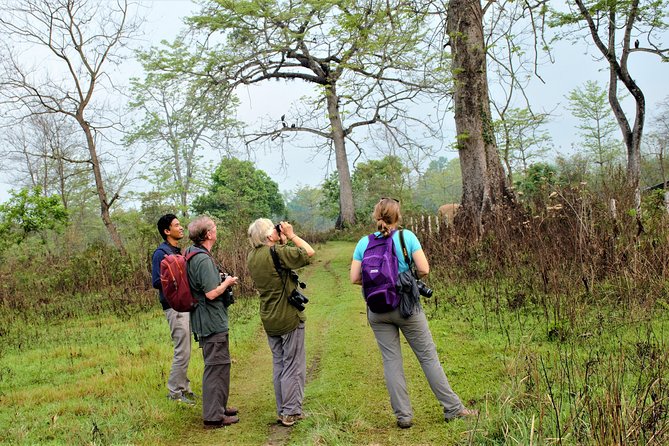
This experience is designed for an active day in nature right on the edge of the Kathmandu Valley. The main idea is a birdwatching hike in the Shivapuri Nagarjun National Park area, where forested foothills create lots of feeding and perching spots. Translation: you’re not just looking at birds from a single viewpoint. You’re moving through habitat where different species show up at different times.
And because it’s private and customizable, you’re not stuck with a generic walk. If your group wants more time scanning the canopy and understory, that’s usually the kind of day you get. If you’d rather keep a brisk pace and cover more ground, you can aim for that too. For birders, that flexibility matters, because the birds don’t follow a schedule. Neither should you.
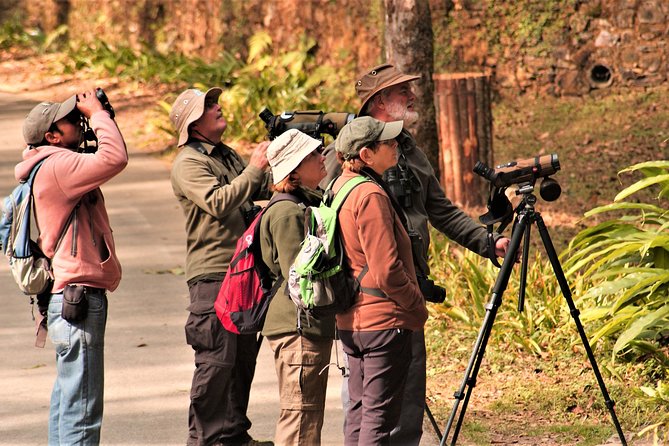
What the day feels like: expect frequent stops for checking calls and movement, plus the reality that some birds are easy and some are basically ghosts. You’ll do more “watching carefully for a long minute” than “spotting instantly.” Bring patience. Also, bring comfortable shoes, because this is a hike even when the pace is adjusted.
You can also read our reviews of more tours and experiences in Kathmandu.

Bird targets: Himalayan monal, spiny babblers, and raptors overhead
The headline bird target is Nepal’s national bird, the Himalayan monal. The honest truth is that it’s still luck-based, but having a clear goal helps your eyes train fast. When you’re scanning, you’ll notice how guides work—what wing shapes they watch, how they interpret posture, and how they use habitat cues. That kind of guidance speeds up your learning fast, even if you only catch one or two target sightings.
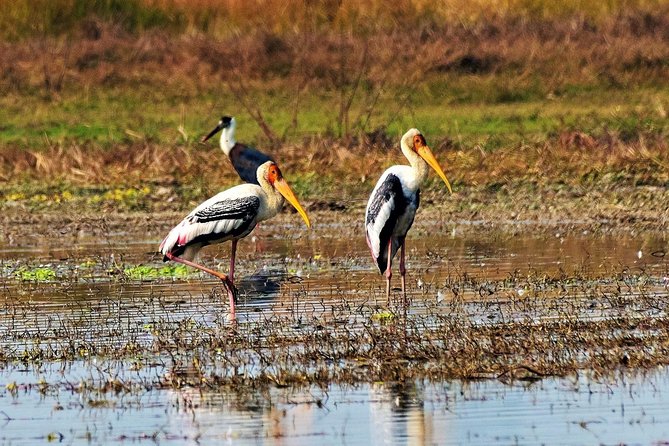
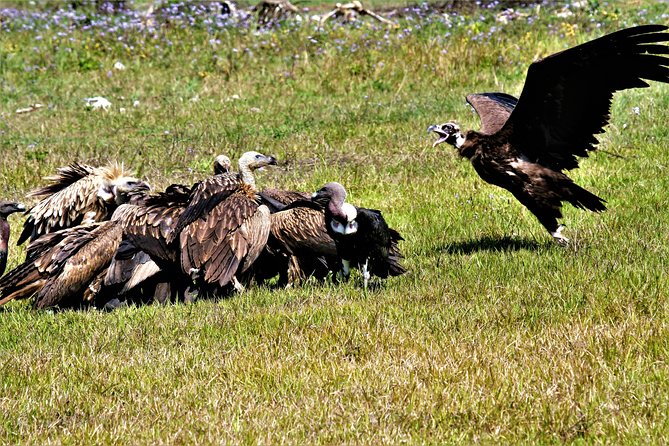
The bird list in one itinerary example points toward a park-day style of birding with high species counts. Chitwan National Park is described as hosting over 650 bird species, including 117 migratory birds, with possible sightings of birds like:
- White-backed vulture and black vulture
- Himalayan griffon and beard vulture
- Hen harrier, goshawk, sparrow hawk, and sikhra
- Common buzzard, Asian black eagle, and steppe eagle
- Kalij pheasant and a wide mix of babblers, flycatchers, and bulbuls
There’s also a standout mention of the spiny babbler as Nepal’s endemic bird. If that’s on your radar, this kind of guided birding day is one of the better ways to pursue endemics without guessing.
For you as a birder, the key value here isn’t just the list. It’s the way a guide helps you connect the bird to the moment: time of day, forest edge vs. deeper cover, call patterns, and where birds are likely to feed. Even when you don’t get the monal, you can still come home with a satisfying pile of species and a clearer mental map of what you saw.
A day that can run long: timing, pickups, and how to stay sane
The tour window runs daily (Monday through Sunday) between 7:15 AM and 3:15 PM. Duration is listed as roughly 6 to 11 hours, which basically means your day could be a focused morning birding stretch or a full “get out of the city and stay out there” outing.
If pickup is offered for your booking, that matters more than it sounds. In Kathmandu, shaving time from transportation is the difference between birding and birding fatigue. A private vehicle also helps when your guide wants to change plans based on bird activity. Birds move. Traffic doesn’t care.
Practical tip: start hungry. Since breakfast isn’t included, I recommend eating before you meet up. Then plan small snacks for later if your day stretches toward the long end. Otherwise, you’ll spend the afternoon thinking about lunch instead of warblers. (A classic mistake.)
Also, think about what you’ll do between stops. You may spend time standing and scanning. That means layers help. Even in clear weather, forested foothills can feel cooler than the city.
If your route includes Chitwan-style birding, here’s what to expect
Even though this experience is Kathmandu-based, the itinerary information includes Chitwan National Park as a birding stop option. If your day plan includes that, you’re looking at a very different feel than a quick valley-forest hike. It’s still birding, but it’s birding at scale.
That Chitwan portion is described as:
- A 10-hour birding hike-style outing
- Species-rich birding with a focus on many raptors and forest birds
- A hike with views from the top of Gadhi-Siraichuli IBA hills
- Scenic value plus local lifestyle and an elevated bird-eye view of the valley
For you, the draw is obvious: vulture and raptor sightings can be a major part of the “wow” factor in this region, and the day structure supports longer observation. The drawback is also predictable: it’s more time on the move, and you’ll want to be prepared for changing terrain and longer periods without meals included.
If you’re choosing between “near Kathmandu forest birding” and “Chitwan-style birding,” decide based on what you care about most:
- If you want convenience and fast access, the Shivapuri Nagarjun style makes sense.
- If you want maximum chance at lots of species, the Chitwan model is where the emphasis sits.
What you’re paying for: value at $225 per person
At $225 per person, the value depends on how you think about birding days. This isn’t just a guide who walks with you. It includes:
- Private transportation
- All fees and taxes
- A bird guide
- A mobile ticket (useful for check-in flow)
What’s not included is also clear: breakfast, lunch, dinner, coffee/tea, alcoholic drinks, and bottled water.
So the math is simple in your head. If you’re splitting costs with a partner or friend, the guide + vehicle combination gets even easier to justify. If you’re going solo, it still can be worth it because bird guides often save you time and frustration—you’re paying for accuracy and effort, not just a route.
One more value point: the tour is described as having admission ticket free in the itinerary example. Even if the exact park admission details vary by route, it signals that costs are handled rather than passed on mid-day. That’s good for planning.


Bird guide quality: what the guide names and reputations tell you
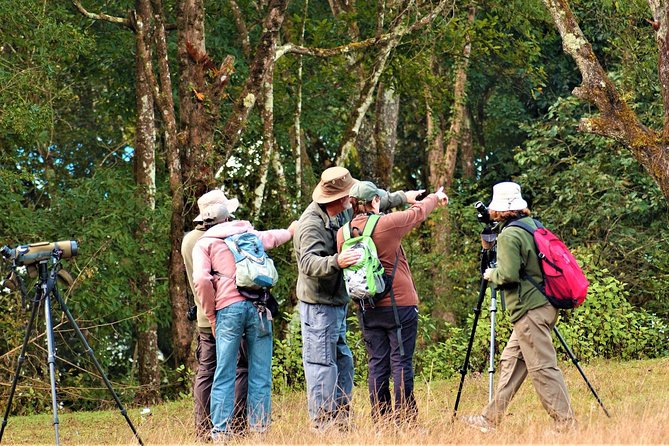
The operation behind this kind of birding itinerary is repeatedly associated with skilled local guides. Names that come up across the guide team include Bishnu Thapa and his son Krishna, plus Raju and Prem Thapa. Santa is also mentioned in connection with birding guidance.
What matters for you isn’t the names for their own sake. It’s the pattern: the guides are praised for knowing birds well and for helping people keep finding species even when a single target bird doesn’t show on the day. In other words, you’re not putting your whole trip on one moment.
One useful learning cue from that track record: guides can handle birds at different stages. That means you’re more likely to learn something real, not just watch one adult bird and then feel lost the next time you see a different plumage.
Also, punctuality and professionalism are part of why people feel satisfied with the day. For birders, that’s practical: if you’re out early, the birds you hear and see in the first hours can be very different from the ones you get later.
How to pack for a long bird day in the Kathmandu hills
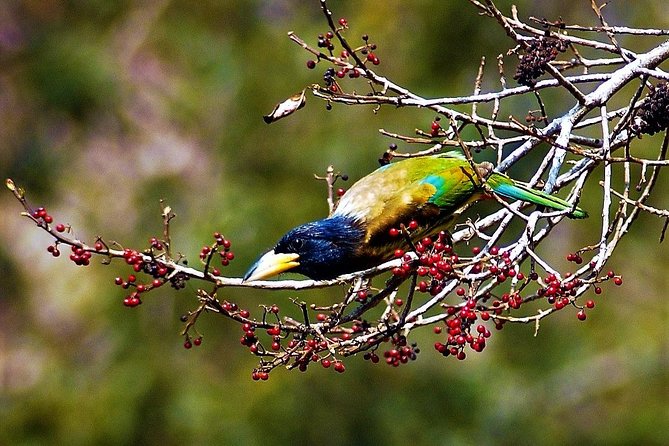
The data doesn’t list specific gear provided, so assume you’ll need your own basics. The overview even nudges you to grab a pair of binoculars. If you don’t have them, this is the moment to borrow or buy a reliable pair before you go—birding with weak optics is like hiking with one shoe.
Here’s what I’d bring, with the goal of being comfortable for 6 to 11 hours:
- Binoculars (and a lens cloth)
- Comfortable hiking shoes
- A light rain layer (mountain weather changes fast)
- A small snack stash since meals aren’t included
- Water from your own supply (bottled water isn’t included)
Fitness note: most travelers can participate. That doesn’t mean it’s flat and easy. It means the guide should be able to adapt the hike to your group. Still, bring the expectation of walking, stopping, and scanning for long stretches.
If you tend to get cold while standing still, bring a layer for your torso and hands. If you overheat easily, dress in breathable layers and keep your extras accessible.
Should you book Nepal Birding from Kathmandu?
Book it if you want a private birding day with a guide who can help you identify what you’re seeing, and you like the idea of a nature break near Kathmandu rather than a multi-day trek. It’s a strong fit for:
- Birders with limited time in Nepal
- People who want a guided hike where the guide handles the bird-spotting logic
- Travelers who care about seeing a lot of species, not just taking scenic photos
Think twice if you:
- Don’t want to manage meals, snacks, and water yourself
- Prefer casual sightseeing with minimal walking
- Need guaranteed sightings of a specific species like the Himalayan monal (wildlife never gives guarantees)
If you do book, the best way to get value is simple: tell your guide what you care about most at the start of the day (targets, bird types, and your pace). Then let the rest be wildlife. That’s the deal, and it’s also the fun part.
FAQ
Where does this birding experience take place?
It’s based in Kathmandu and focuses on birdwatching in Shivapuri Nagarjun National Park on the edge of the Kathmandu Valley. The itinerary information also includes Chitwan National Park as a birding stop option.
How long is the tour?
The duration is listed as approximately 6 to 11 hours.
What’s the price per person?
The price is $225.00 per person.
Is this a private tour?
Yes. It’s a private tour/activity, and only your group participates.
What time does the tour operate?
It runs Monday through Sunday from 7:15 AM to 3:15 PM.
What’s included in the cost?
Included items are private transportation, all fees and taxes, and a bird guide.
Are meals included?
No. Breakfast, lunch, dinner, coffee and/or tea, and bottled water are not included.