REVIEW · KATHMANDU
Momo Making Class in Kathmandu with Pickup & Drop off from Hotel
Book on Viator →Operated by Relax Getaways · Bookable on Viator
Momo dough teaches patience fast. This Kathmandu cooking class mixes a guided market tour with hands-on momo training, so you don’t just cook—you also shop like locals. You start in the Thamel area at Kathmandu Cooking Academy and finish back where you began, fed and proud of your dumplings.
I especially like two things. First, you choose your filling ingredients as part of the process, so the class starts with real decisions—not just following steps. Second, you get coaching on the dough and filling from scratch, then you shape and cook your momos in the style you prefer.
One thing to consider: this is a tight 2-hour class in a small group setting (max 10). If you want a super slow, question-every-minute experience, you may feel the clock a bit.
Key momo lesson from the start: shop with purpose, then cook with confidence.
Guided market tour: pick fresh ingredients for your filling option.
Hands-on dough coaching:** learn how to make the dough and filling from scratch.
Choice of styles:** traditional steamed momos or soup momo.
Included tasting and tea:** eat what you made with complimentary Nepali masala tea.
Small group size: keeps the pace friendly and personal.
In This Review
- Why This Momo Class Works Better Than a Basic Cooking Tour
- Price and Logistics: $29, a 1 PM Start, and Optional Pickup
- Meeting at Kathmandu Cooking Academy (Thamel)
- The Market Tour: Where Your Momo Starts Before the Cooking
- Back to the Academy: Dough and Filling From Scratch
- Shape, Steam, or Soup Momo: Choose Your Style
- Tasting Your Momo With Nepali Masala Tea
- What the Small Group Size and Flexibility Actually Change
- Who Should Book This (and Who Might Skip It)
- Should You Book This Kathmandu Momo Making Class?
- FAQ
- How long is the momo making class?
- What time does the class start?
- Where does the class take place?
- Is hotel pickup and drop-off available?
- What filling options can I choose?
- Is food included?
- What is the cancellation policy?
Why This Momo Class Works Better Than a Basic Cooking Tour
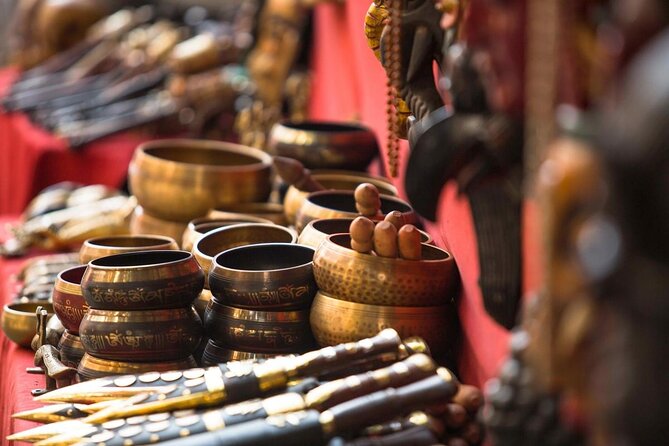
If you’re coming to Kathmandu for food, this kind of class is a smart move because it teaches the “why,” not just the “what.” The market tour comes first, so you connect ingredients to technique right away. You see what fresh staples look like before you start mixing, shaping, and steaming.
I also like that the teaching is practical. You’re not just watching someone else work. The class is hands-on, and the instructor walks you through making the dough and filling step-by-step. That matters in momo-making because the dough texture and filling balance are where dumplings can turn from good to great.
The experience also feels flexible. One of the stronger signals from real feedback is that you can make specific requests that suit your needs. That’s not a small thing in a cooking class—momo dough and fillings are personal, and people learn best when they can steer the session.
Price and Logistics: $29, a 1 PM Start, and Optional Pickup
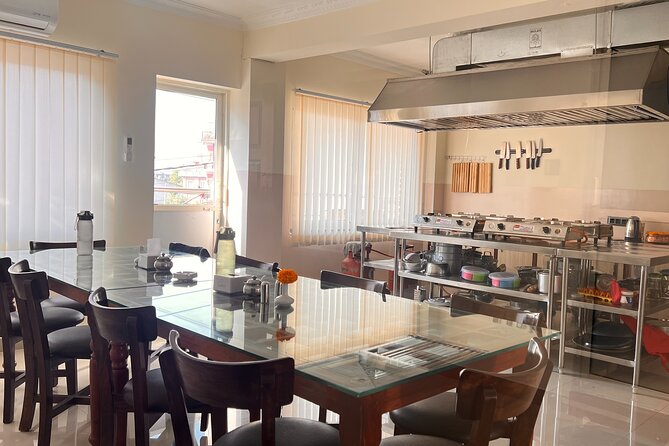
For $29 per person (about a two-hour block), you’re paying for more than the cooking time. The cost covers a guided market tour, expert instruction, all cooking equipment, and a tasting session with complimentary Nepali masala tea. In other words, you’re not just buying dinner—you’re buying the skills and the ingredients education that leads to dinner.
You also have a built-in time plan. The class starts at 1 PM, which is great if you want to avoid a morning rush and still have the rest of your day free afterward. The meeting point is Kathmandu Cooking Academy in the Thamel area, and the activity ends back at the same place.
Hotel pickup and drop-off within Kathmandu Valley is optional. If you’re staying in the valley, that convenience can be worth it because Thamel traffic can be unpredictable. If you’re not in the valley, you should plan on meeting at the academy.
Small groups help here. The class caps at 10 travelers, which typically means more attention while you’re working with dough and learning how to shape properly.
You can also read our reviews of more tours and experiences in Kathmandu
Meeting at Kathmandu Cooking Academy (Thamel)
You’ll meet at Kathmandu Cooking Academy, the Nepali cooking class location in Thamel (Yapikhya Marg, Kathmandu 44600). This matters because Thamel is where many visitors naturally base themselves. You’re not crossing the city for a class you could’ve taken closer to where you already are.
The format is simple: meet the local expert chef, get oriented, then move into ingredients selection. Expect a straightforward start where you’ll begin learning quickly—this isn’t a long lecture before your hands get busy.
The Market Tour: Where Your Momo Starts Before the Cooking
The class begins with a guided market tour so you can choose fresh ingredients for your momo filling. You’ll be guided through the local food scene, and you’ll select ingredients based on the option you prefer—vegetarian, vegan, or chicken.
That ingredient-choice step is one of the biggest values of this experience. You’re learning the practical reality of momo: good dumplings start with the right basics. Even if you don’t remember every ingredient name later, you’ll walk away with a feel for what fresh supplies look like and how they connect to flavor.
It’s also a great way to get context while you’re still early in the afternoon. Markets are where Nepal’s food culture is easiest to read with your own eyes. You’ll likely notice how people shop with purpose—buying for cooking, not for show.
A small consideration: market time can make the schedule feel a little more “active” than a cooking class that starts in a kitchen. If you have a sensitive stomach or strong walking discomfort, plan accordingly.
Back to the Academy: Dough and Filling From Scratch
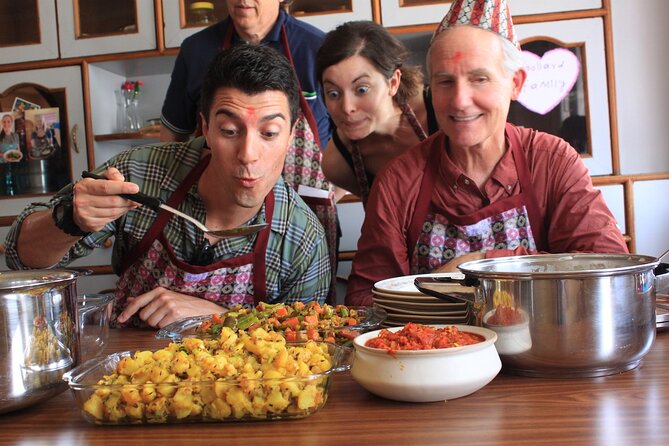
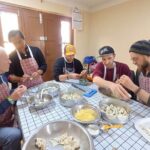
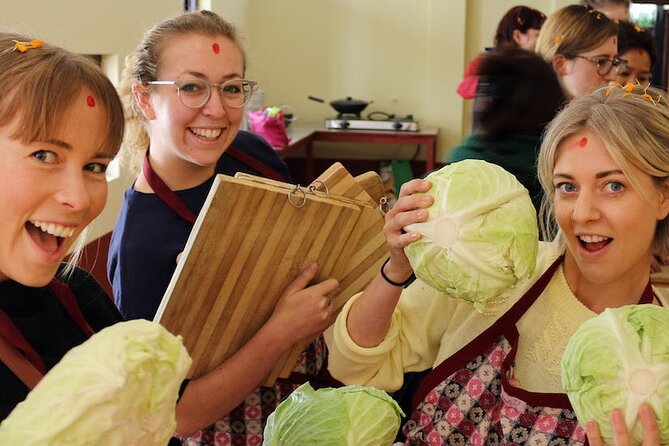
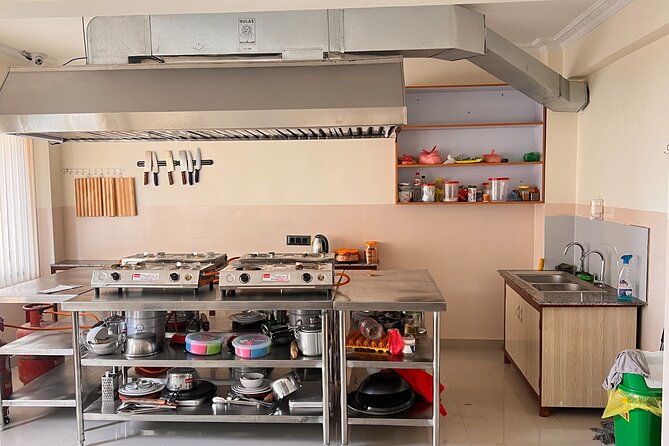
Once you’re back at the cooking academy, you shift from selecting ingredients to making the core of the momo. The instructor guides you step-by-step through preparing the dough and filling from scratch.
This part is where you gain the most transferable skill. Many food tours show you the final product, but a momo class can teach you the mechanics:
- Dough texture and handling
- How filling is assembled and portioned
- How shaping affects cooking and bite
You also get hands-on practice with the equipment and accessories provided. That’s a practical benefit if you’re not traveling with kitchen gear and you don’t know what tools momo makers actually use.
I like that the instruction is suited to different skill levels. You don’t need to be a home cook to follow along. The class is designed as a guided learning experience, not a test.
Shape, Steam, or Soup Momo: Choose Your Style
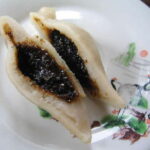
After dough and filling, you’ll shape your dumplings and decide how you want to cook them. You can make traditional steamed momos or the unique option of soup momo.
This choice makes the class feel less like a one-size-fits-all workshop. You get to match your preferences. If you like a classic dumpling plate, steamed momos are your route. If you prefer something warmer and more broth-centered, soup momo is the fun twist.
Either way, your shaping work matters. The instructor’s guidance helps you learn a consistent form so the dumplings cook properly and hold their filling. When you see your own momos steam up (or rest in soup), that’s when the lesson sticks.




Tasting Your Momo With Nepali Masala Tea
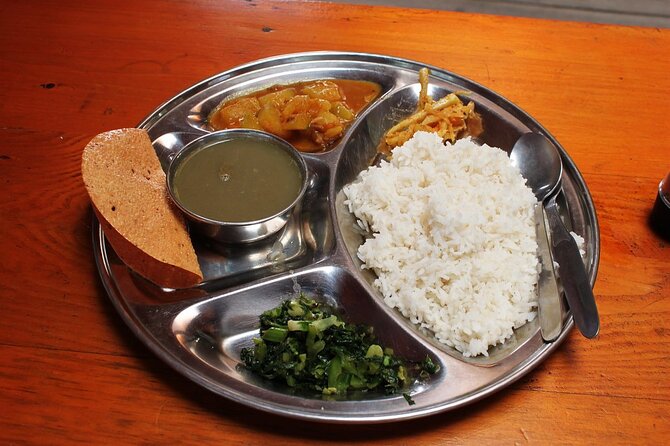
You don’t just cook and walk away. There’s a tasting session of the momos you prepared, plus complimentary Nepali masala tea.
This is where you get feedback instantly. Taste your dumplings while they’re fresh, and you’ll understand what to adjust next time. Too bland? Maybe next round you’d tweak seasoning. Dough too thick or too thin? You’ll remember how it felt when you worked it.
The masala tea is a nice finishing touch. It’s included, so you don’t have to hunt for a drink afterward or pay extra just to round out the experience. For many people, that makes the $29 feel more like a full, satisfying value deal rather than a short class that ends with empty hands.
One note: specialty or alcoholic drinks aren’t included, so if tea isn’t your thing, plan to purchase alternatives separately.
What the Small Group Size and Flexibility Actually Change
With a maximum of 10 travelers, this class doesn’t feel like a factory line. You’re more likely to get help when your dough sticks or your folds don’t look quite symmetrical yet. That matters because momo-making is very hands-on.
The feedback around the experience also points to flexibility. One of the standout comments is that you can make specific requests that fit your needs. That could mean dietary preference guidance, helping you handle a technique you’re unsure about, or tailoring how you approach the filling. Either way, it signals that the instructor isn’t strictly rigid—learning seems to be the goal.
Also, if you’re curious about how seriously the provider cares about the experience, there’s a real human touch in their communications. Relax Getaways team member Kushal Baniya responded to a five-star compliment with thanks and hopes to see the guest again. That kind of response doesn’t prove everything, but it does suggest the company checks in and values feedback.
Who Should Book This (and Who Might Skip It)
You’ll likely love this class if you:
- Want a hands-on Kathmandu food experience, not just a tasting
- Prefer learning a repeatable skill (momo dough and filling methods)
- Like the idea of starting with a market tour and ending with what you made
- Want a small-group cooking session at a reasonable price
You might skip it if:
- You want a longer cooking course where you can master every step slowly
- You’re not comfortable with walking in a market setting
- You hate structured time blocks (because the class is about two hours total)
Should You Book This Kathmandu Momo Making Class?
If you want Kathmandu food that feels real and practical, I think this is an easy yes. For $29, you get ingredients selection, expert coaching, equipment support, and a tasting that includes complimentary Nepali masala tea. That’s strong value for a short afternoon activity, especially in a city where “food experiences” can sometimes be overpriced and hands-off.
Book it if you’re the type of traveler who likes to leave with something you can actually do again at home. The best souvenir here isn’t a photo—it’s the memory of how the dough felt in your hands and how the filling came together.
Only hesitation: it’s a compact class. If you crave lots of free time, take this as a focused skill session, not a leisurely day. For most people, that focus is exactly what makes it worthwhile.
FAQ
How long is the momo making class?
The class runs for about 2 hours.
What time does the class start?
It starts at 1 PM.
Where does the class take place?
It starts at Kathmandu Cooking Academy in Thamel (Yapikhya Marg, Kathmandu 44600) and ends back at the same meeting point.
Is hotel pickup and drop-off available?
Hotel pickup and drop-off within Kathmandu Valley is optional.
What filling options can I choose?
You can choose between vegetarian, vegan, or chicken options.
Is food included?
Yes. There is a tasting session of the momos you prepare, plus complimentary Nepali masala tea.
What is the cancellation policy?
You can cancel for a full refund if you cancel at least 24 hours before the experience’s start time. If you cancel less than 24 hours before, the amount you paid won’t be refunded.