REVIEW · KATHMANDU
Kathmandu: 6-Day Limitless Langtang Trek
Book on GetYourGuide →Operated by Himalayan Nomad Treks Pvt. Ltd. · Bookable on GetYourGuide
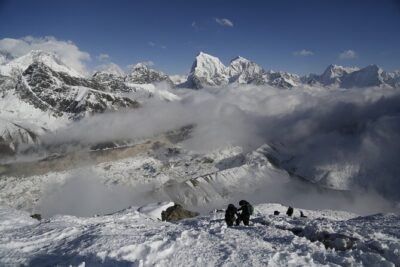
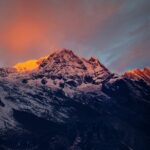
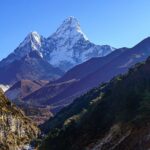
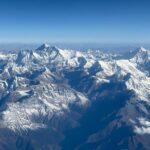
Langtang feels quieter than most Himalayan treks. This 6-day walk through the Langtang Valley mixes Tamang village life with monastery stops, and I like that the route is built for real first-timers and not just hardcore hikers, especially when guides like Niraj keep the plan clear. Along the way, you get river forests, pine-scent air, and big mountain walls that make your photos look like you did more than you actually did.
I really like how the trek threads culture into the days, not as a side quest. Kyanjin Gompa is where the day turns spiritual: monasteries, a cheese factory, and time to talk with friendly locals instead of rushing past everything. And I like the practical support: guides such as Bipin, Mahesh Aryal, and Dipesh are repeatedly praised for being attentive, safety-focused, and genuinely helpful with pacing and questions.
One consideration: this isn’t a flat stroll. Even though the trek is described as moderate, you should be ready for long hiking days on steep paths, and the higher Kyanjin Ri viewpoint can be a tough pull at altitude.
In This Review
- Key highlights at a glance
- Why This Langtang Trek Fits a “Real Himalaya” Schedule
- Price and Logistics: What $181 Really Buys (and What It Doesn’t)
- Day 1: Kathmandu to Pahiro—Road Time, Then Forest Steps
- Day 2: Pahiro to Ghoda Tabela—Villages, Waterfalls, and a Steady Climb
- Day 3: Ghoda Tabela to Kyanjin Gompa—Cheese Factory, Monasteries, Tamang Life
- Day 4: Kyanjin Gompa to Thangsyap—Kyanjin Ri Viewpoint and the Optional Challenge
- Day 5: Thangsyap to Syabrubesi—Descending With Real Recovery Time
- Day 6: Syabrubesi Back to Kathmandu—From Mountain Silence to City Noise
- Tamang Culture and Sacred Stops: What to Pay Attention To
- Guides and Pace: Why Support Made the Biggest Difference
- Packing for High Altitude Nights (and That Surprise Cold)
- Who Should Book This Trek (and Who Should Skip It)
- Should You Book the 6-Day Langtang Trek?
- FAQ
- What is the duration of the Kathmandu: 6-Day Limitless Langtang Trek?
- Where does the trek take place?
- How much does the trek cost?
- What is the highest point on the route?
- What are the main daily stops and elevations?
- Is Kyanjin Ri included for everyone?
- Are meals included in the price?
- What’s included in the trek package?
- What is not included?
- What should I bring for the trek?
- Is the trek suitable for pregnant women?
Key highlights at a glance
- Tamang culture built into the route, especially around Kyanjin Gompa
- Kyanjin Gompa stops with monasteries and a cheese factory moment
- Optional Kyanjin Ri ascent to ~4,770m for huge views (and sunrise when timed right)
- Forest-and-river mornings early on that help you warm up slowly
- Guide support that feels personal, with names like Niraj, Bipin, Mahesh Aryal, Dipesh, and Ghanshyam showing up in real feedback
Why This Langtang Trek Fits a “Real Himalaya” Schedule
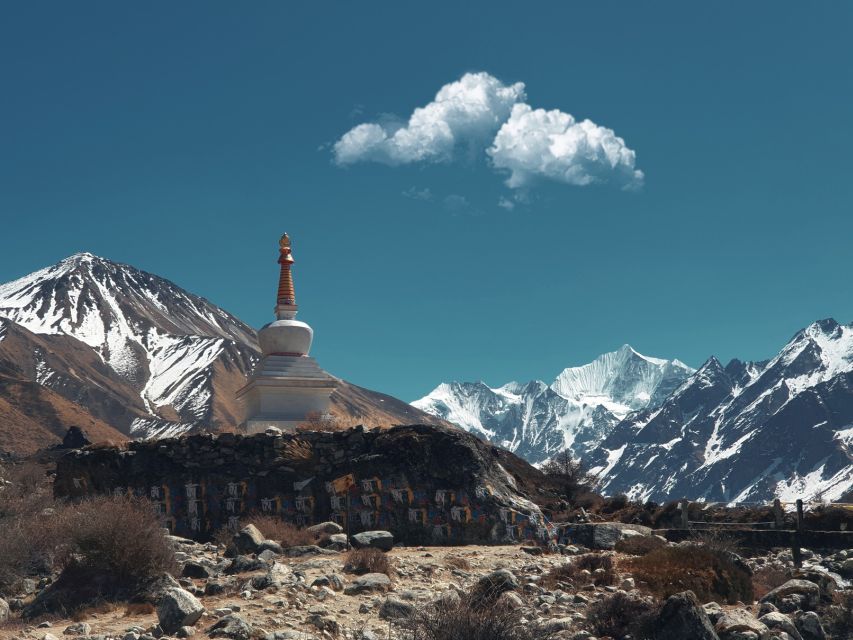
Langtang Valley is one of those places where the mountains feel close, but you don’t need a week of mountaineering training. In just six days, you travel from Kathmandu out to Syabrubesi and into a quieter world of monasteries, high villages, and glacial valleys.
The best part is that the experience is designed to feel “Himalaya” without requiring a super-technical skill set. You’re hiking, yes—but the plan also gives you time at key stops so you’re not just counting switchbacks all day. If you want mountain air, local life, and spiritual calm all in one trip, Langtang hits that mix.
Also, it’s a strong pick if you’re trying to dodge the busiest-feeling routes. This trek is described as rewarding yet moderate, with the chance to experience mountain living without crowd pressure.
You can also read our reviews of more hiking tours in Kathmandu
Price and Logistics: What $181 Really Buys (and What It Doesn’t)
The listed price is $181 per person for a 6-day trek. That price matters most because it wraps up the costly “paperwork + local backbone” parts: trekking permits, the TIMS fee (Trekkers’ Information Management System), and government tax are included. You’re also covered for a guide and private comfortable accommodation for five trek nights.
Another value point: you get transportation as per the itinerary (shared bus/transport based on group size), plus hotel pickup and drop-off. You also have a luggage storage facility, which is handy when you’re packing layers and trying not to lug extra items around.
What you should budget separately:
- Meals: included only for Full Package; otherwise, you’d pay for food on your own.
- Porter: guide is included, but porter cost is described as extra.
- Travel and rescue insurance: not included.
- Personal expenses like phone calls, laundry, bottle/boiled water, shower, and battery recharge.
If you’re thinking about value, the question isn’t only what you pay—it’s how much coordination you avoid. This is set up so you can focus on walking, breathing thin air, and learning your surroundings, not arranging permits and logistics on the fly.
Day 1: Kathmandu to Pahiro—Road Time, Then Forest Steps
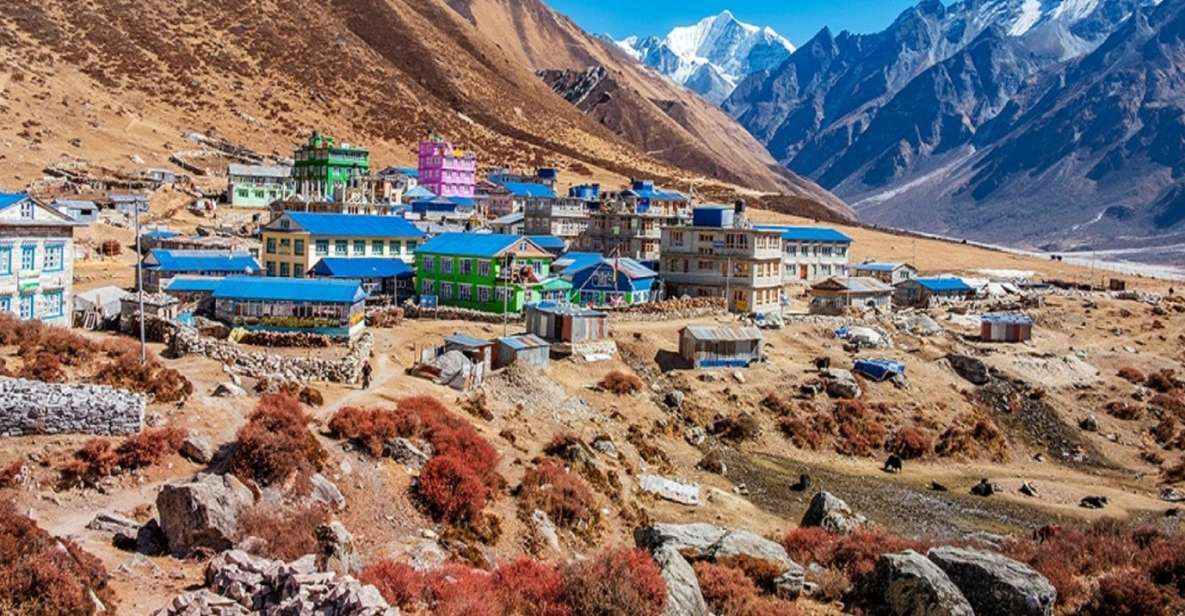
Day 1 starts with a 6-hour drive from Kathmandu toward Syabrubesi. You’re traveling winding mountain roads, following the valley rhythm, and that long drive is part of the story. It’s the gradual shift from city heat and noise into river valleys and pine and stone.
Then you get a short trek—about 2 hours—through forest as you follow a Langtang river to reach Pahiro (1,550m). This is a good warm-up day. You’ll feel tired, but it’s not the day that crushes your legs.
What to watch for on Day 1:
- You’ll likely be adjusting your layering system constantly.
- Pace matters more than speed. Keep it easy early so you don’t gamble your energy for Day 2.
Overnight is in Pahiro, so you wake up in a mountain setting instead of thinking about where to store stuff. That’s also why luggage storage matters; it helps you carry what you need without turning every stop into a chore.
Day 2: Pahiro to Ghoda Tabela—Villages, Waterfalls, and a Steady Climb
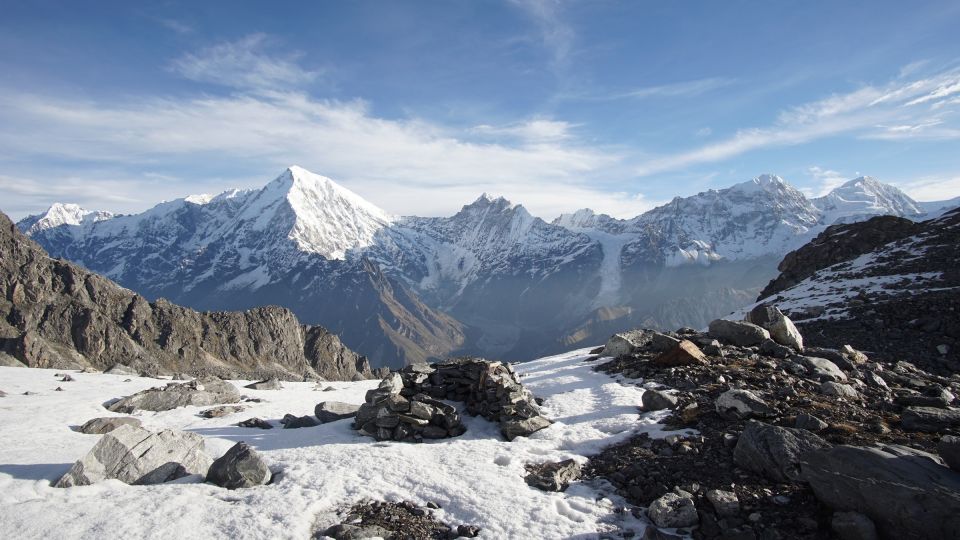
Day 2 brings the most classic “Langtang walking” feel: about 6 hours of trekking to reach Ghoda Tabela (2,900m). The route is described as a mix of lush forest, village passes, and cascading waterfalls.
This is the kind of day where you’ll notice how the trekking rhythm becomes your mental schedule. Stop when you need water. Take small breaks often. Don’t treat it like a time trial.
The overnight in Ghoda Tabela matters too. You’re building altitude day by day without skipping everything straight to high camps. For first-time trekkers, that gradual climb is the difference between feeling scared and feeling in control.
Day 3: Ghoda Tabela to Kyanjin Gompa—Cheese Factory, Monasteries, Tamang Life
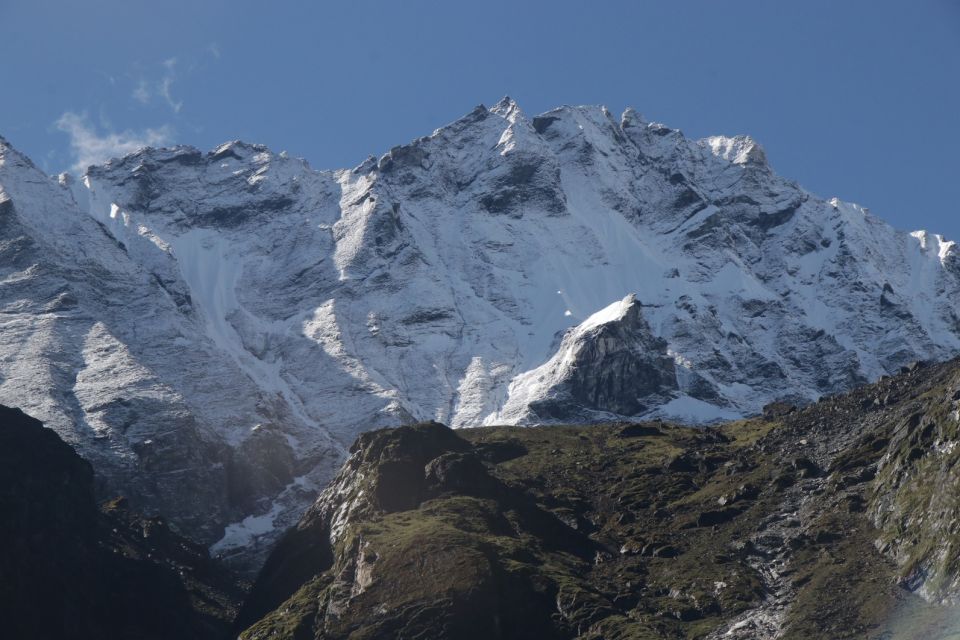
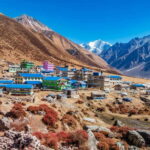
Day 3 rises to Kyanjin Gompa (3,870m), and this is where the trek stops being only about the walk and starts being about place. You’ll get breathtaking mountain views and time to meet the Tamang community, which is known for warm hospitality.
One specific stop people value here is the cheese factory. Even if cheese isn’t your main motivation, it’s a real window into how people live up high and make daily life work in thin air. It’s also a conversation starter, which is usually the best kind of travel souvenir.
You’ll also visit monasteries and spend time in the village atmosphere. If you’re the type who likes slow moments—listening to how the place sounds, watching how people move, noticing the spiritual setting—this is your day.
Why Day 3 hits so well:
- You get culture and spiritual space alongside big scenery.
- The atmosphere feels more human-scale than most “look at the mountain” days.
- You get a chance to ask questions without being rushed onward.
Overnight stays in Kyanjin Gompa. At this altitude, evenings can cool fast, so plan on settling in early with warm layers.
You can also read our reviews of more tours and experiences in Kathmandu
Day 4: Kyanjin Gompa to Thangsyap—Kyanjin Ri Viewpoint and the Optional Challenge
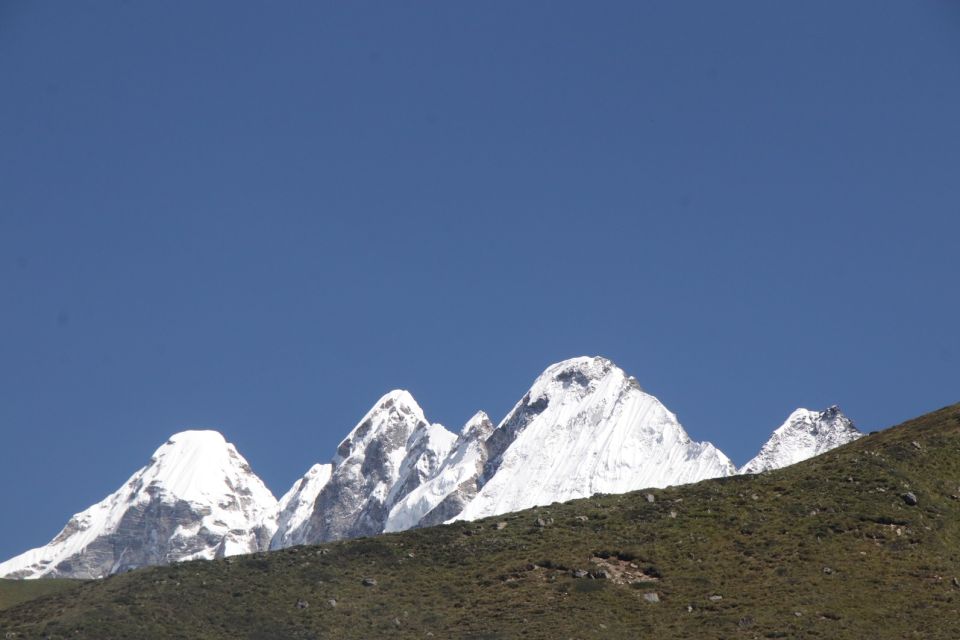
Day 4 is the “choose your effort” day. You go from Kyanjin Gompa toward Thangsyap (3,200m), but first you trek up to Kyanjin Ri (around 4,770m).
The itinerary notes this ascent as optional, and you should treat it that way. If you’re feeling strong, the viewpoint pays off with panoramic views. If altitude or fatigue is pushing your limits, you can still enjoy the day’s glacial-valley calm without forcing the climb.
This is also where the reviews made one thing clear: people who felt supported by guides were more likely to reach the summit goal. That includes feedback around guides like Niraj and Mahesh Aryal helping with pacing and checking in, which you’ll feel most on a day like this.
After the peak, you trace back and return to Thangsyap. The descent can feel tough on your knees, but it’s also mentally satisfying—you’ve earned your view, then you get to exhale.
Day 5: Thangsyap to Syabrubesi—Descending With Real Recovery Time
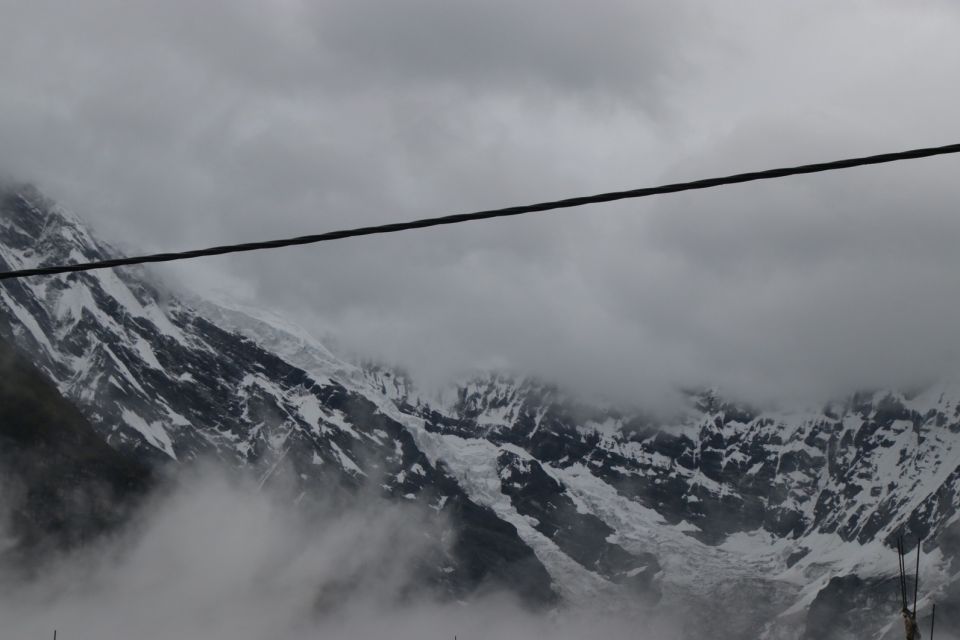
Day 5 takes you back down to Syabrubesi (1,550m). That altitude drop is big enough that you’ll feel it. Your legs may still complain, but breathing gets easier and the walk feels more like recovery than struggle.
The itinerary frames this as a descending day along the scenic trail beside the Langtang river. That’s a welcome change after higher villages and thinner air. It’s also a good time to slow down, enjoy the return light, and take photos without the pressure of “we must get up there.”
Overnight in Syabrubesi gives you a proper landing. By now you’re probably mentally writing your own trip recap—where you got quiet, where you got tired, and what surprised you most.
Day 6: Syabrubesi Back to Kathmandu—From Mountain Silence to City Noise
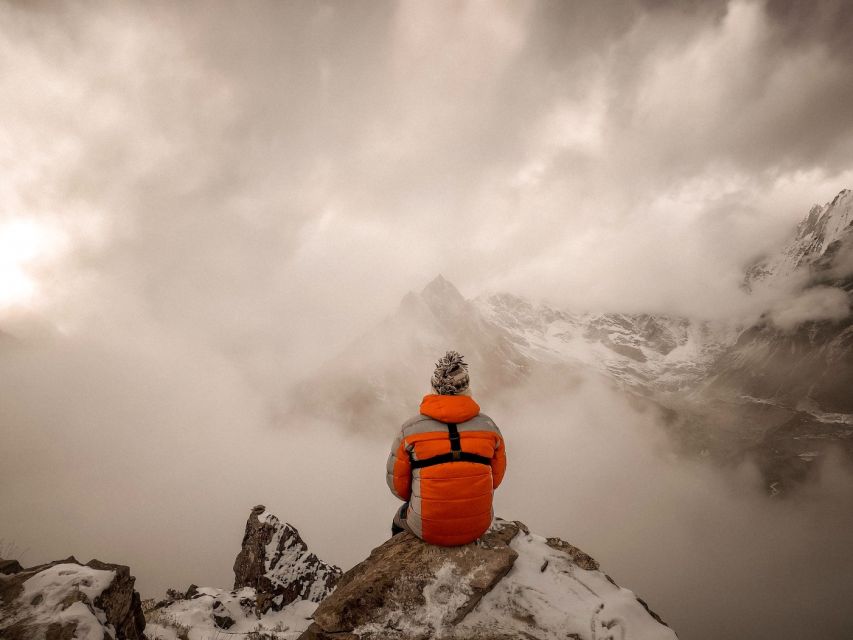
On Day 6, you drive back to Kathmandu by shared bus/transport. The experience shifts fast: after days of walking rhythms and mountain air, you’ll be back in the world of schedules and traffic.
Still, the drive is a good decompression. You can sit, review the week, and watch the terrain change gradually. Then you arrive in Kathmandu with that familiar trekking feeling: proud, tired, and already thinking about your next hike.
Tamang Culture and Sacred Stops: What to Pay Attention To
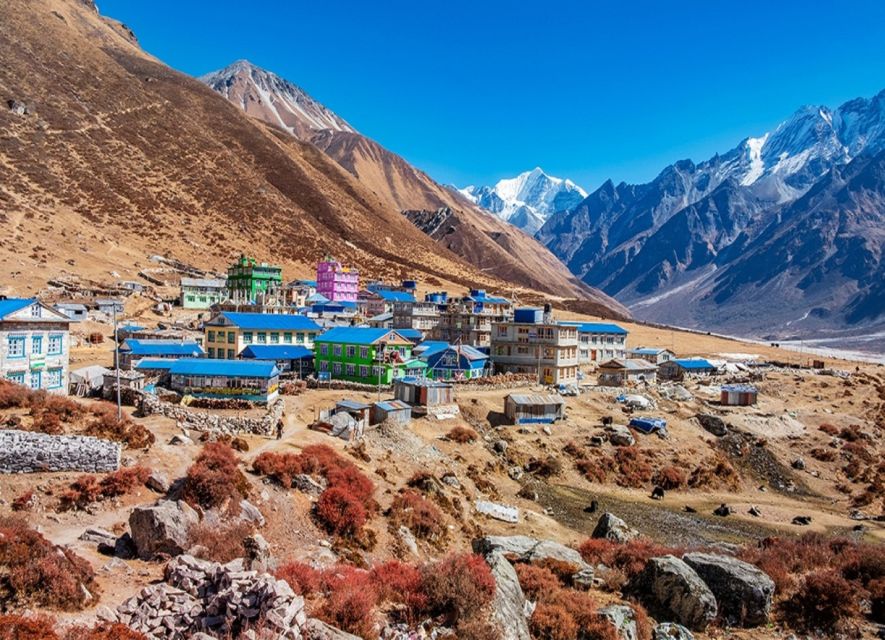
Langtang’s cultural value comes through in small, practical ways. You see it in everyday village life around Kyanjin Gompa, in monastery spaces meant for quiet reflection, and in how people share information with visitors.
Here’s how to get more out of those stops:
- Don’t rush the monastery areas. Take a minute, look around, then ask questions only if it feels natural.
- Treat the cheese factory as more than a tourist stop. It’s a chance to understand high-altitude livelihoods.
- When you meet locals, ask about daily life and what the route feels like for them. Guides are likely to help translate and contextualize.
If you’re traveling solo, this kind of interaction can make the trek feel grounded rather than just scenic. If you’re traveling as a couple or with family, it’s a shared experience that doesn’t require technical hiking skills.
Guides and Pace: Why Support Made the Biggest Difference
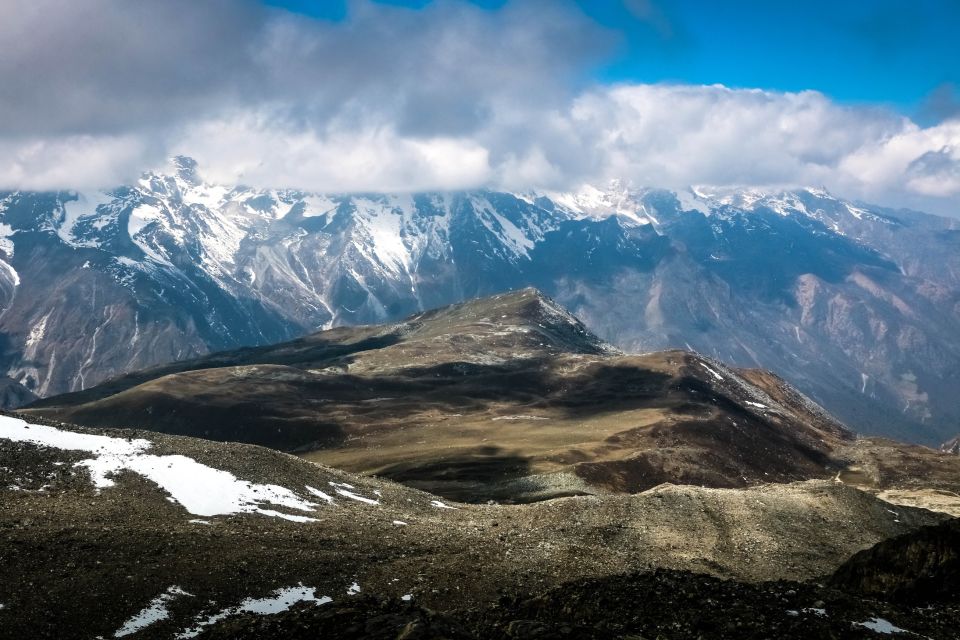
This trek is only as good as how it’s paced and handled day to day. What stands out in the feedback you provided is how consistently people praised their guides for being supportive and friendly.
Names that came up across feedback include Niraj, Bipin, Mahesh Aryal, Dipesh, Ghanshyam, and others. The common thread isn’t just friendliness—it’s practical care. Guides helped with itinerary clarity, checked in to see how people were feeling, and handled the little things that prevent stress from building.
One more practical note: porter support can matter if you’re carrying more than you planned. Porter charge is listed as extra, but you can still benefit from guidance on how to distribute weight. Your back will thank you later.
You don’t need to hike like a machine. You need to hike like someone who wants to arrive feeling human.
Packing for High Altitude Nights (and That Surprise Cold)
The packing list is pretty standard for trekking in Nepal, and you’ll want to respect it. Even if daytime walking feels fine, evenings can get cold. One piece of advice that kept showing up: bring warm clothes for nighttime.
Key items you should not skip:
- Hiking shoes
- Jacket, hat, gloves, sunglasses
- Sunscreen
- Flashlight
- Sleeping bag
- Trekking gear and a proper towel
If you’re unsure about your footwear, don’t gamble with brand-new shoes the day before. Wet stone and dusted trails don’t care about your optimism.
Who Should Book This Trek (and Who Should Skip It)
This trek fits best if you want:
- An authentic Himalayan experience with culture built in
- A moderate challenge with a possible optional viewpoint push
- A route that works for first-time trekkers who want guidance and structure
It’s also a good match for families, couples, or solo travelers because the trek format is social but not chaotic, and the itinerary doesn’t require expert climbing.
Skip it if you’re pregnant, since it’s listed as not suitable.
Should You Book the 6-Day Langtang Trek?
If you want a value-focused Nepal trek where culture and spirituality are part of the walk—not a checklist—this is a strong choice. The price is relatively low for what’s included, especially permits, guide support, and comfortable trek-night accommodations.
Book it if you can handle long hiking days and you’re okay with an altitude viewpoint that’s optional. If you’re worried about the steepest parts or you hate cold evenings, plan your layering carefully and talk with your guide about pacing on the Day 4 ascent.
Don’t book it if you’re looking for an easy, stroller-level stroll. This is mountain walking with real effort. Your calves will learn your name.
FAQ
What is the duration of the Kathmandu: 6-Day Limitless Langtang Trek?
It’s a 6-day trek.
Where does the trek take place?
The trek is in the Bagmati Zone, Nepal, in the Langtang region.
How much does the trek cost?
The price listed is $181 per person.
What is the highest point on the route?
Kyanjin Ri is listed at about 4,770m (15,649 ft). The itinerary notes this ascent as optional.
What are the main daily stops and elevations?
Key points include Pahiro (1,550m), Ghoda Tabela (2,900m), Kyanjin Gompa (3,870m), Thangsyap (3,200m), and Syabrubesi (1,550m).
Is Kyanjin Ri included for everyone?
It’s described as optional, and can be little hard for some people to reach.
Are meals included in the price?
All meals are included for the Full Package (breakfast, lunch, dinner) during the trek.
What’s included in the trek package?
Hotel pickup/drop-off, an authorized English-speaking guide, trekking permits and required fees, all applicable government tax, private comfortable accommodation for five trek nights, all meals for Full Package, luggage storage, and transportation as per the itinerary.
What is not included?
Soft/hard drinks, travel and rescue insurance, international flights and Nepal visa fee, personal expenses (like phone calls and laundry), extra nights in Kathmandu/Pokhara if needed due to non-scheduled timing.
What should I bring for the trek?
Bring items like passport/ID, towel, sunscreen, gloves, sleeping bag, flashlight, hiking shoes, jacket, hat, trekking gear, and sunglasses.
Is the trek suitable for pregnant women?
No, it’s listed as not suitable for pregnant women.