Sanga to Panauti feels wonderfully off-script. This day hike hits stunning ridgeline views and adds real depth with an English-speaking guide sharing Tamang and Newari culture along the way. The drawback: expect steep uphill in places, especially early on, so bring good walking shoes and don’t treat this like a flat stroll.
You start in Sanga, just outside the Kathmandu Valley, with the Shiva statue scene as your backdrop, then you’ll move through villages on a newer trail that still feels quiet. You end in Panauti, a spiritual Newar town known for Hindu and Buddhist temples, with a local lunch option if you want to go beyond the included plan.
In This Review
- Quick highlights
- Starting in Sanga with the Shiva statue backdrop
- The first half-hour: steep uphill, then smoother walking
- Ridge views, rice fields, and Himalayas on clear days
- A guide who explains the Tamang villages you pass through
- Arriving in Panauti: Newar temples and river-side spirituality
- Lunch in Panauti: optional, local, and worth your time
- Price and value: what $65 really buys you
- Who should go, and who should think twice
- Should you book Day Hike: Sanga to Panauti?
- FAQ
- How long is the Sanga to Panauti day hike?
- What distance will I walk?
- Where do I meet for the hike?
- What time does the hike start?
- Does the price include transportation?
- Is lunch included?
- Do I need to bring water or snacks?
- Is this hike difficult?
- Is the group large?
- Do you need an entrance fee?
- Is there a cancellation option?
Quick highlights
- Sanga kickoff near the world-famous Shiva statue and a dramatic start-point vibe
- 10km easy-moderate effort that includes a steep climb for about half an hour
- Under-visited villages on a trail developed only a few years ago
- Ridge walking with farmland views and possible unobstructed Himalayas on clear days
- Cultural storytelling focused on Tamang culture and Panauti’s Newari traditions
- Finish in Panauti’s temple-and-river setting, with community lunch options
Starting in Sanga with the Shiva statue backdrop
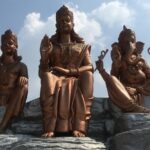
The hike begins in Sanga, just outside the eastern edge of the Kathmandu Valley. If you know Nepal’s biggest religious landmarks, you’ll recognize this area right away: Sanga is known for the tallest Shiva statue in the world. Even before the walking starts, that matters because it sets the tone. You’re not just going from point A to point B. You’re entering a place where faith and daily life overlap.
After you meet at Royal Mountain Travel (Lal Durbar Marg in Kathmandu) and head out, the route quickly connects you to the local rhythm. This is a trail where you’ll pass through villages where foreign tourists don’t show up every day. That difference is the whole point. You’re far more likely to see how people live than to feel like you’re watching a performance built for visitors.
One more practical note: this tour is designed as a guided day hike with transportation included to the start and from the finish back toward Kathmandu. That saves you the hassle of coordinating local buses or sorting out directions on your own.
You can also read our reviews of more hiking tours in Kathmandu
The first half-hour: steep uphill, then smoother walking
Right after you start, there’s a steep ascent for about half an hour. That’s the main “notice this” part of the hike. After that, the path mostly flattens out and turns into ridge walking, which is where the route gets fun.
How hard is it overall? The hike is described as easy-moderate and about 10 kilometers / 6.2 miles. You should still plan for stamina. Ridge trails mean you’re working steadily, and the steep drops below add a bit of mental focus even when the grade isn’t brutal.
The good news is the shape of the day. You get that climb early, then you spend the rest of the hike moving along ridgelines where the effort feels more consistent. If you’re moderately fit, you should be fine as long as you pace yourself. I like that this doesn’t pretend to be effortless, but it doesn’t scare you off either.
Also, the small-group size (maximum 15 travelers) helps. It’s easier for your guide to manage the pace, point out the good moments, and keep the group together—especially on trails that aren’t heavily marked for tourists.
Ridge views, rice fields, and Himalayas on clear days
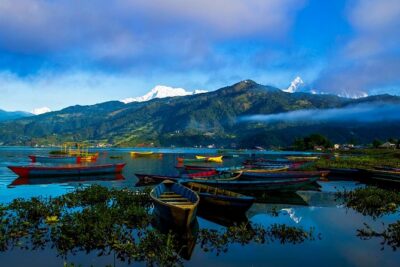
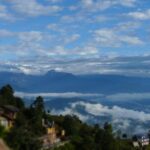
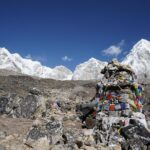
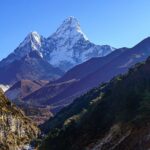
Once the initial climb settles down, you’ll be walking ridgelines with steep drops and big open sightlines. The route is framed by rice fields and farmland, so your eyes keep catching new angles every few minutes. This is exactly the kind of scenery that makes a 10km hike feel longer in the best way.
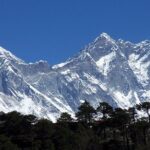
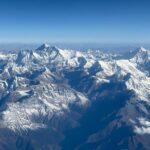
And yes—on clear days, you can get unobstructed Himalayas. That’s worth planning around. If Kathmandu looks hazy in the morning, don’t expect miracles. But when the sky is clean, the ridge walking becomes the show.
One subtle but important detail: because you’re going along ridges, the weather can feel like a mix of Kathmandu air and mountain wind. Bring a light layer you can add or remove. I’d also bring sun protection, since ridge sections tend to offer less shade and you’ll want to enjoy the views without burning.
The route’s under-visited character matters here too. It’s easier to take in the scenery when you’re not constantly weaving around tour groups. You get space to pause and look.
A guide who explains the Tamang villages you pass through
This hike doesn’t just move through scenery—it moves through people’s stories. Your English-speaking hiking guide is there to keep you from getting lost, but the better value is cultural context: you’ll learn about Tamang culture as you trek through areas along the way, and you’ll get a clearer picture of how those communities fit into the broader Kathmandu region.
That cultural focus is more than trivia. It changes how you notice things. Instead of just seeing houses, fields, and paths, you start understanding how communities organize life around faith, seasons, and local traditions.
You also walk a newer trail. It was developed only a few years ago, which helps create that feeling of going somewhere that still feels real and local, not staged. In feedback, one guide name—Ssyam—came up for making the experience feel smooth and engaging, with explanations that helped people connect the dots while walking.
If you want a hike that feels like a cultural day as much as a physical one, this guided approach is the difference-maker.
Arriving in Panauti: Newar temples and river-side spirituality
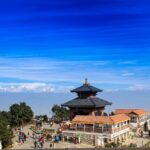
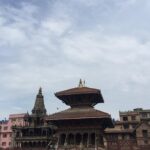
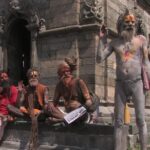
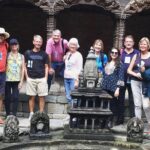
The end of the hike is Panauti, a small Newar town that’s surrounded by green hills and holy rivers. The town’s setting alone is a reason to arrive hungry for atmosphere: Hindu and Buddhist temples sit in a place where the everyday pace doesn’t seem built around outside attention.
Panauti also has a folklore story that adds flavor to the arrival. Local tradition links the town to an offering from the King of Bhaktapur to his sister as a dowry gift. Even if you don’t treat folklore like a historical document, it still gives you a narrative anchor. It’s the kind of background your guide can help you connect to what you see once you reach town.
What I like about finishing here is the contrast. You start outside the Kathmandu Valley with a famous Shiva landmark and a climb out of Sanga. Then you end in a community where temples and spiritual life define the rhythm of daily streets.
Also, because this is a smaller town finish, you can slow down after the hike. You’re not immediately pulled into a major-city whirlwind.
One more context note: the tour mentions significant damage to some sites visited due to the 2015 earthquakes. That means parts of the area you pass through may look changed or repaired. Go in with respect for that reality, and keep your expectations focused on the living communities, not perfect postcard visuals.

Lunch in Panauti: optional, local, and worth your time
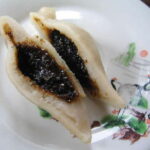
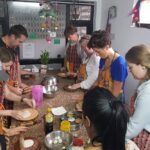
Lunch is not included in the base price. Instead, you have a chance to buy a Nepali lunch in Panauti with a local family. If you want the most meaningful ending to the day, I recommend leaning into that.
There’s also a specific option highlighted: Panauti Community Homestay. It’s established by local women of Panauti and is described as a strong example of women-led entrepreneurship in Nepal. That matters because it turns your meal into more than food. You’re supporting a community-run initiative and spending time with people who are used to welcoming guests.
If you’re thinking about cost, remember this: the hike price covers your guiding and transportation, but food is an extra you choose. That gives you flexibility. You can go for the homestay meal if you want the community experience, or pick something simpler in town.
If you have dietary restrictions, you might find it easier to confirm preferences once you arrive with your guide. The tour itself doesn’t list specific meal options or special accommodations, so it’s smart to communicate calmly and early if you need something specific.
Price and value: what $65 really buys you
At $65 per person, this is built like a straightforward guided day hike rather than a long, multi-day trek. What you’re paying for is the combination of planning support and guidance:
- Transport from Kathmandu to Sanga and from Panauti back to Kathmandu
- An English-speaking hiking guide
- Small-group structure (up to 15 people)
- A route designed to avoid getting lost on an under-visited path
For many people, that last part is the real value. On unfamiliar trails, “easy-moderate” can still be stressful if you’re trying to navigate while tired. Having a guide lets you focus on walking, views, and questions.
What you’re not paying for is also clear. Lunch and alcoholic drinks are extra, and hotel pickup/drop-off is not included. You’ll meet at the Royal Mountain Travel location in Kathmandu. If that’s convenient for your hotel, great. If it’s not, do some quick math on how you’ll get there.
I also like that you get a mobile ticket. That reduces the friction of day-of confusion.
Bottom line: the price makes the most sense if you want a safe, guided walk with culture and transportation bundled in, and you’re happy to handle your own meals.
Who should go, and who should think twice
This is a good fit if you want a manageable day hike with real local scenery and cultural context. It’s also a strong choice if you like the idea of walking through villages where you likely won’t be surrounded by other tourists.
It’s not a good fit if you expect a totally flat trail. The first 30 minutes of steep uphill is a clear physical hurdle, even though the rest is easier. If stairs and inclines make you uncomfortable, plan for slower pacing and bring poles if you use them.
The tour also notes moderate physical fitness as the requirement. You don’t need to be an athlete, but you should feel comfortable walking for several hours on uneven ground.
Other practical fit points:
- The hike is about 8 hours total, so you’ll need a full day’s commitment.
- Service animals are allowed, and the meeting area is near public transportation.
- If you’re traveling with children, there may be an entrance fee for kids 10 years and above.
Should you book Day Hike: Sanga to Panauti?
Book it if you want a guided 10km hike that blends views, village walking, and a meaningful finish in Panauti. You’ll get the advantage of transportation plus an English-speaking guide, which makes it easier to enjoy the day without navigation stress. If you’re curious about Tamang and Newari culture, the guided approach is exactly what you’re looking for.
Skip it—or at least reconsider your timing—if you strongly dislike steep uphill starts or you can’t commit to around 8 hours of walking time. Also, if you don’t want optional add-ons, note that lunch isn’t included.
If you like your travel days with a little heart and a little effort, this one fits well.
FAQ
How long is the Sanga to Panauti day hike?
The hike lasts about 8 hours (approx.).
What distance will I walk?
You’ll hike about 6.2 miles (10 kilometers).
Where do I meet for the hike?
The meeting point is Royal Mountain Travel, Lal Durbar Marg, Kathmandu 44601, Nepal.
What time does the hike start?
The start time is 8:00 am.
Does the price include transportation?
Yes. Transportation from Kathmandu to Sanga and from Panauti back to Kathmandu is included.
Is lunch included?
No. Lunch is not included, but you can purchase a Nepali lunch with a local family in Panauti.
Do I need to bring water or snacks?
The tour info doesn’t list water or snacks, so you should plan for your own needs during the hike.
Is this hike difficult?
It’s described as easy-moderate, but there is a steep ascent for about half an hour at the beginning.
Is the group large?
No. The maximum group size is 15 travelers.
Do you need an entrance fee?
An entrance fee is applicable to children 10 years and above.
Is there a cancellation option?
Yes. There is free cancellation, and you can cancel up to 24 hours in advance for a full refund.