Larkya La Pass rewires your pace. This Manaslu Circuit trek mixes big Himalayan views with Tibetan-influenced villages in the Manaslu Conservation Area. I love the way the route gives you real downtime in places like Samagaun and Samdo, not just check-the-box trekking. I also like the built-in acclimatization days before Larkya La Pass, which makes the pass feel like a goal instead of a shock.
One caution: this trek runs in a high-altitude environment and depends on weather, so you need a moderate fitness level and patience. The trip is capped at 16 people, and the team’s English-speaking guides have been praised by name, including Mr. Raman Shrestha for being supportive on the trail.
In This Review
- Key Things That Matter on the Manaslu Circuit Trek
- Why the Manaslu Circuit Trek Feels Less Like a Conveyor Belt
- Price and Value: What $1,900 Actually Covers
- Your Trek Rhythm: Drives First, Then Teahouse Days
- Day 1 to Day 3: Kathmandu Setup and the Budhi Gandaki Kickoff
- Day 4 to Day 6: River Valleys, Forest Walks, and Peak-Backed Villages
- Day 7 to Day 8: Samagaun, Rest Days, and the Optional Base Camp Choice
- Day 9 to Day 11: Samdo and Dharamsala—Near the Tibetan Border
- Day 12: Crossing Larkya La Pass Without Guesswork
- Day 13 to Day 15: Tilche, the Descent to Besisahar, and Back to Kathmandu
- Meals, Water, and Teahouse Comfort: What You Can Rely On
- Guides, Ports, and Small-Group Support That Changes Everything
- Who Should Book This Manaslu Circuit Trek (and Who Might Pause)
- Should You Book This Manaslu Circuit Trek?
- FAQ
- Where does the Manaslu Circuit Trek start and end?
- How long is the Manaslu Circuit Trek?
- Is airport pickup and drop-off included?
- Is an English-speaking guide included?
- What kind of accommodation do you use on the trek?
- Are meals included?
- How is drinking water handled on the trek?
- Do you need permits for this trek?
- What is not included in the price?
- What if the weather is poor or plans change?
Key Things That Matter on the Manaslu Circuit Trek
- Permits and restricted-area paperwork are included, so you do not have to track the admin maze.
- English-speaking guide throughout, plus a porter setup designed to lighten the load.
- Two-stage acclimatization around Samdo before the highest, most demanding day.
- Teahouse stays with twin-sharing, which is simple, social, and budget-friendly.
- Purified drinking water on the trek, so you can focus on walking, not constantly buying supplies.
- Kathmandu welcome and farewell dinners, which give you a proper send-off and arrival.
Why the Manaslu Circuit Trek Feels Less Like a Conveyor Belt
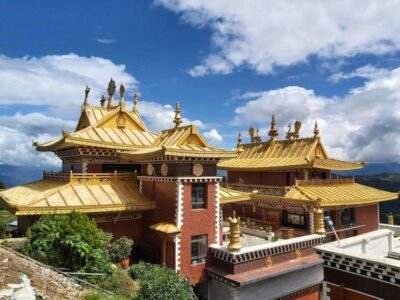
The Manaslu Circuit is one of Nepal’s more thoughtful treks. You get Himalayan drama, yes, but the bigger payoff is how the route stays human-scale as it climbs. Tibetan-influenced culture shows up in village life, prayer flags, and the general rhythm of daily living as you pass from settlement to settlement.
I also like that this trek is described as more sedate than the most famous, crowded circuits. That does not mean easy. It means your days tend to feel steadier, with time to adjust and watch how communities change with altitude.
And then there is the anchor of the whole trip: Larkya La Pass. It’s the day that turns effort into a real milestone. When a trek includes multiple acclimatization days beforehand, it usually leads to fewer panic moments and more steady progress.
You can also read our reviews of more hiking tours in Kathmandu
Price and Value: What $1,900 Actually Covers
At $1,900 per person, you should expect more than just a guide and a route map. This package includes a lot of the hard-to-price items that often surprise people later.
Here’s what’s clearly built in:
- English-speaking guide throughout
- Porter support for your duffel bag, with a 2:1 guest-to-porter ratio
- Permits for the trek, including a restricted-area permit
- Purified drinking water during the trek
- All breakfasts, lunches, and dinners on the trek (breakfast for 15 days; lunch and dinner for 14 days each)
- First-aid treatment in emergencies
- Administrative expenses and government taxes
- Airport pickup and drop-off, and a welcome/farewell dinner in Kathmandu
What you should budget separately:
- Kathmandu accommodation and meals (other than the welcome/farewell dinner)
- International flights, and departure tax
- Private transfers from Kathmandu to the trek starting point and return drive from Besisahar
- Your tourist visa, travel insurance, and emergency evacuation coverage
- Bottled water or drinks on the trail
- Personal expenses and personal gear/equipment
So the value story is pretty straightforward: you’re paying for the permit work, the guide and porter system, and most of your on-trail food. If you were to DIY it, the permits, logistics, and staffing would usually eat a big chunk of your time and stress budget.
Your Trek Rhythm: Drives First, Then Teahouse Days
The trek is set up for a gradual build. You start with Kathmandu, then you transition into the valley and river-world of the Budhi Gandaki area. After that, it’s a steady pattern: walk part of the day, reach a village, eat, rest, and repeat.
A big deal here is that the itinerary includes extra acclimatization days near the top of the climb sequence. You don’t just fly upward and hope. You get planned time in Samagaun and then again around Samdo before the highest pass day. That matters because it reduces the chance that altitude feels like an ambush.
Also, the group size cap matters. With a maximum of 16 people, it’s usually easier for a guide to keep everyone moving safely and to handle small problems fast.
Day 1 to Day 3: Kathmandu Setup and the Budhi Gandaki Kickoff
Day 1 (Kathmandu arrival) is mainly about getting you settled. You’re met after landing at Tribhuvan International Airport and transferred to your hotel in the Thamel area near the meeting point at Kathmandu Business Hotel. Then you get the welcome dinner, which is a nice way to start the trip with everyone in the same mindset.
Day 2 (Machha Khola) begins the real journey with a scenic drive. Once you reach Machha Khola, you’re in trekking mode. This day matters because it sets your expectations: expect rural roads turning into paths, and villages that feel very much like working places, not tourist sets.
Day 3 (Jagat) brings you onto the trail beside the Budhi Gandaki River. The route includes suspension bridges, terraced fields, and the kind of walking that makes you notice details: the sound of the water, the rhythm of stepping across bridges, and how farms cling to slopes.
Possible drawback to keep in mind: these early days can feel long if you arrive tired from travel. Give yourself time to rest in Kathmandu before the first full trekking effort.
Day 4 to Day 6: River Valleys, Forest Walks, and Peak-Backed Villages
Day 4 (Jagat to Deng, via Deng) starts with an early rise and moves through river valleys and forested sections. Early starts are common in Nepal mountain treks, and here they also help you get past the day’s most demanding sections before conditions shift.
Day 5 (Deng to Namrung) shifts toward higher-alpine scenery. You’ll pass traditional settlements and start seeing more panoramic views. Namrung is the kind of village that feels like it’s perched to watch the mountains, so it’s a good place to slow down at the end of the day.
Day 6 (Namrung to Shyala) is about dramatic backdrops and cultural contact. Shyala is described as a village encircled by majestic peaks, and the trail supports that: scenic views plus chances to experience day-to-day village life rather than just hike through.
If you enjoy trekking where the scenery arrives slowly and villages have character, this three-day stretch is a strong payoff. If you prefer big views every hour, you might find it more gradual than some other routes.
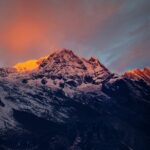
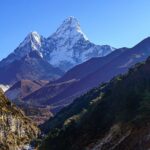
Day 7 to Day 8: Samagaun, Rest Days, and the Optional Base Camp Choice
Day 7 (to Samagaun) is a classic “arrive to altitude” moment. Samagaon is presented as a large village with deep cultural heritage, and you’ll feel the difference from the lower towns. Expect traditional life framed by higher mountains, and a sense that the trek is now in the zone where weather can change faster.
Day 8 (acclimatization in Samagaun) is the day I consider one of the smartest design features. You spend extra time at altitude so your body can adjust. The itinerary also gives you an option to trek toward Manaslu Base Camp, which is helpful if you want more effort without changing where you sleep.
This is also where you’ll decide how you like to travel. Some people love using acclimatization days for extra walking. Others prefer a lighter day—still valuable, because the goal is to arrive fresh for the Larkya La Pass crossing.
Day 9 to Day 11: Samdo and Dharamsala—Near the Tibetan Border
Day 9 (to Samdo) takes you closer to the Tibetan border zone. The description emphasizes high-altitude scenery and tranquil paths, and that quiet is part of why this trek can feel special. Samdo is typically the place where you start sensing that the cultural influence has shifted.
Day 10 (acclimatization around Samdo) keeps you in the border area and adds another adjustment day, including a scenic hike. That’s exactly the kind of planning that helps your head stay calm during altitude changes.
Day 11 (listed as Dharamsala, with continued acclimatization focus) is another buffer day. The day’s purpose is still acclimatization, with a scenic hike planned, even though the overnight location in the schedule is shown as Dharamsala. Either way, you should treat this as a rest-and-adjust day, not a “push because you can” day.
This section is often where the trek becomes mentally easier. When you know you have time built in, you’re less tempted to rush. And rushing is what turns altitude into a stressful experience.
Day 12: Crossing Larkya La Pass Without Guesswork
Larkya La Pass is described as the highest altitude point on the trek, and this is the day you start early for. Early starts on pass days usually mean better conditions and a smoother path before weather risk increases.
The pass day is listed as one of the trek’s most demanding yet rewarding sections. That matches what you should expect emotionally: you’ll work hard, then you’ll look around and feel like you’ve earned the view. With planned acclimatization ahead of time, you’re more likely to enjoy the day instead of fighting your body the whole way.
One practical tip: if weather is unpredictable, be ready for the possibility that the trek can shift dates. The experience notes that good weather is required, so flexibility matters.
Day 13 to Day 15: Tilche, the Descent to Besisahar, and Back to Kathmandu
Day 13 (Bimthang to Tilche / Tilje village) is about alpine meadows and lush forests. It’s a good “recovery-feel” day after the pass—still real trekking, but the focus shifts to terrain variety rather than a single massive challenge.
Day 14 (to Dharapani, then drive to Besisahar) gives you the walking-to-driving transition. You say final goodbyes on foot, reach Dharapani, and then enjoy the drive back to Besisahar with scenic views along the way. This is a useful structure because it means you’re not stuck trekking all the way to the end, and you still get a satisfying finish.
Day 15 (return to Kathmandu) wraps up the adventure. You take a scenic ride back to Kathmandu and end at the meeting point at Kathmandu Business Hotel.
If you want a trek that ends with a clear, non-messy finale, this format works well. The last day is about comfort and decompressing.
Meals, Water, and Teahouse Comfort: What You Can Rely On
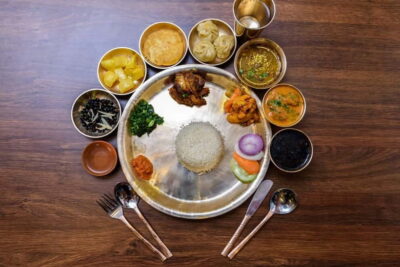
Food is handled in a very practical way on this trek. You get breakfast every trek day, plus lunch and dinner on the majority of days. This is one of those details that quietly improves your trip because it cuts decision fatigue. You walk. You eat. You rest.
You also get purified drinking water during the trek, using a water purifier or purification tablets. That’s an important service detail. Even if you like buying bottled water for convenience, it can add up fast on a multi-day hike.
Accommodation is twin-sharing in teahouses. That keeps things simple and cost-controlled. It also means your comfort depends on the basic teahouse setup where you sleep, so manage expectations: the value is in location and access, not luxury.
Guides, Ports, and Small-Group Support That Changes Everything
An English-speaking guide is included, and that matters more than people think. On a trek that includes high altitude, a pass day, and several acclimatization steps, clear communication helps you follow the plan and understand safety choices.
Porter support is also a big deal here. You get a porter system with a 2:1 guest-to-porter ratio, which suggests you’ll carry a lighter duffel bag load than if you’re fully self-bundled. You’ll still hike, but you’ll likely start each day feeling less weighed down.
On the human side, the company has been praised in past bookings for the way guides show up as people, not just staff. Names that came up include Mr. Raman Shrestha for supportive, helpful guidance, and Mr. Bipin for kind, helpful gestures. That kind of feedback hints at a team that pays attention to the small interactions that make a trek feel easier.
Who Should Book This Manaslu Circuit Trek (and Who Might Pause)
This trek is a good fit if you:
- Want Tibetan-influenced villages and a quieter feel compared to the most crowded routes
- Like the idea of planned acclimatization rather than a do-it-yourself altitude gamble
- Prefer a guided setup that includes permits and most on-trail meals
- Are comfortable with moderate fitness expectations
You might think twice if you:
- Need a super flexible route with zero schedule pressure
- Struggle with high-altitude environments and prefer lower-elevation trekking
- Are traveling when weather reliability is uncertain, since the experience depends on good conditions
One more note: this is a small-group trek with a maximum of 16 people, which is usually more manageable than big buses of hikers. If you like meeting a small cluster and hiking in a consistent group, that’s a plus.
Should You Book This Manaslu Circuit Trek?
If you want a well-run Manaslu Circuit trek that handles the permits, most meals, and the key altitude planning, this is the kind of package that makes the whole experience smoother. The price looks high only until you line up what’s included: guide time, porter support, purified water, teahouse stays on a twin-sharing basis, and the permit work.
I’d book it if Larkya La Pass is on your list and you appreciate a route designed around acclimatization. I wouldn’t book it if you are looking for a purely self-paced adventure or if you’re not truly comfortable with the idea of early starts and a demanding pass day.
If you have the fitness to hike daily, and you can travel with some weather flexibility, this trek has the ingredients for an experience that feels real rather than rushed.
FAQ
Where does the Manaslu Circuit Trek start and end?
It starts in Kathmandu at Kathmandu Business Hotel in Thamel and ends back at the same meeting point in Kathmandu.
How long is the Manaslu Circuit Trek?
The duration is listed as 15 days, approximately.
Is airport pickup and drop-off included?
Yes. The experience includes airport pickup and drop-off for both domestic and international travel.
Is an English-speaking guide included?
Yes. An English-speaking guide is included throughout the trek duration.
What kind of accommodation do you use on the trek?
You stay at teahouses/twin-sharing accommodations during the trek.
Are meals included?
Yes. The trek includes breakfast for 15 days and lunch and dinner for 14 days each. A welcome and farewell dinner is also included in Kathmandu.
How is drinking water handled on the trek?
Drinking water is purified during the trek using a water purifier or chemical purification tablets.
Do you need permits for this trek?
Yes, and all required permits are included, including the restricted area permit.
What is not included in the price?
Not included are Kathmandu accommodation and meals (except welcome/farewell dinner), international flights, private transfers from Kathmandu to the trek starting location and return drive from Besisahar, bottled water or beverages, the Nepal tourist visa, travel insurance and emergency evacuation service charges, and personal expenses and personal gear.
What if the weather is poor or plans change?
You can cancel for a full refund up to 24 hours in advance. The experience requires good weather; if it’s canceled due to poor weather, you’ll be offered a different date or a full refund.