REVIEW · KATHMANDU
Nagarkot & Bhaktapur Private Tour
Book on Viator →Operated by KJ Adventure Nepal Private Limited · Bookable on Viator
Temple towers and mountain air in one day. This Nagarkot & Bhaktapur private tour pairs Bhaktapur Durbar Square’s UNESCO temple-and-palace maze with Nagarkot’s high Himalayan viewpoints (2,160m) where—on clear days—you can spot peaks like Everest and Annapurna. I especially like the contrast: one side is ancient artistry and stone detail, the other is wide open sky and weather-dependent mountain views. One real consideration: the Nagarkot outlook can turn cloudy, and the drive up is winding, so you might not get the view you imagined.
I also like that you’re not stuck in a bus shuffle. With pickup and a private AC vehicle, you can move through the Kathmandu Valley at a calmer pace, guided by an English-speaking pro.
In This Review
- Key things to know before you go
- Bhaktapur Durbar Square: UNESCO temples you can actually see in person
- Nagarkot Viewpoints at 2,160m: great odds on clear days
- How the Private AC Vehicle Changes the Day Around Kathmandu
- Price and value: what $58 really covers (and what doesn’t)
- Timing that makes sense for both culture and viewpoints
- What kind of traveler this private day trip suits best
- Booking tips and practical expectations
- Should you book the Nagarkot & Bhaktapur Private Tour?
- FAQ
- What is included in the Nagarkot & Bhaktapur private tour?
- How long is the tour?
- Are entrance tickets included?
- How much are the entrance fees?
- Is Nagarkot admission included?
- Is this a private experience?
Key things to know before you go
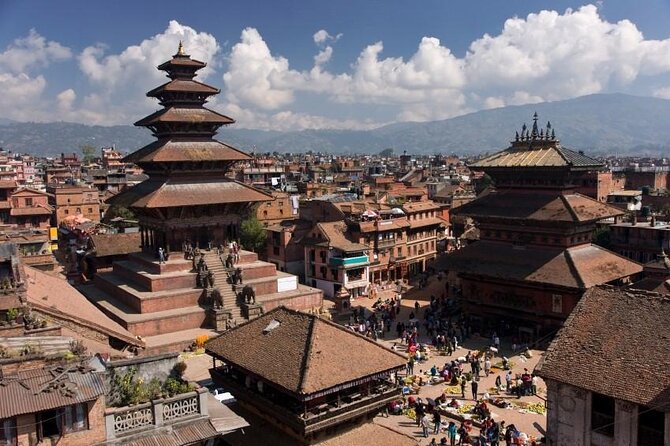
- Bhaktapur Durbar Square (UNESCO): Ancient palaces, temples, monuments, sculptures, and pagodas are the core payoff here.
- Nagarkot hill station at 2,160m: The whole point is panoramic Himalayan viewing, including Everest when weather cooperates.
- Drive time and comfort matter: A private AC vehicle helps on a full day that includes a 32km ride north.
- 3 hours at each stop: You get a reasonable window for both culture and viewpoints.
- Entrance fees are not fully included: Bhaktapur monument access is extra (Nagarkot is free).
- Private tour, only your group: You get the guide’s attention without mixing with strangers.
Bhaktapur Durbar Square: UNESCO temples you can actually see in person
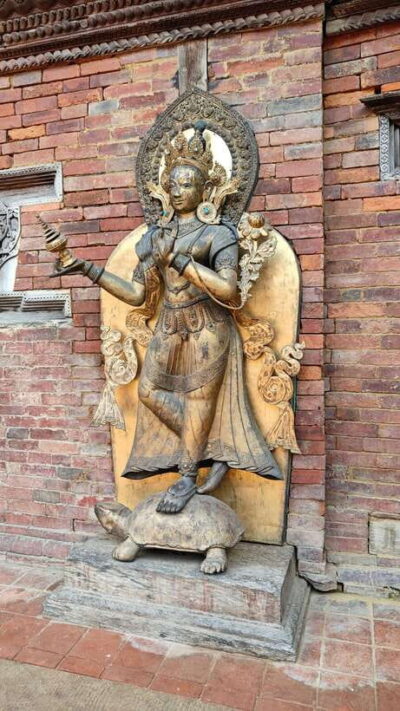
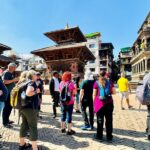
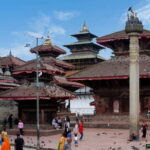
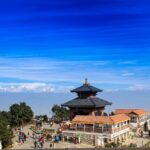
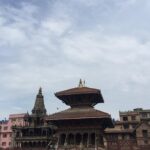
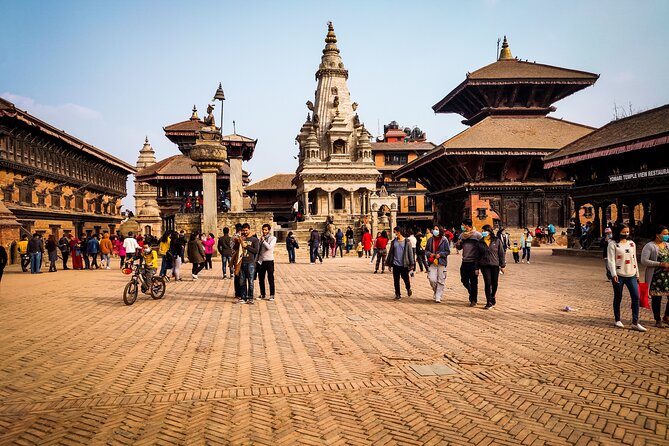
Bhaktapur is often described as a cultural center of the Kathmandu Valley, and once you’re inside Durbar Square, you feel why. This is the kind of place where the details don’t need a grand production. You’re surrounded by ancient palaces, temples, monuments, sculptures, and pagodas—each one showing a different angle of how the city was built and how people lived around its religious and civic spaces.
What makes Bhaktapur worth your time is that it’s not just one stop. It’s a whole cluster of heritage. In a few hours, you can go from larger palace-style structures to smaller religious monuments, then circle back for another look at stonework and architectural layout. The area is part of a UNESCO World Heritage site, so you’re walking through something formally recognized as important, not just a pretty collection of old buildings.
How to enjoy it more (without rushing): give yourself time to slow down at doorways, courtyards, and carved stone features. If you’re the kind of person who takes photos, I’d still keep your eyes busy first. In places like this, pictures can’t always capture the scale of the courtyards or how the buildings relate to each other.
The small drawback: the Bhaktapur Durbar Square entrance ticket isn’t included. You’ll need to plan for that added cost. If you’re trying to keep the day strictly budget-controlled, this is the first line item to handle up front.
You can also read our reviews of more private tours in Kathmandu
Nagarkot Viewpoints at 2,160m: great odds on clear days
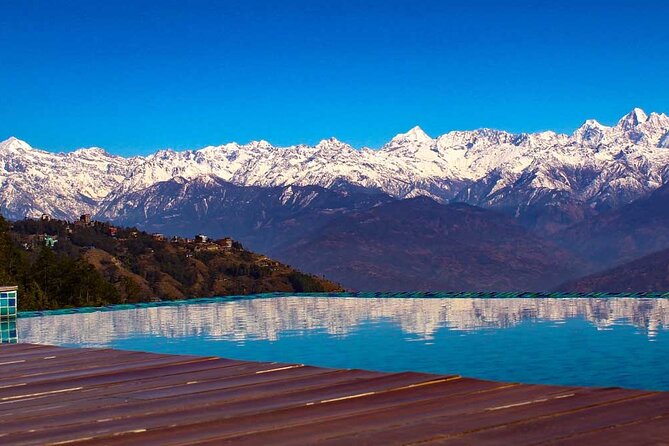
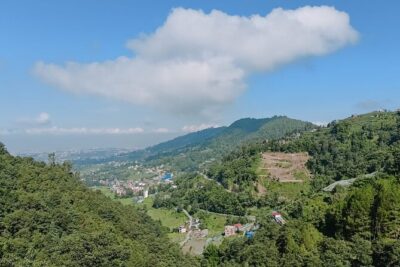
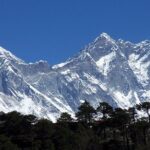
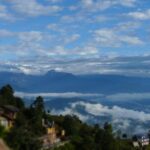
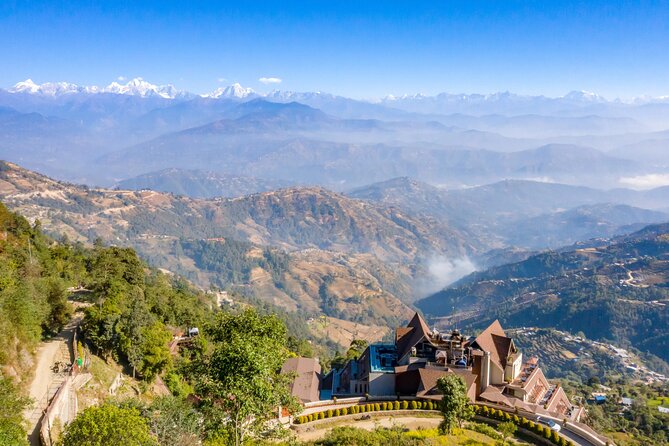
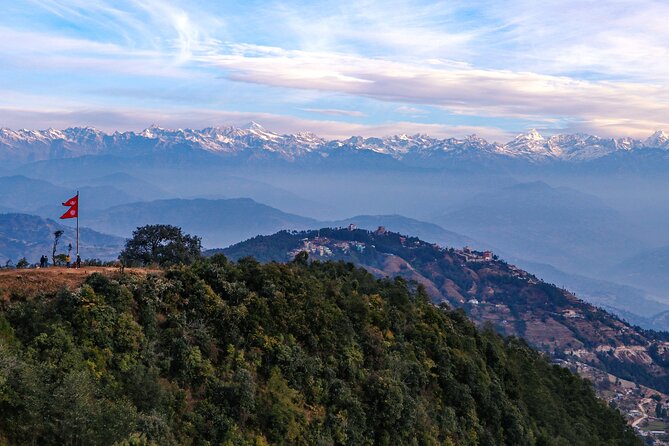
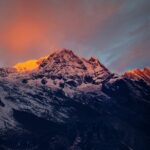
Nagarkot is one of the best-known hill stations outside Kathmandu, and the reason is simple: it’s a vantage point. At 2,160m, the views can stretch across the rugged Himalayan range in a way the city doesn’t offer. The trip up is the setup; the viewpoints are the payoff.
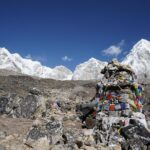
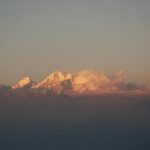
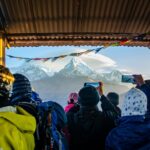
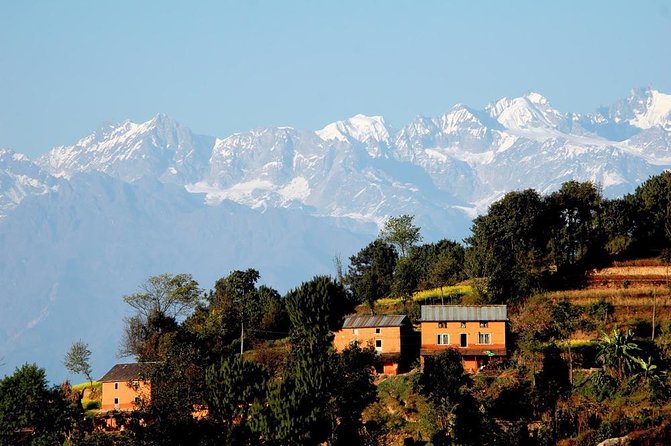
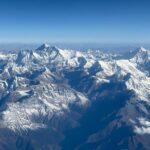
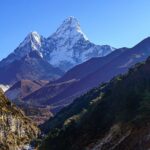
On good weather, Nagarkot is famous for showing some of the world’s highest mountains, including Mt. Everest, Manaslu, Annapurna, Langtang, and Ganesh Himal. That wording is important: it’s not a guarantee. Clouds and haze can block visibility, especially if atmospheric conditions are poor.
One of the most useful things to take from the way this tour is described is that you’re going for the possibility of big peak views. This is why I think Nagarkot works well as part of a private day trip: if the sky is not cooperating, at least you’re still getting fresh air, a hill-station setting, and a break from the Kathmandu streets.
Drive reality check: getting to Nagarkot involves a ride north of about 32 kilometers from Kathmandu. In practice, that can mean a lot of curves. If you’re sensitive to motion or bad road surfaces, it helps that the tour uses a private AC vehicle, but the route itself can still be bumpy in places.
How to maximize your chance of a clear view: go into Nagarkot expecting weather to be the decider. If you’re planning this trip around the season when skies are more likely to be crisp, you’ll likely be happier. If the day turns foggy, you’ll still have a relaxing hill stop—but the famous skyline may be muted.
How the Private AC Vehicle Changes the Day Around Kathmandu
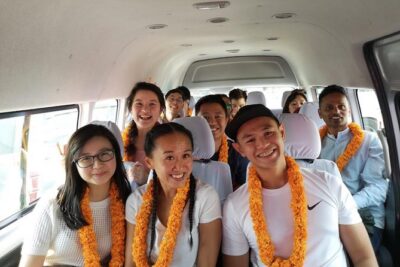
The “private” part here is not marketing fluff. It matters because you’re doing two very different experiences back-to-back: heritage in Bhaktapur, then a hill-station ride for Himalayan viewpoints. With a private, air-conditioned vehicle, you’re not negotiating crowded seating or waiting around for transfers between other groups.
You also get an English-speaking tour guide, which is a big deal in Nepal when you want context without turning everything into a guessing game. Even when you’re just looking at buildings, it helps to have someone explain what you’re seeing and why it matters.
The route is also time-managed in a sensible way: about 8 hours total, with around 3 hours at Bhaktapur Durbar Square and 3 hours at Nagarkot. That’s enough time to see the main heritage area and still enjoy the viewpoint stop without feeling like a strict checkpoint march.
A practical tip: if you get car-sick easily, mention it to your driver at the start and sit where you feel best. A private vehicle gives you some control over that choice. It won’t change the route, but comfort can still be a win.
Price and value: what $58 really covers (and what doesn’t)
The tour price is $58.00 per person, which for Kathmandu-area private guiding and a private AC vehicle is fairly clear value—especially because the guide time is included and you’re not paying separately for transport across two stops.
Here’s how the costs break down based on what’s stated:
- Included: private AC vehicle, all government and local taxes, and an English-speaking tour guide.
- Not included: entrance fees to monuments, plus personal expenses.
- Additional entrance fee listed: $18.00 per person.
Crucially, Nagarkot’s admission ticket is free in this tour setup, while Bhaktapur’s monument entrance is not included. So in your budget, you should treat the $18 per person as the main extra you’ll likely pay.
Is it good value? I think it is, as long as you’re comfortable with the weather gamble on the Nagarkot side. The cultural half is strong even without Himalayan visibility. If clouds block the distant peaks, you’re still left with Bhaktapur’s UNESCO heritage and a satisfying hill-station break. If the skies clear, you get the view payoff that makes Nagarkot worth the climb.
Who should watch the value most closely: solo travelers or couples who are very price-sensitive should compare against options that might be cheaper but involve shared transport. But if you care about comfort, guide context, and moving efficiently between two major places, the private format justifies the price more than a cheaper bus ride would.
Timing that makes sense for both culture and viewpoints
The day is structured for flow: heritage first at Bhaktapur Durbar Square, then Nagarkot. That order is useful because Bhaktapur is the more time-consuming-feeling stop in terms of attention. You’ll want to look, read, and pause. After that, a hill station works as a calmer contrast.
You should also plan your expectations around the Kathmandu Valley weather pattern. Nagarkot’s best-known views are linked directly to conditions. If visibility is poor, you may not see the full range of peaks listed. That doesn’t mean the stop is wasted, but it helps to avoid the mindset that you must see Everest to enjoy the day.
My recommendation for how to approach the day: bring a flexible attitude for the viewpoint. Treat Nagarkot as both scenery and an attempt at peak visibility, not as a guaranteed panoramic show.
What kind of traveler this private day trip suits best
This tour fits well if you want a high-impact day without complexity.
You’ll likely love it if:
- You’re short on time in Kathmandu but want at least one UNESCO cultural encounter and one hill-station viewpoint.
- You prefer a private setup where the guide can respond to your pace.
- You’re traveling with family or friends and want everyone to stay together.
You might rethink it if:
- You’re highly weather-dependent in how you define success. Nagarkot is at the mercy of clouds.
- You dislike winding drives. The route up is described by some as curvy and road quality can be rough in parts, so motion sensitivity matters.
Booking tips and practical expectations
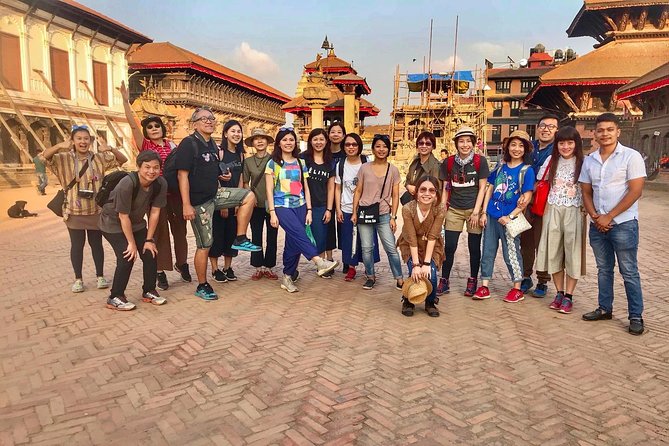
This is a private tour/activity, so only your group participates. That means you won’t be sharing the experience with other groups. It also tends to work smoothly for couples and small parties because the guide can tailor the pace.
Pickup is offered, and the meeting point is near public transportation. That combination is helpful if you like having options, even though the tour itself is private.
If you want the best chance of confirming on your dates, it helps that bookings are commonly made around 10 days in advance. And if plans change, cancellation is free up to 24 hours in advance for a full refund, which gives you a little breathing room when you’re watching Nepal weather.
Should you book the Nagarkot & Bhaktapur Private Tour?
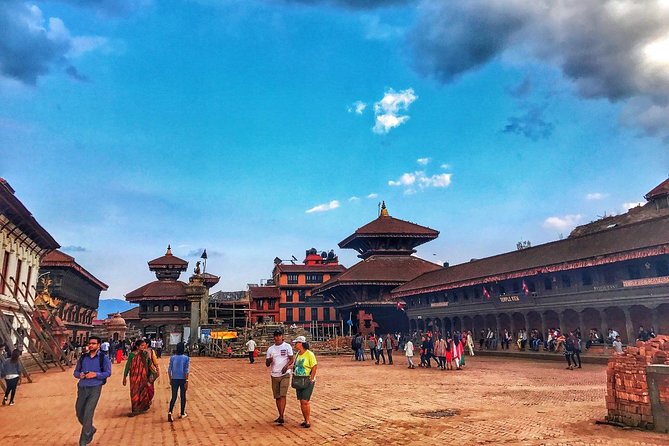
I’d book this trip if you want one day that mixes UNESCO culture with a real attempt at Himalayan views—and you value comfort and guidance. Bhaktapur is the cultural anchor: even when Nagarkot visibility isn’t perfect, the heritage side is still worth the time. The Nagarkot portion is the weather bet, but the payoff can be spectacular on clear days.
If you’re visiting in a season where clouds are more common, keep expectations grounded. Think of Nagarkot as the hill-station reset plus a chance at iconic peaks, not a guaranteed sighting machine.
Bottom line: for first-timers who want an efficient, private Kathmandu Valley day, this is a strong choice—especially when you plan for entrance fees and accept that the Himalayan view is conditional.
FAQ
What is included in the Nagarkot & Bhaktapur private tour?
The tour includes a private air-conditioned vehicle, all government and local taxes, and an English-speaking tour guide.
How long is the tour?
The duration is about 8 hours.
Are entrance tickets included?
Bhaktapur Durbar Square entrance is not included. Entrance fees to monuments are paid directly by guests.
How much are the entrance fees?
The additional entrance fee is listed as $18.00 per person.
Is Nagarkot admission included?
Nagarkot’s admission ticket is listed as free.
Is this a private experience?
Yes. It’s a private tour/activity, and only your group participates. Pickup is offered.