REVIEW · KATHMANDU
Momo, Dhalbhat & Thukpa Cooking Class, Nepal
Book on Viator →Operated by Momo, Dhalbhat & Thukpa Cooking Class · Bookable on Viator
A morning market turns into dinner with purpose. In this small-group class in Patan, you pair a short cultural walk around Patan’s sights with a hands-on cooking lesson led by Esther. I like that you get a real local market stop before the kitchen starts, and you practice making Nepali favorites like momo and thukpa.
The one drawback to consider is the tight 3-hour window. If you want every step to feel fully from-scratch, you might feel that some prep is already handled to keep the class moving.
In This Review
- Key things that make this class worth your time
- Cooking in Patan: culture you can taste, not just see
- The 3-hour flow: walk, shop, cook, eat
- Hiranya Varna Mahavihar and Patan: why the walk matters
- Shopping at the vegetable market: a real taste of everyday Nepal
- In Esther’s kitchen: momo, dal bhat, and thukpa (plus lots of laughing)
- What you actually do during the cooking time
- Eating together: the best part is that you earned it
- Price and value: $25 for market + class + meal
- Logistics that actually matter: meeting point, transport, weather
- Who should book this class in Patan
- Should you book this momo, dal bhat, and thukpa class?
- FAQ
- What is the duration of the Momo, Dhalbhat & Thukpa Cooking Class?
- Where does the cooking class start, and does it return there?
- What dishes will I learn to make?
- Is the menu fixed or can it change?
- Do I eat during the class?
- Do we visit a market during the experience?
- How many people are in each group?
- What is the price per person?
- What if the weather is poor?
- What is the cancellation policy?
Key things that make this class worth your time
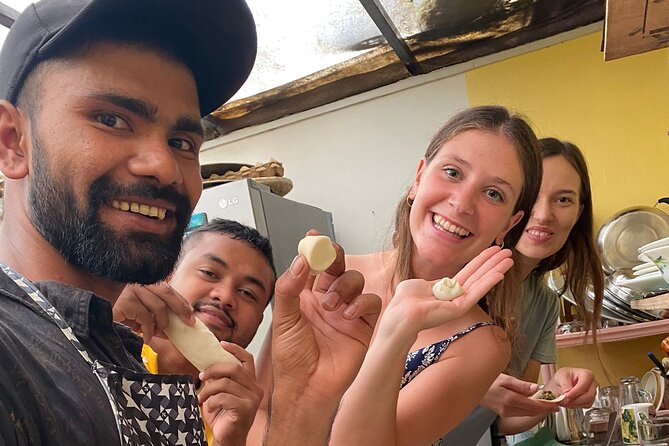
- Market visit first: You shop at a local vegetable market and interact with sellers before cooking.
- Esther leads, Amos helps: You get a clear, friendly teaching style from the kitchen team.
- Three dishes in one session: You learn momo, dal bhat, and thukpa, with menu options based on what you request.
- Patan location is convenient: You’re very close to Patan Durbar Square, so you can keep exploring after.
- Small group size: Maximum 10 travelers keeps the focus on what you’re doing, not just watching.
Cooking in Patan: culture you can taste, not just see
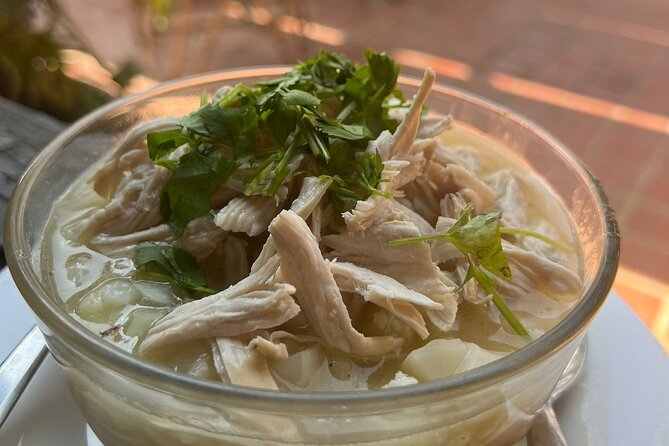
This class works because it starts with everyday Nepal, not a staged food lesson. You’re in Lalitpur (Patan), not the busy chaos of central Kathmandu. Patan has that slower pace where you can actually look around, notice details, and still make it back to cook.
I also like the practical focus. You’re not just learning recipes; you’re learning what goes into a Nepali meal process, and you do it with guidance in real time. Esther’s whole idea is to let you experience the Nepali kitchen rhythm: ingredients first, cooking next, then you eat what you made.
And because the menu can be shaped by guest requests, it feels more flexible than the typical fixed itinerary. If you care most about momo, you’ll still get the broader experience, but you can steer the session toward what you’re most curious about.
One more plus: after the class, you’re positioned to explore Patan Durbar Square area on your own. The experience gives you a reason to be in this part of town, not just pass through it.
You can also read our reviews of more cooking classes in Kathmandu
The 3-hour flow: walk, shop, cook, eat
Plan on about three hours total. That short window matters because it keeps the tour from turning into a long, tiring day. It also means the pace stays upbeat, with clear steps and guidance.
Here’s how the flow typically makes sense:
You start near Nagabahal – Nyadha Galli, Lalitpur (44600). Then you head out for the cultural piece, and you don’t jump straight to cooking. That walk-and-context part helps you understand why the food and kitchen traditions matter in daily life.
After that, you shift to the market side. You’ll go to a local vegetable market, and you’ll have a chance to talk with sellers while you buy ingredients. That interaction is more than shopping. It’s how the class connects ingredients to place.
Then you move into the cooking. You’ll learn and practice making momo, dal bhat, and thukpa, and you eat the food once it’s ready. You’re not waiting hours for a meal at the end. You’re working, tasting, and finishing in the same session.
If you prefer slow, leisurely cooking, note the class format is designed for an efficient morning. You’ll still get hands-on practice, but it won’t feel like a multi-hour masterclass where you control every micro-step.
Hiranya Varna Mahavihar and Patan: why the walk matters
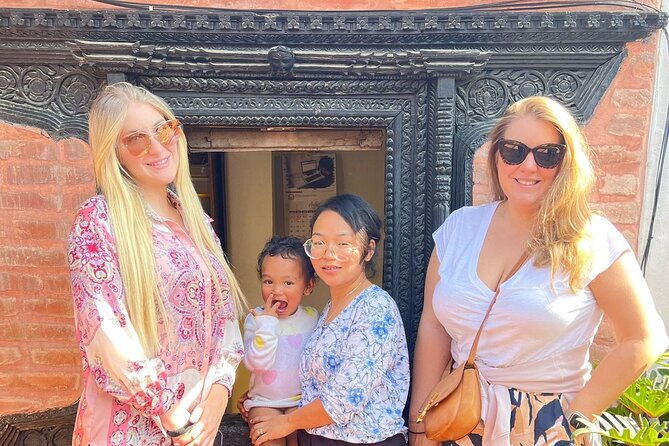
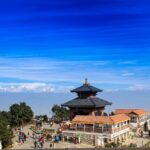
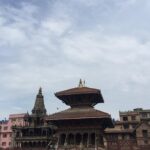
Stop 1 is Hiranya Varna Mahavihar, often called the Golden Temple. Stop 2 is Patan (Lalitpur) itself. Even though this is a cooking class, that opening helps you get your bearings in Patan and gives you context for the food.
The practical benefit is simple: you spend the morning learning where you are. That makes the market stop and the cooking feel tied to place. Instead of thinking, I’m just paying for dumplings, you think, I’m seeing how people live and eat in this neighborhood.
You’ll also get explanations that connect Patan traditions and Nepali culture to daily life. People often leave these kinds of lessons remembering the stories as much as the dishes, and here the cultural walk sets that up early.
Drawback-wise, don’t expect a long sightseeing tour. This is time managed for a cooking session. If you want a full day of temples and museums, you’ll need extra time on your own before or after.
Shopping at the vegetable market: a real taste of everyday Nepal
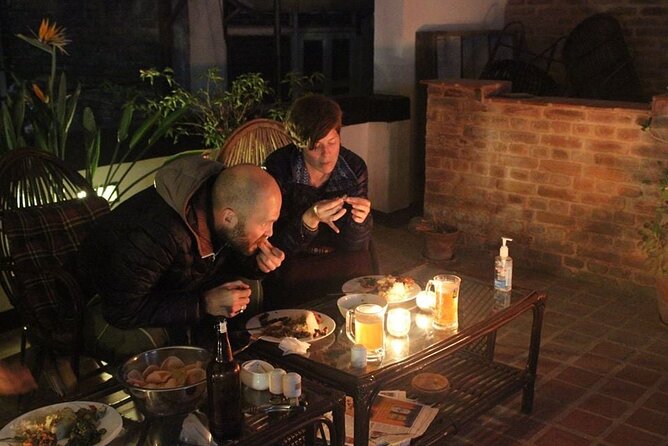
One of the most-loved parts is the market step. You go to a local vegetable market, not a tourist market, and you interact with vegetable sellers. That interaction changes how you cook.
It helps you understand ingredients as fresh, seasonal, and chosen locally. Instead of reading a recipe and following a list, you’re learning what you’re holding and why it matters for the dish you’re making.
For you, this is also the best chance to ask basic questions without feeling awkward. You can ask what looks best, what people use most, and what goes well together. Even if your questions are simple, the market gives you a natural way to connect.
A practical note: your market time is part of a schedule, so wear comfortable shoes. You’ll be on your feet, and you’ll likely move through narrow paths in an active local setting.
In Esther’s kitchen: momo, dal bhat, and thukpa (plus lots of laughing)
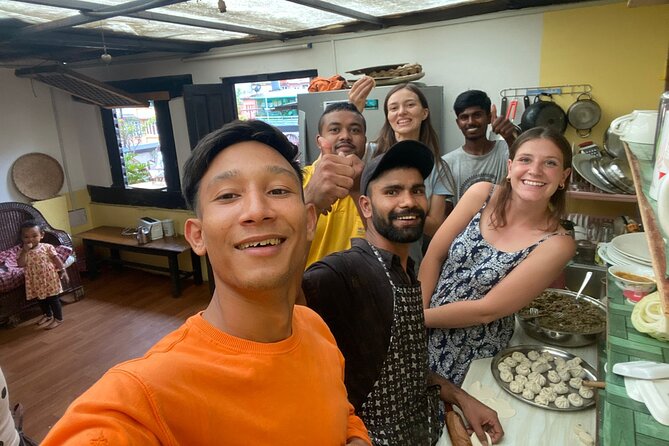
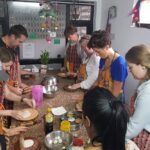
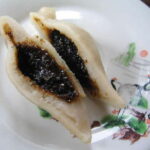
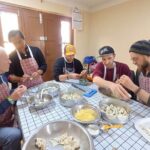
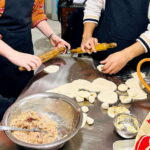
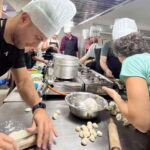
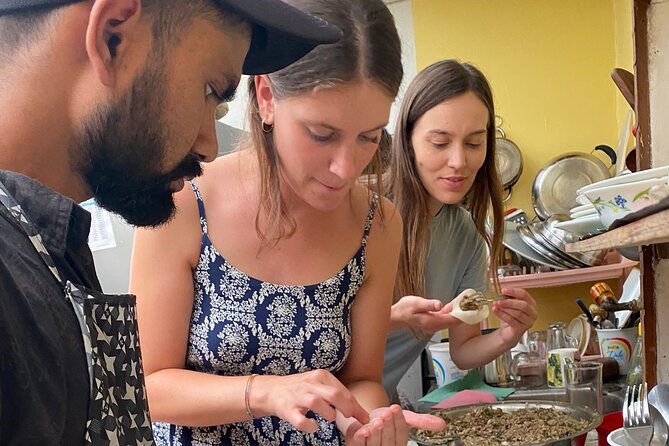
The heart of the experience is learning to make three Nepali favorites: momo, dal bhat, and thukpa. You’ll learn and practice each one, not just watch. That hands-on part is what makes the meal feel personal afterward.
Esther is the teacher, and she’s supported by her collaborator Amos. The vibe is friendly and instructional. People describe clear explanations, and you can tell this is a long-running passion project. Esther started cooking classes during COVID-19 as a way to support her family, so you’re eating the result of both skill and real motivation. That context gives the class extra weight.
The cooking space is also part of the charm. One key detail from participants: the cooking area is on a rooftop. That matters more than it sounds. You get a different atmosphere than a basement studio or a commercial cooking center.
You can also read our reviews of more tours and experiences in Kathmandu
What you actually do during the cooking time
You follow instructions and practice techniques for:
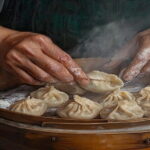
- Momo (you learn how to make it and work through the steps)
- Dal bhat (you make it as part of a complete Nepali meal)
- Thukpa (a warm, comforting dish that fits the season and the Nepalese dining style)
Because the class can adapt to guest request, you might shape the session toward what you care about most. If you’re especially focused on momo, expect that to get time and attention. If you want more variety, the menu flexibility helps.
One important consideration: the class is efficient. A few participants noted that some steps felt like they were already done for them. If you’re the type who loves doing everything with your hands from the very first minute, you may want to manage expectations. Still, the core idea remains hands-on: you’ll cook, and you’ll eat what you cooked.
Also, conversation is part of the package. During the session you can learn about Nepali customs and the importance of family. In this kind of home-kitchen teaching, that goes with the cooking, not on top of it.
Eating together: the best part is that you earned it
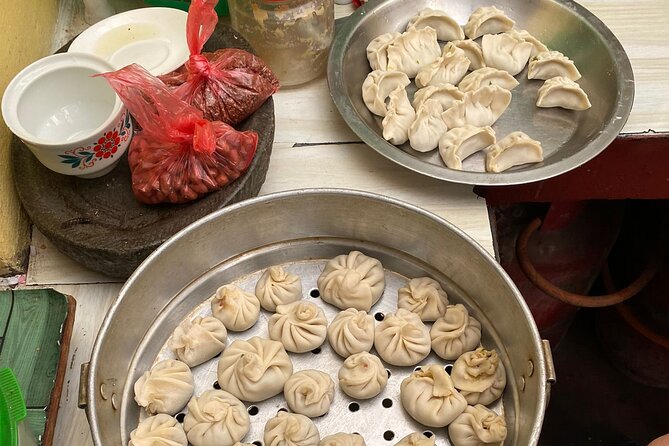
After cooking, you eat what you made. That sounds obvious, but it’s the difference between a class that feels like a show and one that feels like a shared meal.
This class has a strong track record for flavor. People consistently rate the food highly, including comments about excellent dal bhat and a clear flavor explosion in the dishes they learned. In practice, that usually means the teaching focuses on seasoning and technique, not just assembly.
For you, the value is two-fold:
1) You leave with skills you can repeat at home, at least for the basics of momo and the general approach to cooking a Nepali meal.
2) You leave with a better mental map of Patan life and kitchen culture, so your later meals in Kathmandu feel more informed.
One more thing I’d keep in mind: you’re eating during the tour, which makes the class a real plan, not just an activity. If you time it early, you can build the rest of your day around being fueled and curious.
Price and value: $25 for market + class + meal
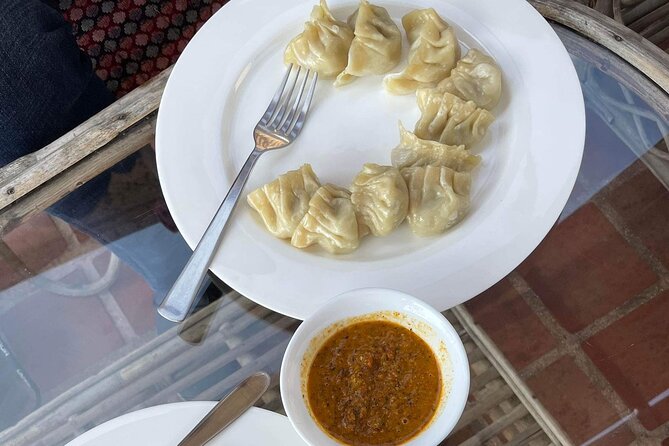
At $25 per person for about three hours, this is positioned as good value, especially because the experience includes:
- A market visit for ingredients
- Guided cooking practice for multiple dishes
- A meal you eat at the end
- A small group cap of 10 travelers, so you’re not lost in a crowd
Compared to many food experiences that cost more and still leave you as a passive observer, this one is more hands-on. You’re paying for teaching time, ingredient guidance, and the local context that turns cooking into cultural learning.
Also, the location helps your overall day. Being close to Patan Durbar Square means you don’t waste time commuting across town just to find a kitchen class. You can turn the day into a short Patan loop: walk, cook, then explore nearby.
Logistics that actually matter: meeting point, transport, weather
Meeting is at Nagabahal – Nyadha Galli, Lalitpur (44600). The activity ends back at the same meeting point, so you’re not stuck figuring out how to get home afterward.
It’s noted as being near public transportation, which is helpful if you’re not in the Patan core area already. You’ll also receive a confirmation at booking, and your ticket is mobile, which saves you the hassle of printed documents.
One more real-world factor: this experience requires good weather. If weather is the issue, you’ll be offered a different date or a full refund. That matters because the experience includes a market and walking portion, so cancellations aren’t just theoretical.
Who should book this class in Patan
This cooking class is a strong fit if you:
- Want a hands-on Nepali cooking experience rather than a demo
- Like the idea of learning with a market component
- Are staying near Patan Durbar Square or want to base yourself in Lalitpur for a morning
- Prefer smaller groups where you can ask questions and actually work
It might be less ideal if you:
- Want a long, slow cooking session where every technique is done from start to finish with no prepped help
- Are extremely time-pressed and hate short tours
If you’re traveling with a mix of food lovers and culture curious people, this balances both well. The cultural walk sets context, then the cooking proves you learned something you can taste.
Should you book this momo, dal bhat, and thukpa class?
If you want one activity in Patan that feels honest and practical, I’d book it. The combination of Esther’s teaching, the market interactions, and the fact that you eat what you cook makes it more than a souvenir meal.
It’s also a smart value play at $25, because you’re getting more than one dish and more than one part of the food story. The main thing to keep in mind is the pace: it’s efficient. If you can roll with that, you’ll likely have a morning that sticks.
Go in hungry, wear comfortable shoes, and come ready to talk with the market sellers. You’ll get more out of it that way.
FAQ
What is the duration of the Momo, Dhalbhat & Thukpa Cooking Class?
The class lasts about 3 hours.
Where does the cooking class start, and does it return there?
It starts at Nagabahal – Nyadha Galli, Lalitpur 44600, Nepal, and it ends back at the same meeting point.
What dishes will I learn to make?
You’ll learn and practice making momo, dal bhat, and thukpa.
Is the menu fixed or can it change?
The menu is done based on guest request.
Do I eat during the class?
Yes. You eat the food once it is cooked.
Do we visit a market during the experience?
Yes. You go to a local vegetable market before starting cooking.
How many people are in each group?
The class has a maximum of 10 travelers.
What is the price per person?
The price is $25.00 per person.
What if the weather is poor?
The experience requires good weather. If it’s canceled due to poor weather, you’ll be offered a different date or a full refund.
What is the cancellation policy?
You can cancel for free up to 24 hours in advance for a full refund. If you cancel less than 24 hours before the start time, it isn’t refunded.