REVIEW · KATHMANDU
12 Days Everest Base Camp Trek
Book on Viator →Operated by Himalayan Scenery Treks and Expedition - Private Day Tours · Bookable on Viator
Everest Base Camp is the kind of dream that gets real fast. You’ll fly into Lukla, trek through Sherpa villages with the Dudhkoshi (Milk River) nearby, and reach Everest Base Camp at 5,364m plus Kala Patthar at 5,545m. What I like most is the built-in rhythm: acclimatization days at Namche and Dingboche, and a trained guide who’s built for high altitude. One heads-up: altitude isn’t optional here, and the early starts plus Lukla’s weather-prone flight can add stress if you’re not used to mountains.
For practical value, this trek is structured to take care of the heavy lifting for you. Meals are included, you get lodge rooms on a twin-sharing basis, and key admin is handled (Sagarmatha National Park permit and TIMS). The trip also comes with some real safety gear on the trail like an oximeter, plus a porter system (1 porter for every 2 trekkers), which makes a difference when you’re carrying less on steep days.
In This Review
- Key Things That Matter Most on This Trek
- From Tribhuvan Airport to Lukla: Getting Into Trek Mode
- Phakding to Namche Bazaar: Bridges, River Walks, and the Long Day
- Everest View Hotel Day: Acclimatize Without Pretending You’re Invincible
- Tyangboche and Deboche: Monastery Mornings and Rhododendron Trails
- Dingboche Rest and Nagarjuna Hill: Why the Hard Part Isn’t Just Walking
- Lobuche to Gorakshep and Everest Base Camp: The Day You Remember Forever
- Kala Patthar Sunrise: Why 5,545m Is Worth the Pain
- The Long Descent: Back to Namche and Down to Lukla
- Back to Kathmandu: The Lukla Flight and Your Free Time Window
- Price and Value: What $605 Buys You on the Trek
- Guides, Pacing, and Porter Help: Why Team Quality Changes the Trek
- Gear, Altitude, and Fitness: How to Prep Without Guessing
- Who Should Book This Everest Base Camp Trek
- Should You Book It?
- FAQ
- Where does the trek start and end?
- How long is the Everest Base Camp trek?
- What is the highest point you reach on this route?
- Are meals included during the trek?
- Are domestic flights included?
- Is a guide included?
- What about permits and cards for the trek?
- Do I get porter support?
- What should I bring or arrange myself?
Key Things That Matter Most on This Trek
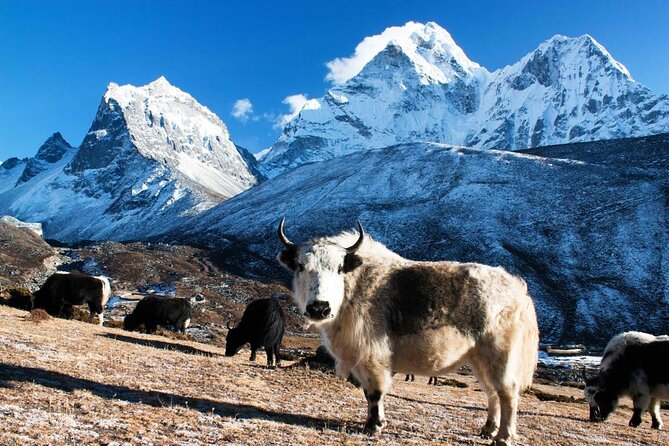
- Lukla flight + classic start: the 45-minute jump into the Khumbu sets the tone instantly.
- Acclimatization built into the route: Namche and Dingboche rest days aren’t afterthoughts.
- Base Camp and Kala Patthar payoff: you don’t just “get near” Everest—you go high for the sunrise.
- A government-licensed, high-altitude trained guide: your daily decisions are guided, not guessed.
- Full-board trekking support: three meals a day, lodge stays, and key permits included.
- Group logistics that reduce friction: walkie-talkies for group trekkers and a max group size of 20.
From Tribhuvan Airport to Lukla: Getting Into Trek Mode
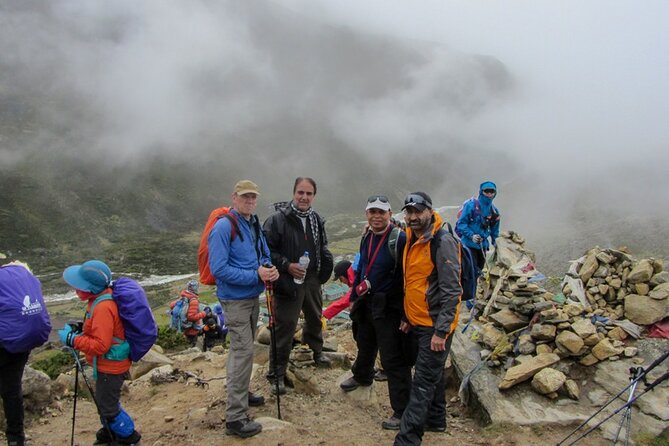
Your trip begins in Kathmandu, with airport pickup and drop-off by private or shared vehicle. Then it’s straight to the main event: the domestic flight from Kathmandu to Lukla (about 45 minutes on the Lukla leg). That short hop matters more than it sounds, because it saves you days of climbing and puts you on the trail while your body is still fresh.
When you land at Tenzing-Hillary Airport, you’re not just sightseeing anymore—you’re in “move carefully, breathe smart” mode. The first trekking day starts with a descent to Phakding. This is a great warm-up shape of day: you get used to trail time, village life, and the steady presence of the Dudhkoshi (Milk River) as you follow the river’s curves.
One of the nice things about a trek like this is that it doesn’t pretend the start will be easy. Instead, it gives you a gentle on-ramp: enough walking to wake your legs up, but not so much that you arrive in Phakding wrecked.
What to watch for: even on the easiest day, you’ll feel the altitude change in subtle ways. If you tend to push pace early, remind yourself that the goal is to arrive later feeling strong—not early feeling stubborn.
You can also read our reviews of more hiking tours in Kathmandu
Phakding to Namche Bazaar: Bridges, River Walks, and the Long Day
Day two is where the EBC trek starts feeling like a trek, not a stroll. You leave Phakding early and hike a long stretch toward Namche Bazaar. The path often keeps you close to the Dudhkoshi River, with steel cable suspension bridges along the way.
These bridges are more than scenery. They force you to slow down and stay steady. On high-altitude treks, good pacing is a safety tool. If you rush, you waste breath. If you drift, you waste energy.
When you reach Namche Bazaar, you’re not just arriving somewhere—you’re stepping into a hub where you’ll spend time acclimatizing next. That matters because the next major days will ask more from your body, and you’ll want to be ready.
A practical consideration: plan to hydrate and eat early. A long day followed by altitude requires you to refuel while you still can. If you skip meals because you’re tired, you’ll pay for it later on steeper climbs.
Everest View Hotel Day: Acclimatize Without Pretending You’re Invincible
On the next day, the plan is rest and acclimatization—plus a chance to see Everest up close from a viewpoint area. You hike to the Everest View Hotel for tea via the Syangboche airstrip.
This is one of my favorite types of trek days: you get movement, you get stunning views, and you don’t feel like you’re forcing the issue. The whole point is to help your body adjust while still enjoying the Khumbu scenery. Tea stops on this route aren’t just a treat. They’re built-in reminders to slow down and let your breathing catch up.
Also, this is where you start noticing the details of the region. Keep an eye out for the Danphe, Nepal’s national symbol and an endangered bird that trekkers can spot in the Khumbu area.
What I’d do if I were you: treat this day like training. You should finish feeling like you could do a little more, not like you’ve emptied the tank.
Tyangboche and Deboche: Monastery Mornings and Rhododendron Trails
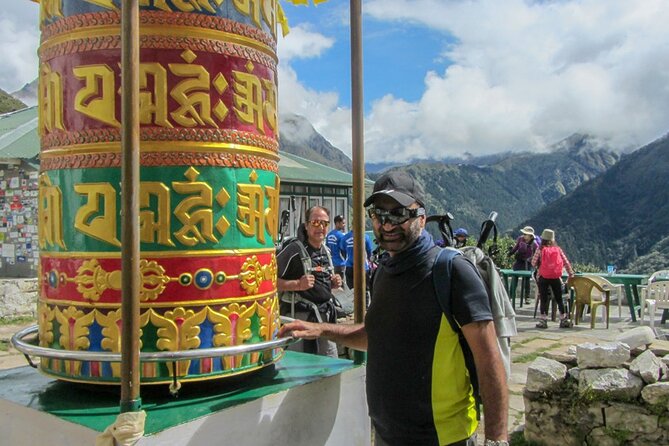
After a recovery day in Namche, the trail turns toward Tyangboche. Expect a steep climb at the start, followed by more moderate trekking for a stretch. This is the mountain reality check day: you’ll feel the altitude while still working through real terrain.
Then comes one of the classic emotional moments of the trek. On the next day, you’ll aim to wake early for sunrise views linked with the Tengboche monastery. The plan also includes a descent along a rhododendron forest toward Deboche (3,320m).
Sunrise monastery mornings on EBC routes are special because they give you a “quiet reward” after a physically demanding day. The forest descent is also a smart contrast: you’re still walking, but the environment changes, and that helps your brain recharge too.
Possible drawback: early mornings are great—until they’re not. If you’re the kind of person who needs lots of sleep, be honest with yourself. This trek will make you earn sunrise.
Dingboche Rest and Nagarjuna Hill: Why the Hard Part Isn’t Just Walking
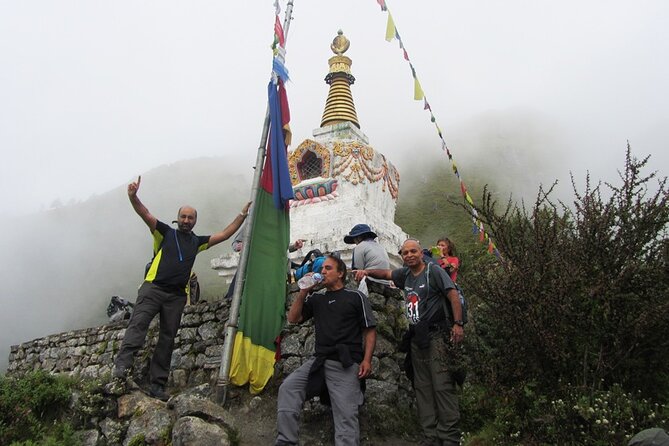
Later you’ll reach Dingboche and then get a rest and acclimatization day. This is a good thing. Above 4,000m, your body needs time to adapt, and the trek plan gives you a lighter day to do that.
Instead of a full stop, you’ll hike nearby to a hill called Nagarjuna. The idea here is subtle but important: you don’t just rest and hope altitude treats you well. You practice going higher and moving your body while keeping effort reasonable.
From a “make this safe” point of view, this is one of the most valuable days on the whole trek. Most altitude trouble starts when people treat the mountain like it’s a straight-line math problem. It’s not. It’s a biology problem, and rest days are part of the solution.
If you want the best chance at an easy summit day later: listen to your guide and keep your pace controlled on acclimatization days.
Lobuche to Gorakshep and Everest Base Camp: The Day You Remember Forever
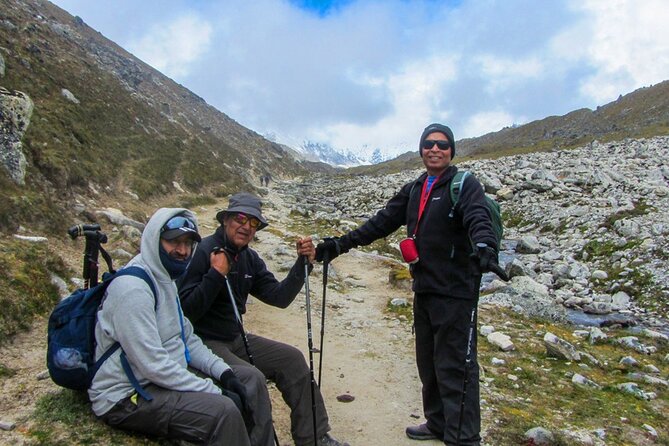
Once you’ve acclimatized and taken that recovery day, you push further to Lobuche. This day moves through a wide valley under the Cholatse and Tawache peaks. You’ll notice how the trail starts to look more “Everest-y” as you near the glacier zone.
Then comes the big push: Gorakshep first, then Everest Base Camp. You’ll leave Lobuche for a rocky ascent along the Khumbu glacier. The route includes landmarks like the International Pyramid Labo. Even if the names don’t mean much to you, the geography does: glacier terrain and rocky walking are different from earlier days.
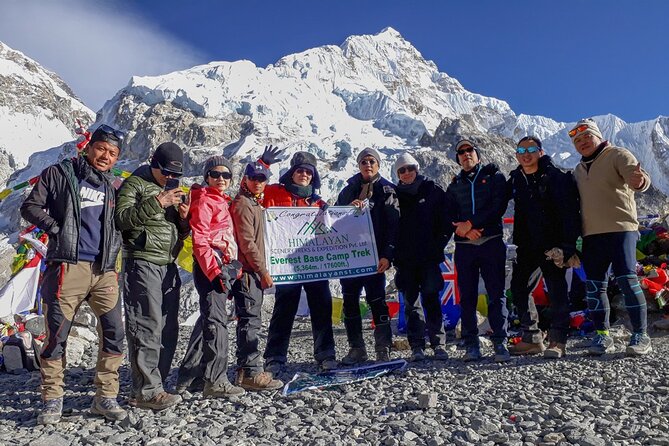
From Gorakshep you continue aside the glacier for a couple hours on a rocky, downhill, and uphill trail to reach Everest Base Camp. This is the moment where the whole trek turns into a memory anchor.
And here’s the thing I appreciate about reaching Base Camp the planned way: you don’t get rushed in. You get time to arrive, take it in, and let Everest land in your brain like it’s actually possible.
Reality check: this is still a long, tiring day. Your legs might feel strong at the start and then go quiet halfway through. That’s normal. Keep your pace even.
Kala Patthar Sunrise: Why 5,545m Is Worth the Pain
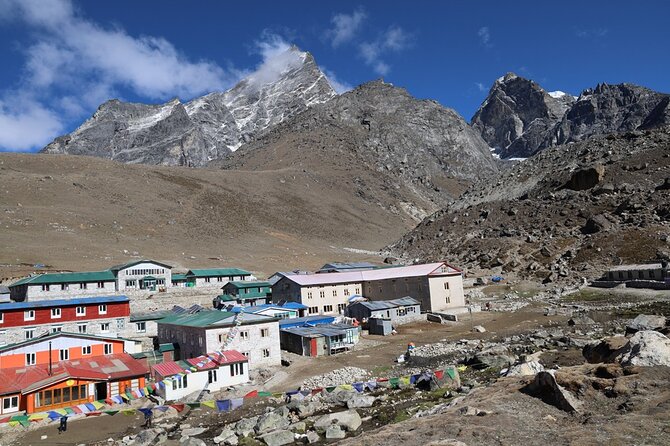
You’ll wake up very early and hike to Kala Patthar for sunrise views over Mount Everest. The climb is steep and rocky, so it demands good footwork and pacing.
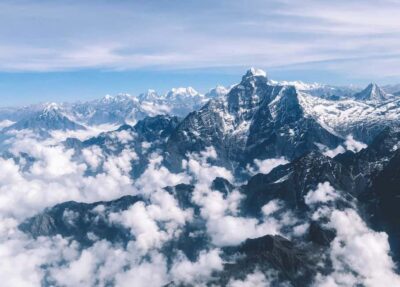
This is a “payoff day.” It’s not just about a view. It’s about context: seeing Everest from a higher viewpoint helps you understand what you’ve been working toward all week. You’ll likely feel the contrast between the sheer height and the smallness of everything around it.
Kala Patthar also ties together the two height goals of the trek—because you’ll have already reached Base Camp earlier, and now you’re going higher to refine the picture.
Practical tip from mountain math: sunrise trips feel easier when you dress for cold first, and decide your pace second. If you’re underdressed, you’ll spend mental energy staying warm. If you dress right, you’ll spend energy walking and breathing.
The Long Descent: Back to Namche and Down to Lukla
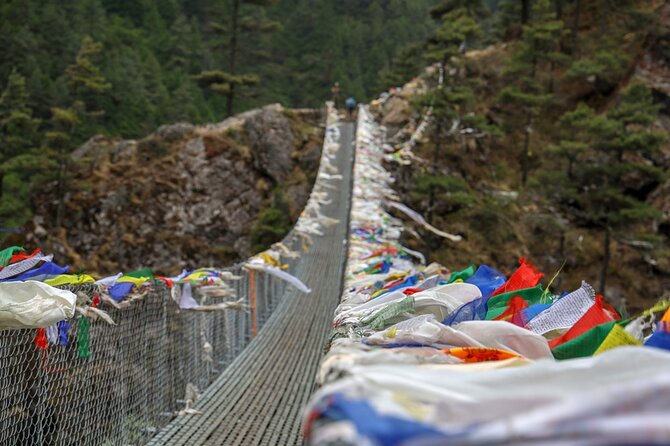
After Base Camp and Kala Patthar, the trek still isn’t over. You’ll head back toward Namche Bazaar on a long walk day, but it’s comparatively easier because elevation drops as you go.
Then you descend through remote villages and cross multiple bridges and streams as you make your way back toward Lukla. You’ll pass through Phakding and Monjo on the way, essentially retracing the route that brought you in.
This return leg is where people either feel great… or feel done. If you stay stubborn, you’ll beat up your knees and feel miserable. The better plan is to keep steps short and controlled and accept that “slower” often means “safer and happier.”
What you’ll probably appreciate: the villages and river sections help break up the intensity. The mountain shifts from peak drama back into human rhythm.
Back to Kathmandu: The Lukla Flight and Your Free Time Window
Your last day includes the flight back from Lukla to Kathmandu, and then a drive to your hotel. The remaining day is free, giving you time to recover and do the everyday stuff you postponed for 12 days.
This is also a good moment to think about what you learned. On an Everest Base Camp trek, you don’t just collect views—you collect how your body reacts under altitude stress, how you pace when tired, and how much difference planning makes.
And when you land back in Kathmandu, it’s normal to feel a little strange. The mountain was your clock for nearly two weeks. Suddenly, it’s not.
Price and Value: What $605 Buys You on the Trek
At $605 per person, the real question is what’s included. Here, the value is strong because you’re not just paying for guide time. You’re getting domestic flights (Kathmandu–Lukla–Kathmandu), three meals a day during the trek, lodge accommodation (twin-sharing), and key permits (Sagarmatha National Park permit and TIMS).
You also get practical trekking support materials like a trekking hat, duffel bag, and a trekking pole, plus a trekking map and a trip achievement certificate. Safety and health tools are included too: a first aid kit and an oximeter for checking pulse, oxygen saturation, and heart rate at higher altitude.
There’s also real operational value in the staffing model. The trek includes one highly experienced, helpful, government licensed high-altitude trained guide. Plus, you’ll have a porter (1 for 2 trekkers), and walkie-talkies are available for group trekking.
What’s not included is the stuff that always matters: personal travel insurance, snacks and personal expenses, personal trekking gear, and tips/gratuity for the team.
So who is this price best for? If you want an organized, supported trek where you aren’t juggling permits, meals, lodge logistics, and safety gear—this is built to reduce that headache.
One consideration: $605 is a good deal only if you’ll actually use what’s included. If you prefer carrying everything yourself or you’re traveling with your own systems, you may compare less favorably. But for most people, the bundled support is the point.
Guides, Pacing, and Porter Help: Why Team Quality Changes the Trek
This is one area where small details make big differences. A high-altitude trained guide isn’t just there for navigation. They help you decide pace, adjust expectations on tougher days, and keep you moving in a way that protects your energy.
In examples shared with this trek setup, guides such as Rajesh Magar, Narayan Ntc, Bikram, and Gopal have been recognized for competence, friendliness, and early starts. One of the most practical strengths mentioned is pace management—some guides notice whether you’re likely to feel restless if you start late or if lunch stops run slow.
That matters because the Everest Base Camp trek has a rhythm. If you start too late, you arrive late. If you arrive late, you eat less, sleep worse, and you repeat the problem the next day.
Porter help also affects your experience in a very real way. With a porter (1 for 2 trekkers), you’re not carrying everything, which can be the difference between finishing feeling steady and finishing sore.
And group size helps too. With a maximum of 20 trekkers and access to walkie-talkies for group trekkers, you’re not lost in a huge crowd, but you also aren’t on a solo adventure.
Gear, Altitude, and Fitness: How to Prep Without Guessing
This trek is aimed at people with moderate physical fitness, and it’s marketed as suitable for seniors and beginners. Still, altitude is the actual boss fight. Even if you’re not extreme-athletic, you can succeed if you move consistently, eat enough, and take rest days seriously.
Here’s what this trip gives you versus what you still need:
- Included: trekking hat, duffel bag, trekking pole (plus map, oximeter use by the team).
- Not included: personal trekking gear (you’ll need to bring what makes you warm, dry, and steady on rocky days).
- Also not included: personal travel insurance (important in a high-altitude environment).
My advice: pack for cold mornings and windy ridgelines. The trek includes early starts, especially for Kala Patthar sunrise. If you’re uncomfortable with cold, you’ll walk slower just to stay sane.
Also, keep your expectations realistic. The days can be long. You’re not just “seeing Everest.” You’re doing work at height.
Who Should Book This Everest Base Camp Trek
This trek fits best if you want:
- Guided support with permits, flights, meals, and lodge stays handled
- A route that builds acclimatization time at Namche and Dingboche
- A reasonable group size and a porter system to reduce load
- Strong support tools like an oximeter and first aid kit on the trek
It may not be the best match if you strongly prefer complete self-planning, you hate very early mornings, or you’re the type who pushes pace no matter what. The mountain rewards patience.
Should You Book It?
I’d book this Everest Base Camp trek if you want a classic, organized route with a real focus on safety and pacing. The value is in the bundle: domestic flights, three meals a day, lodge accommodation, permits, and an experienced high-altitude guide—plus the tools that help you make decisions while you’re at altitude.
Do it if you’re ready for early starts, steady walking, and taking rest days seriously. Skip it (or choose a different plan) if you’re hoping altitude will be an afterthought.
If you book, go in with one mindset: move by feel, not by ego. Everest doesn’t care about speed, and you’ll enjoy the trek way more when you stop racing the mountain.
FAQ
Where does the trek start and end?
The trip starts at Tribhuvan Airport in Kathmandu, Nepal, and ends back in Kathmandu after the return flight from Lukla.
How long is the Everest Base Camp trek?
It runs for about 12 days.
What is the highest point you reach on this route?
You’ll reach Kala Patthar at 5,545m and Everest Base Camp at 5,364m.
Are meals included during the trek?
Yes. Three meals a day (breakfast, lunch, and dinner) are included during the trek.
Are domestic flights included?
Yes. Domestic flights are included for Kathmandu to Lukla and back to Kathmandu.
Is a guide included?
Yes. The trek includes one highly experienced, government licensed, high-altitude trained guide.
What about permits and cards for the trek?
Your Sagarmatha National Park entry permit and the TIMS card fee are included.
Do I get porter support?
Yes. A porter is included at a ratio of 1 porter for 2 trekkers.
What should I bring or arrange myself?
Personal travel insurance and personal trekking gear are not included, along with snacks, drinks, and personal expenses. Tips/gratuity for the team are also not included.