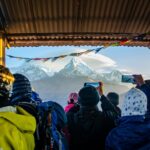
You’ll watch the Annapurna sunrise from Sarangkot. This fast-paced Pokhara trip packs in the big sights with a mix of viewpoints and nature stops, plus a calm hour on Fewa Lake by rowing boat. I love how the schedule is tight but not rushed between major highlights, and how you get hotel pickup in Kathmandu and proper guiding in Pokhara.
One thing to consider: the round-trip road travel can be long and bumpy, and your drop-off on the way back may not feel as smooth as a flight would.
In This Review
- Key Highlights You’ll Actually Notice
- How This 3-Day Pokhara Tour Works From Kathmandu
- Day 1: The Long Road Push From Kathmandu to Pokhara
- Day 2: Devi’s Fall, Gupteswar Gupha, and the World Peace Pagoda View
- Devi’s Fall (about 20 minutes)
- Gupteswar Gupha (about 40 minutes)
- World Peace Pagoda, Pokhara (about 1 hour)
- A note on entrance fees
- Sarangkot Sunrise at 5:30am: Worth the Early Wake-Up
- Fewa Tal and the International Mountain Museum: A Calm Break and Mountain Context
- Phewa Tal (about 1 hour)
- International Mountain Museum (about 1.5 hours)
- Day 3: The Return to Kathmandu and the Road-Travel Reality
- Price and Logistics: Is $540 Good Value?
- Who This Tour Suits Best (And Who Should Rethink It)
- Should You Book This Pokhara Tour?
- FAQ
- What’s included in this 3 days Pokhara tour from Kathmandu?
- Are entrance fees included?
- How early do I need to start for Sarangkot sunrise?
- What kind of group size is this tour?
- What are the driving times like?
- What’s the cancellation window?
Key Highlights You’ll Actually Notice
- Sarangkot sunrise starts early, with pickup timing built around clear morning light.
- Devi’s Fall and Gupteswar Cave give you two different ways to see how water and rock shape the area.
- World Peace Pagoda is a Japanese Buddhist stupa viewpoint with strong Annapurna range views.
- Fewa Lake rowing boat ride adds a slow, scenic break between busier stops.
- International Mountain Museum gives practical context for Nepal’s climbing story.
How This 3-Day Pokhara Tour Works From Kathmandu
This trip is built around one main idea: move you from Kathmandu to Pokhara efficiently, then focus your time on Pokhara highlights without you juggling transport. You start with hotel pickup in Kathmandu, then ride a shared tourist bus to Pokhara. Once you’re there, you tour the sights with an English-speaking guide and use a private car for the on-the-ground routing.
The group size is capped at 25 travelers, which usually helps you avoid the worst crowding you can get on popular routes. You also get a mobile ticket, which makes day-of logistics easier when you’re bouncing between stops.
Value check: the price is for transport + guiding + the core Pokhara route. Entrance fees are mostly on you, so you’ll want a small cash buffer for sites where tickets aren’t marked as free.
You can also read our reviews of more tours and experiences in Kathmandu


Day 1: The Long Road Push From Kathmandu to Pokhara
Day 1 is mostly transit. You’ll be picked up from your hotel in Kathmandu, transferred to the bus station, then taken by tourist bus to Pokhara. After arrival, you go from the bus pickup point to your hotel.
This is convenient if you don’t want to plan bus schedules yourself. It’s also the start of the trade-off: Pokhara is reachable, but it’s not a short hop.
Practical tip: if you’re sensitive to motion, bring something for nausea and try to choose a seat that feels stable. The road journey is part of the experience here, not an afterthought.
Day 2: Devi’s Fall, Gupteswar Gupha, and the World Peace Pagoda View
Day 2 is where Pokhara’s variety shows up—water, caves, and a major hilltop viewpoint.
Devi’s Fall (about 20 minutes)
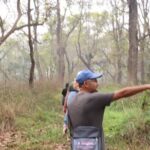
You’ll stop at Devi’s Fall, a well-known waterfall scene. The visit is short, which is good if you want to see it and keep moving rather than spending half a day.
What to expect: expect a photo-friendly stop with time to look around and get a sense of the water’s power. If it’s raining earlier in the day, conditions can change—water looks different when flow is higher.
Gupteswar Gupha (about 40 minutes)
Next is Gupteswar Gupha, a natural cave stop. You’ll get enough time to walk through and take in the setting without feeling like a rushed line-cutter.
Cave reality: it can be damp and slippery, so wear shoes that grip. This is one of those stops where being prepared matters more than speed.
World Peace Pagoda, Pokhara (about 1 hour)
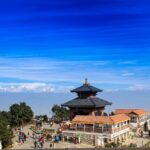
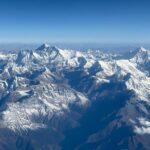
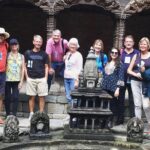
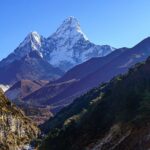
Then you head to the World Peace Pagoda, also known as a Japanese Buddhist temple on a hill with big views over the Annapurna region. This is a “pause and look” stop: it’s not just about walking to a point, it’s about taking in the view.
Why it’s worth your time: it’s one of the spots in this itinerary where the scenery does the work for you. When the weather cooperates, the viewpoint turns into the highlight of the day.
A note on entrance fees
For this day, some stops have admission fees that aren’t included. The typical plan is to budget around US$10 total for entry where needed, since the tour doesn’t include every ticket.
Sarangkot Sunrise at 5:30am: Worth the Early Wake-Up
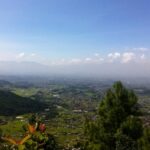
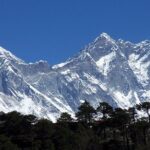
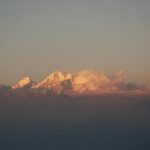
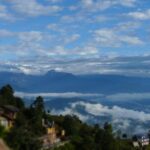
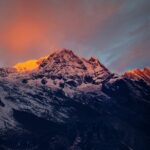
This is the schedule’s biggest “wake up and go” moment. You’ll start at 5:30am from your location in Lakeside so you can reach Sarangkot for the sunrise over the Annapurna range. Plan for cold morning air at that hour.
The payoff is the view. Sarangkot is timed for the light when mountains look sharp rather than hazy, and you’ll get about 1 hour at the viewpoint.
My practical take: sunrise trips are only worth it if you’re okay with early mornings. If you hate starting your day in the dark, this is the part of the tour that can feel like a chore rather than a reward.
A simple move: pack a light layer for early cold and keep your camera or phone charged the night before. Morning power issues are common when you’re rushing.
Fewa Tal and the International Mountain Museum: A Calm Break and Mountain Context
After the morning viewing, the itinerary shifts from viewpoints to a more relaxed rhythm.
Phewa Tal (about 1 hour)
You’ll spend time at Phewa Tal, better known as the Fewa Lake area. The tour includes a rowing boat ride for about an hour, which changes the feel of the day from lookout to slow water time.
Why the boat ride matters: it’s one of the rare chances in Pokhara to see the shoreline and lakefront atmosphere without standing still in crowds. You’ll feel the pace slow down.
International Mountain Museum (about 1.5 hours)
Then you visit the International Mountain Museum, focused on mountaineering in Nepal. The time here is longer—around 1.5 hours—so it’s meant for more than a quick look at exhibits.
What I like about adding a museum in a sightseeing-heavy route: it gives you background for what you’re seeing in the mountains. Even if you’re not a climber, you’ll come away with context that helps the Annapurna region feel real, not just scenic.
Day 3: The Return to Kathmandu and the Road-Travel Reality
On Day 3, you’ll have breakfast at 7:00am, then transfer to the bus station and ride the tourist bus back to Kathmandu. The drive is listed as about 8 hours, but you should be mentally ready for the possibility of it running longer.
This is the part where you can feel the trade-off between convenience and comfort. One key consideration from real-world experience: bumpy roads can make the return feel like two long travel days instead of one smooth trip. If you’re planning another activity immediately after arrival in Kathmandu, give yourself a buffer.
Also, check how the final drop-off works. You may not end up right at your hotel door the way you did on pickup. If you need a specific location, ask in advance how drop-offs are handled in the evening.
Price and Logistics: Is $540 Good Value?
At $540 for roughly 3 days, you’re paying for a package that includes:
- Hotel pickup and drop off in Kathmandu
- Round-trip by sharing a tourist bus between Kathmandu and Pokhara
- Full Pokhara touring with an English-speaking guide and private-car routing
- A maximum group size of 25
- Mobile ticket convenience
- Entrance costs that are only partially included (many key sights are free, some are not)
So is it worth it? For me, the value depends on two things:
1) Are you okay doing the road journey both directions rather than flying? If you are, the guided package saves you planning time and hassle.
2) Can you budget for the approx US$10 in entrance fees that aren’t included? If you can, you won’t be surprised mid-trip.
If you want the absolute most comfortable travel time, flights are faster. But if you’d rather experience the trip in one guided package with someone handling the flow, this price is reasonable for the structure you get.
Who This Tour Suits Best (And Who Should Rethink It)
This tour is a good fit if you want a high-hit schedule: sunrise at Sarangkot, the World Peace Pagoda, nature stops like Devi’s Fall and Gupteswar Cave, plus Fewa Lake and a museum.
I’d especially recommend it for:
- First-time visitors to Pokhara who want the main sights without coordination headaches
- People who like early mornings and want a sunrise viewpoint as a core experience
- Travelers who appreciate having an English-speaking guide to keep the day organized
I’d rethink it if:
- Long road days make you miserable
- You need guaranteed hotel-to-hotel timing on the return evening
- You dislike waking up at 5:30am for sunrise
Should You Book This Pokhara Tour?
If your priority is seeing Pokhara highlights in a short window with guided structure, this one makes sense. I like that the itinerary mixes big views (Sarangkot and World Peace Pagoda) with different textures of nature (water and cave) and then balances it with lake time and a museum.
My final advice: decide based on the transport trade-off. If you can handle a long, bumpy bus ride and you’re excited about the sunrise payoff, booking is a strong choice. If comfort and quick transit matter more than packed sightseeing, you might compare alternatives before committing.
FAQ
What’s included in this 3 days Pokhara tour from Kathmandu?
It includes hotel pickup and drop off in Kathmandu, a round trip sharing tourist bus transfer between Kathmandu and Pokhara, and an entire Pokhara tour with an English-speaking guide in a private car. Entrance tickets are not fully included.
Are entrance fees included?
Some stops have admission tickets marked as free, while others are not included. The tour notes entrance fees are approximately US$10 total, and lunch and dinner are also not included.
How early do I need to start for Sarangkot sunrise?
You need to start at 5:30am from your location in Lakeside to reach Sarangkot for sunrise viewing.
What kind of group size is this tour?
It has a maximum of 25 travelers.
What are the driving times like?
Day 1 is roughly a full day transfer to Pokhara (about 8 hours listed), and Day 3 is another scenic bus return to Kathmandu (about 8 hours listed). Road travel can take time on bumpy routes.
What’s the cancellation window?
You can cancel up to 3 days in advance for a full refund.
If you want, tell me your travel month and whether you prefer sunrise over everything else—I can help you judge if the early Sarangkot start will match your style.