REVIEW · KATHMANDU
8 Days Private Guided Trekking in Annapurna Circuit with Pickup
Book on Viator →Operated by Bold Himalaya Treks and Travels Pvt Ltd · Bookable on Viator
Planning your Annapurna Circuit trek around Thorong La is exciting, then oddly reassuring when logistics get handled. This 8-day private guided route covers the classic mix: jeep rides into the mountains, steady trekking through villages and forests, an acclimatization day in Manang, and the big early start over 5416m to Muktinath.
Two things I like right away are the built-in pacing help from guides (including equipment adjustments) and the way the tour wraps permits and day-to-day logistics into one package. A small consideration: the program includes shared transport for key segments even though it’s a private guided trek, and the pass day is still a serious physical test—so you’ll want a solid fitness baseline.
In This Review
- Key highlights worth your attention
- Why This Annapurna Circuit Trek Feels Well-Run From Day One
- The Value in the Price: What $260 Really Covers
- Day-by-Day: What You’ll Actually Do and What It’s Like
- Day 1: Kathmandu to Besisahar, then jeep to Chame
- Day 2: Chame to Dhikupokhari area, then Upper Pisang
- Day 3: Upper Pisang to Ngawal, then Manang
- Day 4: Manang acclimatization day (Gangapurna Lake option)
- Day 5: Manang area through Letdar to Yak Kharka
- Day 6: Yak Kharka to Thorong High Camp (4450m)
- Day 7: Thorong La Pass (5416m) to Muktinath, then drive to Jomsom
- Day 8: Jomsom to Pokhara by jeep
- Guides Make the Difference Here: Real Support, Real Momentum
- Trekking Gear and Meals: Comfort That Adds Up
- Permits and Paperwork: The Boring Stuff You Don’t Want to Deal With
- Who This Trek Suits Best (and Who Should Think Twice)
- Should You Book This 8-Day Private Annapurna Circuit Trek?
- FAQ
- FAQ
- Is pickup included for this Annapurna Circuit trek?
- Where does the trek begin?
- What is the highest point on this route?
- Are permits included?
- Are meals included?
- Are trekking poles or a sleeping bag included?
- What’s not included in the price?
- What fitness level do I need?
- What happens if weather is bad?
Key highlights worth your attention
- Guide support that’s practical, with real help when altitude hits, plus humor that keeps the mood up
- Permits handled for you (Annapurna Conservation Area Permit and TIMS card)
- A day to acclimatize in Manang, with an optional hike to Gangapurna Lake
- Thorong La Pass summit day plan, including early ascent and a descent all the way to Muktinath
- Included trekking gear if you need it, like a sleeping bag and trekking poles
Why This Annapurna Circuit Trek Feels Well-Run From Day One
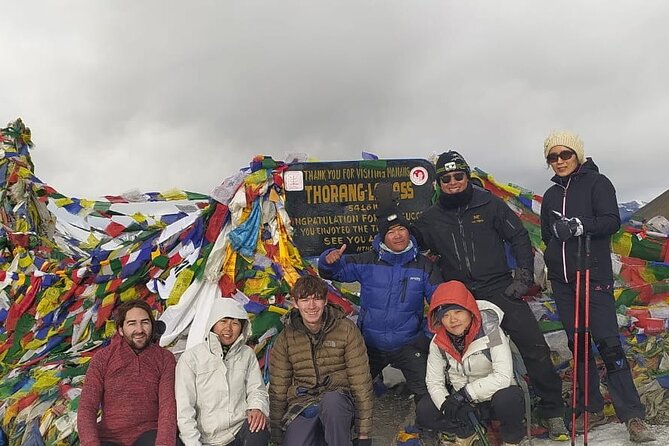
The Annapurna Circuit is popular for a reason: you get big views, changing terrain, and plenty of chances to experience everyday life in the villages along the way. What makes this trek feel different is how much of the hard-to-manage stuff gets taken care of before you step onto the trail.
For one thing, you’re not juggling paperwork. You get the Annapurna Conservation Area permit and the TIMS card included. For another, meals are already built in for most days (breakfast, lunch, and dinner), so you don’t spend your limited trail energy hunting for snacks or worrying about what you’ll eat.
And yes, you still have to hike. But you’re doing it with a guide who’s focused on keeping you moving safely, not just checking boxes.
You can also read our reviews of more guided tours in Kathmandu
The Value in the Price: What $260 Really Covers
At $260 per person for about 8 days, this isn’t a “cheap and cheerful” deal. It’s a package where you’re paying for risk management and structure: your guide has insurance, and the tour includes lodging meals (7 breakfasts, 7 lunches, 7 dinners), plus basic first-aid medicine.
You’re also getting transportation that matters. You’re not just dropped at a random trailhead—you get shared jeep transport to start segments (including from your location in Kathmandu/Pokhara/Chitwan toward Besisahar and onward by jeep). Then there’s the end-of-trek transport from Jomsom to Pokhara by jeep.
What’s not included matters too. Travel insurance and tips for the guide aren’t part of the price, and bar bills are on you. If you already have good insurance and you’re comfortable tipping appropriately, the value here looks solid.
Day-by-Day: What You’ll Actually Do and What It’s Like
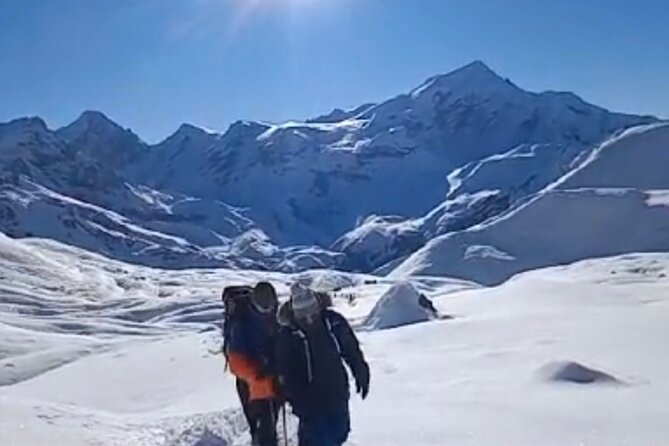
Day 1: Kathmandu to Besisahar, then jeep to Chame
You’ll drive to Besisahar, then continue by jeep to Chame. This is a long start day, but it’s a smart way to save your legs for the trek.
Why I like this approach: it gets you higher faster without wasting early energy. You also get a taste of how quickly Nepal’s terrain changes once you move away from the city.
A practical note: plan to be patient with road time. Even when the schedule looks clean on paper, you’re still riding in mountain conditions.
Day 2: Chame to Dhikupokhari area, then Upper Pisang
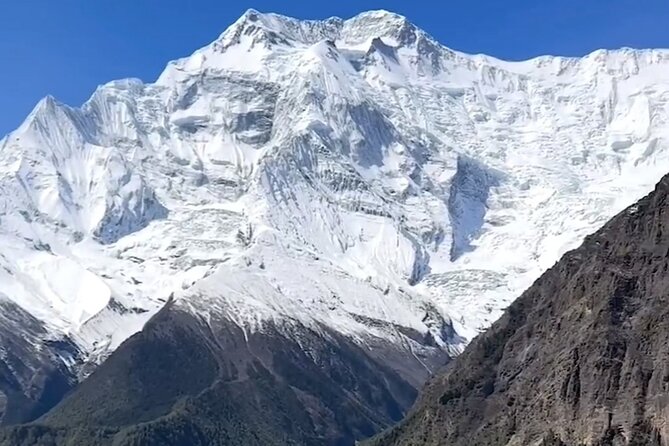
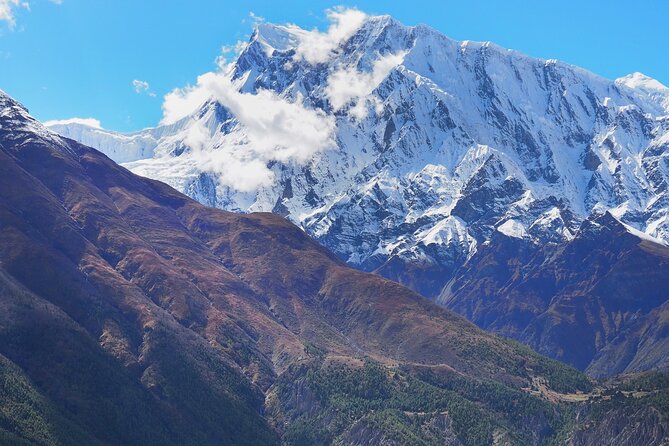
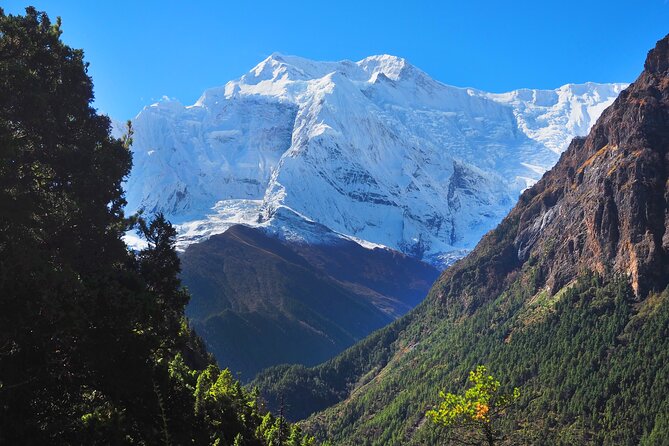
Today is forest trekking with views of Annapurna II and a stop through Dhikupokhaari village. Then you connect onward to Lower Pisang, climb up to Upper Pisang, and sleep there.
This day is a good “rhythm builder.” You’re not hit with the pass yet, but you’re getting used to altitude-adjacent hiking and changing trail character—from denser forest sections to higher village settings.
You can also read our reviews of more private tours in Kathmandu
Day 3: Upper Pisang to Ngawal, then Manang
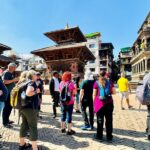
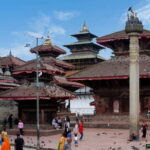
You trek to Ngawal, which is known for sharp sightlines across the Annapurna range, then continue to Manang.
Why this stop matters: Manang is a hub. By the time you get there, you’re close enough to the higher route that you can feel the trip turning from “beautiful walk” into “serious mountain itinerary.” You’ll also get to unwind after a full day of trekking and scenery.
If you’re tempted to move too fast today, resist it. Save your energy. Tomorrow’s about adjusting to altitude.
Day 4: Manang acclimatization day (Gangapurna Lake option)
This is your rest and acclimatization day. The tour includes time to settle in Manang, plus an optional hike to Gangapurna Lake.
I consider this the quiet secret weapon of the itinerary. When you give your body time here, you’re more likely to feel steadier later—especially on the higher sections that follow.
Drawback to consider: an optional hike can tempt you into doing too much. If you feel at all sluggish, keep it moderate. Acclimatization is not a trophy.
Day 5: Manang area through Letdar to Yak Kharka
You ascend through alpine terrain, pass Letdar, and reach Yak Kharka for the night.
This is where the air changes and the trail feels more exposed. Alpine days tend to be less about forests and more about constant footing and steady effort. It’s a good day for practicing your “slow and consistent” hiking style.
Day 6: Yak Kharka to Thorong High Camp (4450m)
Today you trek up to Thorong High Camp at 4450m, which sets you up for the crucial pass crossing.
This day is short on paper, but it’s high. You’re building momentum for the big summit push, and you’re also testing your breathing and energy reserves before the pass day.
The way guides handle this matters. In the feedback I’ve seen, some guests credited their guide for altitude support and for adjusting pacing when things felt off. That kind of attention can mean the difference between finishing with confidence and feeling stressed.
Day 7: Thorong La Pass (5416m) to Muktinath, then drive to Jomsom
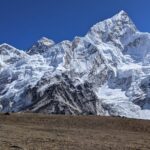
This is the headline day: start early, climb to Thorong La Pass at 5416m, then descend toward Muktinath (3800m). After that, you drive to Jomsom.
This day demands respect. Even strong hikers can feel the altitude here. The early start isn’t for drama—it’s to improve your odds of better conditions for the pass crossing.
Why Muktinath is worth the effort: you’re arriving at a place with deep spiritual significance, and the temperature swing after the pass can feel dramatic. You’ll feel the win the moment you’re safely down and moving again.
Day 8: Jomsom to Pokhara by jeep
You ride from Jomsom to Pokhara by jeep, then you land back into the lakeside vibe with time to decompress.
After days of climbing and descending, the final day is less about hiking and more about recovery. It’s when you can finally slow down, shower, and enjoy the sense that you really finished.
Guides Make the Difference Here: Real Support, Real Momentum
This is a guided trek, and the guide quality is the main differentiator. Multiple guides have been credited for being organized and supportive, including helping with pacing and equipment adjustments.
I also took note of how altitude issues are handled. One guest specifically highlighted how their guide helped when altitude sickness hit, and that support made the difference in finishing.
Practical take: on the Annapurna Circuit, you don’t just need directions. You need a plan for when your body throws a curveball. Having a guide who knows how to respond—by slowing down, offering guidance, and keeping you safe—turns this from a risky gamble into a managed challenge.
Trekking Gear and Meals: Comfort That Adds Up
If you need them, you get trekking poles and a sleeping bag included. This is useful if you’re traveling light or didn’t pack the right gear before coming.
Meals are built into the trip: breakfast, lunch, and dinner are included for the days listed as 7 of each. That reduces decision fatigue. Instead of spending time figuring out what’s open or what’s available, you can focus on hiking, rest, and hydration.
One small caution: extra meals outside the included ones aren’t covered. Keep a little flexibility in your budget and water/food strategy.
Permits and Paperwork: The Boring Stuff You Don’t Want to Deal With
You’re covered for the key admin items: Annapurna Conservation Area Permit and TIMS card are included. This matters because you don’t want to be stuck at checkpoints with missing documents.
I also like that first-aid medicine is included. It won’t solve altitude problems, but it helps with the normal trekking annoyances—small scrapes, headaches, and minor issues that can otherwise slow you down.
Who This Trek Suits Best (and Who Should Think Twice)
This trek fits best if you:
- have moderate physical fitness
- want a guided route with clear structure
- like the idea of a big, early pass day with the rest of the itinerary built around it
- appreciate logistics handled for you, especially permits and meals
It might be a tougher match if you:
- don’t handle altitude well or aren’t able to commit to a slow pace
- want a very leisurely itinerary with no big climb to Thorong La
- need a fully private transport-only experience (some segments are shared)
If you’re doing the Annapurna Circuit for your first high-altitude trek, this still can work well because the itinerary includes acclimatization time in Manang. Just be honest about your fitness and altitude tolerance.
Should You Book This 8-Day Private Annapurna Circuit Trek?
Yes, I’d recommend booking if you want the Annapurna Circuit to feel challenging but organized. The biggest strengths are guide support, good pacing, and the fact that permits and meals are already taken care of. If you’re the kind of traveler who values safety and smooth logistics, this is a strong fit.
I’d think twice if you’re looking for an easy walk or if you’d struggle with a serious day over Thorong La Pass. In that case, you’d want a different pace or itinerary design.
FAQ
FAQ
Is pickup included for this Annapurna Circuit trek?
Yes. Pickup is offered, and shared transportation is included from your location (Kathmandu, Pokhara, Chitwan) toward the trek start area.
Where does the trek begin?
You drive to Besisahar first, then continue by jeep to Chame before trekking begins.
What is the highest point on this route?
The trek includes crossing Thorong La Pass at 5416m.
Are permits included?
Yes. The Annapurna Conservation Area Permit and TIMS card are included.
Are meals included?
Yes. The package includes 7 breakfasts, 7 lunches, and 7 dinners.
Are trekking poles or a sleeping bag included?
If you need them, sleeping bag and trekking poles are included.
What’s not included in the price?
Not included: extra meals, tips for the guide, travel insurance, and bar bills.
What fitness level do I need?
The tour notes that travelers should have moderate physical fitness.
What happens if weather is bad?
The experience requires good weather. If it’s canceled due to poor weather, you’ll be offered a different date or a full refund. Cancellation is free up to 24 hours in advance for a full refund.