REVIEW · KATHMANDU
Day Hiking from Kathmandu including Nagarkot Sunrise View
Book on Viator →Operated by Green Valley Nepal Treks & Research Hub Pvt Ltd · Bookable on Viator
Sunrise here beats any alarm clock. This day hike pairs Nagarkot’s mountain panorama with private guide time so you get both views and real context, not just a walk from point A to point B. You’ll also get plenty of chances to ask questions on the road—one guide I’ve seen praised for clear answers is Kapil.
One thing to plan around: it starts early (meeting at 5:00 am) and the sunrise depends on clear weather. If skies are cloudy, you may need to accept a different date or a refund, which is the right attitude for the Himalaya.
In This Review
- Key highlights you’ll care about
- Nagarkot sunrise from Kathmandu: worth the early start
- The 5:00 am rhythm: pickup, timing, and what to wear
- Stop 1: Nagarkot sunrise view and the Everest question
- Stop after sunrise: a downhill hike through Newari and Tamang villages
- Where the culture shows up: homes, small temples, and everyday village life
- Stops for local delicacies: small eateries, big payoff
- Stop 3: Changu Narayan UNESCO temple and artisan carving traditions
- Bhaktapur Durbar Square: a cultural add-on you won’t outgrow
- Guide quality and private-group comfort (and why it matters)
- Price and value: what $65 buys you (and what you still pay for)
- Who should book this Nagarkot–Changu Narayan hike?
- Should you book it? A quick decision guide
- FAQ
- What time does the tour start?
- Is hotel pickup and drop-off included?
- How long is the hike?
- Are food and drinks included?
- What dress code do I need for temples?
- Is the tour suitable for beginners?
- What happens if the weather is cloudy for the sunrise?
- Do I need a passport for this tour?
Key highlights you’ll care about
- 5:00 am start with hotel pickup, so you don’t waste time figuring out transport
- Nagarkot sunrise viewpoint, with Everest views possible when weather cooperates
- A downhill, gentle trek through Newari and Tamang villages and terraced hills
- Stop for local snacks at tiny, family-run places along the route
- Changu Narayan UNESCO site, plus stone and wood carving traditions in action
- Bhaktapur Durbar Square as an extra culture break during the day
Nagarkot sunrise from Kathmandu: worth the early start
Nagarkot is one of those places you hear about for a reason. It’s close enough to Kathmandu for a day plan, yet it sits high enough to give you big, layered mountain views when the air is clear. This tour is built around getting you to that viewpoint early, so you’re not scrambling at the last minute in traffic or sunrise crowds.
What I like most is the pacing. You’re not signing up for a big, exhausting trek. The sunrise is the headline, and then you move into a downhill hike that stays manageable. That makes the whole thing feel doable even if you’re not a hardcore hiker.
A second big plus is the guide component. A private guide means you’re not stuck guessing what you’re looking at—mountains, stupas, village life, and the meaning behind what you see at the temple. Kapil, for example, came through in one set of feedback as someone who stayed ready with explanations and answers.
You can also read our reviews of more hiking tours in Kathmandu
The 5:00 am rhythm: pickup, timing, and what to wear
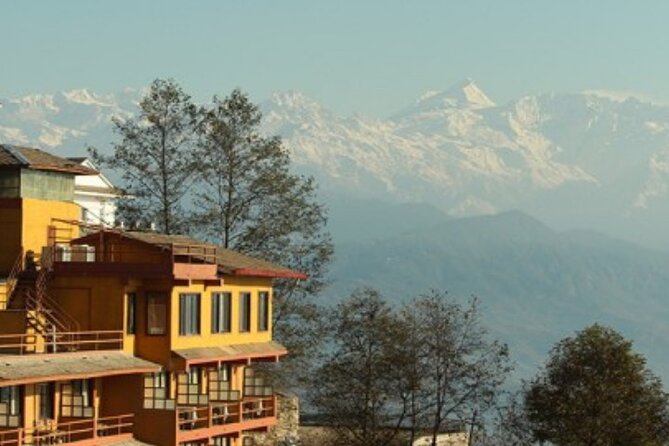
This tour starts at 5:00 am, with hotel pickup included. Translation: you’ll want to be packed and ready the night before. You’re also going to be outside early, which in Nepal can mean cool air—especially in the Kathmandu Valley edge where Nagarkot sits higher.
Practical tip: wear layers. Bring something warm for the sunrise wait, and something you can peel off during the walk. Also remember the dress code: for places of worship (and selected museums), knees and shoulders must be covered. That means no shorts and no sleeveless tops. If you ignore this, entry can be refused, and nothing ruins your morning like changing clothing in the field.
If you’re traveling with children, the tour notes that kids must be accompanied by an adult. So plan on staying together.
Stop 1: Nagarkot sunrise view and the Everest question
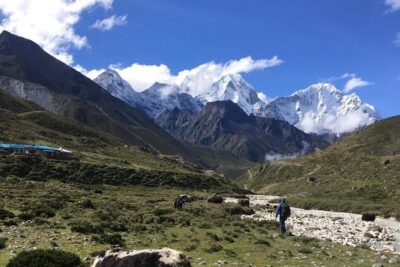
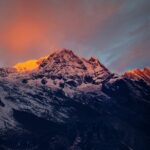
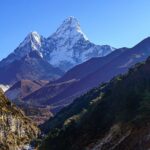
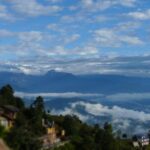
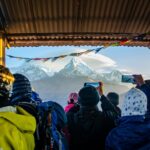
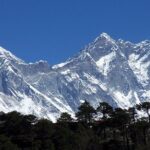
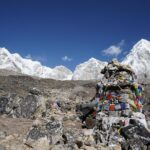
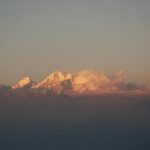
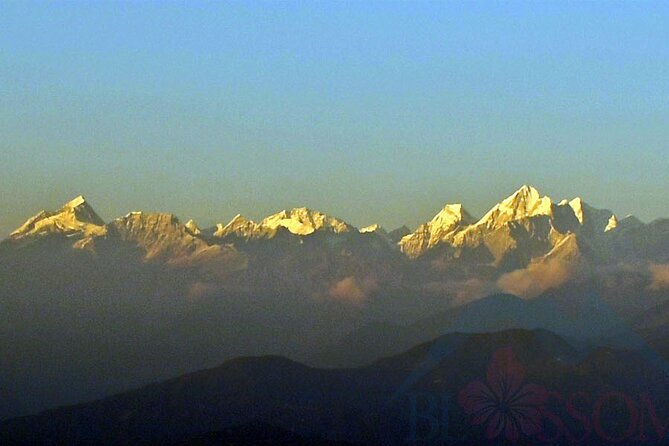
The Nagarkot portion is your best shot at seeing snow-topped peaks in the early light. The tour plan is specifically set up for the sunrise panorama, which is why the start time is so early.
Weather matters here. Clear conditions make the difference between a dramatic view and a disappointing sky. The good news: the experience is run with that reality in mind. If it’s canceled due to poor weather, you’ll be offered another date or a full refund. That’s fair, and it protects you from paying for a view that the sky simply doesn’t give.
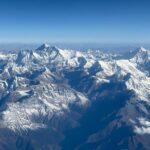
You might also hear about Everest visibility from Nagarkot. One short-hike experience description mentions Everest viewing is weather permitting. So treat Everest as a bonus, not a promise. Either way, sunrise over the Himalaya chain is still the main event.
Stop after sunrise: a downhill hike through Newari and Tamang villages
Once the sunrise moment is handled, you shift into walking. This route is described as smooth and downhill, and the goal is gentle exercise without the stress of route-finding. That matters in Nepal, where village paths can look simple on a map but are easy to misread on the ground.
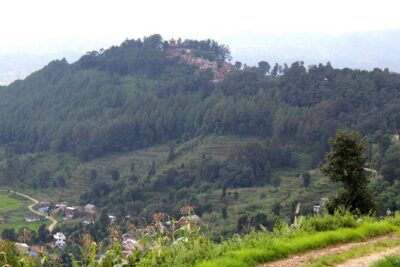
You’ll pass through local Newari and Tamang homes and terraced farmland. This isn’t just a scenery hike. Village architecture and daily routines are part of the walk. Even when you’re not stopping for long, you’ll feel like you’re moving through real communities rather than scenery being staged for tourists.
Expect uneven ground in places. One detailed account noted paths that are fairly flat but uneven and sometimes paved. In other words: you don’t need trekking poles, but you do need decent walking shoes and attention underfoot.
Where the culture shows up: homes, small temples, and everyday village life
A lot of day hikes in the Kathmandu region focus on getting you from a viewpoint to a temple. This one includes the in-between stuff that makes the valley feel like a living place. You’re not just seeing buildings. You’re seeing how people live around them—homes in red-brick Tamang areas, Newari communities, and the kind of religious markers you find threaded through village paths.
One helpful thing is that you’re going with a guide who can connect what you see to what it means. In feedback from Kapil-led walks, people appreciated explanations about the mountains, the areas you walk through, and the stupas visited. That’s the difference between taking photos and understanding what you’re looking at.
If you like travel that mixes movement with meaning—without turning into a museum day—this format fits well.
You can also read our reviews of more tours and experiences in Kathmandu


Stops for local delicacies: small eateries, big payoff
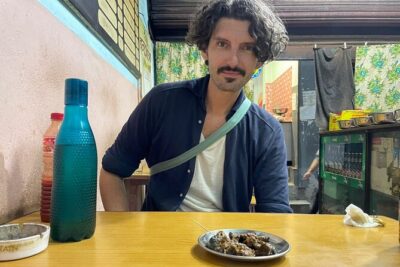
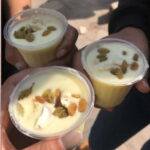
Along the trail, you’ll have opportunities to stop at tiny, family-run eateries and sample local delicacies. Since food isn’t included, you should treat these stops as optional but worth it. This is where you can try simple, everyday tastes that are hard to replicate later in a hotel.
Because food and drinks aren’t included in the tour price, you’ll want to budget a little extra. Keep it flexible: buy a snack when you feel hungry and when the place looks like it’s part of the village rhythm rather than a tourist-only counter.
Practical tip: bring some cash. The tour doesn’t guarantee food is pre-paid, and small places may not be set up for cards.
Stop 3: Changu Narayan UNESCO temple and artisan carving traditions
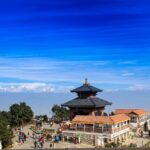
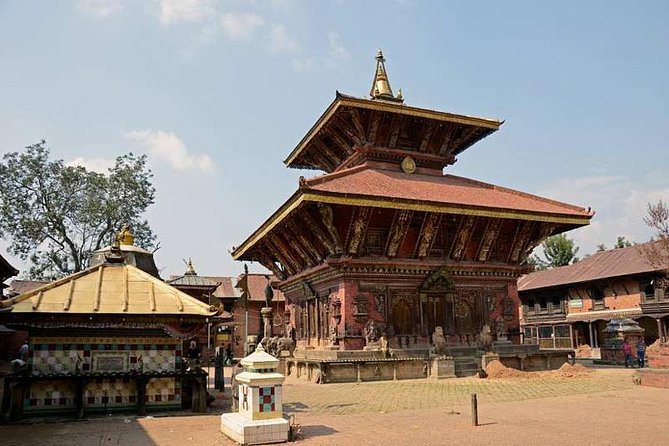
The hike ends at Changu Narayan, a UNESCO World Heritage site. This is a major reason the tour feels more complete than a basic sunrise-and-return plan.
Changu Narayan isn’t just a temple stop for photos. You also get a peek at traditional stone and wood carving traditions and artisans at work. Seeing craft in motion changes how you understand a heritage site. Instead of treating it like a static monument, you watch the skills that keep it alive.
This is also where the dress code becomes non-negotiable. Plan your outfit so you can enter without friction: knees and shoulders covered for everyone.
Also, keep your expectations realistic. Temples and artisan areas are working spaces. Move slowly, be respectful, and don’t rush people mid-process. The reward is that sense of continuity—this isn’t only about the architecture; it’s about the hands behind it.
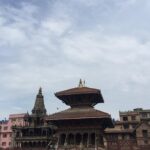
Bhaktapur Durbar Square: a cultural add-on you won’t outgrow
Your day includes a stop at Bhaktapur Durbar Square. If you’re starting the day with mountains and village walks, this is the pivot to urban heritage.
Durbar squares are all about the mix of courtyards, carved stone, and religious-political architecture. Even if you’ve seen photos before, it hits differently when you’re walking through it and noticing the details up close. It’s also a good time to slow down after the hike, grab a breath, and reset.
One note: because the day includes a temple visit and a dress code, you’ll probably want to keep the same outfit plan. Wear something comfortable enough for walking, yet covered enough for worship spaces.
Guide quality and private-group comfort (and why it matters)
This is a private tour/activity. Only your group participates, so you’re not trapped in a large crowd moving on someone else’s schedule. That private setup is part of why this tour is a good fit if you want questions answered and photos made without stress.
Green Valley Nepal Treks & Research Hub Pvt Ltd is the provider, and punctuality shows up in feedback. People reported pickup arrangements handled smoothly, with no need for follow-up, and in one case the guide and driver arrived on time with refreshments. That’s a real quality signal for a 5:00 am start. Early mornings are where logistics either work or fall apart. This tour is built to function.
Guides may be multilingual. That’s helpful if you want explanations without language gaps. If you do have specific interests—mountain facts, village life, carving traditions—tell your guide early. In a private format, you’ll likely get more tailored answers.
Price and value: what $65 buys you (and what you still pay for)
At $65 per person for about 5 hours, this isn’t a budget “just a ticket” deal. You’re paying for hotel pickup and drop-off, and for transport by private vehicle, plus the guide service and the included fees. For a Kathmandu Valley day that combines sunrise logistics and a short hike, that value makes sense.
What’s not included is important. Food and drinks are not included, and lunch isn’t included. Alcoholic drinks are available for purchase, and souvenir photos are extra. So you should plan on spending some cash during snack stops and for any meal you choose.
My rule of thumb: when food isn’t included, you’re choosing between two styles:
- light snacking and staying flexible with what’s offered on the trail
- bringing an appetite strategy (and extra water) so you’re not deciding at the last second
Either way, budget a little more than the headline price if you like to eat your way through the day.
Who should book this Nagarkot–Changu Narayan hike?
This tour suits you if you want:
- a short, guided Himalayan day that starts with sunrise
- a hike that’s gentle enough for most people with moderate fitness
- cultural time that goes beyond a single temple photo
- private guidance so you can understand what you’re seeing
It may not fit you as well if:
- you hate early mornings
- you need guaranteed sunrise regardless of weather (this is weather dependent)
- you’re looking for a long, strenuous trek
If you’re solo and want safety without doing a self-guided hike, this kind of structure is especially appealing. One solo-focused experience description referenced finding a day trekking option through Green Valley company, which matches the idea that you can do this without committing to a full multi-day trekking plan.
Also, if you’re visiting Kathmandu and want a day that feels like Kathmandu Valley life—mountain views, village paths, and heritage sites—this gives you a full mix without feeling like a marathon.
Should you book it? A quick decision guide
Book it if Nagarkot sunrise is on your must-do list and you’d enjoy a gentle downhill hike with real village context. The combination of sunrise timing, guide explanations, and an artisan-focused UNESCO finish makes the tour feel more rounded than a simple viewpoint trip.
Skip or postpone if you can’t handle the 5:00 am start or if you’re traveling with limited flexibility around weather. Since sunrise clarity drives the payoff, treat the sky as a co-host.
If you’re ready for a practical, early, village-to-temple day with a private guide, this is a strong choice.
FAQ
What time does the tour start?
The tour start time is 5:00 am.
Is hotel pickup and drop-off included?
Yes. Hotel pickup and drop-off are included, along with transport by private vehicle.
How long is the hike?
The duration is about 5 hours.
Are food and drinks included?
Food and drinks are not included, including lunch. Alcoholic drinks may be purchased.
What dress code do I need for temples?
For places of worship and selected museums, knees and shoulders must be covered for both men and women. Shorts and sleeveless tops are not allowed.
Is the tour suitable for beginners?
It’s designed for moderate physical fitness levels and includes a gentle, downhill hike. You should still have comfortable walking shoes because paths can be uneven.
What happens if the weather is cloudy for the sunrise?
The experience requires good weather. If it’s canceled due to poor weather, you’ll be offered a different date or a full refund.
Do I need a passport for this tour?
Yes. Passport name, number, expiry, and country are required at booking, and you need a current valid passport on the day of travel.