REVIEW · KATHMANDU
Kathmandu Full Day Tour
Book on Viator →Operated by Outfitter Nepal · Bookable on Viator
Four shrines in one efficient day.
This Kathmandu Full Day Tour strings together major Hindu and Tibetan Buddhist sites, with a local guide explaining what you’re looking at as you go. I like that it starts with Swayambhunath and moves through Kathmandu Durbar Square, then continues to Pashupatinath and Boudhanath—a smart way to get oriented fast. One watch-out: entrance fees for the UNESCO sites are not included, so your final cost will be higher than the headline price.
My favorite part is the “you don’t have to hunt for the meetup” design: hotel pickup and drop-off plus small-group flow. I also really like that the tour targets two religions you’ll hear nonstop in Kathmandu—Hinduism and Tibetan Buddhism—so the day feels like more than sightseeing snapshots.
The only real drawback to plan for is logistics around the sites themselves, including possible earthquake-era damage at some monuments and added walking time on uneven ground. If your day is tightly paced, you’ll want good shoes and a calm expectation of crowds.
In This Review
- Key things to know before you go
- Why this Kathmandu highlights loop is such a good first-day plan
- Stop 1: Swayambhunath stupa and the Kathmandu “welcome” moment
- Stop 2: Kathmandu Durbar Square and the Hanuman Dhoka area
- A key context point for 2015 earthquake damage
- Stop 3: Pashupatinath Temple and Shiva worship in a living place
- How to get more out of the hour
- Stop 4: Boudhanath stupa, the big finale you can’t ignore
- A note on food and the timing of lunch
- Getting around: hotel pickup, private transportation, and a small group cap
- One rare risk to consider
- Price and value: what $70 really buys you in Kathmandu
- Guide quality and pacing: English explanations, plus one caution
- What I’d do before you start
- Which type of traveler should choose this tour
- Should you book the Kathmandu Full Day Tour?
- FAQ
- How long is the Kathmandu Full Day Tour?
- What are the main stops on the tour?
- Is hotel pickup and drop-off included?
- Is lunch included in the price?
- Do I need to pay entrance fees for the UNESCO sites?
- What’s the group size limit?
- Does the tour operate every day?
- Do you get a guide, and is it in English?
- Can I cancel for a full refund?
Key things to know before you go
- UNESCO highlights in one circuit: Swayambhunath, Kathmandu Durbar Square, Pashupatinath, and Boudhanath
- Hotel transfers included: Pickup and drop-off so you can focus on the sites, not directions
- Local guide with strong storytelling: Recent guests highlighted guide English and clear explanations
- Budget entrance fees: UNESCO site access can add about 2600 NPR per person
- Small-group cap: Maximum of 30 travelers, with a small-group departure style
- Earthquake damage context: Some areas may still show 2015 damage
Why this Kathmandu highlights loop is such a good first-day plan
Kathmandu can feel like sensory overload on day one. This tour helps by doing two things at once: it compresses the most important sights into about 6 hours, and it gives you a guide who ties each place to the wider story of Nepalese culture.
You’ll spend roughly one hour at each major stop, which is a nice rhythm. It’s long enough to look around, pause for photos, and ask questions. It’s short enough that you don’t end up temple-weary, especially if you’re already adjusting to altitude and early-morning Kathmandu traffic.
Also, the religion mix is the clever part. You’re not bouncing between random monuments. You’re tracing the religious geography of the Kathmandu Valley—Hindu temples and Tibetan Buddhist stupa culture side by side—so the city makes more sense as the day goes on.
You can also read our reviews of more tours and experiences in Kathmandu
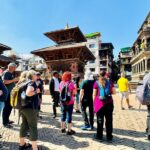
Stop 1: Swayambhunath stupa and the Kathmandu “welcome” moment
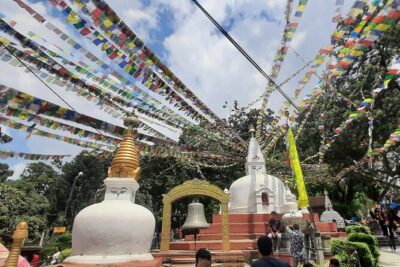
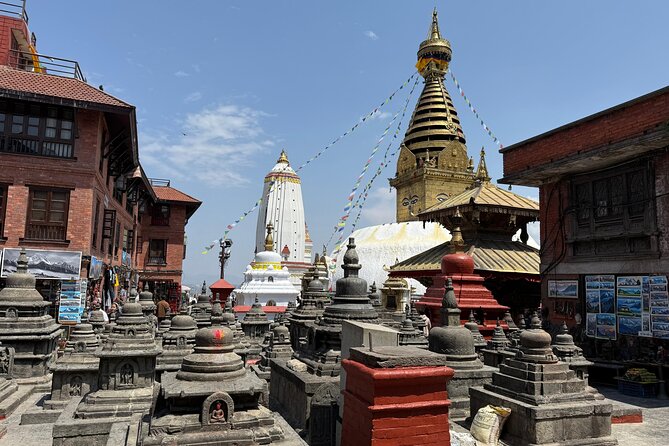
Swayambhunath is your starting point, and it works well because it sets the tone immediately. This Tibetan Buddhist stupa is one of Kathmandu’s big spiritual anchors, and beginning here gives you a visual baseline for what you’ll keep seeing all over town.
You’ll have about one hour here. Since UNESCO site access is not included, you should expect to pay entrance fees on the day (your total UNESCO access cost is listed as approximately 2600 NPR per person). If you want to avoid surprises, keep some cash handy in small notes.
A practical tip: build a little time cushion for crowds and movement through temple areas. Even with a schedule, you’ll likely hit slowdowns near gates and viewpoints. Wear something you can walk in comfortably, because “one hour” can feel like less if you’re constantly stopping to re-position yourself.
Stop 2: Kathmandu Durbar Square and the Hanuman Dhoka area
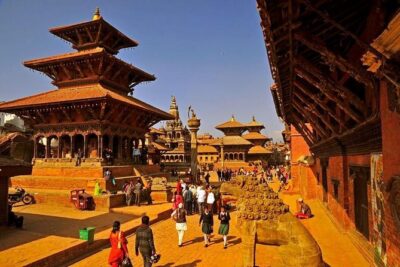
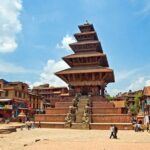
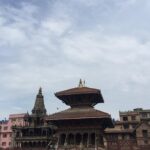
Next comes Kathmandu Durbar Square, also known as Hanuman Dhoka / Basantapur. This is the kind of place that rewards you for slowing down, because you’re not just looking at one building—you’re looking at a whole complex of palaces, courtyards, and temples that reflect older royal Kathmandu.
You get about one hour at this stop. Again, entrance fees are not included, so treat it as another place where UNESCO access costs may apply.
A key context point for 2015 earthquake damage
The tour description flags that there has been significant damage to some sites visited due to the earthquakes in April and May 2015. That matters here. In practice, it may mean you’ll see restoration work, damaged sections, or areas that don’t feel fully intact. Instead of being disappointed, I’d use that as your lens: you’re seeing both cultural heritage and the reality of recovery.
If you enjoy architecture and want to understand why things look the way they do today, this stop is a strong choice. Your guide’s job here is especially valuable—listening to the story behind what’s preserved (and what isn’t) helps you see past “scaffolding fatigue.”
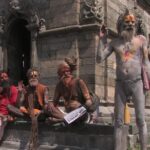
Stop 3: Pashupatinath Temple and Shiva worship in a living place
Then you’ll head to Pashupatinath Temple, devoted to Lord Shiva. This site is one of the four most important Shiva destinations in Asia for devotees, and the tour notes it was built in the fifth century and later redesigned by Malla rulers.
That timeline is why this stop feels different. Durbar Square tells a royal-culture story. Pashupatinath is a devotional rhythm story—something that still matters deeply to worshippers.
You’ll get about one hour here, with entrance fees likely applying again. The tour is designed to keep things moving, but this is one of those places where your brain will want to linger. If you find yourself slowing down, don’t fight it. Just know the schedule is there for a reason: it helps you see Boudhanath too, not just one temple.
How to get more out of the hour
Ask your guide a simple question early in your visit: what does this site represent, and how does it connect to other Hindu sites you’ll notice around Kathmandu? In past guest experiences with this tour style, the best results come from guides who can explain what you’re seeing without turning it into a lecture.
Stop 4: Boudhanath stupa, the big finale you can’t ignore
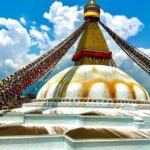
Finally, you’ll reach Bouddhanath (Boudhanath) stupa, described as the largest in the Kathmandu Valley and reaching about 36 meters high. It’s a major Tibetan Buddhist center, and the size alone makes it feel like a natural ending point.
You’ll have about one hour here. Expect another round of entrance fees since UNESCO access isn’t included. Even if you don’t love paying extra, this is one of those cases where the site is the point—this stupa is the visual anchor of the area.
A note on food and the timing of lunch
Lunch isn’t included on this tour. That said, you may find lunch options nearby if your timing works out. One guest specifically mentioned eating above the Buddha Stupa area during their day—so it’s not unusual for people to plan a meal around the Boudhanath stop.
If you want a smoother day, eat something earlier before the tour starts, then treat lunch as a decision you make when you’re close—rather than a fixed plan you must stick to.
Getting around: hotel pickup, private transportation, and a small group cap
The logistics are one of the best parts of this experience. You get hotel pickup and drop-off, which saves you the early-day stress of figuring out where to meet and when.
Transport is listed as private transportation, and the group size is capped at 30 travelers. In other words, it’s not a massive bus tour where you can’t hear your guide. It’s still a group, but it’s designed to stay manageable.
One thing I do want you to understand: small groups still mean walking between pickup points. Some guests described getting collected by walking briefly to connect with the rest of the group. It’s usually not a problem, but it is something to keep in mind if you’re carrying a lot of gear or you’re not used to Kathmandu sidewalks.
One rare risk to consider
A minority of feedback mentioned a vehicle issue mid-journey, with the group asked to walk while a replacement was arranged. That’s not something you can fully control, but it’s worth considering if you’re sensitive to heat, dust, or delays. The practical fix is simple: bring water, and don’t plan a second commitment right after the tour ends.
Price and value: what $70 really buys you in Kathmandu
The price is $70.00 per person, booked on average about 8 days in advance, and it includes several helpful items: a local guide, pickup and drop-off, a small-group departure, private transportation, and a mobile ticket.
What’s not included:
- Lunch
- Entrance fees to visit UNESCO sites (approx 2600 NPR per person)
- Shopping
So the real value question is: does paying entrance fees and potentially lunch still make sense compared with the alternative—hiring separate drivers, trying to organize timings yourself, or doing fewer sites?
For most first-time visitors, the answer is yes. You’re buying time efficiency, route planning, and guide interpretation across four major destinations. You’re also buying a structure that reduces decision fatigue.
If you’re the kind of traveler who wants to linger in one place and slow down in another, you might feel rushed. But if you want an effective overview and you don’t want to spend your first day in Kathmandu doing logistics, this price structure is pretty reasonable.
Guide quality and pacing: English explanations, plus one caution
This tour lives and dies by the guide. The positive feedback points strongly to guides who can make the sights click through story and clarity. One guest highlighted Birodh Burlakoti, praising his English and explaining that the information made the sites feel real rather than like a checklist.
You should also know pacing can vary. Some feedback mentioned a guide with fast momentum, making it hard for even younger or less fit members to keep up. That doesn’t mean the tour is unsafe or extreme—it just means you should come ready to move.
What I’d do before you start
- Wear comfortable shoes with grip.
- Bring water.
- If you have limits, tell your guide early so they can adjust how the group moves.
A good day is partly about what you ask for. The guide can’t read your body, so give them the heads-up.
Which type of traveler should choose this tour
This is best for:
- First-time visitors who want major landmarks without spending your day planning routes.
- Travelers who like cultural context and want Hindu and Tibetan Buddhist traditions explained side by side.
- People who prefer hotel transfers and a simple plan over navigating meetings and transit alone.
It’s less ideal if:
- You hate group schedules and want total freedom.
- You’re expecting a tour where everything is included and there are no extra payments on-site.
- You’re very delay-sensitive, especially if you’re also managing tight onward plans later the same day.
Most people can participate, but you’ll still be walking in old-city areas, around monuments, and through crowds.
Should you book the Kathmandu Full Day Tour?
If your goal is a structured first day—Swayambhunath, Kathmandu Durbar Square, Pashupatinath, and Boudhanath—with hotel pickup and a guide who helps you connect the dots, I’d say this is a strong booking.
Book it if you:
- Want a single day overview of Kathmandu’s spiritual heart
- Appreciate not hunting for meeting spots
- Are okay budgeting extra for UNESCO entrance fees (about 2600 NPR per person) and handling lunch separately
Skip it if:
- You want a slow, solo pace with no schedule
- You don’t want to deal with earthquake-era damage context and the realities of crowded, public religious sites
If you decide to go, come prepared with cash for entrance fees, comfortable shoes, and a mindset that this is a guided circuit. Then you’ll leave with Kathmandu feeling less mysterious.
FAQ
How long is the Kathmandu Full Day Tour?
It’s about 6 hours (approx.) total.
What are the main stops on the tour?
The tour includes Swayambhunath Temple, Kathmandu Durbar Square, Boudhanath Stupa, and Pashupatinath Temple.
Is hotel pickup and drop-off included?
Yes. The tour includes pickup from your hotel and drop back after the tour.
Is lunch included in the price?
No. Lunch is not included.
Do I need to pay entrance fees for the UNESCO sites?
Yes. Entrance fees to visit UNESCO sites are not included, and they’re listed as approximately 2600 NPR per person.
What’s the group size limit?
There’s a maximum of 30 travelers.
Does the tour operate every day?
Yes. Opening hours are listed Monday through Sunday, 9:15 AM to 5:15 PM.
Do you get a guide, and is it in English?
A local tourist guide is included. Recent feedback specifically mentions strong English (for example, guide Birodh Burlakoti), but language can vary by guide.
Can I cancel for a full refund?
Yes. The policy is free cancellation if you cancel at least 24 hours before the experience starts. If you cancel within 24 hours, you won’t get a refund.