REVIEW · KATHMANDU
Kathmandu Walking Tour
Book on Viator →Operated by Himalayan NamoBuddha Travel & Treks Pvt Ltd · Bookable on Viator
Kathmandu on foot is the fastest way to get your bearings, and this private walking tour is built for small, street-level discoveries. You’ll spend about two hours with an English-speaking guide, watching how the city works through markets, temples, and everyday routines—no big bus tour vibes.
I like two things most: the front-door pickup and drop-off for hotels in Thamel, and the practical extras that make the walk easier. You also get bottled water and a complimentary city map, and the guiding style can be flexible (for example, Bipin has been punctual and patient with slower pacing when someone needed it).
One consideration: entrance costs for monuments are not included, and this walk is not a guaranteed full set of major sites. If you’re specifically hunting paid attractions, plan to pay as you go.
In This Review
- Key things to know before you go
- What this Kathmandu Walking Tour is really like
- Pickup and logistics: smooth start, easy finish
- The guide factor: what makes the walk feel personal
- Ason Bazaar: the oldest market stop (and why it’s worth it)
- What the walking time is likely for (beyond the market)
- Small inclusions that change comfort: water and a map
- Price and value: is $26 a good deal?
- Who this tour suits best
- A reality check: what you should not expect
- How to get the most out of your 2 hours
- Should you book Kathmandu Walking Tour?
- FAQ
- What’s included in the Kathmandu Walking Tour?
- How long is the tour?
- Where does the tour start and end?
- Is Ason Bazaar part of the tour?
- Do I need to pay monument entrance fees?
- What’s the cancellation policy?
Key things to know before you go
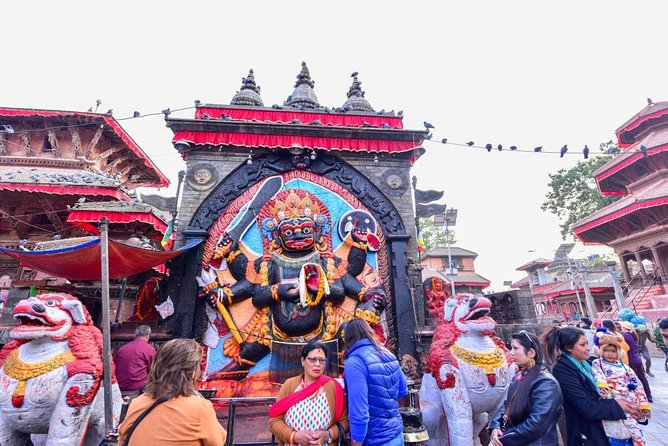
- Private, just your group: You won’t be squeezed into a crowd, so it’s easier to ask questions.
- Ason Bazaar is the anchor stop: The tour includes a visit to Ason Bazaar, Kathmandu’s oldest market, with free admission for that stop.
- Thamel pickup/drop-off: If your hotel is in Thamel, your guide can meet you right at the front door.
- Short market time: The Ason Bazaar stop is listed at about 15 minutes, so it’s a taste, not a long browse.
- Bottled water plus a map: Small extras that help you stay comfortable and find places again after the walk.
- Flexibility with real-life needs: A real example from past guests shows the guide can adapt pacing when needed.
What this Kathmandu Walking Tour is really like
This is a half-day private walk designed to feel like you’re hanging out with someone who knows where locals actually go. The pace is meant to be human-scale: you’ll cover enough ground to notice how neighborhoods connect, but not so much that you’re exhausted after two hours.
The tour is priced at $26 per person, and the value comes from what’s included: a local English-speaking guide, all government taxes, bottled water, and a map. Most other costs are optional. That mix works well if you want context without constantly reaching for your wallet.
You also start at 8:15 am from a very central point: Kathmandu Guest House Road. That early timing matters in Kathmandu. Mornings usually feel calmer for walking, and it’s easier to observe morning market activity and daily temple routines without the late-day crush.
You can also read our reviews of more walking tours in Kathmandu


Pickup and logistics: smooth start, easy finish
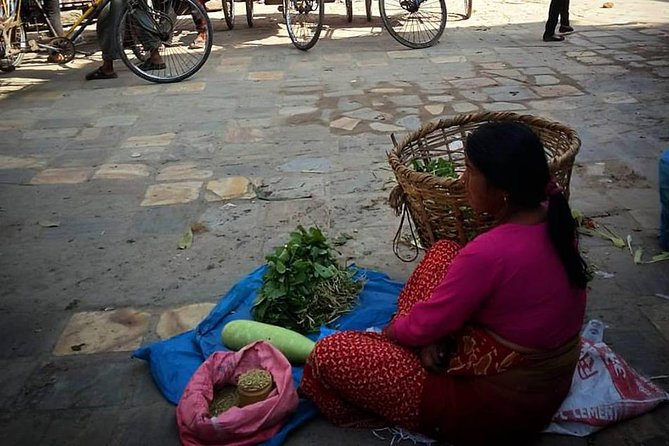
The biggest practical win is the front-door pickup and drop-off for hotels within Thamel. If you’re staying around Thamel, it saves time and hassle. You don’t have to wrangle a taxi, meet in a remote spot, or guess which alley your guide means.
If you’re not in Thamel, the tour still ends back at the meeting point, and it’s near public transportation. That means you can usually connect to it without a major detour.
You’ll also use a mobile ticket, and confirmation is sent within 48 hours of booking (based on availability). For me, that combination is about reducing uncertainty. You get the ticket formality, but you’re not waiting around forever to learn whether you’re confirmed.
The guide factor: what makes the walk feel personal
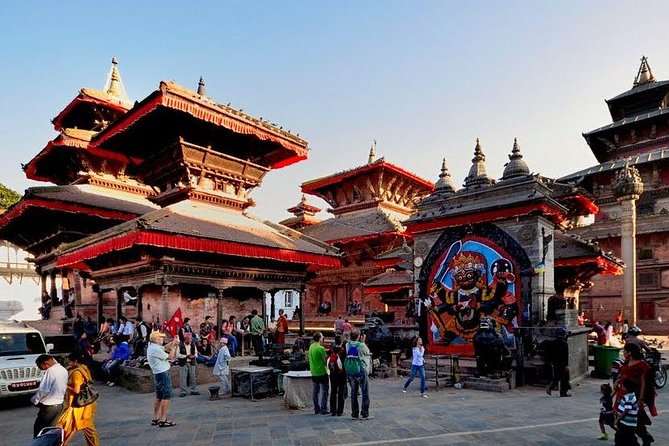
This tour runs with a local English-speaking guide, and that changes the whole tone of the experience. When someone can explain what you’re seeing, Kathmandu stops being a blur of streets and buildings. You start connecting the dots—why a market is where it is, why certain spaces matter to locals, and how daily life shapes the city’s look and feel.
A past guest experience highlighted Bipin specifically: punctual, patient, and able to wait for a slightly delayed start tied to breakfast. That’s a small thing, but it matters. In places where schedules can be fluid, a guide who shows up on time and communicates well makes the experience feel safe and respectful.
It also helps that this is private. You can ask more follow-up questions, ask for slower pacing, or get clarification about what you’re looking at right then.
Ason Bazaar: the oldest market stop (and why it’s worth it)
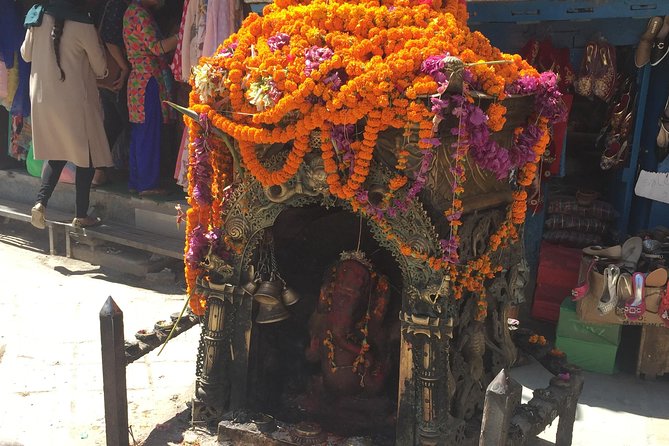
Your itinerary lists Stop 1: Ason Bazaar. It’s described as Kathmandu’s oldest market, and the admission for this stop is free. It’s scheduled for about 15 minutes, so think of it as your first real “street lesson,” not an all-day shopping spree.
In practice, this kind of market stop is valuable because it gives you a baseline for the city. Markets aren’t just places to buy things. They’re social hubs where locals move through their day, where you can watch routines, and where the city’s economy shows up in human scale.
With only 15 minutes, the best approach is to go in with a simple goal: pick one or two things to look at closely—how people move, how goods are arranged, what kinds of everyday items you notice first. Then ask your guide what the market’s role is in Kathmandu life and why it has lasted through so many changes.
If you love markets, you’ll likely want to return on your own after the tour. This stop is a sampler, and the map you receive helps you find your way back without guessing.
What the walking time is likely for (beyond the market)
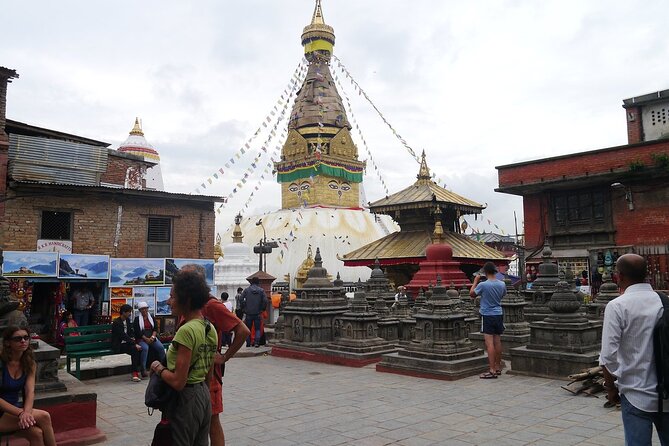
Even though Ason Bazaar is the only stop named in detail, the overall tour focus is clear: heritage, culture, and local communities seen through temples and markets. That usually means you’ll spend the rest of the two hours walking through neighborhoods where everyday life is visible.
Here’s what that translates to for you:
- You’ll get guided explanations tied to what you’re actually passing, instead of hearing generic history.
- You’ll have chances to observe how people use temple spaces and market streets as part of normal routines.
- You’ll see Kathmandu as a lived-in city, not just a photo backdrop.
Because monuments entrance fees are not included, the walk likely favors viewpoints and outdoor viewing tied to the neighborhoods you pass. If you’re hoping for a long list of paid-entry sites, don’t assume they’re all covered. Ask your guide at the start what you’ll see, and decide on the spot whether you want to pay to enter anything specific.



Small inclusions that change comfort: water and a map
Two inclusions may sound minor, but they matter on a city walk: bottled water and a complimentary city map.
Water keeps you steady, especially in warmer parts of the day or if you end up walking a bit slower. The map helps you keep the tour’s geography in your head after you finish. Kathmandu can feel like a maze of lanes, so having something concrete to reference is a real advantage.
If you plan to explore more that same morning, the map is also handy for plotting your next stop. You’ll leave with more context than you would from just following a route blindly.
Price and value: is $26 a good deal?
At $26 per person, this is positioned as an affordable private experience. The value is strongest if you care about:
- learning from an English-speaking guide,
- having pickup and drop-off in Thamel, and
- getting a short, focused walk rather than a long, expensive day tour.
You’re not paying for monument entrances here. That’s good if you only want to view things from outside. It’s also good if you’re deciding in real time what’s worth entering.
The one trade-off is time. Two hours means you’ll cover highlights, not everything. If your goal is “maximum major sights,” you may need to pair this tour with additional exploration afterward. If your goal is “understand Kathmandu at street level,” this price-to-time ratio makes a lot of sense.
Who this tour suits best
This Kathmandu Walking Tour fits best if you’re:
- staying in Thamel and want the easiest possible logistics,
- short on time but still want context from a guide,
- curious about how locals move through markets and temple areas, and
- the type of traveler who likes walking for small discoveries more than checking off a list.
It also tends to work well for couples and solo travelers because it’s private and geared toward conversation. Most travelers can participate, and the tour has shown it can adapt to slower pacing when someone needs it.
A reality check: what you should not expect
Based on the tour’s structure and what’s included, don’t expect it to function like a paid-entry monument marathon. Monument entrance fees aren’t included, and the tour is aimed at neighborhood heritage and local life.
If you have a specific big-ticket target (a major square or a famous structure you want to enter), treat this as orientation plus guided street context. Then, after the walk, decide whether you want to add paid sites on your own.
How to get the most out of your 2 hours
To make the most of the short duration, I suggest you come with a few mindset tweaks:
- Pick two questions before you start. Examples: What makes this market important? How do locals use temple spaces in daily life?
- Move with your guide’s pace, not your own. If you’re tired, say so early. This kind of private setup is easier when you communicate.
- Treat Ason Bazaar like a first contact. Look closely for what surprises you, then plan a longer return later if you want more.
Also, bring practical basics: comfortable walking shoes and a small bottle of cash just in case you decide to pay for an entrance at a monument you didn’t expect.
Should you book Kathmandu Walking Tour?
I’d recommend booking this tour if you want a low-stress, private introduction to Kathmandu that includes a local English-speaking guide, Thamel pickup/drop-off, bottled water, and a map. For the money, you’re buying interpretation, not just walking.
Skip it or pair it carefully if you’re chasing a long checklist of major paid attractions in a tight schedule. This walk is better at giving you context and street-level understanding than at ticking every monument box.
If you’re unsure, message your host with your must-see priorities before you go. With private guiding, it’s often the difference between a generic walk and a tour that matches your interests.
FAQ
What’s included in the Kathmandu Walking Tour?
The tour includes a local English-speaking guide, bottled water, a complimentary city map, and all government taxes. Pickup and drop-off are included for hotels within Thamel.
How long is the tour?
It runs for about 2 hours.
Where does the tour start and end?
The tour starts at Kathmandu Guest House Road (Kathmandu Guest House Rd, Kathmandu 44600, Nepal) at 8:15 am and ends back at the meeting point.
Is Ason Bazaar part of the tour?
Yes. Ason Bazaar is listed as Stop 1, scheduled for about 15 minutes, and the admission ticket for that stop is free.
Do I need to pay monument entrance fees?
Monuments entrance fees are not included. If you want to enter paid monuments, you’ll need to pay separately.
What’s the cancellation policy?
You can cancel for a full refund up to 24 hours before the experience’s start time. If it’s canceled due to poor weather, you’ll be offered a different date or a full refund.