REVIEW · KATHMANDU
Everest Base Camp Trek from Kathmandu 12 Days
Book on Viator →Operated by My Dream Adventure (MDA) · Bookable on Viator
A long flight to altitude is worth it. This is the classic Everest Base Camp trek with big Himalayan views and real Sherpa village life along the route. You’ll climb in stages, hit key rest days, and finish with the famous viewpoints that most hikers dream about.
Two things I really like: first, the trek is led by an English-speaking guide, and the reviews specifically praise guides such as Milan, Bikram, Sagar, and Bishnu for making the plan smooth and the days safer. Second, you’re not stuck figuring out logistics—round-trip Kathmandu to Lukla flights, permits, and guest-house accommodation are all built into the package.
One consideration: this trek depends on early Lukla flights and the reality of thin air. If weather or your fitness level isn’t steady, you’ll feel it—so plan to take acclimatization seriously and don’t treat the days as easy hikes.
In This Review
- Key Highlights You’ll Care About
- Why Everest Base Camp Still Works (Even If You’ve Seen Photos)
- Flights, Permits, and the Real Meaning of Included Logistics
- From Kathmandu to Lukla to Phakding: Your First Taste of the Khumbu
- Namche Bazaar: The Acclimatization Day That Makes or Breaks the Trek
- Tengboche and Dingboche: Monasteries Plus High-Altitude Breathing
- Lobuche to Gorakshep to Everest Base Camp: When the Trail Gets Serious
- Kala Patthar Early Start and the Long Walk Back to Namche
- Day 12: Flying Back to Kathmandu and Why the Finish Feels Different
- Guides Matter More Than You Think: Milan, Bikram, Sagar, Bishnu
- Who This Trek Suits Best (And Who Should Rethink It)
- Should You Book This Everest Base Camp Trek?
- FAQ
- What’s the total duration of the Everest Base Camp trek from Kathmandu?
- Are round-trip flights between Kathmandu and Lukla included?
- Are trekking permits and TIMS card included?
- What kind of accommodation do you get on the trek?
- Do I need a strong fitness level to do this?
- What do I need to provide for the permits?
- Is it a private tour?
Key Highlights You’ll Care About
- Lukla flight included for the fastest route into the Khumbu region
- Sherpa-led guidance with strong praise for Milan, Bikram, Sagar, and Bishnu
- Acclimatization built in with rest/day-hike options around Namche and Dingboche
- Kala Patthar timing for dramatic mountain views on an early start
- Everest Base Camp day from Gorakshep with time at the site before heading back
- Guest-house trekking style accommodation, with basic comforts at altitude
Why Everest Base Camp Still Works (Even If You’ve Seen Photos)
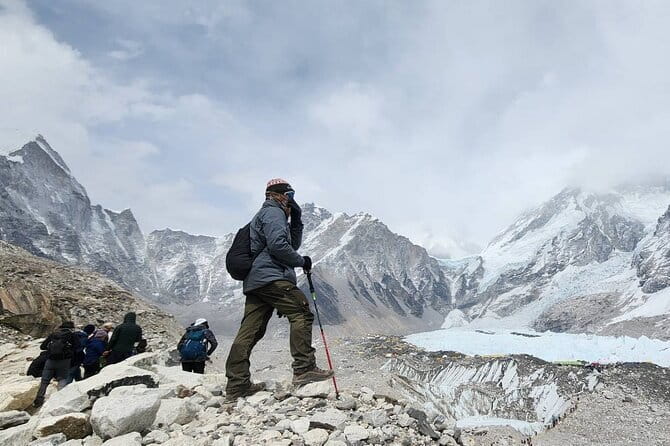
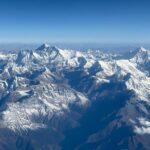
The Everest Base Camp trek has a reason for its fame. You’re walking through a Himalayan corridor where Everest is the headline, but you also catch neighbors like Lhotse and Nuptse. And unlike a quick look from far away, you’re actually moving through the Khumbu, village to village, step by step.
This is also a trek with a people story. You pass through places like Namche Bazaar, Tengboche, and Dingboche, where Buddhist monasteries and Sherpa culture show up in daily life, not just in a short stop. If you like travel that mixes views with human context, this route fits.
The big value in this specific 12-day plan is that it mixes the iconic with the practical: staged climbs, rest days that aren’t just padding, and a finish that gives you a top viewpoint rather than ending on the first nice photo op.
You can also read our reviews of more hiking tours in Kathmandu
Flights, Permits, and the Real Meaning of Included Logistics
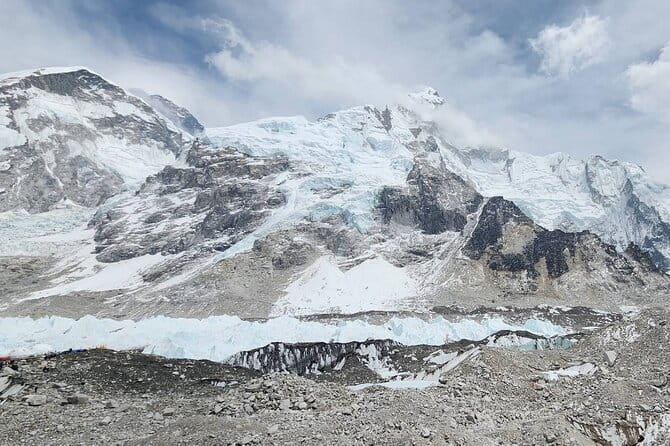
Altitude trekking is hard enough without also juggling paperwork and transport. Here, you get hotel pickup and drop-off plus round-trip flights between Kathmandu and Lukla. That matters because Lukla isn’t just a scenic hop—it’s the main gateway for the trek.
You also get the admin pieces most travelers would rather not handle alone: trekking permit and TIMS card are included. Even better, the organizer states you’ll need your passport details and a photo for the permit (a selfie works), which means you should send those items early so your plan doesn’t stall.
One more practical inclusion: you travel with an English-speaking trekking guide, and there’s a first aid kit with the guide. That won’t erase altitude risk, but it does mean you’re not improvising if something small turns into something annoying.
Bottom line: for $1,350 per person, the cost makes more sense because it covers the expensive pieces (the Lukla flights), plus guiding, permits, and guest-house stays. The only thing you’re clearly told to budget for is personal expenses—mostly the extras you choose (snacks, drinks, hot showers if available, and the little things you’ll want at 3,000–5,000+ meters).
From Kathmandu to Lukla to Phakding: Your First Taste of the Khumbu
Day 1 starts with a transfer to the domestic terminal in Kathmandu for a morning flight to Lukla. Lukla is the launchpad for the entire trek, so this day is about getting into position and keeping your body calm before it starts working.
After landing, you meet your trekking guide and begin walking. You’ll reach Phakding after a few hours, and today stays intentionally shorter. That’s a smart move because you’re still adjusting—both to the altitude and to the rhythm of carrying a daypack.
Phakding is also a good place to notice how trekking here feels. This route is built around trails, bridges, and steady effort, not sprinting. If you’re someone who gets nervous about long climbs, Day 1 helps you set a pace that won’t blow up by Day 3.
Namche Bazaar: The Acclimatization Day That Makes or Breaks the Trek
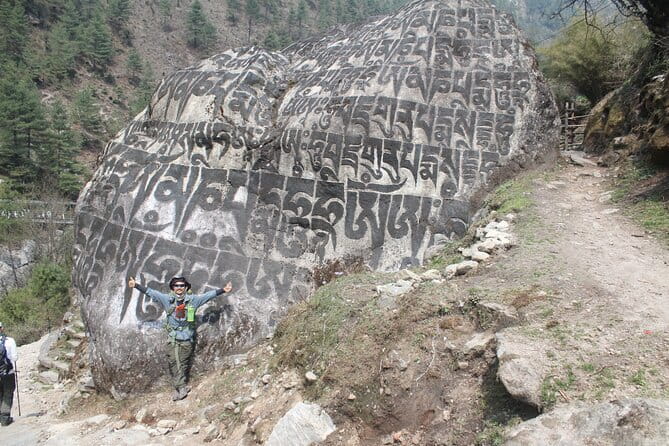
By Day 2, you’re heading toward Namche Bazaar, often considered the heart of the Khumbu. The route takes you through a pine forest and along the Dudh Koshi River, plus suspension bridges that add both fun and a small test of balance.
The big win is what comes next on Day 3. Instead of pushing straight through, you’ll have a rest or lighter day in the Namche area. The plan gives you options: a day hike to Thame, exploring Khunde, or simply taking time to rest and get your bearings in Namche Bazaar.
If you’ve ever wondered why good treks insist on these pauses, this is the reason. Acclimatization doesn’t mean resting all day; it means keeping your body active in a controlled way. This structure helps reduce the odds of feeling awful later when the terrain gets more serious.
Tengboche and Dingboche: Monasteries Plus High-Altitude Breathing
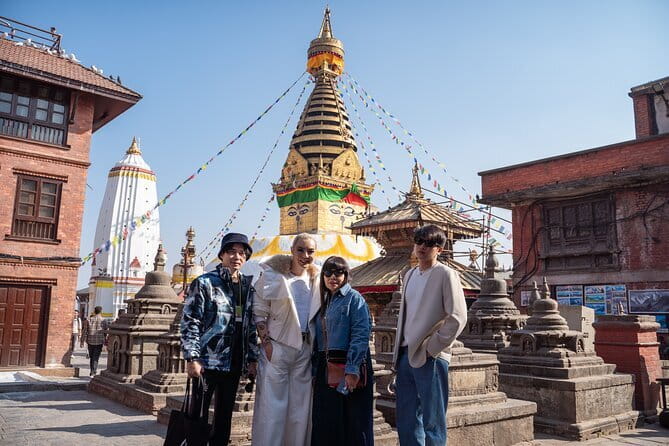
Day 4 carries you to Tengboche, and the walk is described as dusty and winding. You may not love every dusty step, but you’ll be rewarded with big monastery views from the area—time that’s especially good for photography since the plan notes there aren’t many brutal ascents or descents today.
Tengboche also gives you a cultural moment. You’re not just trekking past scenery; you’re arriving in a community where spiritual landmarks are part of the landscape of everyday life. It’s the kind of stop that feels meaningful because you can see people going about normal routines around the monastery.
Then Day 5 brings you to Dingboche. The day includes a visit to the region’s oldest Buddhist monastery, then continues through alpine woods toward Upper Pangboche, and past places like Shomare and others along the way. That blend—walking plus a historical stop—helps the day feel more than just distance.
Day 6 is another built-in rest day. The plan suggests you might explore Dingboche and nearby villages, or take it easy depending on how you feel. This is a key moment because Dingboche sits higher, and how you handle this day often determines how you feel when you push toward Lobuche and beyond.
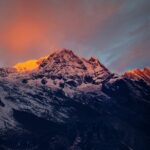
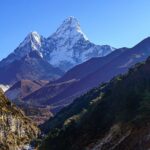
Lobuche to Gorakshep to Everest Base Camp: When the Trail Gets Serious
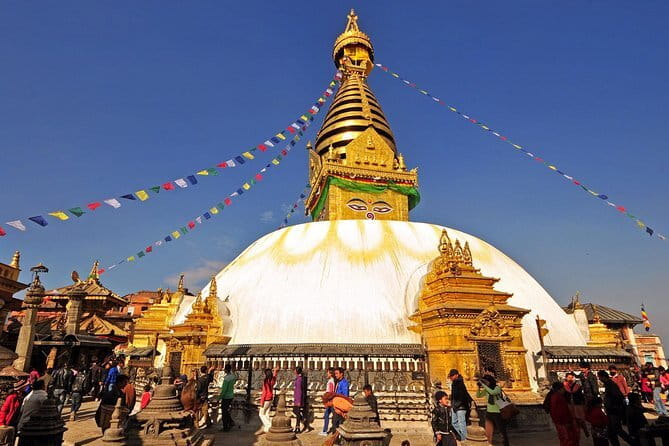
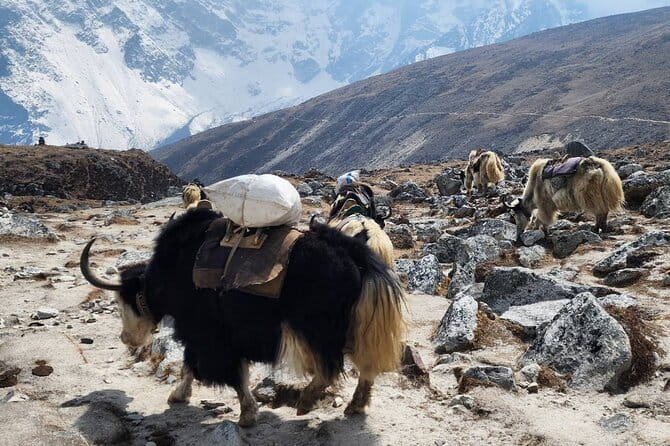
Day 7 heads toward Lobuche. You’ll start with a climb through the Khumbu Khola valley to Duglha, and as you get closer to Dusa, the valley narrows. The trek is described as difficult, with massive boulders and mountain yaks going by—so expect your feet to work and your attention to stay sharp.
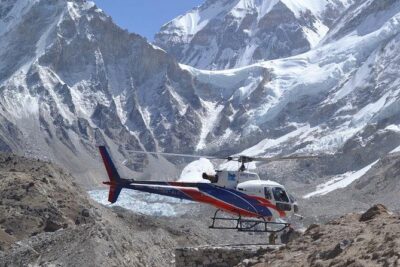
Day 8 is a two-part day. First you reach Gorakshep, and the route runs along the side of the Khumbu Glacier. You’ll pass a pyramid signpost and then take a decent ascent toward Thangma Riju for views. After that, you move on to Everest Base Camp itself.
This is the day many people remember. You’ll get time at Base Camp, with views of Mount Everest and surrounding peaks, before returning to Gorakshep for an overnight stay. The way this is timed matters: you’re not rushed out of the Base Camp area, and you’re not skipping the return the same day.
Also, the Gorakshep-to-Base-Camp structure helps you pace your energy. Base Camp is the goal, but you still need enough left in your legs to get back for sleep, food, and recovery.
Kala Patthar Early Start and the Long Walk Back to Namche
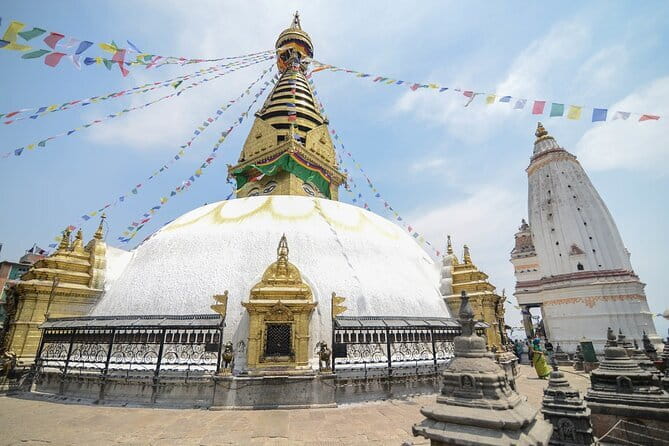
Day 9 starts with an early push to Kala Patthar. This is one of the best viewpoints in the Everest Base Camp route, and the plan specifically calls out dramatic mountain views that you’ll want to catch at the right time of day. If you’ve ever chased sunrise tours, you know that early starts can be a pain—here, it’s usually worth it because the sky and visibility can make the difference.
After spending time at Kala Patthar, you descend back toward Gorakshep and then continue down to Pheriche for the night. The included plan frames this as a gradual descent and rest time, which helps your body switch from climb mode to recovery mode.
Day 10 heads back toward Namche Bazaar, following a route similar to the way up but moving downhill through Sherpa villages like Pheriche and Ors… (the plan cuts off here, but the idea is clear: you’re passing through the communities again). This is where the trek starts to feel familiar. You’ll recognize trails, bridges, and turns, and that can make the return easier mentally.
Day 11 brings a steep downward day. The plan warns you’ll need to walk slowly and under control because rocky terrain challenges your legs. Even if you’re tired, this is not a day to rush. The goal is safe footing, steady steps, and saving energy for the final flight setup.
You end Day 11 in Lukla, staying overnight.
Day 12: Flying Back to Kathmandu and Why the Finish Feels Different
Day 12 is a flight back to Kathmandu from Lukla. The plan notes about 35 minutes in the air to Tribhuvan International Airport, which is a nice change after days of walking.
After landing, you’ll be returned to Thamel. That’s helpful if you like a practical finish: it’s a central area with guesthouses, food options, and easy access to whatever you need next.
This is also when you’ll realize the trek isn’t just about Everest. It’s about the whole chain: how you adjusted in Namche, how you rested in Dingboche, how you powered through to Gorakshep, and then how you handled the sunrise viewpoint and the long descent.
Guides Matter More Than You Think: Milan, Bikram, Sagar, Bishnu
Good trekking guides do more than point out the route. They manage pacing, watch for altitude trouble, and keep the group moving when the trail gets annoying.
In the reviews tied to this operator, guides such as Milan and Bikram are praised for kindness, experience, and deep knowledge. There are also mentions of Sagar for organization and Bishnu for supportive professionalism. Those names show up consistently in positive feedback, and that’s a strong signal that you’re not just getting a map—you’re getting a person who knows how to keep things running day to day.
You’ll also see positive remarks about teamwork on the trail, including help from porters. Even if you’re carrying your own pack, having strong support staff helps the whole experience feel lighter and safer.
Who This Trek Suits Best (And Who Should Rethink It)
This plan is for people with strong physical fitness, because the route includes multiple long walking days and high-altitude effort. It’s also for travelers who want a balance of iconic views and cultural stops through Sherpa communities.
If you want a serious challenge with structure—rest days, early starts, and guided pacing—this fits well. It’s also ideal if you like the tea-house trekking style, where you settle into basic lodges each night rather than aiming for comfort at every step.
If you don’t handle altitude well or you’re unsure about your hiking endurance, take that seriously. The tour can still be a good idea only if you’re honest about your fitness and willing to follow the plan’s acclimatization approach.
Should You Book This Everest Base Camp Trek?
I’d book it if you want the classic Everest Base Camp experience with fewer logistics headaches. Lukla flights, permits/TIMS, English-speaking guiding, and guest-house accommodation are included, which makes the trip feel like a real package rather than a collection of separate errands.
I’d hesitate only if early flight days and altitude risk sound stressful. This trek has a schedule built around mountain travel, and it asks you to move steadily at height.
If you want authenticity—Sherpa culture stops, monasteries, village walks, and mountain viewpoints that actually earn the effort—this is the kind of trek that usually lives up to the hype.
FAQ
What’s the total duration of the Everest Base Camp trek from Kathmandu?
The trek runs for about 12 days, with the itinerary spread across walking days, rest/acclimatization days, and one flight back to Kathmandu.
Are round-trip flights between Kathmandu and Lukla included?
Yes. The package includes round-trip flight tickets from Kathmandu to Lukla and back to Kathmandu.
Are trekking permits and TIMS card included?
Yes. The trekking permit and TIMS card are included.
What kind of accommodation do you get on the trek?
You stay in guest houses during the trek.
Do I need a strong fitness level to do this?
Yes. The guidance states that travelers should have a strong physical fitness level.
What do I need to provide for the permits?
You’ll need your passport details and a photo for the trekking permit (a selfie also works).
Is it a private tour?
Yes. The tour/activity is private, meaning only your group participates.