REVIEW · KATHMANDU
Kathmandu to Chitwan Tour by Tourist Bus – A Convenient and Affordable Way
Book on Viator →Operated by Nepal Vehicle Hiring Pvt Ltd · Bookable on Viator
A comfy seat beats last-minute bus chaos. This Kathmandu to Chitwan tourist bus is a simple upgrade: you pre-pay for an air-conditioned ride and get your bus and seat info (plus times) so you’re not scrambling at the last minute. You’ll also get to enjoy the route’s changing scenery without the squeeze of a public bus.
I especially like the planning relief. You skip the ticket-office line and you can sort your onward travel while you’re still in Kathmandu. One thing to consider, though: the ticket is listed as non-refundable and non-changeable, and one past booking was canceled due to a local holiday—so it’s smart to travel with a little flexibility when Nepal’s calendar is in play.
In This Review
- Key Things I’d Watch For
- Price and Logistics: What You’re Really Paying For
- Boarding at Sorhakhutte: Finding Your Bus Without Stress
- The 6–7 Hour Ride: Comfort, Views, and a Realistic Timing Expectation
- Getting to Chitwan Side Plans: What Ratnanagar Arrival Means
- What’s Included (and What You’ll Need to Sort Yourself)
- Small Details That Make a Big Difference on Route Days
- The One Caution: Holiday Disruptions and the Refund Reality
- Who This Bus Ticket Is Best For (and Who Should Rethink It)
- Should You Book This Kathmandu to Chitwan Tourist Bus?
- FAQ
- How long is the Kathmandu to Chitwan bus ride?
- What does the $15 per person price include?
- What is not included with the ticket?
- Where do I board the bus in Kathmandu?
- Where does the bus arrive in the Chitwan area?
- What details do I receive after booking?
- When should I book for this route?
- How many travelers are in the group?
- Can I cancel or change the booking?
Key Things I’d Watch For
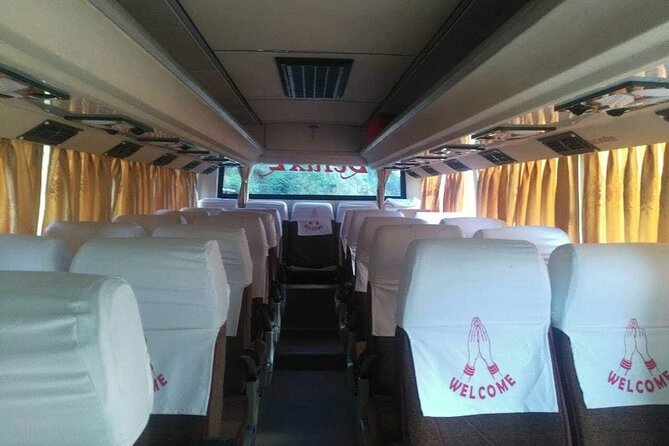
- Air-conditioned ride with a seat you’re paying for, not hoping for at departure
- No ticket-office line drama once you’ve booked
- Exact reporting details sent after purchase (bus number, seat number, times)
- 6–7 hours travel time depending on traffic, with views from your seat
- Small group limit (max 20), which usually means an easier handoff at the start
Price and Logistics: What You’re Really Paying For
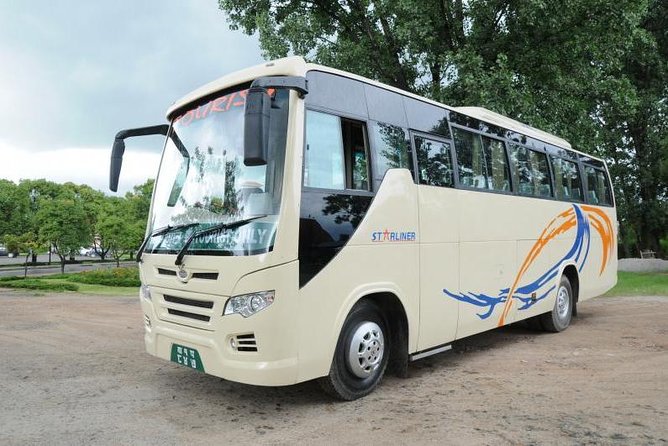
$15 per person sounds almost too easy. But in practice, you’re not just buying transportation—you’re buying certainty. For this route, uncertainty is the big cost. If you wait until the last minute, the service you wanted can sell out and you can end up on a packed, less-comfy public bus. Pre-booking locks in your seat on an air-conditioned tourist bus, which is the real value here.
Booking is also time-friendly. Most people book about 5 days in advance, and you should treat that as a good benchmark for getting the departure you want. Confirmation is provided at booking time, so you’re not wondering what’s happening right up until you leave.
One more logistics note that matters: you’re not guessing where to go when you arrive at the bus area. The start point is Sorhakhutte Bus Stop on Naya Bazaar Marg in Kathmandu, and the end point is Tourist Bus Station Road in Ratnanagar. Having named end points helps if you’re arranging a taxi, a hotel check-in, or a next-day plan right after arrival.
You can also read our reviews of more tours and experiences in Kathmandu.

Boarding at Sorhakhutte: Finding Your Bus Without Stress
The boarding location is specific, which I like. Sorhakhutte Bus Stop sits on Naya Bazaar Marg in Kathmandu (44600). That’s helpful because “bus stop” can be a vague term in many places, but here you have an actual street context.
After you purchase, you get the details you need to find the right departure fast: Bus No, Seat No, Reporting Time, Departure Time, and Departure Location. That’s the difference between a calm start and the frantic sprint that happens when you’re hunting for the correct bus while the crowd grows.
Here’s the practical way to use those details:
- Arrive early enough to locate your bus number without rushing.
- Keep your seat number handy so you don’t lose time at boarding.
- Plan around the stated reporting time. If you miss it, you’re the one who pays the inconvenience cost, because this is an arranged bus departure, not a casual hop-on setup.
There’s also a small group ceiling: the experience has a maximum of 20 travelers. That doesn’t make it a private charter, but it often helps the boarding process feel more organized than a large cattle-call bus situation.
The 6–7 Hour Ride: Comfort, Views, and a Realistic Timing Expectation
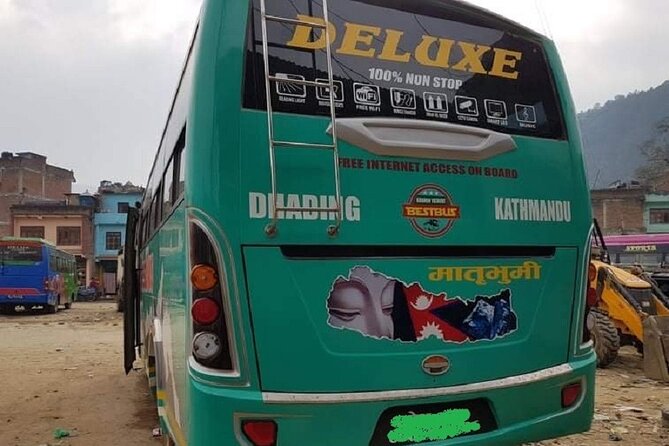
The ride from Kathmandu to Chitwan takes about 6 to 7 hours, depending on traffic. I like that the time estimate is honest. On this kind of overland route, traffic can stretch the schedule, and you’ll feel it more if you’re planning something tight right after arrival.
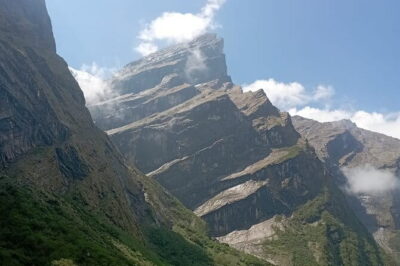
What’s clearly supported is comfort and the chance to enjoy the scenery. The bus is air-conditioned, and the experience is designed for “tourist bus” comfort rather than cramped public transport. You’ll also have a chance to appreciate the views from your seat—exact scenery details aren’t spelled out, but the general promise is straightforward: you’re not trapped inside a crowded aisle.
Because intermediate stops are not described, I suggest you plan as if this is a long continuous travel block. If there’s a break, you’ll appreciate it. If not, you won’t be surprised. A good rule for long rides like this is to be self-sufficient on the small things (like water and basic snacks). That’s not because the service promises or denies anything—it’s because you’re protecting your own comfort in a time window where plans can shift.
One more timing tip: if you’re the type who hates arriving late, build in buffer time for the day. The departure and arrival are scheduled, but road conditions and traffic are real variables.
Getting to Chitwan Side Plans: What Ratnanagar Arrival Means
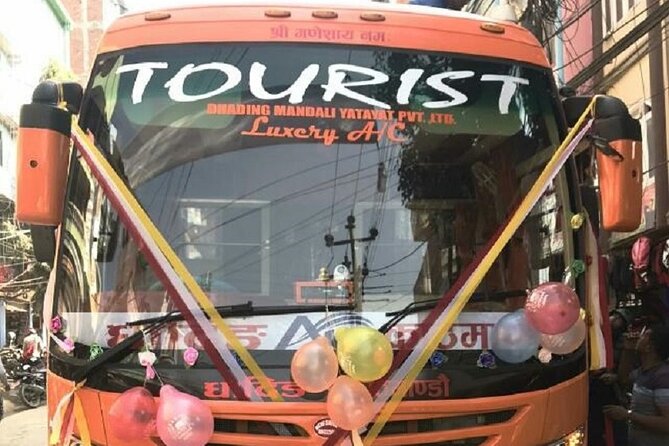
You end at Tourist Bus Station Road, Ratnanagar 44200. That matters because Ratnanagar is not Kathmandu—so your next step likely involves onward transport to wherever you’re staying in the Chitwan area.
Since the end point is given precisely, you can coordinate:
- pickup/drop-off with a driver,
- a hotel check-in time,
- or the start of your next activity.
What I’d avoid is planning a tightly timed connection immediately upon arrival without a cushion. Overland travel can run late, and you’ll want a little slack for getting off the bus, finding your bearings, and arranging whatever comes next.
Also, keep your “arrival day energy” in mind. A 6–7 hour ride is a full chunk of the day. If you’re the kind of traveler who likes an easy evening after travel (shower, early dinner, rest), this route fits that rhythm well.
What’s Included (and What You’ll Need to Sort Yourself)
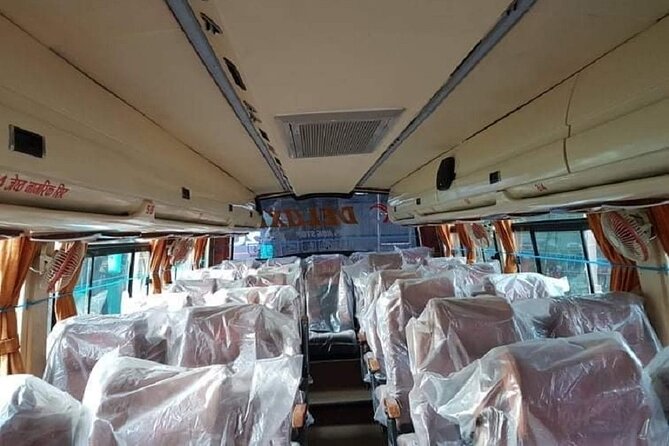
This experience is refreshingly simple: the only listed inclusion is the air-conditioned tourist bus ticket.
That means:
- If you expect guide services, meals, or transfers beyond the named end points, they are not included based on the info provided.
- You should plan your own additional needs around the ticket: food, any entrance fees for later activities, and any onward transport from Ratnanagar.
I like this kind of “clean” product because it keeps decision-making easy. You can budget accurately. You know what you’re getting and what you’re not.
It also helps you pack smarter. Since you’re responsible for everything beyond the seat, I’d keep your day bag light and practical. Think: things you’ll actually use during the ride and the first hours after arrival.

Small Details That Make a Big Difference on Route Days
There are a few operational details here that sound minor, but they genuinely affect your stress level.
First, there’s the reporting system. You receive a plan with your bus number, seat number, and times. That reduces the usual uncertainty of “Which bus is mine?” and “Where do I line up?” On a travel day, less confusion is worth real money.
Second, the group limit of max 20 is a quiet advantage. Even if you’re traveling solo, a smaller group often means the start feels more controlled and you spend less time negotiating your way through crowds.
Third, the departure start is fixed and described clearly (Sorhakhutte Bus Stop, Naya Bazaar Marg). That helps if you’re mapping your day or using a driver—without this kind of clarity, it’s easy to end up at the wrong place and burn an hour.
The One Caution: Holiday Disruptions and the Refund Reality
Here’s the balanced part: the overall rating is 4 from 4 reviews, but there’s at least one clear cautionary story.
One booking was canceled because it happened to fall on a local holiday. The customer said the refund process was slow and that they had to change plans. The provider’s response indicated a full refund was processed, with the note that refunds may take a few days to show up.
What does that mean for you? Two things:
- Don’t treat overland travel as perfectly immune to schedule changes on local holiday periods.
- Also understand the published cancellation terms are strict: the ticket is listed as non-refundable and cannot be changed for cancellations requested by you.
So the smart move is not to panic—it’s to plan with realistic flexibility, especially if you’re traveling during Nepal’s holiday rhythm.
Who This Bus Ticket Is Best For (and Who Should Rethink It)
This ticket is a great fit if you want:
- an affordable Kathmandu-to-Chitwan option,
- an air-conditioned seat with less uncertainty than public bus alternatives,
- a route day that’s mostly about transportation efficiency.
It’s also a good match if you’re the kind of traveler who likes to get the hard decisions out of the way early. Pre-booking about 5 days ahead means your Kathmandu days can run smoother because your onward travel is already handled.
Who might reconsider?
- If you need an ultra-tight arrival connection with no room for delay, overland timing variables (like traffic) are still a factor.
- If you’re traveling on or near a local holiday, recognize that disruptions can happen, as shown by the cancellation story.
Should You Book This Kathmandu to Chitwan Tourist Bus?
I’d book it if your priority is comfort plus certainty at a fair price. For $15, getting an air-conditioned tourist bus ticket with a named meeting point, your seat number, and a realistic 6–7 hour travel estimate is a strong value play.
I’d also book it if you want a simple, low-effort logistics setup—no ticket office line, no waiting to see if you can get a seat, and a clear end point at Ratnanagar that you can work from.
Just go in with two practical expectations: traffic can stretch the timetable, and local holiday timing can affect operations. If you can build a little buffer into your plans, this is exactly the kind of straightforward transport choice that makes the rest of your trip feel easier.
FAQ
How long is the Kathmandu to Chitwan bus ride?
The travel time is approximately 6 to 7 hours, depending on traffic conditions.
What does the $15 per person price include?
The price includes an air-conditioned tourist bus ticket.
What is not included with the ticket?
The info provided says nothing is included except the ticket(s). Anything else you need is on you.
Where do I board the bus in Kathmandu?
The start point is Sorhakhutte Bus Stop, Naya Bazaar Marg, Kathmandu 44600, Nepal.
Where does the bus arrive in the Chitwan area?
The end point is Tourist Bus Station Road, Ratnanagar 44200, Nepal.
What details do I receive after booking?
After purchase, you receive bus number, seat number, reporting time, departure time, and the departure location.
When should I book for this route?
On average, it’s booked 5 days in advance.
How many travelers are in the group?
This experience has a maximum of 20 travelers.
Can I cancel or change the booking?
The experience is listed as non-refundable and cannot be changed for any reason.