REVIEW · KATHMANDU
City tour of Bhaktapur and Patan Durbar Square
Book on Viator →Operated by Himalayan Planet Adventures · Bookable on Viator
Two royal squares, one very full day. This private day trip takes you from Kathmandu into the Newar world, with Bhaktapur Durbar Square and Patan Durbar Square (both UNESCO World Heritage sites) as the main events—then you top it off with the Patan Museum and a string of temple stops along the way.
I like two things a lot here. First, you get a real guide (and in my experience reading through the guide feedback, names like Kabita and Shanti come up for their clear explanations and friendly pace). Second, the itinerary covers the two cities that feel different even though they’re close—Bhaktapur’s craft-and-courtyards vibe next to Patan’s museum-and-palace focus.
One drawback to plan for: it’s a long day with walking inside historic squares, and some monuments were damaged in the 2015 earthquakes, so not everything may look exactly like the photos you’ve seen.
In This Review
- The top reasons this day trip works well
- A packed 8-hour loop through Bhaktapur and Patan
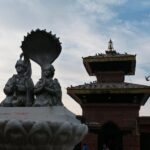
- Patan Durbar Square: the royal heart of Lalitpur
- Krishna Mandir (Chayasim Deval): a short stop with real payoff
- Patan Museum: Newari art you can actually understand
- Bhaktapur Durbar Square: medieval capital energy, without extra travel
- 55 Window Palace and Nyatapola Temple: two icons in tight time
- Dattatreya Temple on the historic square circuit
- Dattatreya Square and Nyatpole Temple Square: the route matters
- Price and Logistics: what you’re really paying for
- Who this tour suits best (and who should skip it)
- Final verdict: should you book Bhaktapur and Patan together?
- FAQ
- How long is the Bhaktapur and Patan Durbar Square city tour?
- What does the tour cost, and what’s included?
- Are entry fees included in the price?
- What stops are included during the day?
- Is this a private tour?
- Where will I be picked up and dropped off?
- Will earthquake damage affect what I see?
The top reasons this day trip works well
- Two UNESCO Durbar Squares in one go: Patan (Lalitpur) first, then Bhaktapur, so you don’t waste a day just crossing the valley.
- Patan Museum is built into the plan: you’re not just temple-hopping—you also get Newari art context before you return to Kathmandu.
- Temple-and-palace highlights are structured: 55 Window Palace, Nyatapola Temple, and Krishna Mandir are called out as must-sees.
- Your guide can shape the tempo: feedback highlights guides (including Shanti and Kabita) who allow flexibility with stops.
- Private vehicle + hotel transfers: pickup/drop is offered from hotels inside the ring road area, including Boudha, which keeps logistics simple.
- Some sights are free, but budget for entry fees: several stops are marked free, yet there’s still a per-person entry cost for the major complexes.
A packed 8-hour loop through Bhaktapur and Patan
This is a private day trip, meaning only your group rides in the vehicle with the guide. You start with hotel pickup (inside the ring road area, including Boudha) and head out on a route that connects Patan and Bhaktapur without forcing you to coordinate public transport.
Duration is about 8 hours, which is just enough time to hit the big-ticket monuments without feeling totally rushed—but it still is a full day. You’ll spend time inside the Durbar Square complexes, and the rest is getting between sites. If you’re the type who wants long rests in cafés, you might find the schedule a bit tight.
Also note the earthquake impact: the tour information flags significant damage to some sites visited after the April and May 2015 earthquakes. That doesn’t automatically mean you’ll be looking at ruins, but it does mean you should expect uneven restoration and occasional restricted areas. I’d treat it like a living heritage story, not a theme-park set.
You can also read our reviews of more city tours in Kathmandu
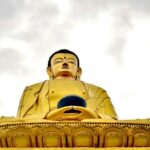
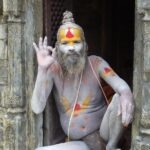

Patan Durbar Square: the royal heart of Lalitpur
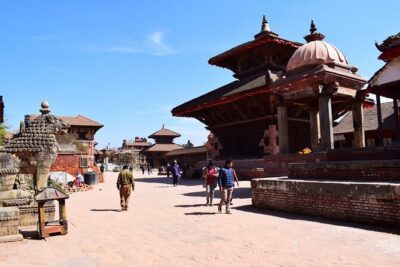
Patan Durbar Square is your first major stop, and it’s an obvious place to start. It’s framed as a UNESCO World Heritage site, and you get a guided visit lasting around an hour.
What I like about starting here is momentum. You arrive, you get the context from your guide, and then you immediately walk through the dense concentration of monuments that make Patan feel like a shrine circuit rather than a single attraction. The square is also paired with the next stop—Patan Museum—which helps you understand what you’re seeing instead of treating everything like a blur.
Practical note: admission tickets aren’t included for this stop. The tour lists an entry fee estimate of about $20–30 per person overall, so factor that into your budget even though you’ll also see some “free” sights later.
Krishna Mandir (Chayasim Deval): a short stop with real payoff
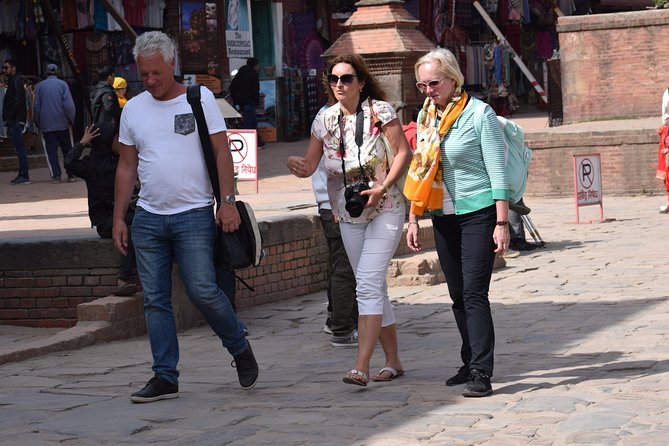
Inside Patan Durbar Square, you also have a targeted visit to Krishna Mandir (Chayasim Deval). The stop time is brief—about 10 minutes—and the focus is on architectural detail.
This kind of quick hit is smart if you’re trying to see more without draining your energy. You don’t need to spend an hour on every structure; you just need a guide to point out what matters. If you enjoy small-scale carvings, symmetry, and how Newari temples are built to be both sacred and expressive, you’ll likely enjoy this micro-stop more than you’d expect.
The good news: admission is listed as free for this temple.
Patan Museum: Newari art you can actually understand
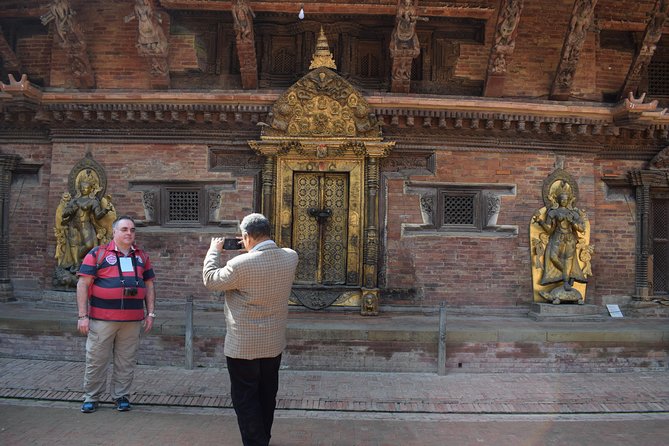
Then comes Patan Museum, scheduled for about 15 minutes. This is positioned as a must-see, and it’s widely described as one of the finest museums in South Asia. Even with the short time block, the value here is the shift from stone-and-brass sights to objects you can slow down for.
I like this add-on because it gives you something to hold onto while you wander temples later. Instead of guessing what a carved panel is saying, you have a baseline for Newari art traditions—materials, craftsmanship, and the cultural logic behind the designs.
Admission isn’t included for the museum in the tour info, so again you’ll want to budget for entry fees.
If you’re worried the day is already temple-heavy, this is your reality check stop. The museum is the difference between seeing monuments and understanding why people built them the way they did.
Bhaktapur Durbar Square: medieval capital energy, without extra travel
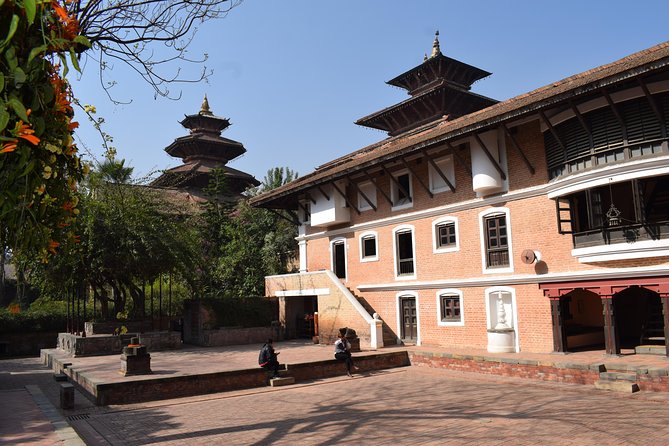
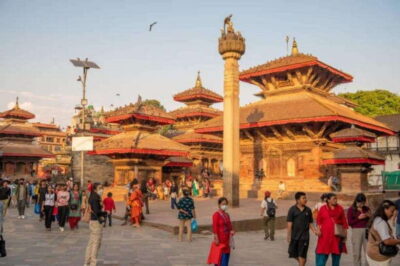
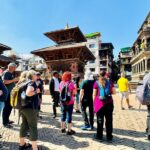
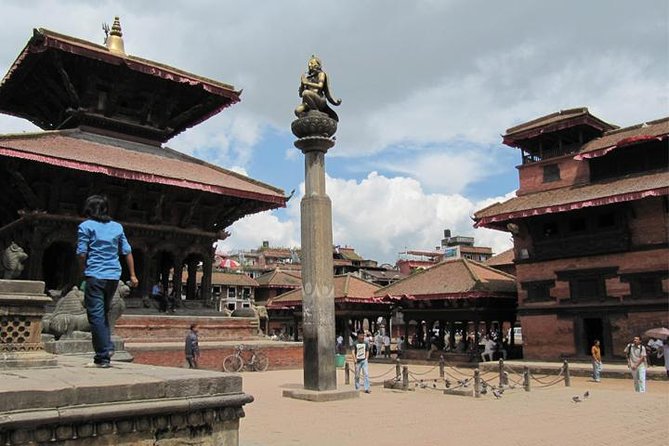
After Patan, you travel over to Bhaktapur Durbar Square, another UNESCO World Heritage site and the centerpiece of the “other side” of the valley. The visit is about an hour, and Bhaktapur is described as the largest and grandest of the three royal cities of the Kathmandu Valley.
Here’s what I think you’ll feel when you arrive: Bhaktapur has that sense of a place that stayed itself. You’re not just looking at one temple; you’re moving through an entire royal complex where courtyards, platforms, and carved details create a continuous experience. The guide’s job matters a lot on this stop because it’s easy to get lost visually.
This is also one of the stops where earthquake damage may be visible. The tour info warns about damage after the 2015 earthquakes for some sites, so keep expectations flexible. When a site has been affected and later restored, you can often see the layers—materials, repairs, and what did or didn’t come back.
Admission isn’t included for Bhaktapur Durbar Square as a whole, even if a couple of its icons are free later.



55 Window Palace and Nyatapola Temple: two icons in tight time
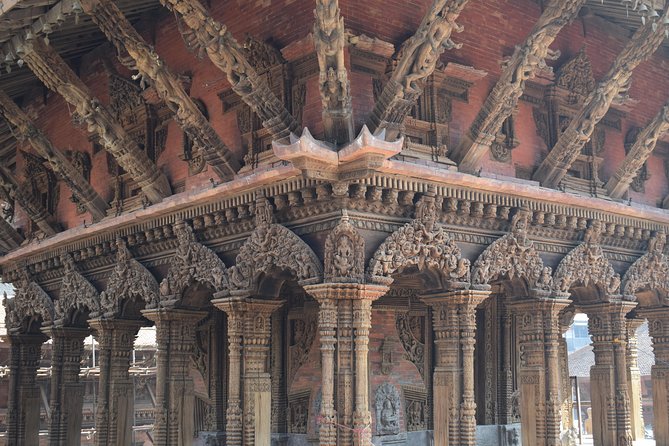
Once you’re in Bhaktapur’s Durbar Square area, the itinerary moves to two heavy-hitter monuments.
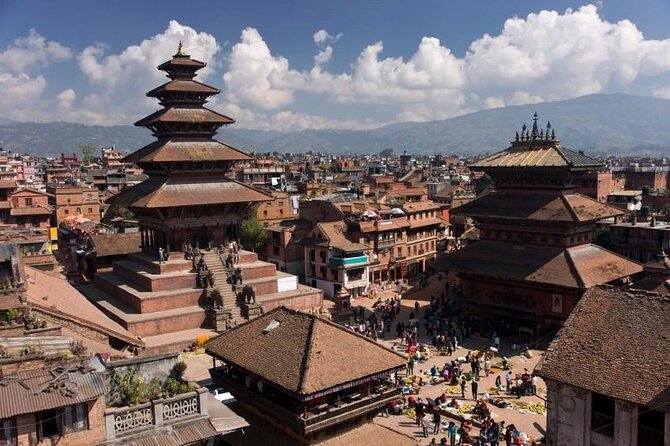
First up is the 55 Window Palace (Pachpanna Jhyale Durbar). It’s treated as the iconic symbol of the palace complex, and the stop time is about 15 minutes. Admission is listed as free here, which is a nice bonus if you’re watching entry costs. I like how this stop is short but specific: it gives you a clear visual landmark to anchor your memory of the day.
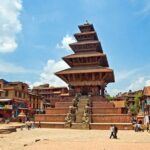
Next is the Nyatapola Temple, often described as Bhaktapur’s undisputed icon and the legendary “5-story temple.” It’s noted as the tallest pagoda in Nepal. Expect about 10 minutes for this one, with free entry for the stop.
Nyatapola works well in the middle of the day because it’s visually dramatic even if you only spend a short time there. If you’re traveling with someone who isn’t into art history but loves architecture, this is a safe bet.
Dattatreya Temple on the historic square circuit
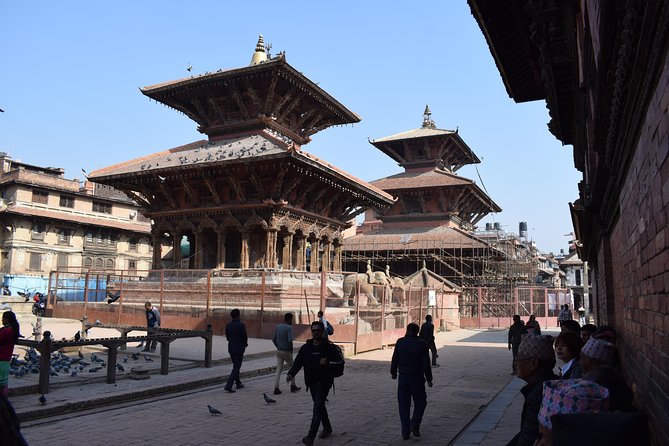
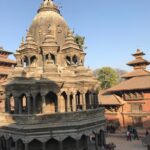
Toward the Bhaktapur side of the route, you also stop at Dattatreya Temple in Dattatreya Square. This is scheduled for about 15 minutes and noted as a massive 15th-century pagoda, one of the oldest in the valley, and a masterpiece of Newari craftsmanship. It also comes with a mention of legend, though the tour info doesn’t spell it out in detail.
This stop is valuable because it rounds out the “royal square only” feeling. Your day becomes more than palaces and towers—you also see how worship spaces are woven into daily cultural memory. If you like temples that feel older than the photo you’re looking at, this is the kind of stop that tends to stick.
Admission for this stop is free.
Dattatreya Square and Nyatpole Temple Square: the route matters
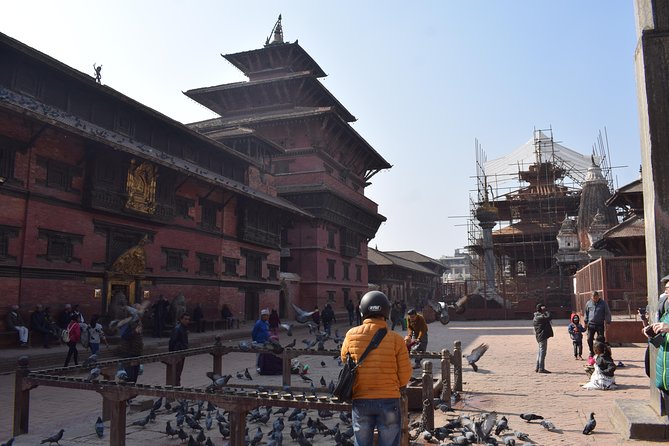
The experience doesn’t just list temples; it explicitly connects Dattatreya Square and Nyatpole Temple Square en route. That matters because those stops act like checkpoints that keep your day from feeling like two separate tours glued together.
Even if each temple stop is short, moving through these squares gives you a sense of the valley as a connected cultural system. You’re also likely to get a smoother flow with a guide pointing out what to notice—so you can avoid the “where do I look?” problem that happens in dense historic areas.
Price and Logistics: what you’re really paying for
Let’s talk money. The tour price is $110 per person, for an 8-hour private day trip with a professional guide and transport by private vehicle, plus pickup and drop from your hotel inside the ring road area (including Boudha).
Here’s the value angle: when you do Bhaktapur and Patan as a DIY plan, the hidden cost is not just rides—it’s time, navigation stress, and often the lack of a guide who can translate what you’re seeing. At $110, you’re paying mostly for the convenience and interpretation, not for “admission included.” Admission is not included, and the tour lists entry fees around $20–30 per person.
So your total day spend will be more than $110 once you add entrance tickets. On the other hand, a few of the key monuments on the route are marked free, so you’re not paying entrance for every single stop.
Two more practical notes:
- Food and drinks aren’t included, so plan to budget for a meal or snack during the day.
- The tour offers a mobile ticket, which simplifies check-in in places where paper tickets are a hassle.
If your group is small, private transport can be the difference between enjoying the day and spending it looking for the next entrance.
Who this tour suits best (and who should skip it)
This day trip fits best if you want a clean, guided route through two UNESCO sites without having to piece together logistics on your own.
You’ll likely enjoy it if:
- You like architecture and temple design, not just sweeping views.
- You want Newari art context, not only monuments.
- You prefer a guide who can keep you oriented and help you prioritize.
You might think twice if:
- You’re sensitive to walking and uneven stone paths.
- You dislike days with multiple entry fees stacked together.
- You’re hoping for a fully flexible day with lots of free time. This one is built to cover major highlights.
Final verdict: should you book Bhaktapur and Patan together?
I’d book this tour if your goal is a strong “greatest hits” day: Patan’s royal square + museum context, then Bhaktapur’s Durbar Square icons like Nyatapola and 55 Window Palace. The private guide element matters a lot, and the feedback around guides like Shanti and Kabita suggests you’ll get explanations that make the monuments feel less random.
If earthquake damage is a concern for you, don’t panic—just go in with flexible expectations. Some restoration and damage are part of the current reality of these historic places. That can still be moving, especially when someone helps you read what you’re seeing.
FAQ
How long is the Bhaktapur and Patan Durbar Square city tour?
It’s about 8 hours (approx.).
What does the tour cost, and what’s included?
The price is $110.00 per person and includes a professional guide, private vehicle transport, and hotel pickup/drop from inside the ring road area (including Boudha). A mobile ticket is included.
Are entry fees included in the price?
No. Entry fees are not included, and the tour lists an estimate of about $20–30 per person. Some specific stops are marked free, but major complex admissions are not included.
What stops are included during the day?
The tour covers Patan Durbar Square, Patan Museum, Krishna Mandir (Chayasim Deval), Bhaktapur Durbar Square, 55 Window Palace, Nyatapola Temple, and Dattatreya Temple (in Dattatreya Square), plus passes through Dattatreya Square and Nyatpole Temple Square en route.
Is this a private tour?
Yes. It’s private, so only your group participates.
Where will I be picked up and dropped off?
Pickup and drop are offered from hotels inside the ring road, including the Boudha area.
Will earthquake damage affect what I see?
The tour notes that some sites visited were significantly damaged due to the earthquakes in April and May 2015, so some areas may look different than what you might expect from older photos.