REVIEW · KATHMANDU
Kathmandu: 10-Day Adventurous Annapurna Circuit Trek
Book on GetYourGuide →Operated by Himalayan Nomad Treks Pvt. Ltd. · Bookable on GetYourGuide
One big day to earn your bragging rights: Thorong La (5,416m). This 10-day Annapurna Circuit route pairs village life, big mountain views, and a careful plan for altitude with a dedicated English-speaking guide. I love the mix of cultural stops and mountain challenge, and I especially like how the pacing includes a true acclimatization day in Manang.
The main drawback to plan for is physical intensity: you’ll be stacking elevation most days, then tackling a long, early start over the pass. If you’re not ready for steep climbs, cold mornings, and basic guesthouse comfort, this trek will feel like hard work instead of a great adventure.
In This Review
- Key takeaways before you go
- Annapurna Circuit: why this route grabs your attention
- The first transfer days: Kathmandu to Dharapani (1800m) and Chame (2670m)
- Pisang to Manang: gaining altitude and stacking views (Upper Pisang to Manang)
- Day 5 in Manang: the acclimatization day that’s worth it
- Yak Kharka to Thorong Phedi: the high-country ramp-up (4050m to 4450m)
- The main event: Thorong La Pass (5,416m) to Muktinath
- Jomsom winds and Pokhara recovery: from desert-like Mustang to lakeside rest
- How the guide and team shape the experience (the stuff you can’t see on paper)
- Price and value at $467 per person: what’s included, what to budget
- Packing for weather swings and Thorong La early starts
- Altitude, food, and trail habits that keep you moving
- Who should choose this Annapurna Circuit trek?
- Should you book this trek?
- FAQ
- How high do I need to be comfortable going on this trek?
- What’s the overall duration and route length?
- Is an English-speaking guide included?
- What kind of accommodation should I expect during the trek?
- Are meals included?
- How do the transport days work?
- Do I need trekking permits?
- Do I need to bring a sleeping bag and trekking gear?
- Is this trek suitable for everyone?
Key takeaways before you go
- Thorong La Pass is the centerpiece: expect an early start and dramatic views at 5,416m
- Manang gives you breathing room: a full acclimatization day helps reduce altitude stress
- Village-to-village trekking: tea houses and local culture along the Annapurna corridor
- Well-managed logistics in real life: guides and coordinators who handle reroutes and practical fixes
- Comfort level is honest: comfortable stays on the trek are still tea/guesthouse style
Annapurna Circuit: why this route grabs your attention
The Annapurna Circuit is popular for a reason, but what makes this version appealing is the way it blends challenge with real human-scale travel. You start with a long Kathmandu drive, then move into day-after-day trekking through villages like Dharapani, Chame, Upper Pisang, Manang, and onward to Muktinath.
Two things I like from the way this trek is run. First, the pass day is treated as a serious event, not something to rush, and you get that big prep stretch up to Thorong Phedi. Second, there’s a strong emphasis on keeping you comfortable and safe along the way, with guides who adjust on the ground when conditions change.
Still, be honest with yourself about effort. This is not a slow stroll with sightseeing photo stops. Even if your pace is steady, you’re earning every altitude gain, and the big pass crossing demands stamina and good judgment in cold air.
You can also read our reviews of more hiking tours in Kathmandu
The first transfer days: Kathmandu to Dharapani (1800m) and Chame (2670m)
Day 1 is mostly travel: you’re driven from Kathmandu to Besisahar by bus, then you continue to Dharapani on a shared Jeep. It’s a long day (around 10 hours total), but it’s also your acclimation-by-transport warm-up. You start at lower altitude and get positioned for the trekking legs without wasting the whole vacation on transit.
Day 2 is your first real climb: Dharapani to Chame (2,670m) over about 6 hours. Expect a shift from forested sections up toward more open views as you ascend. You’ll cross suspension bridges too, which adds a small dose of fun to the exertion. The overnight in Chame is one of those classic Circuit stops where teahouse life becomes part of the rhythm: dinner, hot drinks, then early sleep.
What can catch people off guard here is just how quickly your body adjusts to “steady effort.” Even when trails aren’t technical, your heart notices altitude. If you keep your breathing controlled and don’t race the first day, you’ll feel better for the next stages.
Pisang to Manang: gaining altitude and stacking views (Upper Pisang to Manang)
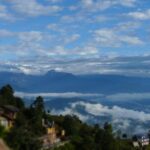
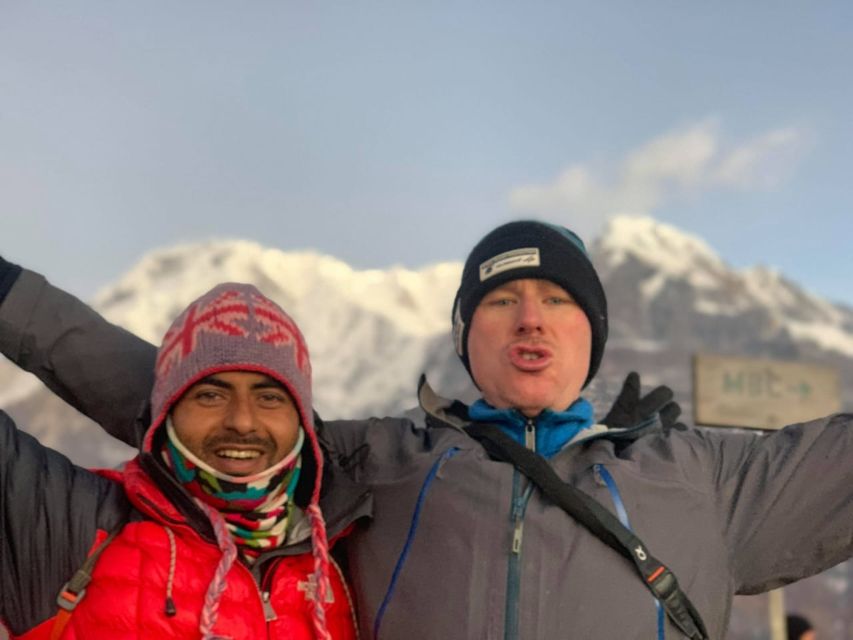
Day 3 goes Chame to Upper Pisang (3,300m), about 6 hours. Upper Pisang is all about scenery and culture together. You’re in a village setting with mountain views that start to feel bigger and closer at the same time, and it’s the sort of place where you can see how the Annapurna communities live with the mountains nearby.
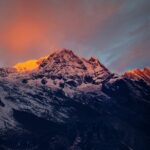
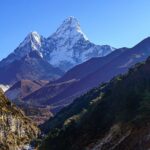
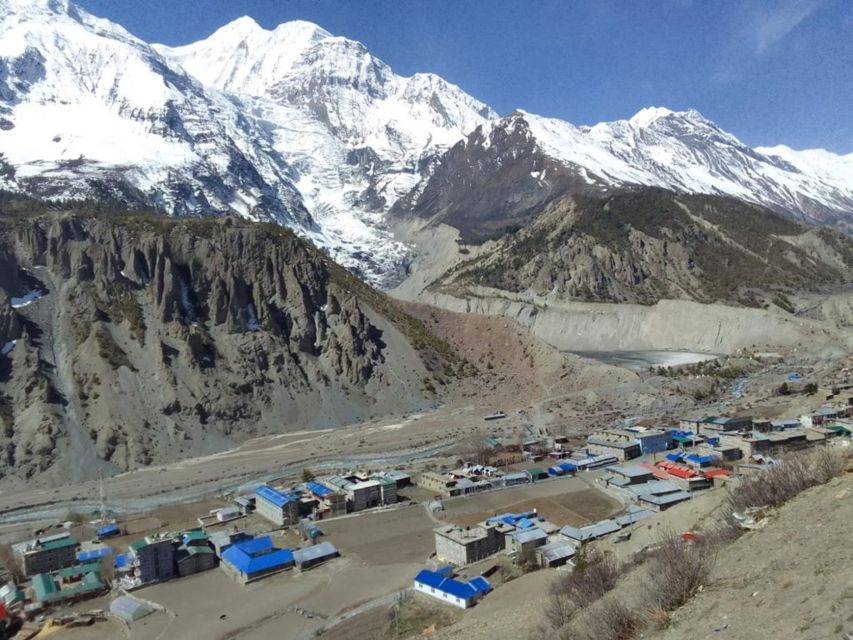
Day 4 continues to Manang (3,540m) over about 6 hours. This leg is memorable because of the mountain drama around the valley: views called out include Annapurna II, Annapurna III, and Gangapurna. In practical terms, this is where you start understanding the Annapurna Circuit isn’t just a single pass. It’s a whole mountain system you’re traveling through.
The trade-off: by now you’re spending more time above tree line. That means less natural shade, colder air, and weather changes that can happen faster. In other words, sunscreen still matters, but so does a warm layer.
Day 5 in Manang: the acclimatization day that’s worth it
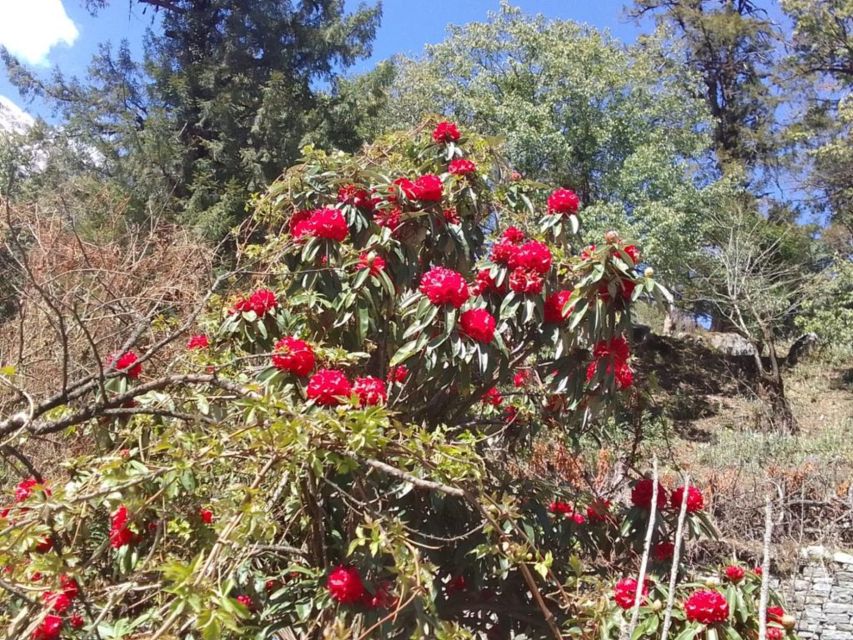
Day 5 is a dedicated break in Manang. You rest and acclimatize at 3,540m, and you can explore the village while enjoying panoramic mountain views.
This is one of the strongest features of the plan. Many trekking schedules try to “gain time” by pushing every day, but altitude doesn’t care about your calendar. A rest day here helps your body adjust before the high country ramps up again.
From a comfort perspective, Manang also gives you a chance to reset. Wash up if you can, eat well, and let your legs catch up. If you’re traveling with a private group, this kind of day also helps keep everyone mentally fresh rather than anxious about what’s next.
Yak Kharka to Thorong Phedi: the high-country ramp-up (4050m to 4450m)
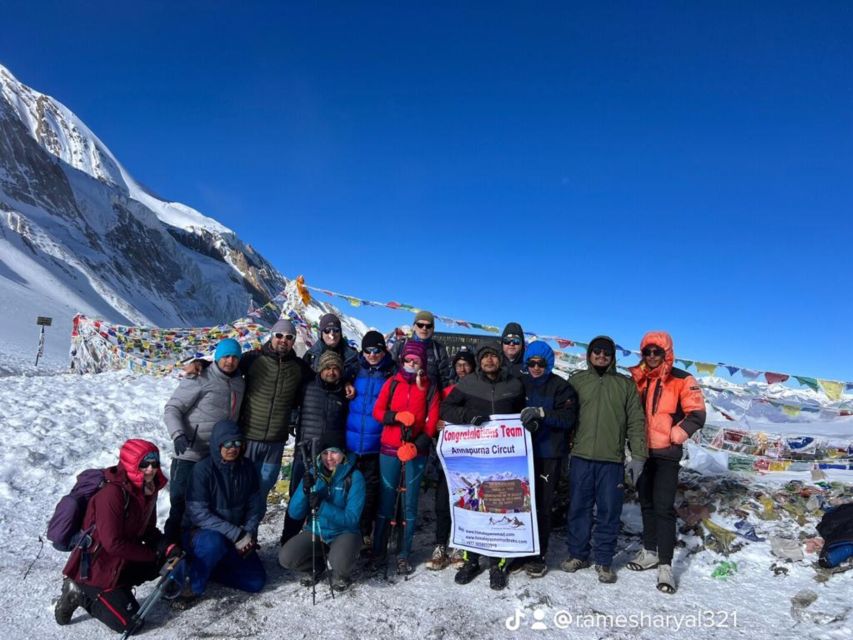
Day 6 takes you from Manang to Yak Kharka (4,050m) for about 6 hours. You’ll move into alpine terrain with grazing pastures, surrounded by higher peaks. It’s a quieter-feeling day, and that’s important because it prepares you for what Thorong Phedi feels like: a staging zone for the pass.
Day 7 goes Yak Kharka to Thorong Phedi (4,450m), about 6 hours. Thorong Phedi is the base camp area for the big crossing, so you’ll shift into “prep mode.” The guide role matters most here: you want someone who helps you plan your timing, manage supplies, and think about cold, wind, and energy.
Two practical things to remember. First, you’ll likely feel the altitude more strongly on these higher days, even if the hiking time isn’t the longest. Second, your sleep can be affected by cold and air. Pack for warmth, and don’t judge yourself for a rough night. It’s common up here.
The main event: Thorong La Pass (5,416m) to Muktinath
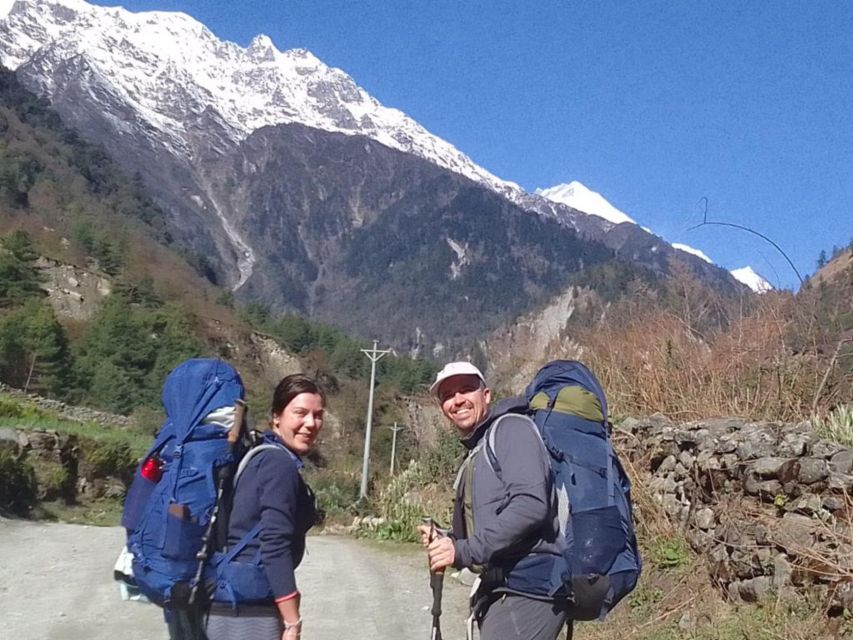
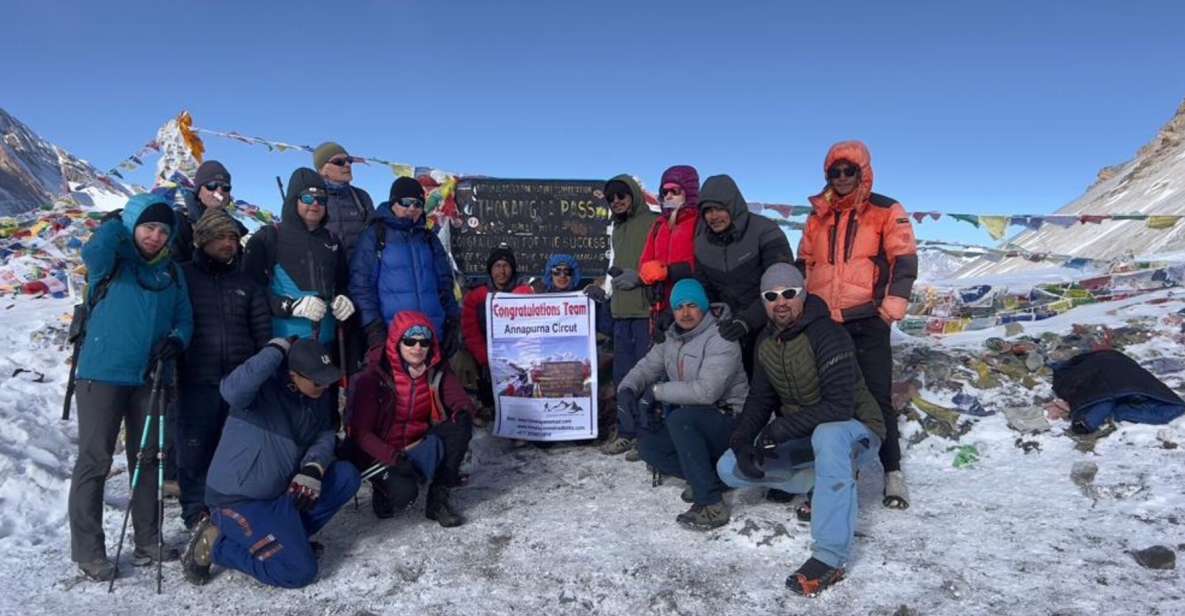
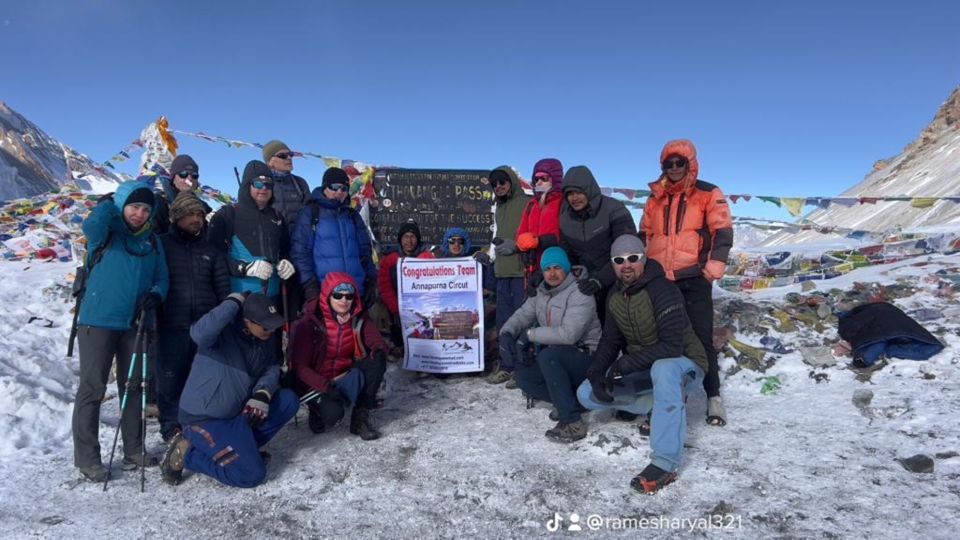
Day 8 is the pass day: Thorong Phedi to Muktinath via Thorong La (5,416m), roughly a 12-hour trek. You start early, because wind and conditions can shift, and the high point is still high even if it’s only a short segment.
What you’ll feel on the ascent is classic high-pass effort: slow, steady, and stubborn uphill breathing. When you reach Thorong La, the reward is the panoramic view, but the real win is psychological. You’ve done the hard part, and you can now focus on the descent.
After the pass, you descend to Muktinath (3,800m). Muktinath is a sacred pilgrimage site with both Hindu and Buddhist significance, and the village atmosphere makes the day less “just trekking.” You’re still tired, but it’s a different kind of tired: the satisfied kind that comes after pushing through the hardest segment.
One caution: a long day at altitude can mess with your judgment. Take breaks, don’t chase people down the trail, and keep drinking water. Cold air makes you less thirsty, which is exactly when you most need fluids.
Jomsom winds and Pokhara recovery: from desert-like Mustang to lakeside rest
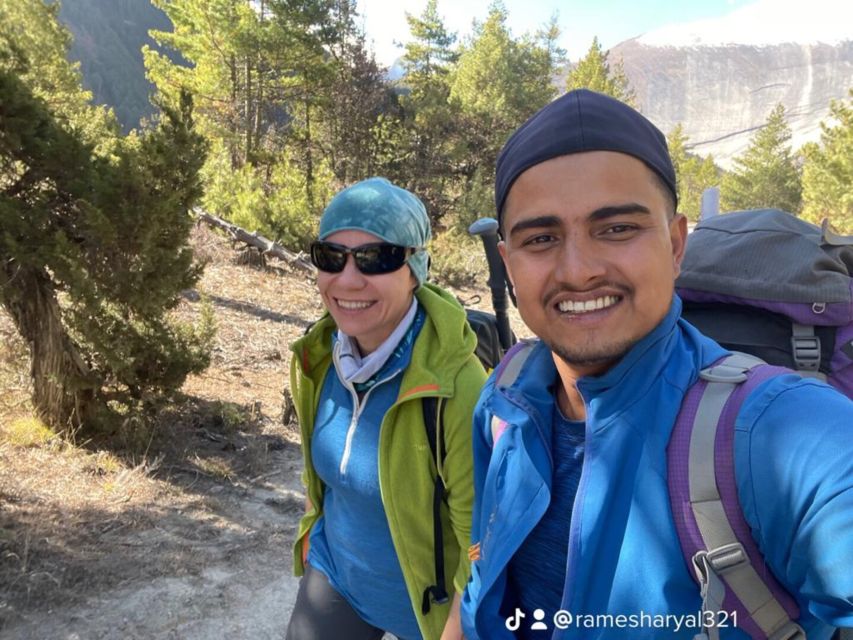
Day 9 is Muktinath to Jomsom (2,720m) over about 5 hours. You’ll notice the dramatic shift as you enter the more arid, desert-like terrain associated with Mustang. The change in scenery is part of why this trek feels like more than one mountain walk. It’s a route through different environmental zones.
Jomsom itself is a windy town. After days of higher elevation trekking, it can feel like stepping into a different weather system, so plan on windproof layers if you’re sensitive to chill.
Day 10 is the payoff day for your body: you take a bus from Jomsom to Pokhara (about 8 hours) and unwind. In Pokhara, you reflect on the whole journey, and your legs finally stop rehearsing the same downhill motion. You’ll also sleep in a tourist-standard luxury hotel in Pokhara (Hotel Orchid), which is a nice contrast after tea house nights.
How the guide and team shape the experience (the stuff you can’t see on paper)
This trek’s biggest difference-maker is how it’s managed day to day. The reviews attached to this kind of trip often sound similar, but the details here are what matter: guides who balance communication with space, and coordinators who handle practical problems quickly.
For example, guides like Keshab are praised for keeping a good balance between talking and letting you enjoy silence in nature. That matters more than people expect. A high pass day needs calm focus. You don’t want a guide who talks nonstop, or one who disappears when you’re tired.
Other guides are described as very experienced and well-organized, with thoughtful adjustments when conditions require it. Bipin is noted for explaining route conditions in detail and making timely arrangements. Ramesh, acting as the trip coordinator in several accounts, comes up as someone who answers questions quickly and gives a warm send-off at the end.
I also like that the team shows up in the details: transportation of luggage and problem-solving around what you don’t need for the trek. One account credits the organizers with moving an extra bag from Kathmandu to Pokhara while trekking. Another mentions sleeping bag rental items being handled back through the store in Kathmandu after the trek. That’s not “extra” service. It’s the kind of help that reduces stress and makes you pack more sensibly.
Food quality and safety are also highlighted in accounts where a guide or team member pays attention to how meals are prepared at tea houses. That’s reassuring, especially when you’re already busy managing altitude.
Price and value at $467 per person: what’s included, what to budget
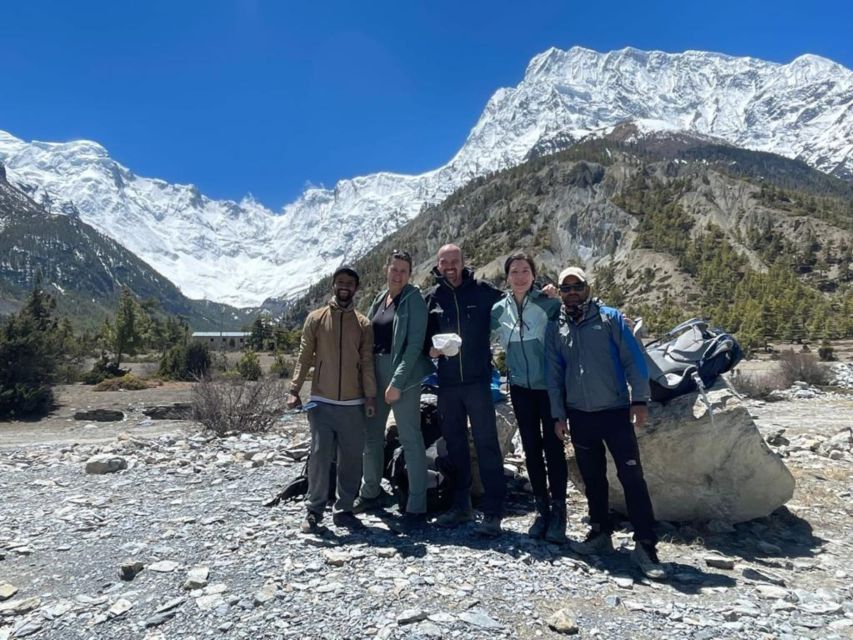
At $467 per person, the value here comes from the amount bundled into the trek package. You’re paying for a lot more than “someone walking with you.”
Included items you should recognize for value:
- Trekking permits and paperwork plus the required system fees
- 9 nights of comfortable accommodation during the trek
- A last night in Pokhara at Hotel Orchid
- A farewell Nepalese typical dinner in Lakeside Pokhara
- All meals during the trek (breakfast, lunch, dinner) for the full package option
- Transportation: Kathmandu to Besisahar by bus, Besisahar to Dharapani by shared Jeep, Jomsom to Pokhara by bus
- A luxury sofa seater tourist AC bus from Pokhara to Kathmandu
- Luggage storage and staff expenses (meals, accommodation, salary, equipment, insurance, transportation)
What you’ll need to budget separately:
- Travel and rescue insurance (important at altitude)
- Soft/hard drinks and most personal expenses (laundry, phone, bar bills, battery recharge)
- Nepalese visa fee and international flights
- Porter charge is extra (you’re getting the guide included, but extra porters cost extra)
- Bottle or boiled water and warm shower costs, if any are offered, are personal items
My practical take: this pricing works best if you want a mostly covered plan with meals, permits, and transportation handled. If you already have gear, insurance, and a very lean travel style, you can keep your total costs down. If you’ll likely buy more add-ons (extra porter, drinks, rentals), your budget should expand accordingly.
Packing for weather swings and Thorong La early starts
This trek gives you a reminder that mountains are not predictable. Weather can be mostly clear and sunny with rain or snow sometimes, so you need layers that you can adjust quickly.
Your packing list should cover:
- Jacket, hat, sunglasses, sunscreen
- Hiking shoes and socks you can keep dry enough
- Sleeping bag (listed as something you should bring)
- Trekking gear: trekking poles, a daypack, flashlight/headlamp
- A water bottle and cash
- First aid kit and basic trekking essentials like a camera
A headlamp or flashlight is a practical must because the pass day starts early. Cold mornings can also make zippers feel stubborn, so having gloves and warm layers helps even if the forecast looks fine.
Also, think about how much you carry. With a private group, you still benefit from light loads. If you want a porter for comfort, plan for the extra cost. If you don’t want one, make sure your pack is realistic for long days.
Altitude, food, and trail habits that keep you moving
The route climbs in stages: you’ll go from about 1,800m up through 3,300m, then 3,540m, then to 4,050m, 4,450m, and finally the pass at 5,416m. The plan isn’t random. It builds you up, includes acclimatization, then asks you to go big once your body has had a chance to adjust.
Food is also built into the rhythm. You’ll eat full meals during the trek for the package option, and the local staple called out is dal bhat (lentils and rice). That’s not just tradition. It’s a dependable high-energy meal you can count on when your appetite is weird at altitude.
Trail habits that usually make a difference on this route:
- Keep your pace controlled, especially after the pass day starts
- Drink regularly even when you don’t feel thirsty
- Eat something small before you feel hungry
- Use trekking poles on steep descents to save your knees
And yes, respect the mountains: pack out trash and follow local customs. It keeps the trek meaningful and helps protect the places you’re passing through.
Who should choose this Annapurna Circuit trek?
This trek suits you best if you want a true adventure-style hiking trip with a strong mountain centerpiece. It’s a great fit for first-time Himalaya hikers who want structure, because the schedule includes an acclimatization day and guides handle permits and logistics.
It also makes sense if you like village life and culture, not just summits. Stays in Dharapani, Chame, Upper Pisang, Manang, and pilgrimage stops like Muktinath give the journey a human storyline. And if you enjoy variety, the shift into Mustang-like terrain near Jomsom is a cool change of pace.
On the flip side, it’s not suitable for pregnant women as stated. If you have medical concerns related to altitude or exertion, you should check with a qualified travel medicine professional before committing.
Should you book this trek?
You should book it if you want a well-supported Annapurna Circuit with a clear pass plan, real time for acclimatization in Manang, and transportation and permits handled. The price looks solid for what’s included, especially if you choose the full package meals and want the comfort of a guide who pays attention to pacing and safety.
You might think twice if you’re looking for a low-effort walk, warm luxury every night, or a trek that you can do without preparing for cold mornings and long days. If you’re ready to work for the view, this is the kind of trip that gives you memories that stick.
FAQ
How high do I need to be comfortable going on this trek?
You’ll cross Thorong La Pass at 5,416m / 17,769 ft and you’ll also spend nights at high elevations such as Yak Kharka (4,050m) and Thorong Phedi (4,450m).
What’s the overall duration and route length?
This trek runs 10 days with trekking days from Dharapani to Chame, onward through Upper Pisang, Manang, Yak Kharka, Thorong Phedi, Thorong La Pass to Muktinath, then Muktinath to Jomsom, and a drive back via Pokhara.
Is an English-speaking guide included?
Yes. The package includes an authorized English-speaking guide. Porter services are mentioned as extra, while the guide is included.
What kind of accommodation should I expect during the trek?
You’ll have comfortable accommodation during the trek for 9 nights, and the trek-style stays are described as tea/guesthouses with basic comforts. In Pokhara, you’ll have a tourist standard luxury hotel night at Hotel Orchid.
Are meals included?
For the full package, breakfast, lunch, and dinner are included during the trek. Soft and hard drinks are not included.
How do the transport days work?
You’ll travel Kathmandu to Besisahar by bus, then Besisahar to Dharapani by shared Jeep. On the final trekking day, Jomsom to Pokhara is by bus, and then you’ll take an AC bus from Pokhara to Kathmandu.
Do I need trekking permits?
Yes, and the package includes trekking permits and all necessary paperwork, along with the Trekkers’ Information Management System fee(s).
Do I need to bring a sleeping bag and trekking gear?
Yes. The provided essentials list includes a sleeping bag, hiking shoes, a daypack, trekking poles, jacket, and other gear like a hat, sunglasses, flashlight, and a water bottle.
Is this trek suitable for everyone?
It’s stated as not suitable for pregnant women. Also, you should be fit for sustained inclines and altitude exposure.