REVIEW · KATHMANDU
Kathmandu Sunset Tour by Rickshaw Including Durbar Square Visit
Book on Viator →Operated by Intrepid Urban Adventures - India · Bookable on Viator
Kathmandu at dusk is a moving feast of sights. This guided rickshaw ride in the Nepalese capital takes you from Thamel toward Kathmandu Durbar Square, then slows down for a walk in temple courtyards as evening light changes the mood fast. You’ll ride high enough to see street life below, then step off to take in shrines, people, and the UNESCO-level stones that make this part of town so iconic.
What I like most is the balance: rickshaw time to cover ground without tiring, plus enough on-foot wandering to actually notice carvings, courtyards, and small temple details. I also like that the tour builds in real local texture—Asan’s spice and herb market area is a meaningful stop, not just a photo pause.
One consideration: it’s a night tour, so lighting can be uneven in older lanes. If you’re the type who needs clear visibility the whole time, plan on leaning on your guide and wearing shoes you trust.
In This Review
- Key highlights at a glance
- A 6pm rickshaw loop through Thamel, Asan, and Durbar Square
- Starting at Thamel: get your bearings before the real foot-stops
- Asan marketplace: spices, temples, and specific stops you can point to
- Kathmandu Durbar Square after sundown: UNESCO sights plus Gaddhi Baithak
- Rickshaw vs. walking time: why the pacing feels right
- Who this tour suits best (and who might want to adjust)
- Price and value: what $50.30 actually buys you
- Carbon-neutral and local-support details that aren’t just marketing
- Practical tips for a smooth night ride
- Guides, personalities, and what to look for during the walk
- Final call: should you book this Kathmandu sunset rickshaw tour?
- FAQ
- Where is the tour meeting point?
- What time does the tour start?
- How long is the Kathmandu Sunset Tour by Rickshaw?
- How big is the group?
- Is Durbar Square entrance included in the price?
- Are food and drinks included?
- Is this tour family-friendly?
- Is there a mobile ticket?
- What is the cancellation policy?
Key highlights at a glance
- Rickshaw + walk combo: ride through narrow lanes, then explore Durbar Square on foot
- Thamel to Asan: you pass storefronts and market life, including the Annapurna Temple area
- Durbar Square entrance included: spend time inside a UNESCO World Heritage site
- Gaddhi Baithak visible nearby: a Rana-era European-influenced building used for ceremonial programs
- Small group (max 12): easier to hear your guide and move as a unit
- Carbon neutral, B Corp–linked operator: a values-driven company behind the ride
A 6pm rickshaw loop through Thamel, Asan, and Durbar Square
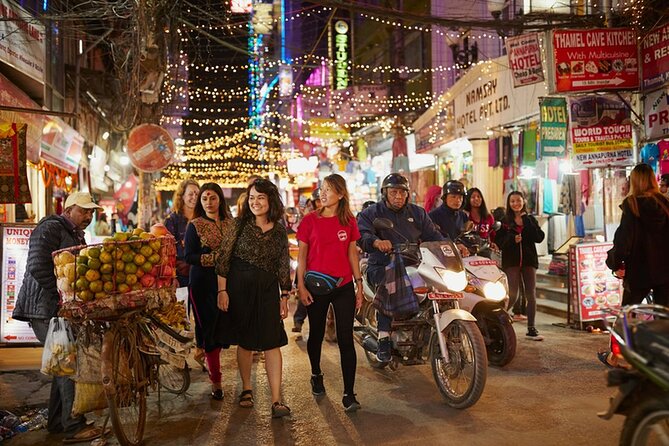
This tour is built for evening energy. You meet at Hotel Marshyangdi at 6:00 pm, climb onto your own rickshaw, and head out as the center of Kathmandu shifts from late-day bustle into night activity. The schedule is short—about 2 hours 30 minutes—but it doesn’t feel rushed because the day’s plan alternates between moving and stopping.
What makes this work for most first-timers is that it gives you a fast orientation. You see the tourist zone in Thamel, then you move toward the older market core with Asan, and finally you end in the temple complex that anchors the whole Durbar Square area. By the time you’re done, you’re not just collecting sights—you understand where things are and how the city flows.
And yes, the rickshaw matters. Kathmandu streets include uneven surfaces, tight lanes, and constant foot traffic. Riding keeps you from getting stuck in the same spot too long, while still letting you take in what’s happening around you.
You can also read our reviews of more evening experiences in Kathmandu
Starting at Thamel: get your bearings before the real foot-stops
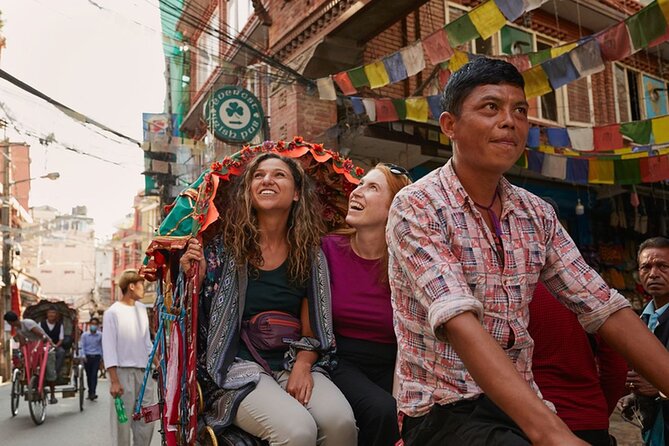
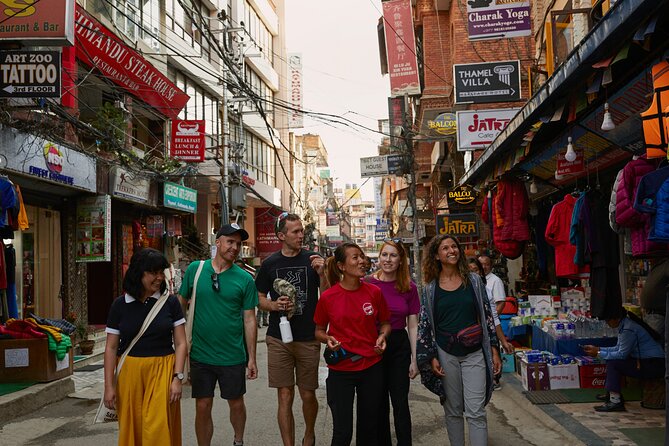
You’ll board in Thamel, Kathmandu’s main tourist pocket, then continue toward Asan. The time here is brief—about 15 minutes—but it’s the right kind of starter: a quick way to settle in, meet your driver and guide, and start seeing street patterns without the pressure of a long walk.
Thamel itself is useful as a launch point. It’s loaded with hotels, restaurants, shops, and late-day crowds, so you’ll feel the contrast between a visitor-friendly zone and the older, more local-feeling market roads ahead. If you’re arriving in Kathmandu that day, this kind of orientation is a smart move. It helps you learn what direction the action is in for later self-guided wandering.
Asan marketplace: spices, temples, and specific stops you can point to
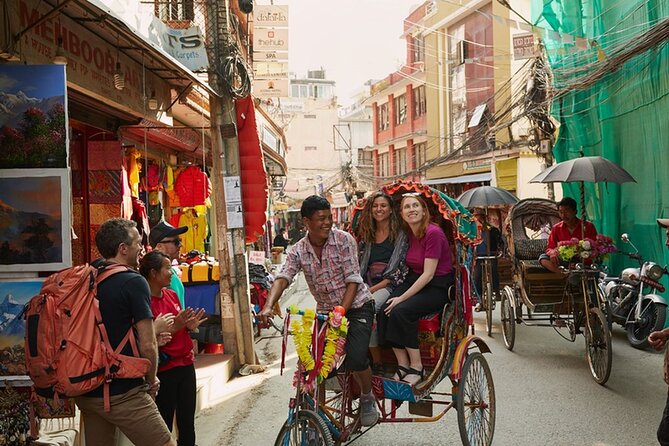
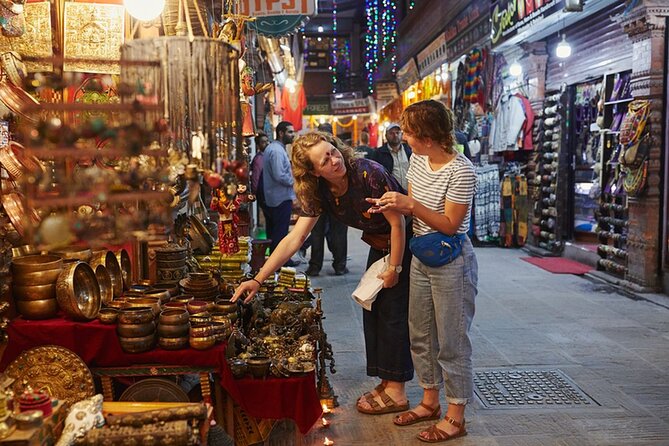
Asan is the tour’s most sensory leg. You spend around 50 minutes here, and the area is known for trading everything from spices and herbs to other daily goods. Even if you don’t buy anything, just standing near the market lanes helps you grasp how food, religion, and shopping sit close together in Kathmandu.
Two things in particular make this stop feel grounded instead of generic:
1) Annapurna Temple stop
You’ll stand in front of the Annapurna Temple, tied to the Goddess of abundance. The tour also explains Anna as food and Purna as fulfil, which gives the temple symbolism a human, understandable link. It’s the sort of detail that makes your next photos far more meaningful than just a picture of stone and wood.
2) Small temple variety along the alley
Along the narrow lane you’ll also encounter other worship spots, including:
- Seto Machindranath (also known as Janabaha Dyo), worshiped by both Hindus and Buddhists
- Aakash Bhairab (described as First King in Nepal Bhasa), known as King Yalambar
These are short stops, but they add up. They show how many belief systems and traditions share the same streets.
Practical note: Asan is often crowded. If you’re sensitive to tight spaces, keep your phone and bag secured, and let your guide decide when to slow down or reposition.
Kathmandu Durbar Square after sundown: UNESCO sights plus Gaddhi Baithak
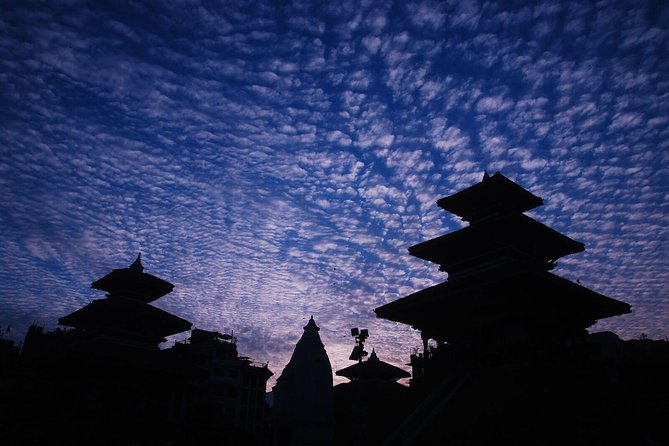
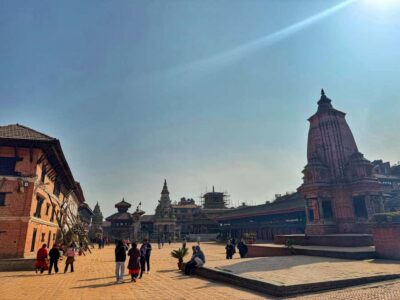
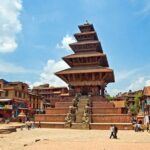
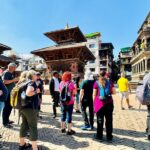
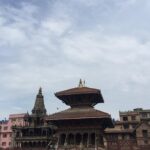
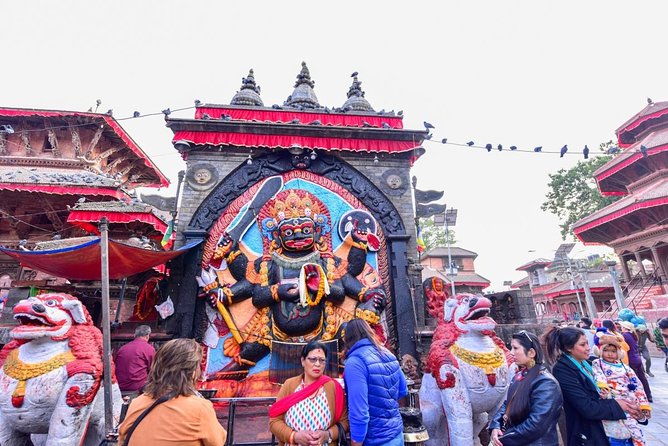
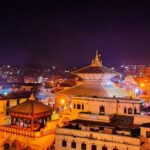
Durbar Square is the heart of the evening, and you spend about 1 hour 25 minutes there, with entry included. The complex is famous for the concentration of temples, shrines, palaces, and courtyards packed into a small area—structures built between the 12th and 18th centuries. Even if you’ve seen photos, it hits differently at night, when faces and street movement bring scale to the stonework.
Your guide talks through what you’re looking at, then you explore with time to slow down on foot. This is when the tour becomes more than transportation. You get to notice:
- the way courtyards open and close like rooms
- the mix of temple spaces in close proximity
- small shrine details that are easy to miss from a distance
A highlight you’ll likely remember is Gaddhi Baithak, a white, European-influenced building linked to the Rana regime. It’s visible within the ancient temple area, and it’s used for ceremonial programs from the balcony. Even if you don’t plan to sit for ceremonies, knowing what that balcony represents helps you read the building in context instead of as a random oddity among temples.
Also in the included scope is time around the temple/shrine area plus a Buddhist Sigal Shrine visit. That adds variety to the religious scenery and helps you see the blending of traditions in Kathmandu’s sacred spaces.
Rickshaw vs. walking time: why the pacing feels right
This tour doesn’t try to turn you into a marathon walker. You ride in the rickshaw to cover the route through lanes and back streets, then hop off for the temple exploration portion. That structure is smart in a city where traffic—motorbikes, pedestrians, and horns—can make long walks tiring quickly.
Here’s what the pacing means for you day-to-day:
- You get a high-angle view from the elevated rickshaw seat, so you can watch street life without constantly craning your neck or weaving through crowds.
- You still get face-to-face time inside Durbar Square, where walking is the only way to really notice temple details and courtyard layouts.
- You’re not stuck only in tourist zones. Thamel is the start, but the evening moves you into Asan and then into the main heritage complex.
If you like your sightseeing with breathing room, this pacing is a good fit. If you prefer long stretches of independent wandering, you may want to add extra time on your own after the tour ends back at the meeting point.

Who this tour suits best (and who might want to adjust)
This is a good choice if:
- it’s your first visit to Kathmandu and you want quick orientation
- you like street-level experiences rather than only major landmarks
- you prefer a guide to translate what you’re seeing in Durbar Square
It’s also child-friendly: children under 6 can join free of charge. The total time is short, and the moving portions let kids break up the day without standing still for hours.
You might want to rethink it if:
- you already have a packed evening plan and only want a quick photo stop
- night walking is a deal-breaker for you (lighting can be uneven, especially in older lanes)
- you’re doing another central Kathmandu city tour that overlaps heavily with Durbar Square and core markets—there can be repetition in what you see
Price and value: what $50.30 actually buys you
At $50.30 per person, the big value piece is what’s included. You’re paying for:
- rickshaw hire
- a local guide and driver
- Durbar Square entrance fee
- time in the heritage area plus the guided orientation through Asan
Food and drinks are not included, so you’ll likely want to budget a small amount if you plan on grabbing chai or a snack during your walk. The tour itself doesn’t lock you into a meal, which is nice—you can stop where you’re comfortable.
Is it a bargain? For Kathmandu, it’s priced as a guided experience with paid entry and transport. If you would otherwise pay for Durbar Square entry plus spend money on a private ride, it starts to make sense quickly. If you’re on a shoestring and only want the fastest self-guided route, you might find cheaper options—but they usually won’t give you the same structured context around temples, shrines, and what those spaces mean.
Carbon-neutral and local-support details that aren’t just marketing
Two practical values show up here.
First, the operator is described as a B Corp certified company and the tour is carbon neutral. That’s a meaningful statement for travelers who want their money tied to better choices, not just a nice story.
Second, the local impact is clear on the ground:
- Entrance fees to Durbar Square help support cultural heritage preservation
- The tour hires rickshaws directly from drivers, providing business and financial support
That matters because a rickshaw ride isn’t just a novelty in Kathmandu. It’s work for people who depend on daily income. Choosing a tour that routes money to drivers is one of the easiest ways to make the experience feel more ethical and less extractive.
Practical tips for a smooth night ride
A few things will help you enjoy the evening instead of fighting it.
Wear shoes you can trust
Durbar Square and the route include older stone and uneven surfaces. You’ll be on foot inside the heritage area.
Keep your phone secured and charged
You’ll likely want photos, but don’t treat it like a full-time filming session. Stop, look, then shoot.
Plan for uneven lighting
This is a night tour, and some lanes may not be brightly lit. That’s why having a guide is more than comfort—it’s how you navigate safely through darker corners.
If you need extra transport, confirm costs upfront
One caution from a past experience: if anything extends beyond the planned return, agree on price before you get moving. It’s an easy way to avoid a stressful end-of-tour surprise.
Bring curiosity for the temple explanations
The tour works best when you listen. The Annapurna Temple stop and the Gaddhi Baithak context are the kind of information that turns basic sightseeing into something that sticks.
Guides, personalities, and what to look for during the walk
You’ll be with a friendly local guide and driver. In past evenings, guide names like Nikita and Sanjeeb have shown up in the experience descriptions, and both are noted for knowledge plus a warm, welcoming approach. Since your guide explains what you’re seeing, you’ll get the most out of the tour if you ask small questions when something feels confusing—especially around temple names and shrine meanings.
A good sign your guide is doing it right: your walk inside Durbar Square doesn’t feel like a checklist. It feels like a story you can follow block by block.
Final call: should you book this Kathmandu sunset rickshaw tour?
If your goal is to get oriented fast, see Kathmandu’s sacred center after dark, and do it without heavy logistics, I’d book it. The combination of rickshaw transport + guided time at Durbar Square gives you real value, especially because the entrance fee is included and the guide helps you read the space instead of just passing through it.
I’d hesitate only if you know you hate night walking, you need very bright visibility, or you already have another tour that covers the same exact core sights. Otherwise, this is one of the more practical ways to experience the city’s rhythm—markets, temples, and the shift into evening—without wearing yourself out.
FAQ
Where is the tour meeting point?
You start at Hotel Marshyangdi, Chaksibari Marg, Kathmandu 44600, Nepal.
What time does the tour start?
The start time is 6:00 pm.
How long is the Kathmandu Sunset Tour by Rickshaw?
The duration is about 2 hours 30 minutes.
How big is the group?
This tour is limited to a maximum of 12 travelers.
Is Durbar Square entrance included in the price?
Yes. The entrance fee for Kathmandu Durbar Square is included.
Are food and drinks included?
No. Food and drinks are not included.
Is this tour family-friendly?
Yes. Children under age 6 are permitted to join free of charge.
Is there a mobile ticket?
Yes. You receive a mobile ticket, and confirmation is received at booking.
What is the cancellation policy?
Free cancellation is available. You can cancel up to 24 hours in advance for a full refund.