REVIEW · KATHMANDU
Kathmandu: Pashupatinath Temple Aarti Night Tour
Book on GetYourGuide →Operated by Fewa Trail Treks and Expedition Pvt Ltd · Bookable on GetYourGuide
Pashupatinath looks extra powerful after sunset. This 3-hour Kathmandu night tour takes you to one of Hinduism’s most important pilgrimage sites, so you can see the golden roof and silver doors of Pashupatinath at the hour when ceremonies feel most vivid. I especially liked pairing the temple visuals with a live, English-speaking explanation of what you’re seeing.
You’ll also get something practical: hotel pickup and drop-off, plus entry ticket and transport handled for you, so you can focus on the experience instead of logistics. If your guide is enthusiastic (mine was, and I remember guide Madhu’s energy), you’ll come away with a clearer sense of why this UNESCO site matters to people today.
The main catch is timing. It’s only 3 hours, so if your pickup runs late you might miss the opening moments of the Aarti ceremony. Plan to be ready in the lobby so the evening stays smooth.
In This Review
- Key highlights I’d plan around
- Pashupatinath at Night: What Changes After Dark
- The Temple Complex You’ll See: Pagoda Style, UNESCO Status, and River Views
- The Aarti Ceremony: What It’s For and How to Get the Timing Right
- Arya Ghat on Bagmati: The Cremation Site Meaning (and What You Might Notice)
- Transport and Comfort: Private Group, Pickup Rules, and Car Quality
- Price and Value: Why $71 Can Make Sense for This 3-Hour Format
- Who This Tour Fits Best (and Who Should Skip It)
- Should You Book This Night Aarti Tour?
- FAQ
- How long is the Kathmandu Pashupatinath Temple Aarti night tour?
- What’s included in the price?
- Is food or drinks included?
- Do I need a passport?
- Is the tour wheelchair accessible?
- Where does the tour start and how early should I be ready?
Key highlights I’d plan around
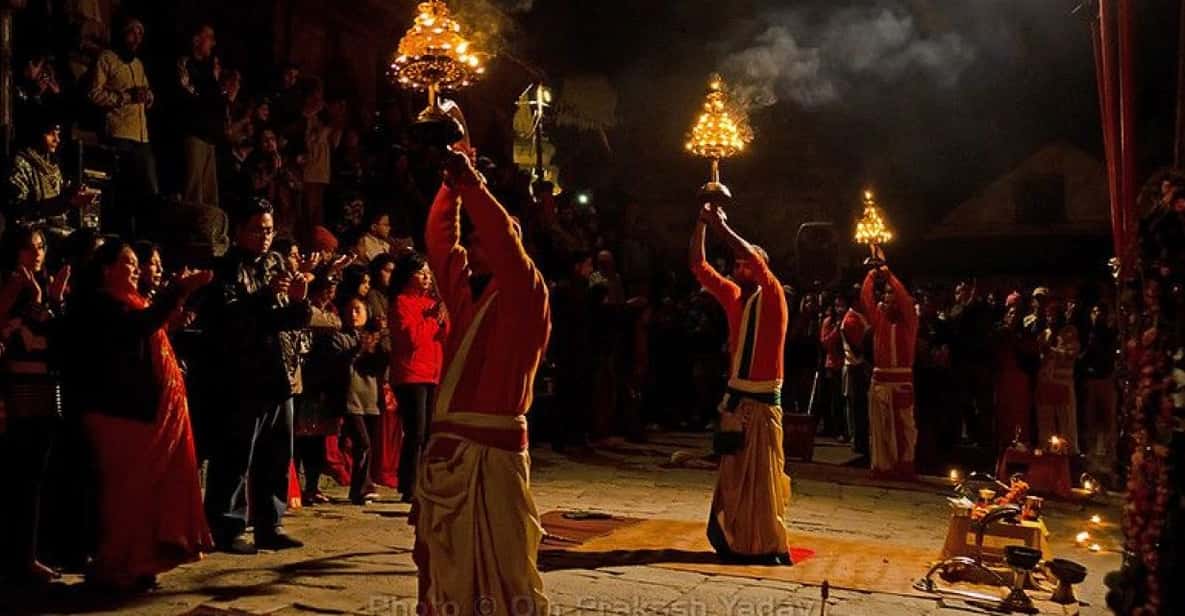
- Night Aarti at Pashupatinath: see devotion in action at a holy Hindu site dedicated to Lord Shiva
- Golden roof and silver doors: iconic features of the pagoda-style main temple
- Bagmati River setting: the complex stretches on both banks, shaping how the grounds feel
- Arya Ghat cremation area: an important location tied to Hindu beliefs about moksha
- Private, English-guided experience: licensed guide with history and on-the-ground context
Pashupatinath at Night: What Changes After Dark
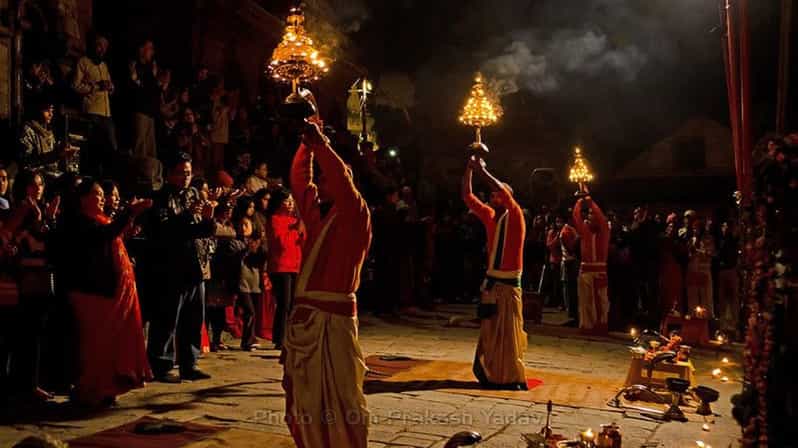
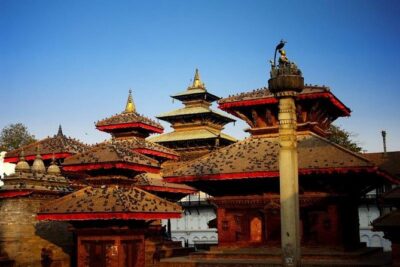
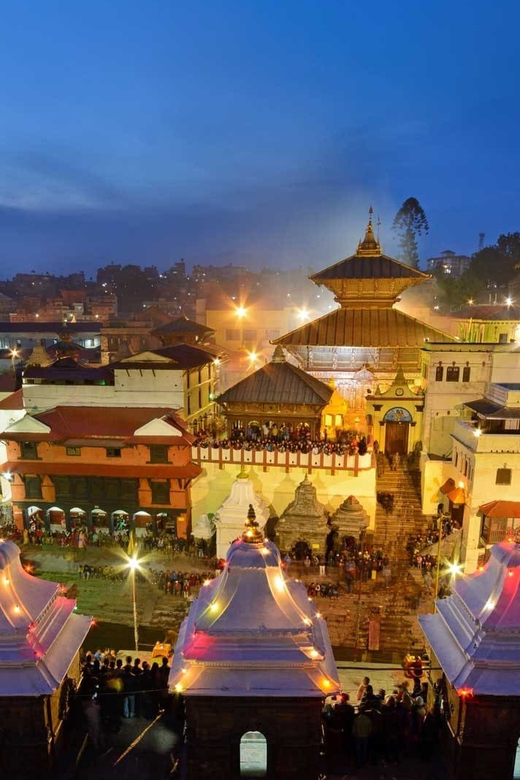
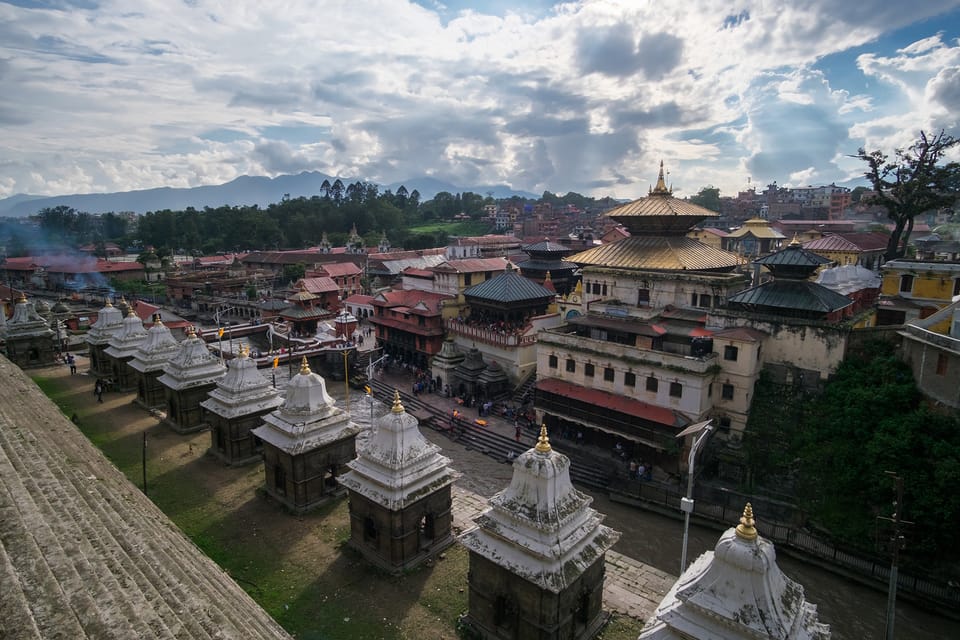
Kathmandu’s Pashupatinath Temple is sacred any time of day, but at night the place hits different. The main temple is pagoda-style, topped with a golden roof, and its intricately carved silver doors stand out even when light is lower. In daylight, you tend to look at architecture first. At night, the ceremony and the atmosphere often take the front seat, so the site feels more like a living place of worship than a stop on a checklist.
What I like about doing it as a guided night tour is that you’re not left guessing. A licensed English-speaking guide walks you through what the ceremony is, where you are in the complex, and what the main temple represents. You’re there for the Aarti experience, but you also get the why behind it: Pashupatinath is dedicated to Lord Pashupatinath, an incarnation of Lord Shiva, and it’s one of the holiest pilgrimage sites for Hindus worldwide.
There’s also a cultural rhythm to the timing. The tour is short by design—just 3 hours—which means you focus on the core experience rather than trying to do everything at once. If you like your evenings efficient and meaningful, this format works.
You can also read our reviews of more evening experiences in Kathmandu



The Temple Complex You’ll See: Pagoda Style, UNESCO Status, and River Views
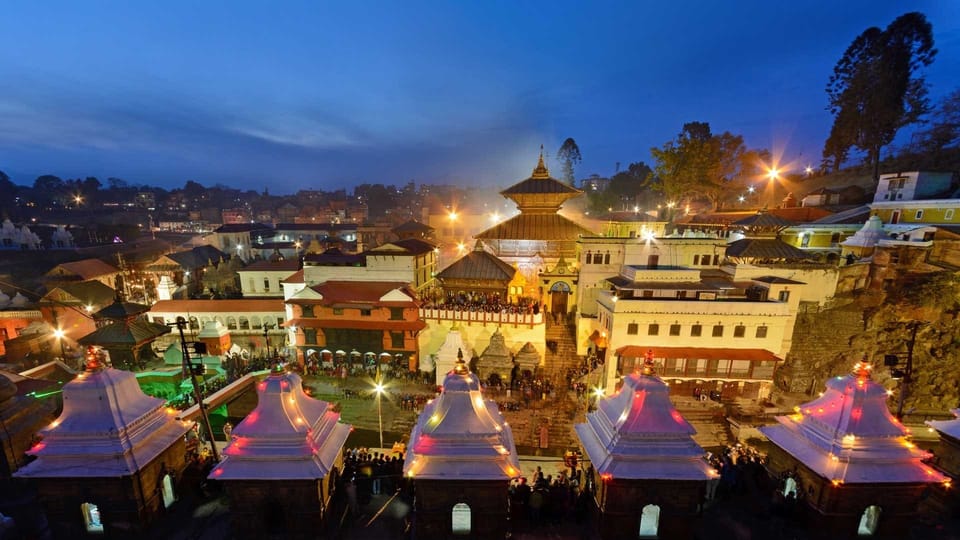
Pashupatinath isn’t a single building. It’s a complex that stretches on both banks of the Bagmati River, and that detail matters. You’re not just visiting a temple; you’re walking through a holy riverside landscape where the flow of the Bagmati is part of how the site functions and feels.
Here are the key features to look for as you’re there:
- Main temple: pagoda-style structure with a golden roof
- Signature doors: silver doors that stand out for their carvings
- Historic layers: it’s believed the sacred site dates back to the 5th century, though the current structure dates to the 17th century after reconstructions
- UNESCO World Heritage Site: official recognition of the complex’s cultural value
That 5th-century belief vs. a 17th-century current structure is a useful detail to keep in mind while you’re watching ceremonies. It helps you understand why the place has the feeling of deep roots but also ongoing renewal. This is not a museum artifact; it’s a temple complex that has been rebuilt and reinterpreted over time while keeping its religious purpose.
And because the complex sits on both sides of the river, your perspective may shift as you move. If you like photography, you’ll likely find the river setting gives you natural framing—without needing to hunt for viewpoints.
The Aarti Ceremony: What It’s For and How to Get the Timing Right
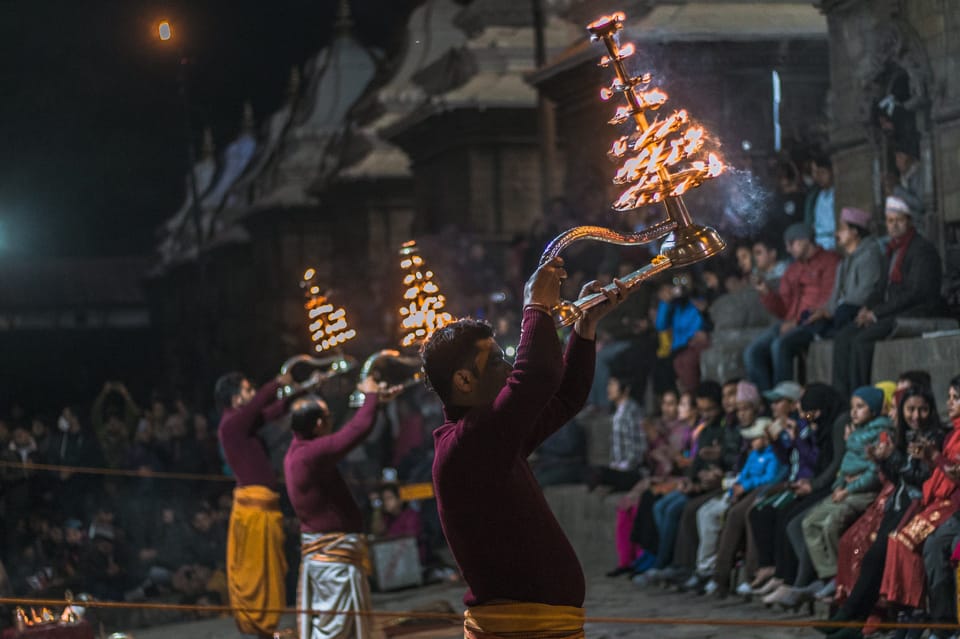
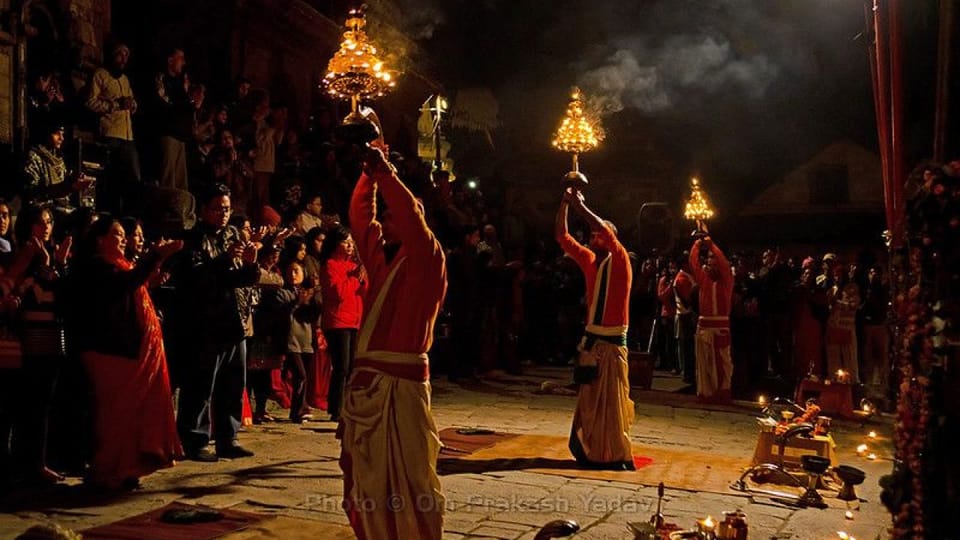
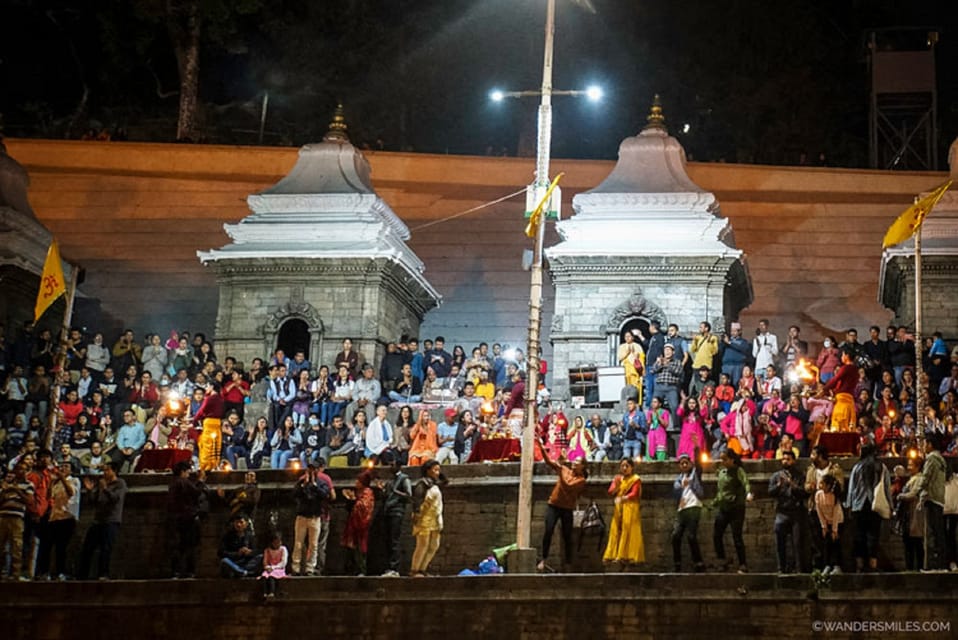
The whole reason to go is the Aarti ceremony. In Hindu worship, Aarti is tied to devotion and ritual timing, and at Pashupatinath it carries extra weight because of who the temple honors: Lord Shiva through his incarnation as Pashupatinath.
Here’s what you can expect in the practical sense:
- You’ll be driven to Pashupatinath and guided around the ceremony area.
- You’ll get a chance to experience the special aarati ceremony on-site.
- Your licensed guide will help you connect what you’re seeing to the temple’s importance.
Because the tour is only 3 hours, you need to treat the start time like the whole game. One detail that can make or break the evening is pickup punctuality. If your car arrives late, it’s very possible you’ll arrive after the Aarti has already begun—meaning you miss the opening flow of the ceremony. So do what you’d do for a concert: be ready, be on time, and don’t assume the clock will wait.
A small operational win is that your pickup instructions are clear: wait in your hotel lobby about 15 minutes before the tour. That’s the kind of detail that keeps the night running smoothly.
Arya Ghat on Bagmati: The Cremation Site Meaning (and What You Might Notice)
Pashupatinath isn’t only about temples. The complex also includes a cremation site on the Bagmati River called Arya Ghat. This is an important place in Hindu cremation practice, and it’s tied to the belief that the deceased soul can attain moksha (liberation from the cycle of rebirth) if cremated there.
That matters for your experience, even if you don’t see every moment. The tour format focuses on the Aarti and the holy atmosphere, but the presence of Arya Ghat gives the site its full emotional range. It can make your visit feel more grounded and less purely scenic. You’re not just looking at sacred art—you’re encountering a religious complex where life, death, and ritual are part of the same spiritual ecosystem.
If you’re sensitive to intense religious sites, it’s worth mentally preparing for that reality before you go. And if you’re curious rather than squeamish, this is also where a guide can really help. A good English-speaking guide will explain what Arya Ghat represents without making it feel sensational.
Transport and Comfort: Private Group, Pickup Rules, and Car Quality
This tour is set up as a private group experience. That’s a real advantage when you want to ask questions without fighting for attention in a crowded group. You get a licensed English-speaking guide and comfortable round-trip transport.
A few practical points I’d treat as value drivers:
- Hotel pickup and drop-off are included, so you’re not trying to coordinate your own ride at night.
- Transportation has been rated highly by past guests, with 86% giving it a perfect score—so you’re more likely to arrive relaxed rather than stressed.
- The tour includes the entry ticket and taxes, meaning fewer surprises at the counter.
Timing still matters. You’ll be picked up from your hotel, then driven to Pashupatinath. After the ceremony and temple time, you’ll be dropped back at your hotel.
Wheelchair accessible is listed, which is a plus to know upfront if mobility is a factor. (You’ll still want to check with the provider about the route and what areas are reachable on the specific night you go, since temple complexes can have uneven ground.)






Price and Value: Why $71 Can Make Sense for This 3-Hour Format
At $71 per person for a 3-hour experience, you’re paying for more than entry. You’re covering:
- Hotel pickup and drop-off
- Transportation to and from Pashupatinath
- A licensed English-speaking guide
- Entry ticket to Pashupatinath
- All taxes
What I think makes this value work is the combination of time and friction removal. In Kathmandu, the hard part for many visitors isn’t just getting to a site—it’s getting there at the right hour and feeling confident you’re understanding what you’re seeing once you arrive. This tour wraps those needs into a short evening block.
Also, because it’s private, the guide time isn’t diluted. If you’re traveling with a partner or small group, it’s often easier to get individualized explanations compared with larger group tours.
The one thing not included is food and drinks. That’s normal for a 3-hour evening activity, but it does affect your planning. If you get hungry, plan to eat beforehand or bring a light plan for afterward.
Who This Tour Fits Best (and Who Should Skip It)
This is a smart choice if:
- You want a focused night Aarti visit rather than a long, exhausting temple day
- You appreciate context and want an English guide to connect the dots (especially around Lord Shiva, temple history, and Arya Ghat’s role)
- You like private-group pacing so you can move at a comfortable speed and ask questions
You might think twice if:
- You dislike short tours where timing matters, because this one is only 3 hours
- You’re uncomfortable with the reality that the complex includes Arya Ghat, a cremation area connected to religious practice
As a solo traveler, you may also find the format reassuring since it’s structured and guided, not you wandering at night trying to interpret a sacred complex on your own.
Should You Book This Night Aarti Tour?
I’d book it if you want a clear, guided evening at one of Nepal’s most significant Hindu sites, with transport and entry taken care of. The value is strongest when you’re aiming for efficiency: hotel pickup, a licensed English guide, and a ceremony-focused visit in a tight 3-hour window.
One caution is worth respecting: be ready for the ceremony start. If your pickup is delayed, you could miss the opening. So choose a pickup moment with buffers in mind, and don’t treat it like an optional loose plan.
If you want a night in Kathmandu that feels spiritually grounded—less sightseeing, more understanding—this is a practical way to do it.
FAQ
How long is the Kathmandu Pashupatinath Temple Aarti night tour?
The tour lasts 3 hours.
What’s included in the price?
Hotel pickup and drop-off, transportation to and from Pashupatinath Temple, a licensed English-speaking guide, entry ticket to Pashupatinath, and all taxes are included.
Is food or drinks included?
No. Food and drinks are not included.
Do I need a passport?
A passport is required, but a copy is accepted.
Is the tour wheelchair accessible?
Yes, the tour is listed as wheelchair accessible.
Where does the tour start and how early should I be ready?
Pickup is included from your hotel. You should wait in the hotel lobby about 15 minutes before the tour.