REVIEW · KATHMANDU
Mardi Himal Trek Nepal
Book on Viator →Operated by Magic Himalaya Treks · Bookable on Viator
Mardi Himal packs big views fast. This short Annapurna trek is built for people who want a quieter trail with tea-house convenience, plus wide mountain views of Machapuchare (Fishtail), Annapurna South, and Hiunchuli. I like how the route feels less crowded than the big-name Annapurna paths, and I also like the care built into the logistics with airport pickup and door-to-door-style transfers.
One thing to keep in mind: the itinerary runs early and includes long stretches of trekking uphill, so you’ll want solid moderate fitness and a realistic pace.
Magic Himalaya Treks focuses on “handled for you” travel days. Between the Kathmandu-to-Pokhara bus ride, the vehicle to start the trek, and the drive back from Shiding, you’re not spending your energy on transit puzzles. I also like that you get a guide and porter team with a proper trek kit setup, plus permits handled through Annapurna conservation paperwork.
Still, you’ll be doing real mountain walking—so expect cold mornings, narrow trails in spots, and a few days where the legs will feel it.
The reward is the payoff: views and calm. I found the Mardi Himal experience appealing because it combines lush forest sections with alpine meadows and higher, more rugged trekking, all while staying in cozy lodges rather than full camping. If you want a crowd-free Himalayan story you can actually relax into each night, this is a strong fit.
Just don’t expect luxury at every altitude stop; tea houses are comfortable by trekking standards, and you’ll do best if you travel with that mindset.
In This Review
- Key things that make this trek worth your attention
- Why Mardi Himal feels different from the usual Annapurna checklist
- Price and logistics: what $750 really covers (and what it doesn’t)
- Kathmandu and Pokhara: the warm-up days that matter more than you think
- The trekking rhythm: from Kande toward Deurali, Low Camp, High Camp
- Tea houses at altitude: comfort, food, and pacing at 4500m
- Shiding Village route variation and the return to Pokhara
- Who this trek is best for (and who should reconsider)
- The Magic Himalaya Treks difference: what the team support feels like
- Should you book this Mardi Himal Trek?
- FAQ
- How long is the Mardi Himal Trek?
- Where do you start and where do you end?
- What does the tour price include?
- What’s included for meals during the trek?
- Is airport pickup included?
- What kind of transport is used between Kathmandu and Pokhara?
- Do I need travel insurance?
- What fitness level do I need?
- How big is the group?
- What’s the hardest part to plan for?
Key things that make this trek worth your attention
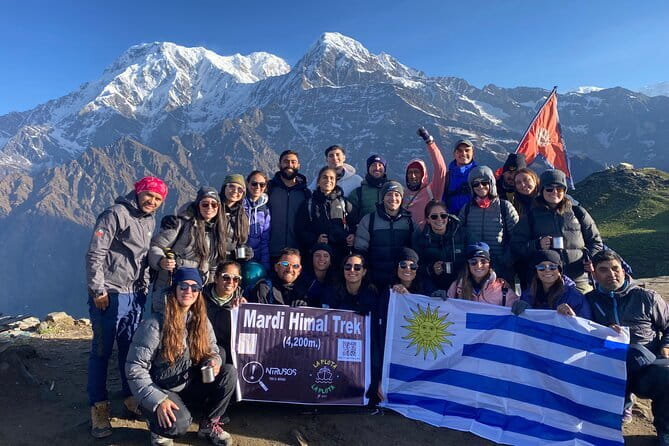
- Quieter Mardi Himal trail in the Annapurna region, away from the most crowded routes
- Tea-house style stays on a route that was once more of a camping trek
- Service-forward team work: guide and porter support, with medical kit and trek medicines included
- Big viewpoint chasing: days that push toward low camp, high camp, and an upper viewpoint
- Smooth movement between hubs: Kathmandu–Pokhara by tourist bus, then local vehicles to and from the trail
Why Mardi Himal feels different from the usual Annapurna checklist
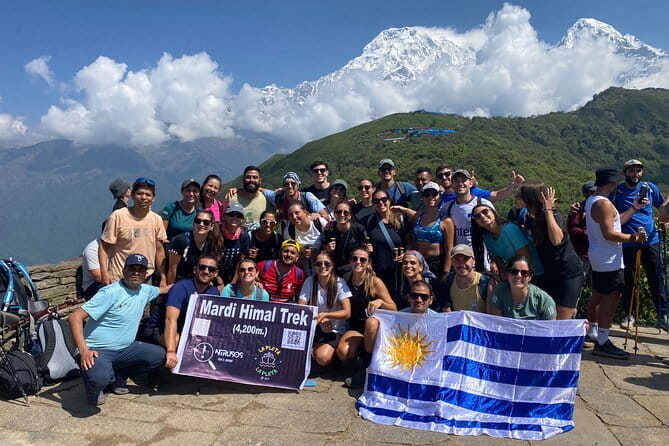
Mardi Himal is one of those Nepal treks that feels like it was made for people who still want the Himalayas, but don’t want the constant busy-ness. You’re in the Annapurna region, yet the trek is positioned as a quieter alternative to the Annapurna Circuit and Annapurna Base Camp routes. That matters more than you’d think, because fewer crowds usually means calmer mornings, fewer stop-and-go delays on the trail, and more time to actually take in the mountain views.
A big reason this trek has grown in popularity is that it’s no longer the tough, full camping-style experience it once was. The trail has shifted toward a tea-house format, with lodges and hotels along the way. For you, that means you can focus on the walking and scenery without having to manage everything that comes with a camping setup. You still get real mountain travel days—just with easier nights.
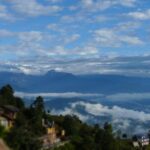
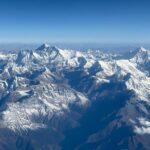
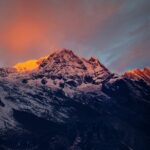
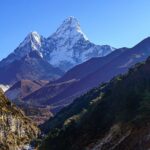
The view lineup is also a major selling point. You’re looking for Machapuchare (Fishtail) angles, plus Annapurna South and Hiunchuli in the bigger panorama. One review note mentions reaching around 4500 meters, which is the kind of altitude where weather and light can change quickly, and those clearer-sky moments feel like the whole effort made sense.
You can also read our reviews of more hiking tours in Kathmandu
Price and logistics: what $750 really covers (and what it doesn’t)
At $750 per person for roughly 9 days, the value here comes from bundling your core “trip scaffolding,” not from flashy extras. You’re paying for the people and paperwork that make the trek run: a guide and porter team, route support, and the trek’s administrative side through Annapurna conservation permits and required documents.
Transport is also part of the deal. You’re looking at an air-conditioned vehicle experience between Kathmandu and Pokhara via a tourist bus, plus private vehicle transfer to the trek start area (toward Kande) and a jeep ride from Shiding back toward Pokhara. That’s practical: it reduces the time you’d otherwise spend coordinating rides, negotiating drivers, or figuring out timing.
Meals and stays are included in a structured way. The package lists 8 breakfasts, 5 lunches, and 5 dinners, plus accommodations during the trek days where tea house lodging is used. You also get a trekking map and a company duffel bag for the porter to carry—small detail, but it’s the kind of thing that saves you from packing chaos.
What’s not included is equally important. You’ll handle your own trekking clothes and gear. Meals in Kathmandu and Pokhara (lunch and dinner) are not included, and personal expenses are your responsibility. Travel insurance for a Nepal trek is listed under additional info, and rescue operations are not included, so you’ll want to plan on protecting yourself for altitude trekking.
Also note the start timing: the meeting point/start time is listed as 1:15 am. That means you should build in a no-stress routine the night before, including early sleep and packing everything the way you like it.
Kathmandu and Pokhara: the warm-up days that matter more than you think
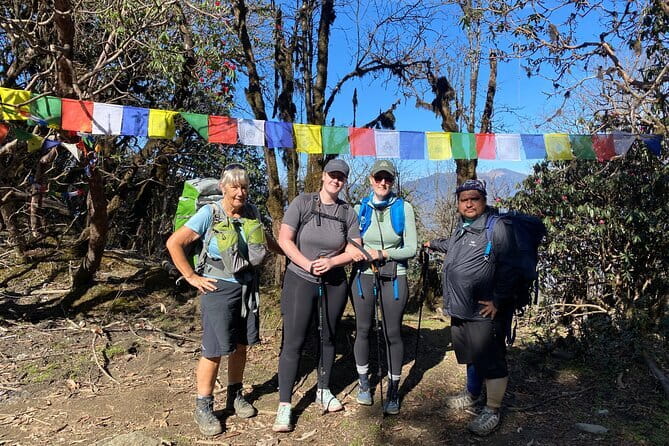
Your trek begins with Kathmandu logistics done for you. After you arrive at the airport, you get picked up and transferred to a hotel in Thamel, which is a convenient base area for food and last-minute gear checks. In the evening, there’s a briefing at the Magic Himalaya treks office. This is the part that helps you get your bearings fast—learning what to expect, how your days will feel, and what the team wants from you on the trail.
Then you shift to Pokhara, the other key hub. You’ll drive by tourist bus for about 7 hours and spend the night in Pokhara. Why this matters: Pokhara is where most trekkers emotionally reset. It’s also where you’ll likely see other hikers, confirm your final trekking mindset, and settle in before the trekking days start.
If you’re the type who gets anxious about timing, take comfort here: the trek structure includes guided movement between these cities, plus the local transport needed to start hiking.
The trekking rhythm: from Kande toward Deurali, Low Camp, High Camp
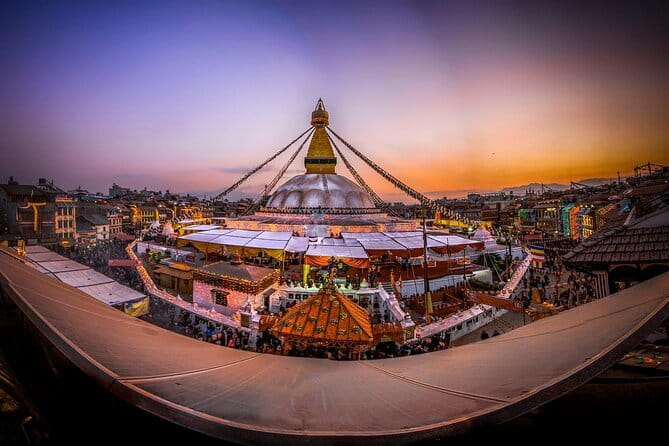
Once you leave Pokhara’s easy rhythm, the trek kicks into gear quickly. The day after Pokhara involves a private vehicle transfer to Kande, and then you start trekking toward Deurali. Lunch may be taken in Australian Camp, which is described as a good viewpoint. Even if you don’t remember every detail, a decent viewpoint stop early helps you mentally lock in the “this is real trekking now” transition.
Your first night is at Deurali villa. That’s a practical base because Deurali sits in the transition zone between forested sections and higher terrain. You’ll feel it in the air and the way your pace changes once the trail starts lifting more consistently.
Next comes the forest-to-camp day. You continue through forest until you reach Low Camp, where you spend the night. This is the kind of stop that’s not just a bed. Low Camp is where the wider Himalayan ranges begin to show more clearly, and the walking becomes less about easy footing and more about steady effort.
From Low Camp, you push upward to High Camp, described as the final destination for that day. Trekking higher is where trees thin and the environment starts to look more alpine. One review-linked highlight points to wildlife spotting on the way, including the possibility of Danphe (the Himalayan pheasant). I wouldn’t plan your whole day around seeing it, but it’s exactly the sort of detail that makes mornings on this route feel alive.
Then comes the long viewpoint-focused day. You ascend and descend, with some steep and narrow trail sections. The route passes through pastures and includes narrow riding/trail segments before reaching an upper viewpoint. This day can feel like a physical test because you’re mixing elevation changes with tight footing. It’s also the day when weather windows matter most—if the skies are clear, you’ll feel rewarded quickly.
Tea houses at altitude: comfort, food, and pacing at 4500m
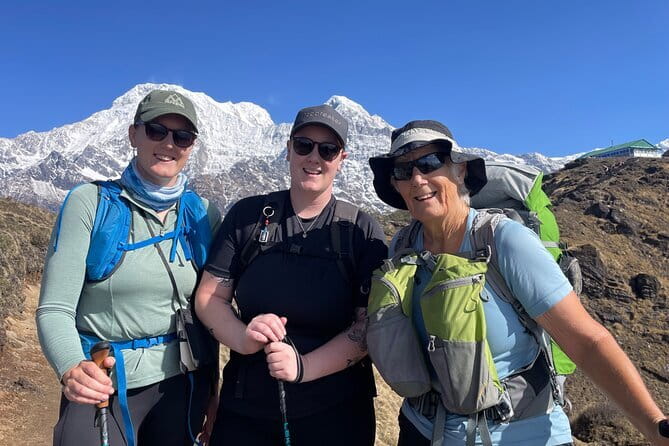
Mardi Himal’s tea-house style is a huge part of why this trek works for many people. Instead of carrying everything, you’re supported by lodge meals and accommodations. Based on the trek structure, you’ll have the key meal rhythm covered on trekking days, with breakfasts, lunches, and dinners planned across the route.
What you should expect at higher camps is not a “hotel vacation.” Tea houses at altitude tend to be simple, and the vibe is more about warmth, shared space, and getting ready for the next morning. The upside is that you can recover properly between trekking days—especially important if you’re aiming for the higher viewpoint areas.
The trekking is also paced around real scenery changes. You move from forest character to more open alpine sections, and you spend time at low camp and high camp before going for the upper viewpoint. That progression helps your body adjust without needing extreme, rushed elevation changes in one go.
And yes, if you’re chasing the moment at around 4500 meters, you should expect altitude to be part of the story—your breathing might get more noticeable, and your pace might naturally slow. The smart play is to walk steady, drink water, and keep your energy for the views rather than burning it all early.
Shiding Village route variation and the return to Pokhara
After reaching the higher part of the experience, the trek takes a slightly different turn. Instead of taking the same Mardi Himal trail back, you go on different routes toward Shiding Village. This detour is a nice change because the trail doesn’t feel like a repeat. It also gives you the sense that the journey has a beginning, middle, and end instead of being a simple out-and-back.
Once you’re in Shiding Village, you switch from trekking mode to vehicle mode. You’ll drive back to Pokhara for an overnight stay. That handoff is helpful. It gives your legs a break, and it also helps you handle the next day’s travel to Kathmandu with less stress.
The final major transit day uses a bus ride back to Kathmandu, taking about 6–7 hours. You’ll have breakfast in Pokhara and then catch the bus. Then the very end is simple: pick-up from your Kathmandu hotel and transfer to the airport for your departure.
Who this trek is best for (and who should reconsider)
This trek is ideal if you want an Annapurna-region trek with less crowd pressure, strong scenic payoff, and tea-house comfort. You don’t need extreme mountaineering experience, but you do need to be ready for repeated uphill trekking, including steep and narrow sections near viewpoints.
You’ll get the most from it if you like:
- structured guiding and clear day planning
- a quieter trail where you can enjoy views without constant crowd navigation
- tea-house trekking (comfortable nights, manageable logistics)
- a group size that stays small enough to feel personal (the tour lists a maximum of 16 travelers)
You might want to reconsider if you hate early starts (the listed start time is 1:15 am) or if you’re looking for a mostly flat hike. This is trekking, not sightseeing on a paved path.
Also, you’ll want to pack smart. The trek’s listed gear requirement is on you, so bring layers for cold mornings, plus footwear you trust on narrow trail sections.
The Magic Himalaya Treks difference: what the team support feels like
From what I can see in the way this trip is described, the “team factor” is a big part of the experience. The guide and porter support is included, and there’s also a medical kit box with required medicine for the trek. That’s a practical safety touch that matters in Nepal, where weather changes fast.
You’ll also get a briefing on the Kathmandu side and a guide who’s described as attentive. In one review example, Nabin (the owner) is specifically mentioned as checking in during the experience. That kind of oversight tends to show up as fewer surprises, smoother coordination, and a quicker resolution if something feels off.
The trek also includes a farewell dinner and celebrations, which may sound like an extra, but it’s often what gives a group story an emotional finish. It’s the moment when the walk becomes a shared memory rather than just another checklist item.
Should you book this Mardi Himal Trek?
If you want a quieter Annapurna trek with tea-house stays, planned meals, and real mountain views—including Machapuchare (Fishtail)—this is a smart booking. The value isn’t just the scenery; it’s the full package of support: permits handled, transport arranged, guide and porter included, and meals and lodging structured across the trekking days.
I’d recommend it especially if:
- you want big views without the full crowd intensity of the most famous routes
- you prefer tea houses over camping
- you like traveling with a small group and clear guidance
Before you say yes, be honest about your fitness. The itinerary climbs toward higher camps and includes steep/narrow trekking segments. If you’re prepared for that effort and you bring your own gear (and travel insurance), you’ll likely come home with a very specific kind of Himalayan satisfaction: tired legs, clear photos, and a calmer trail story than most.
FAQ
How long is the Mardi Himal Trek?
The trek is listed as 9 days approximately.
Where do you start and where do you end?
You start in Kathmandu, with airport pickup and transfer to a hotel in Thamel. You end back in Kathmandu with hotel pickup before your departure to the airport.
What does the tour price include?
The package includes guide and porter support, trekking map, porter duffel bag, a medical kit box and required trek medicine, Annapurna conservation permits and required documents, and accommodations plus meals during the trek days. It also includes transportation between Kathmandu and Pokhara and local drives to and from the trail.
What’s included for meals during the trek?
Meals listed as included are 8 breakfasts, 5 lunches, and 5 dinners.
Is airport pickup included?
Yes. Private transportation is provided for airport pickup and drop.
What kind of transport is used between Kathmandu and Pokhara?
You use an air-conditioned tourist bus for the Kathmandu to Pokhara and back segments, with additional private vehicle and jeep drives related to the trekking route.
Do I need travel insurance?
Travel insurance for a Nepal trek is listed as required in the additional info, and rescue operation in case needed is not included.
What fitness level do I need?
The tour says travelers should have moderate physical fitness.
How big is the group?
This tour/activity lists a maximum of 16 travelers.
What’s the hardest part to plan for?
The itinerary includes early meeting time and multiple days of uphill trekking, including steep and narrow trail sections on the way to the upper viewpoint. You’ll want to plan for cold mornings and altitude effects around higher camps.