REVIEW · KATHMANDU
Kathmandu Heritage Day Tour
Book on Viator →Operated by Blissful Himalayas · Bookable on Viator
Four sacred stops, one easy day. This Kathmandu Heritage Day Tour is built for people who want big spiritual landmarks and medieval city sights without fighting Kathmandu traffic. I especially like the way the route combines Hindu and Buddhist icons in a tight circuit, so you feel the city’s many layers quickly.
I also like that you get a car with a driver for the full day, with parking handled, so your time stays focused on the sights. The stops are scheduled as about an hour each, which helps you plan your energy instead of guessing how long you’ll need at each place.
One consideration: admission fees can be confusing. The day’s plan notes admission tickets included per stop, but the tour details also say attraction entrance fees aren’t included—so ask what you pay on arrival, and budget for surprises.
In This Review
- Key Highlights You’ll Notice Fast
- Kathmandu Heritage Day Tour: how the pacing works
- Getting Picked Up Near Thamel and Staying on Schedule
- Stop 1: Pashupatinath Temple on the Bagmati River
- Stop 2: Boudhanath Stupa and the soundscape of prayer
- Stop 3: Kathmandu Durbar Square and the Royal Palace core
- Stop 4: Swayambhunath (Monkey Temple) and valley views
- Price and logistics: what the $45 is really buying
- What the best guide style feels like in practice
- Who this tour suits best (and who might want a different option)
- Practical tips before you go (so the day feels easy)
- Should you book the Kathmandu Heritage Day Tour?
- FAQ
- What is the Kathmandu Heritage Day Tour?
- How long does the tour take?
- What does the tour cost?
- Where does the tour start?
- Is pickup included?
- Is this tour private?
- What’s included in the price?
- What’s not included?
- Are entrance tickets included for the attractions?
- Do I need to bring a paper ticket?
- What is the cancellation policy?
Key Highlights You’ll Notice Fast
- Pashupatinath Temple on the Bagmati River: a major Shiva shrine with a dramatic setting
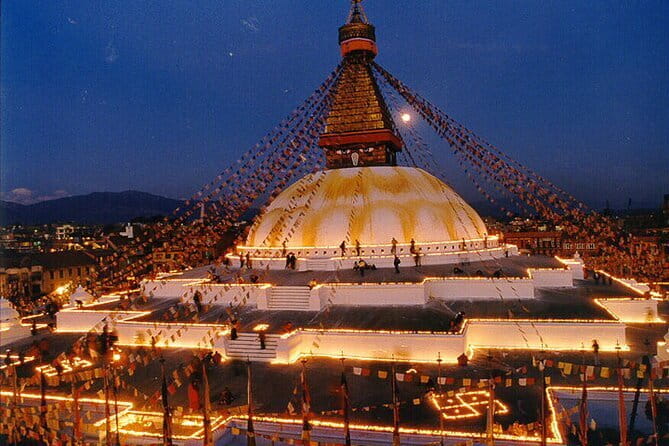
- Boudhanath Stupa: large Buddhist stupa, prayer flags, and chanting energy as you arrive
- Kathmandu Durbar Square: the Royal Palace area plus surrounding temples in a historic core
- Swayambhunath (the Monkey Temple): hilltop views over the Kathmandu Valley
- Car with driver + parking included: fewer logistics headaches during a short day
- Rajan and Blissful Himalayas style: plan-friendly guidance and even meal recommendations
Kathmandu Heritage Day Tour: how the pacing works
This is the kind of tour that fits a half-day mindset. You’re looking at roughly 4 to 6 hours, and each main stop is timed at around 1 hour, with driving and short transitions between places. That structure is good if your itinerary is tight, or if you want to see the “big names” without turning your day into a scavenger hunt.
It’s also a solid choice for first-time orientation. You’ll pass from riverfront Hindu sacred ground to one of the biggest Buddhist stupas in Nepal, then into the palace-temple zone of Kathmandu Durbar Square, and finally up to the hilltop viewpoint at Swayambhunath. The shifts in religion, architecture, and city feel happen in the same afternoon—exactly the kind of contrast that makes Kathmandu stick in your memory.
One important note on expectations: the tour theme is Kathmandu Valley heritage, and Patan and Bhaktapur are often part of the UNESCO conversation in the area. But this particular day circuit is clearly focused on the four listed landmarks—so if Patan or Bhaktapur are a must for you, confirm whether they’re part of your exact routing.
You can also read our reviews of more historical tours in Kathmandu
Getting Picked Up Near Thamel and Staying on Schedule
Your start point is Thamel Marg, Kathmandu 44600, Nepal. From there, you’re in a car with a driver for the entire day, and parking fees are handled. In practice, this matters because Kathmandu’s traffic can turn “short distances” into long detours—so you’ll appreciate a driver who’s managing the route while you stay focused on what’s ahead.
This is also described as a private tour/activity, meaning your group stays together. You’ll still be on a set timetable, but you avoid the stress of getting separated or waiting on a larger crowd.
A small but real advantage: the tour uses a mobile ticket approach. That’s helpful if you’re traveling light, or if you don’t want to juggle paper in a day filled with temple visits and quick transitions.
Stop 1: Pashupatinath Temple on the Bagmati River
Pashupatinath Temple is one of the holiest Hindu temples dedicated to Lord Shiva, and it’s located on the banks of the sacred Bagmati River. That river setting is the point. Even before you go deep into the details, the location makes the place feel ancient and important in a way that’s hard to replicate elsewhere.
What you can expect here is grandeur and ceremony. This isn’t a quick photo stop; it’s a spiritual destination where the temple’s significance shapes the atmosphere. You’ll have about 1 hour, and that’s enough time to see the main features and absorb the rhythm of the space without rushing.
Potential drawback: because this is a major religious site, your visit will likely feel more formal and rules-based than a casual sightseeing walk. Plan for quiet moments and respectful behavior. Also, if you’re sensitive to strong sensory experiences (crowds, chanting, or ritual movement), arrive with a slower pace in mind and use your hour intentionally.
Stop 2: Boudhanath Stupa and the soundscape of prayer
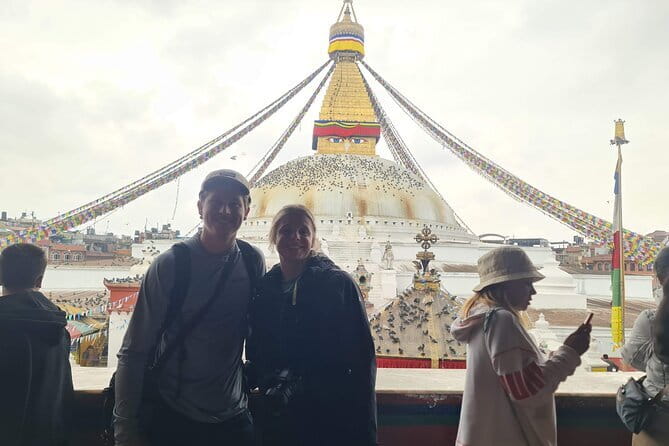
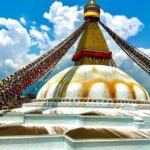
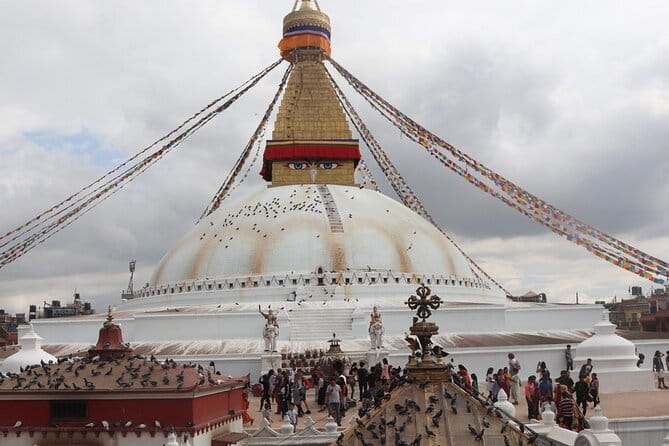
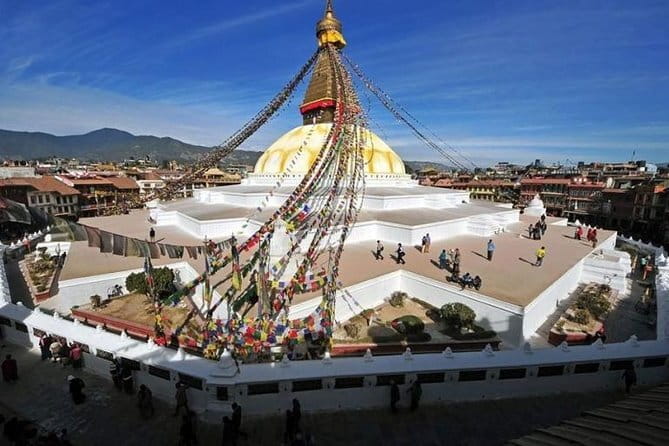
Next comes Boudhanath Stupa, described as one of Nepal’s largest and most important Buddhist stupas. As you approach, you’re met by fluttering prayer flags and the serene sound of chanting monks. That combination—color plus sound—does a lot of work for your senses. It makes the stupa feel less like a monument and more like an active place of devotion.
You get about 1 hour here, which is ideal for circling, looking up, and taking in the flow around the stupa. This is also a stop where the architecture does the explaining. The stupa’s size and the way people move around it helps you understand why this site matters to Buddhists across the region.
Practical consideration: stupa areas can be busy, and the chanting you hear can be either comforting or distracting depending on your preference. If you want a calmer moment, aim to pause where you can watch the space for a few minutes rather than forcing your whole hour to be “always looking.”
Stop 3: Kathmandu Durbar Square and the Royal Palace core
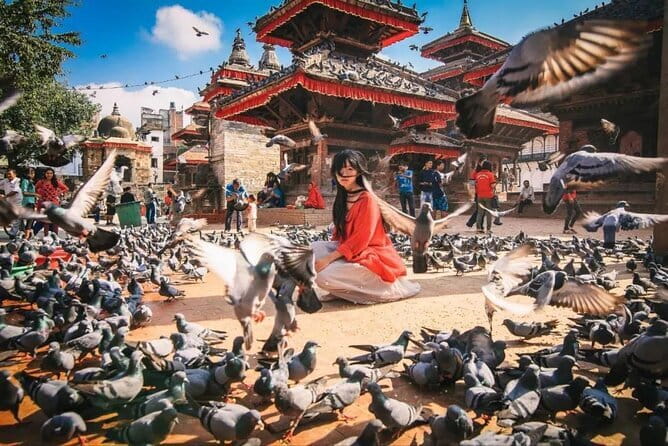
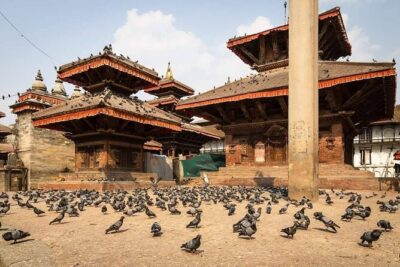
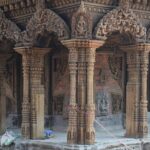
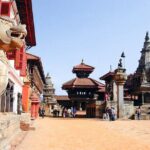
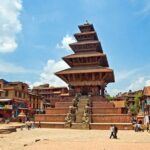
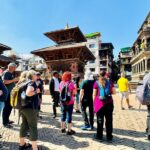
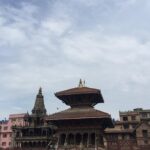
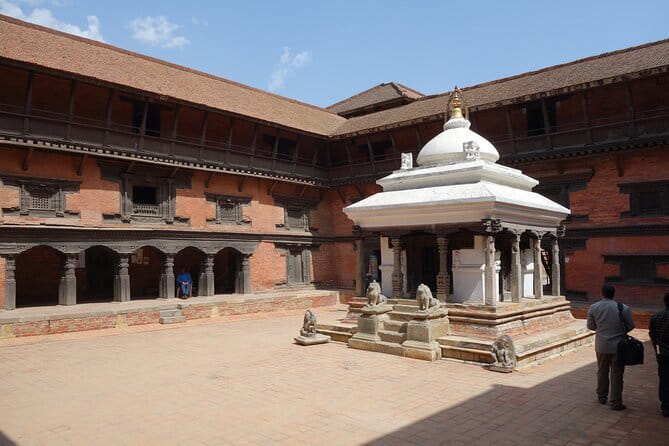
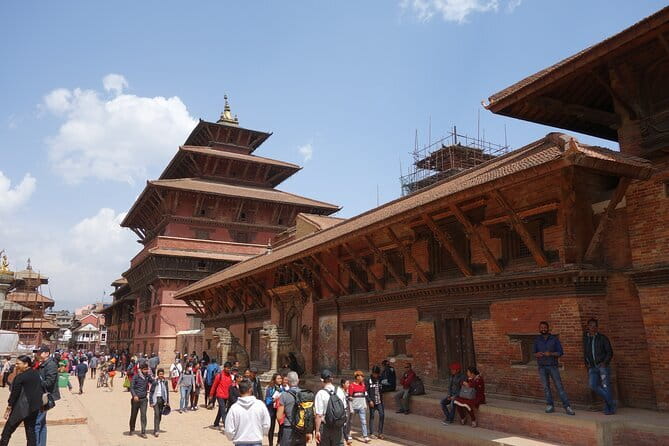
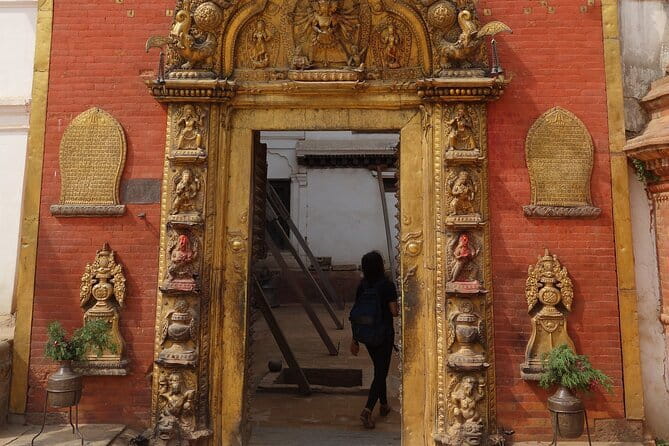
Then you move into the historic heart of Kathmandu: Kathmandu Durbar Square. This is where you’ll find the Royal Palace area, described as built in the 1880s, with influences of British architecture. That detail matters because it’s not only about medieval stone—it’s about Kathmandu absorbing outside styles while maintaining its own identity.
Around the palace zone are temples and other historic structures. The square is a great place to compare what you saw earlier: the Shiva devotion focus from Pashupatinath, and the stupa-centered Buddhist form from Boudhanath. Here, you get palace-temple layouts and the sense of a city center built for power, religion, and public life.
Time reality check: you’ll have about 1 hour, so it’s best to pick what to linger on. If you try to cover everything equally, you’ll feel rushed. Instead, decide one “anchor” (like the palace area or a standout temple cluster) and let the rest become supporting context.
Stop 4: Swayambhunath (Monkey Temple) and valley views
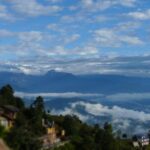
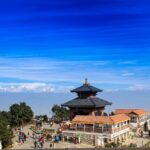
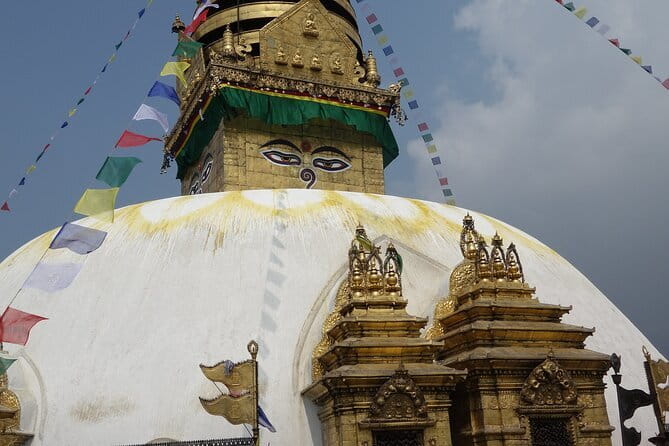
Swayambhunath is also known as the Monkey Temple and sits on a hill overlooking the Kathmandu Valley. You’re looking at a site that works on two levels: spiritual importance as a Buddhist pilgrimage destination, plus the payoff of altitude views over the city.
You’ll get about 1 hour here. That’s enough time to walk the approach, take in the stupa area, and then slow down for the viewpoint moments. Even if you’ve never been to Kathmandu before, the hilltop perspective gives you quick orientation. You start to understand the geometry of the valley and where everything sits relative to everything else.
Potential drawback: hilltop sites can feel more exposed than river or courtyard areas, especially if conditions are windy or if you’re sensitive to stairs and uneven ground. Wear shoes you trust and keep your energy steady—this is a great stop to finish strong, not start stressed.
Price and logistics: what the $45 is really buying
The price is listed as $45.00 per person with a duration of 4 to 6 hours. For that money, you’re getting a lot of the “day-operator” work done: a car with driver for the entire day and parking fees. That’s the practical value in Kathmandu, where squeezing multiple sites can be slower and more expensive if you try to wing it with ad-hoc transport.
Where your budget needs attention is admission fees. The stop details say admission tickets are included at each stop, but the broader inclusions/exclusions also state that attraction entrance fees aren’t included. That doesn’t mean you’ll definitely pay extra at every location—but it does mean you should confirm what’s covered before you arrive.
A good way to think about value:
- If the entrance fees truly are covered, this is a strong deal for four major sights in one half-day.
- If you end up paying entrance fees on top of the $45, it becomes more of a convenience purchase (driver + timing) than a budget sightseeing option.
Either way, you’re buying time and structure, and you’re saving the mental load of coordinating transport between classic Kathmandu landmarks.
What the best guide style feels like in practice
Your tour is operated by Blissful Himalayas, and the proprietor Rajan comes up in past experiences as someone who gives helpful advice and suggestions. The useful part isn’t just facts—it’s flexibility. Rajan is described as helping adjust plans and offering guidance that improves the overall Nepal experience.
There’s also mention that Rajan took someone to eat at a place he knows, paired with site guidance around major attractions. That’s the kind of added value that can matter a lot in a short day tour: you’re not only seeing the monuments, you’re also getting a nudge toward what to do next so your day feels complete.
If you prefer a tour where the guide can respond to your pace—slowing down when you want more time and steering when you want less thinking—this sort of operator style is a plus.
Who this tour suits best (and who might want a different option)
This Kathmandu Heritage Day Tour fits best if you:
- want a short, efficient route through major Kathmandu Valley landmarks
- like having transport handled and a plan you can trust
- are comfortable splitting your time across multiple sacred sites in one afternoon
It may feel less satisfying if you:
- want deep, slow exploration at just one location
- plan to spend hours lingering inside multiple temples
- dislike the idea of a fixed schedule and hour-long stop blocks
Also, because the car and timing are key parts of the price, people who already love figuring out transport on their own might feel it’s easier to do parts independently—especially if admission fees are the main cost drivers. But if your priority is smooth logistics and classic hits, this is an easy recommendation.
Practical tips before you go (so the day feels easy)
A few things will make this day tour smoother:
- Plan for personal expenses: purchases, extra snacks, and other costs aren’t included.
- Set aside a small amount for tips/donations if you feel inclined; tips and donations aren’t listed as included.
- Bring what you need for the day: since lunch isn’t included, decide in advance whether you’ll grab something before you meet or after you finish.
- Confirm entrance fee coverage: since your description includes admission-ticket language but also lists attraction entrance fees as not included, it’s worth asking the operator what’s paid at the gate versus what’s prepaid.
- Wear shoes you can walk in comfortably. You’ll cover hilltop walking at Swayambhunath and steady walking between stops.
Should you book the Kathmandu Heritage Day Tour?
If you want a simple, well-structured afternoon that hits four headline Kathmandu landmarks, I’d book this. The big wins are the driver-based logistics, the hour-per-stop pacing, and the variety: Shiva at Pashupatinath, Buddhist devotion at Boudhanath, the palace-temple core at Kathmandu Durbar Square, and the hilltop perspective at Swayambhunath.
The main reason to hesitate is the entrance fee confusion. Not because it’s automatically a deal-breaker, but because your total day cost may differ depending on what’s actually covered. If you confirm that point and you’re good with a half-day schedule, this tour is a strong value for getting oriented fast and seeing Kathmandu’s major spiritual anchors.
FAQ
What is the Kathmandu Heritage Day Tour?
It’s a guided day tour in Kathmandu that visits major heritage sites, including Pashupatinath Temple, Boudhanath Stupa, Kathmandu Durbar Square, and Swayambhunath.
How long does the tour take?
The duration is about 4 to 6 hours.
What does the tour cost?
The price is $45.00 per person.
Where does the tour start?
The meeting point is Thamel Marg, Kathmandu 44600, Nepal.
Is pickup included?
Pickup is offered.
Is this tour private?
Yes. It’s described as a private tour/activity, meaning only your group participates.
What’s included in the price?
It includes a car with driver for the entire day and parking fees.
What’s not included?
Personal expenses (including purchases), lunch, tips and donations, and attraction entrance fees are listed as not included.
Are entrance tickets included for the attractions?
The stop details say admission tickets are included for each stop, but the overall exclusions mention attraction entrance fees. You should confirm what you’ll pay on site versus what’s covered.
Do I need to bring a paper ticket?
A mobile ticket is mentioned.
What is the cancellation policy?
Free cancellation is offered up to 24 hours in advance for a full refund.
If you’d like, tell me your travel dates and whether you’re more interested in temples, viewpoints, or photo-heavy sightseeing, and I’ll suggest how to time the day around this route.