REVIEW · KATHMANDU
Pashupatinath Evening Aarati: Few Divinely Hours in Kathmandu
Book on Viator →Operated by Three Jewels Adventures · Bookable on Viator
A real-world window into Hindu Kathmandu life, this evening ritual at Pashupatinath blends worship, music, and devotion into one guided walk. You’ll time it for the Pashupatinath evening aarati, which starts around 6:00 PM to 7:00 PM depending on the season, then you’ll linger through the hour-long ceremony as incense, flowers, and lights are offered to Shiva.
What I like most is the pacing and structure: pickup from your hotel happens between 4:30 PM and 5:30 PM, so you’re not scrambling across town. I also love that the tour frames what you’re seeing with context, so the Bhajana singing and the priests leading the rites feel understandable, not random.
The one catch: the Bagmati River stop includes observing a cremation ceremony, which is intensely spiritual but also visually and emotionally intense. If that kind of ritual is hard for you, decide ahead of time how you want to handle it.
In This Review
- Key things to know before you go
- Why the evening timing at Pashupatinath feels different
- Pickup, arrival, and how to avoid the bad viewing scramble
- Stop 1: Pashupatinath Temple—what the precinct adds beyond the main ritual
- Bagmati River cremation viewing—powerful, respectful, and not for the faint-hearted
- The aarati pooja: offerings, Brahmin priests, and the bhajana chorus
- Other monuments on the way: why the “in-between” time matters
- Price and value: what $35 gets you in Kathmandu
- Who should book this evening aarati tour
- Should you book Pashupatinath Evening Aarati in Kathmandu?
- FAQ
- What time does the Pashupatinath evening aarati take place?
- How long is the tour?
- What time do they pick me up from my hotel?
- Is the tour price $35 per person?
- What’s included in the tour price?
- Is temple entry included?
- Do I get a ticket on my phone?
- Is it refundable if I cancel?
- Do most people participate in this tour?
Key things to know before you go
- Timing matters: the main aarati happens around 6–7 PM, and showing up late means missing the most meaningful part.
- Hotel pickup is built in: you’ll be collected between 4:30–5:30 PM and returned afterward, using an air-conditioned vehicle.
- You’re walking through real temple action: the Pashupatinath precinct is active as devotees gather for incense, lights, and prayers.
- Bagmati River cremation viewing is part of the experience: plan your emotional comfort level before you go.
- Your guide shapes the meaning: guides like Mani and Amber are highlighted for explanations and keeping things on track.
Why the evening timing at Pashupatinath feels different
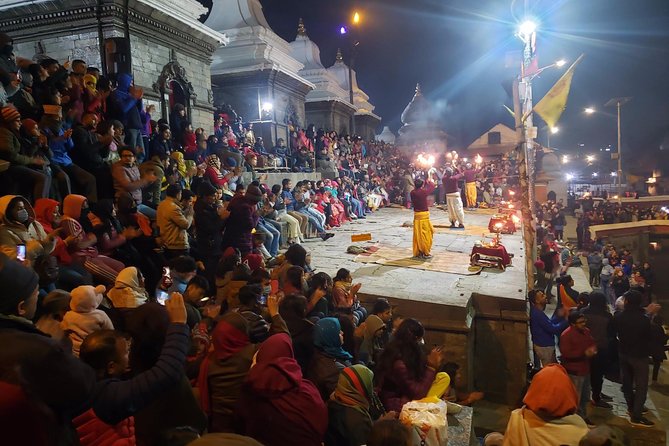
Kathmandu changes after dark, but Pashupatinath changes in a more specific way: the day closes with a public, ritual-focused rhythm. The aarati ceremony at Pashupatinath is designed to be watched at the right moment, when priests lead offerings and devotees respond through song.
This tour is scheduled around that window, with a stated start time of roughly 6:00 PM–7:00 PM depending on the season. That timing is exactly why this is more than a temple visit with photos. You’re not just seeing the setting—you’re catching the moment worship becomes visible and communal.
The practical upside: you’ll have a clear plan for the evening. In a city where traffic and timing can be unpredictable, having a set pickup and a targeted ritual time helps you feel grounded.
You can also read our reviews of more evening experiences in Kathmandu



Pickup, arrival, and how to avoid the bad viewing scramble
You’ll get picked up from your hotel between 4:30 PM and 5:30 PM, then transported by an air-conditioned vehicle. For a ceremony that runs for about an hour, that timing is important: you need time to get to the right area and settle before the prayers begin.
One review pointed out they wished they arrived earlier to secure a better spot to sit and watch the river-side moments. That’s good advice even if your pickup is scheduled: ask your guide how early you’ll reach the viewing area, and be ready to move quickly once you arrive.
Also, keep your expectations simple. This is a guided evening stroll with stops that matter, not a long sightseeing day. The tour duration is listed as 2 to 4 hours, so wear comfortable shoes and treat it like an evening event with a start time, not an open-ended tour.
Stop 1: Pashupatinath Temple—what the precinct adds beyond the main ritual
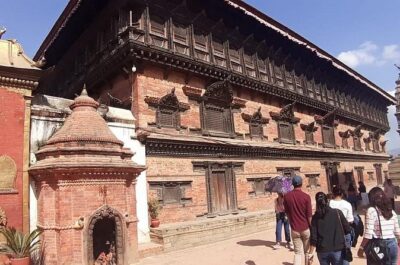
Pashupatinath Temple is described as Nepal’s most revered Hindu temple, and the precinct around it matters as much as the altar area. In this tour format, you’re not only dropping in for a quick look. You’re arriving with time to observe the temple setting as devotees gather and the atmosphere shifts toward the evening ceremony.
You’ll also visit other monuments within the surrounding area, which helps connect what you see to the wider religious landscape of the site. That connection is especially helpful when you’re new to Hindu temple practice, because it gives you anchors: places, roles, and the way the space supports the ritual.
On entry costs, the info you’re given can be a little nuanced. The tour notes that admission ticket is free, but it also lists an entry fee to the Pashupati Temple premises as not included. In real life, that often means you should treat the premises access as something you may need to pay separately on the day, depending on where exactly you’re allowed to go. When you confirm, ask what fee (if any) is expected locally for the areas you’ll enter.
Practical tip: if you want smoother viewing, keep your camera strap tight and your phone ready. You’ll be moving through active areas, and the best moments can happen quickly once the prayers start.
Bagmati River cremation viewing—powerful, respectful, and not for the faint-hearted
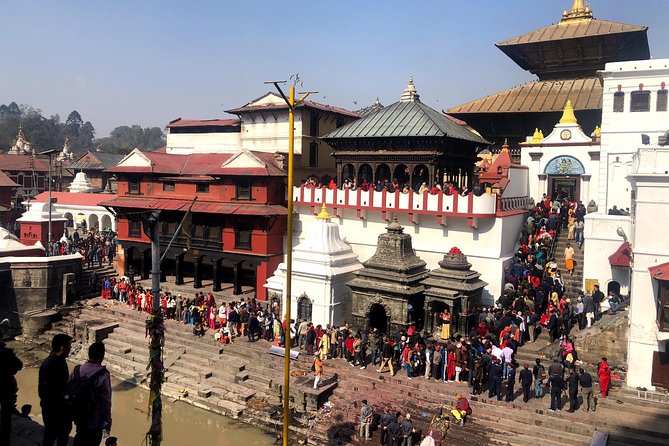
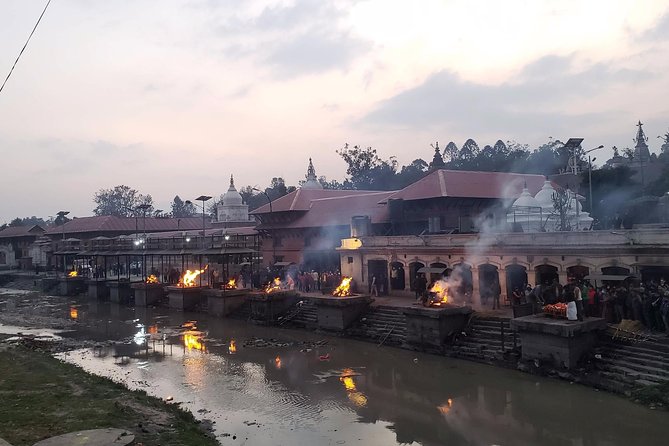
One of the standout parts of this experience is that you’ll observe a cremation ceremony on the bank of the holy Bagmati River. This is the part that most strongly separates a normal temple tour from a culturally serious experience.
The reviews give you the right warning: if cremation practices are unfamiliar, do a bit of reading beforehand so you’re not caught off guard. You don’t need morbid curiosity, but it helps to understand that what you’re seeing is part of a living religious tradition with rules about respect.
You should also plan your behavior like you would for a sacred service you didn’t invent. Keep your voice down, move carefully, and follow your guide’s lead on where you can stand and how close you can get. If you’re sensitive to fire rituals, smoke, or intense human emotion, decide in advance whether you want to watch from a bit farther back.
At the same time, don’t underestimate the learning value. This tour is designed so you understand what’s happening around the ceremony, not just passively witness it. That’s part of why guides like Mani and Amber are praised for explanations and timing.
The aarati pooja: offerings, Brahmin priests, and the bhajana chorus
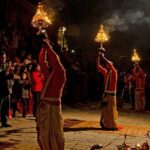
Now we get to the main event: the aarati pooja at Pashupatinath. The ceremony is described as a day-closing worship ritual offering light, flower, incense, and other objects to Lord Shiva. It’s led by Hindu Brahmin priests, with live Bhajana devotional songs joining hundreds of devotees.
In other words, you’re not just watching one person pray. You’re watching a whole system of worship run in public: offerings are made, music carries devotion, and the crowd participates in its own way. That combination is what makes the experience feel meaningful rather than staged.
Why I think this is a strong cultural choice: it’s short enough to fit into your Kathmandu schedule, but it’s structured around a real ritual sequence. Many tours in cities like Kathmandu are either long temple marathons or short photo stops. This one targets an actual ceremonial hour.
What to expect in the moment: you’ll be surrounded by incense smell, movement from devotees, and the rhythm of songs. If you’re the type who likes context, this is where your guide really helps. One review mentions Mahesh Ji’s detailed explanations and how he kept things accommodating, which is exactly what you want during a ceremony where meaning is in the details.




Other monuments on the way: why the “in-between” time matters
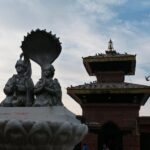
You’ll also visit other monuments within the surrounding area, which may sound secondary until you’re there. Those in-between stops are what turn the night from a single event into a coherent story.
When you understand the layout—how the precinct connects to river views and how movement leads you toward the ceremony—the experience feels less like a crowd event and more like a guided path through sacred space. It also helps you avoid the most common beginner frustration: not knowing what you’re looking at or why you’re standing where you are.
Even if your goal is the aarati itself, I think the “extra” monuments are worth it because they give context for the worship scene you’ll later witness at its peak.
Price and value: what $35 gets you in Kathmandu
The price is listed at $35.00 per person for a tour that runs about 2 to 4 hours. That might feel modest, but in Kathmandu it often covers the key essentials: an air-conditioned vehicle, hotel pickup and drop-off, and guided interpretation during a time-sensitive evening ritual.
What makes the value calculation fair is the trade-off. This tour isn’t selling you a long itinerary packed with stops that take hours to reach. It’s focusing on a single high-impact cultural moment plus closely related river-side viewing. If the timing and the sacred sequence matter to you, the cost makes more sense.
Two costs to keep in mind:
- The air-conditioned vehicle and transport are included, but entry to the Pashupati Temple premises is listed as not included.
- A temple visit doesn’t always mean a single fixed fee. Depending on how access is handled for the evening precinct, you may see separate charges on site.
For budgeting, also note the tour includes a mobile ticket and offers group discounts. If you’re traveling with a few people, that can bring the per-person cost down and make it easier to justify the guided timing.
Who should book this evening aarati tour
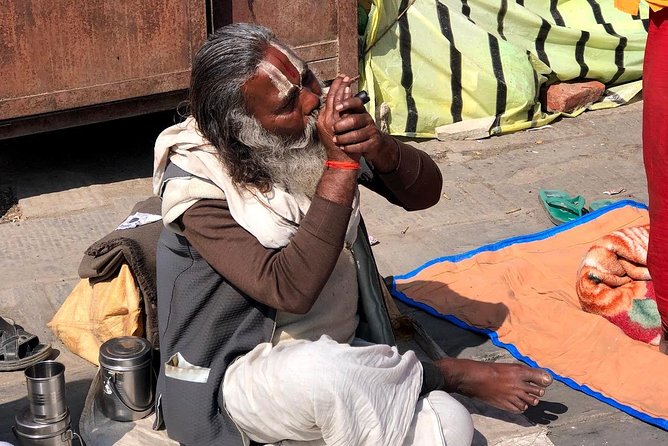
This experience is best for you if you want a real cultural ritual in Kathmandu, with a guide that explains what you’re seeing while you stand in the middle of it. It’s also a good fit if you like short, purposeful evenings rather than full-day tours.
It’s marked as suitable for most travelers, but you should still consider your personal comfort level with cremation viewing. That stop is part of the core experience here, so skipping it likely wouldn’t match the purpose of booking.
Also, this tour is particularly valuable if you don’t want to navigate the timing yourself. The aarati starts around 6–7 PM, and your pickup window (4:30–5:30 PM) is there so you arrive with enough lead time. If you’re traveling solo, it can also reduce stress: you get a driver, you get a schedule, and you’re not guessing where to stand.
Should you book Pashupatinath Evening Aarati in Kathmandu?
I’d book it if you’re the type who enjoys understanding a place through its rituals, not just its monuments. The combination of a dedicated aarati hour, live Bhajana, priests leading the offerings, plus the Bagmati River cremation ceremony makes this one of the more culturally serious evening options in Kathmandu.
Don’t book it blindly if the idea of cremation viewing would make you uncomfortable. Read up a little in advance, and go with a respectful mindset. If you do that, this tour is exactly the kind of short experience that can stay with you long after you leave the city.
FAQ
What time does the Pashupatinath evening aarati take place?
The aarati begins in the evening at around 6:00 PM to 7:00 PM depending on the season, and the ceremony lasts for about an hour.
How long is the tour?
The tour duration is listed as approximately 2 to 4 hours.
What time do they pick me up from my hotel?
Pickup is offered and the guide and driver meet you between 4:30 PM to 5:30 PM at your hotel.
Is the tour price $35 per person?
Yes. The price is listed as $35.00 per person.
What’s included in the tour price?
The tour includes an air-conditioned vehicle. Hotel pickup and drop-off are also part of how the experience runs.
Is temple entry included?
Entry to the Pashupati Temple premises is listed as not included. The information also notes an admission ticket is free, so you may want to confirm what fee applies for the areas you’ll enter on the day.
Do I get a ticket on my phone?
Yes. The tour includes a mobile ticket.
Is it refundable if I cancel?
The experience offers free cancellation. You can cancel up to 24 hours in advance for a full refund.
Do most people participate in this tour?
The tour notes that most travelers can participate. The cremation ceremony viewing is part of the experience, so if that’s a concern for you, plan accordingly.