REVIEW · KATHMANDU
3 Days Bhutan Cultural Tour
Book on GetYourGuide →Operated by Alpine Club of Himalaya · Bookable on GetYourGuide
Curious how Bhutan starts in the sky? This Druk Air flight gets you a dramatic first look at the Himalayas before you ever step on land, then the trip quickly pivots to real cultural stops in Thimphu and on the cliff trail to Taktsang. It is a tight 3 days, but it packs in the kind of Bhutan moments people remember.
I especially like the way this tour gives you a practical, day-by-day plan without feeling rushed. You get hands-on cultural context in Thimphu (textiles, paper making, and the post office stamps), and you also get the spiritual payoff of the Tiger’s Nest (Taktsang) hike plus a visit to the older, sacred Kyichu Lhakhang temple.
One thing to think about: the Taktsang climb is steep and the monastery itself is not open to the public, so you enjoy it mostly from viewpoint areas rather than inside. If you’re hoping for a casual stroll or an indoor temple visit at Taktsang, this is not built for that.
In This Review
- Key things you’ll notice on this 3-day Bhutan cultural tour
- From Kathmandu to Paro: the Druk Air landing and why it matters
- Thimphu highlights: textiles, paper, and Bhutan’s stamp culture
- Taktsang (Tiger’s Nest) hike: the legend, the cave, and the viewpoint reality
- Kyichu Lhakhang: an older sacred temple stop that slows the day down
- Hotels, meals, and what the $1,649 price is really paying for
- Private guiding in English: what it feels like day to day
- Practical tips: visa timing, what to pack, and hiking readiness
- Should you book this 3-day Bhutan Cultural Tour?
- FAQ
- How long is the flight from Kathmandu to Paro?
- What transfers and transportation are included?
- Are meals included in the tour price?
- Do I need to arrange a Bhutan visa before arrival?
- Can visitors enter Taktsang Monastery?
- What should I bring for the hike to Tiger’s Nest?
Key things you’ll notice on this 3-day Bhutan cultural tour
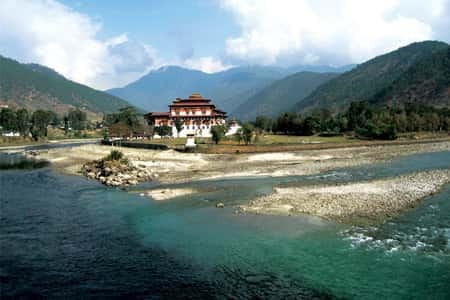
- Smooth first day flow from Paro airport arrival to Thimphu, with private transfers and guided city time
- Thimphu culture with specific stops like the Textile Museum, a paper making factory, and Bhutan post office stamps
- Taktsang hike details: a steep ~1.5-hour climb to a viewpoint, plus the story of Guru Rimpoche and the cave site
- Kyichu Lhakhang payoff as one of Bhutan’s oldest sacred temples in a calmer, grounded setting
- Value in what’s included: airfare, meals, entrance fees, and an English-speaking guide, not just a “ride and drop”
From Kathmandu to Paro: the Druk Air landing and why it matters
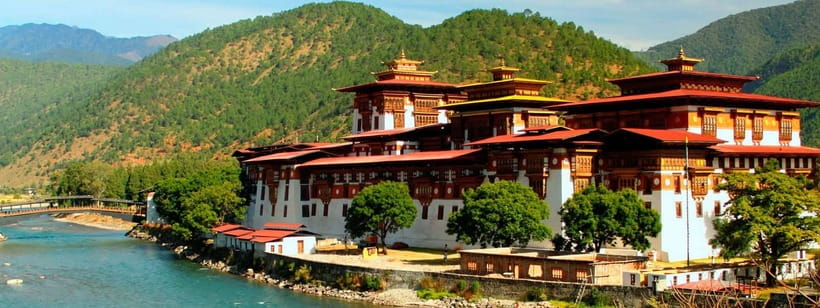
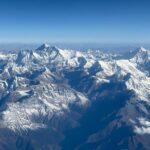
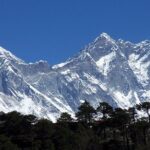
Your Bhutan trip begins the moment you leave Kathmandu. You fly on Druk Air (about a 1-hour flight) from Kathmandu to Paro, then you get a valley descent that sets the tone for the whole journey. Paro is the main entry point for a lot of Bhutan travel because it’s where the geography funnels travelers in and out, and that makes the arrival feel purposeful rather than random.
Once you land, you don’t spend your time figuring things out. A Bhutanese guide meets you after you clear customs and visa control, then you transfer to your hotel setup. After that, the drive to Thimphu is about 54 km (around 2 hours). It’s long enough to make the scenery meaningful, but not so long that you feel swallowed by transit on day one.
Why I like this structure for first-time Bhutan visitors: it reduces the usual “arrival chaos.” You land, get handled, eat, and then start seeing the capital the same day. That matters in a short itinerary like this, where every hour counts.
You can also read our reviews of more historical tours in Kathmandu
Thimphu highlights: textiles, paper, and Bhutan’s stamp culture
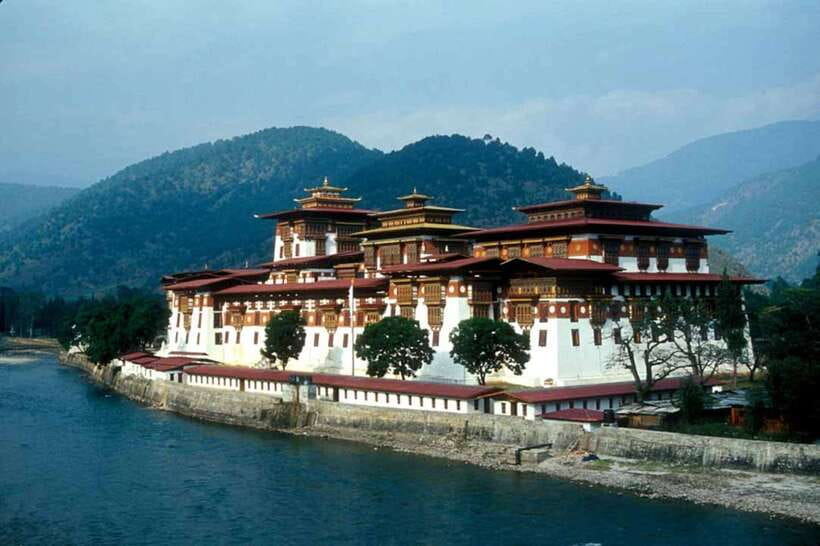
Thimphu is Bhutan’s capital, and it works well as a first introduction because it’s not trying to be one big monument. It’s more like a living center where you can learn how culture is made, repeated, and cared for.
After lunch, you start sightseeing with stops that teach you how Bhutanese life expresses itself. The Textile Museum is the first big one. Textiles in Bhutan aren’t just decoration. The pieces you see help you understand pattern traditions and the role of fabric in everyday identity and ceremonial life.
Next comes a traditional paper making factory. This is the kind of stop I recommend if you want the trip to feel real rather than just photo stops. Handmade paper connects directly to writing traditions, religious texts, and the craft side of Bhutan’s cultural system. You’ll get a better sense of how materials are treated with care, not treated like a commodity.
Then there’s a visit to the post office to see Bhutan’s stamps. This might sound small until you notice how stamps act like miniature storytelling. You can see myths, traditions, and cultural themes represented through stamps, and it’s an easy way to remember what you learned each day because you can pair images with facts in your own head.
If you want a slightly looser pace, you can also opt for less formal sightseeing and a guided walk to get your bearings. That flexibility is helpful in Thimphu because the city atmosphere is part of the experience.
Taktsang (Tiger’s Nest) hike: the legend, the cave, and the viewpoint reality
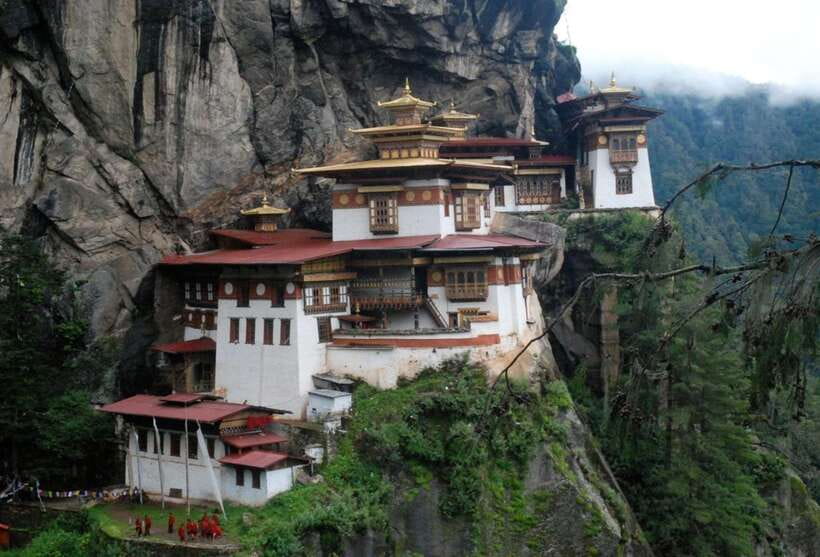
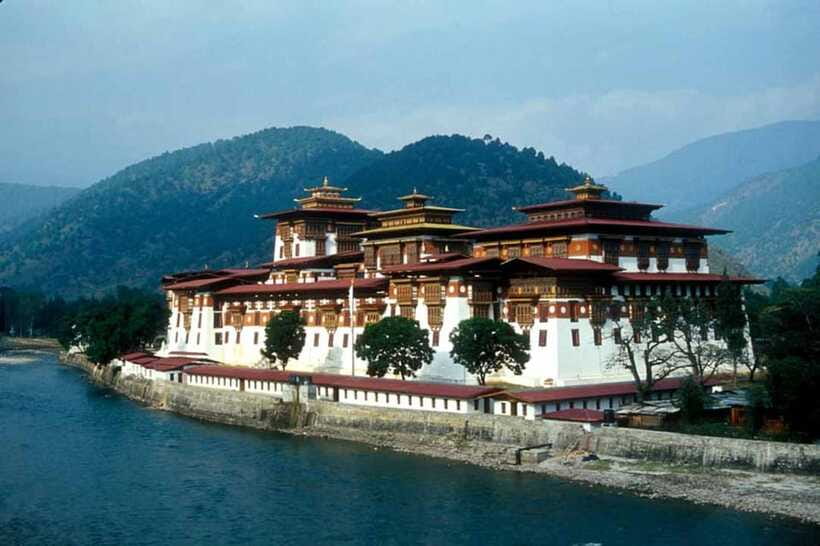
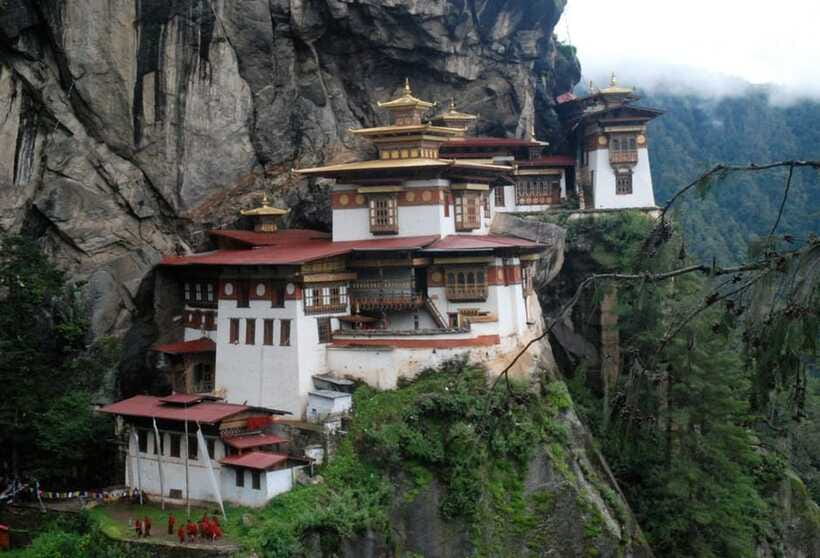
Day two is the headline moment. You drive to Satsam Chorten, then you hike up to Taktsang Monastery, also called Tiger’s Nest. This isn’t a gentle walk. The climb is about 1.5 hours and it follows a wide mountain path, but it is still steep. Bring hiking shoes for traction, and treat the hike like a warm-up for the spiritual intensity of the place.
The story behind Taktsang is one of the reasons people care so much about getting there. The monastery is built around a cave associated with Guru Rimpoche, also known as Guru Padmasambhava, who is said to have meditated there. The legend says he flew to the site on the back of a tigress from Tibet and meditated in the cave for three months. Even if you keep your skepticism hat on, the tale helps you understand why the cliff site is treated as more than just a scenic destination.
There’s also a practical detail you should know: Taktsang was rebuilt after a fire in April 1998. And importantly, the monastery is not open to the public. You can view it from afar, not from inside. That changes how you experience the site. Instead of wandering temple rooms, you focus on the viewpoint, the approach, and the feeling that you’re watching a sacred place at a distance—exactly as it has been preserved.
What makes the viewpoint worth the climb isn’t just the monastery silhouette. It’s the sense of arrival after effort. On a trip with limited days, that’s what turns the hike into a memory you actually keep.
Kyichu Lhakhang: an older sacred temple stop that slows the day down
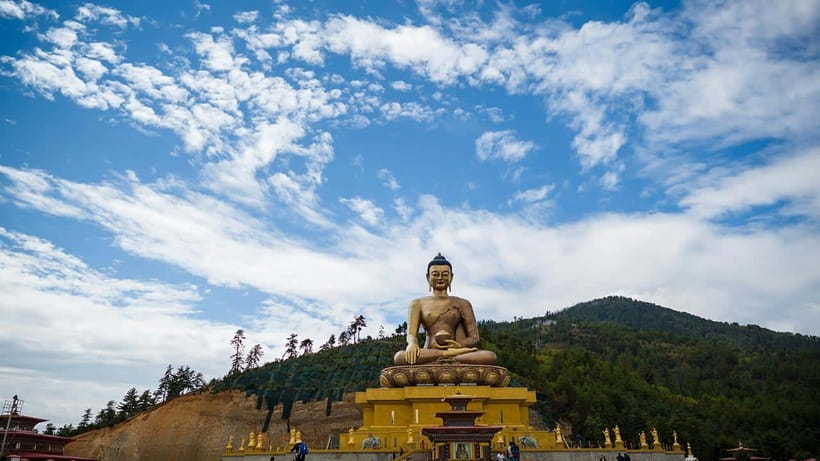
After lunch, you visit Kyichu Lhakhang, described as one of Bhutan’s oldest and most sacred temples. This stop shifts the vibe from mountain climb energy to grounded spiritual atmosphere.
Kyichu Lhakhang is meaningful because older temples tend to feel like anchors. New sites can wow you with scale or spectacle, but older sacred spaces often feel more layered and still. If you’re the type who enjoys context—why something matters, how it’s stayed relevant across time—this temple visit is a strong complement to Taktsang. You get the cliffside drama in the morning, then you switch to a quieter, heritage-focused experience later.
It also helps that this day includes both kinds of Bhutan you want on a first trip: the dramatic religious landmark and the historic temple that connects to Bhutan’s deeper spiritual roots.
Hotels, meals, and what the $1,649 price is really paying for
Let’s talk value, because the listed $1,649 per person can look either high or fair depending on what’s included.
This tour includes airfare from Kathmandu to Paro and return to Kathmandu, plus airport transfers and transportation in private vehicles throughout the itinerary. In Bhutan, private transport matters because getting around isn’t like hopping between metro stops. You want it managed, especially when your days include both city time and a hike.
You also get 3* hotels in Bhutan (listed as A grade). That’s not luxury branding, but it’s a reasonable comfort level for a culture-focused trip where you’ll spend real time outdoors and with a guide.
Meals are included as breakfast, lunch, and dinner. For budgeting, this is big. Bhutan travel can rack up daily costs when you’re paying for meals on the fly. Here, you reduce that uncertainty and you don’t lose time debating where to eat each day.
Finally, the tour includes government taxes, permits, and sightseeing entrance fees, plus the Bhutan visa fee and an English-speaking tour guide. Those items often surprise people when they price trips on their own. They’re not optional add-ons you can easily swap without changing the nature of the trip.
What is not included is also clear, which helps you plan honestly: airport departure tax, bar bills and laundry, and travel insurance including evacuation. Also, you need to handle the Nepal visa on your side.
So who is this pricing best for? It’s a strong fit if you want a structured first Bhutan introduction where logistics are handled and you’d rather pay once than manage a bunch of separate bookings.
You can also read our reviews of more tours and experiences in Kathmandu
Private guiding in English: what it feels like day to day
A big part of why this tour earns high marks is the human factor. In the provided experience feedback, the guide named Tashi is specifically called out for looking after the group very well. That kind of consistent attention matters in Bhutan because you’ll want help with timing, understanding what you’re looking at, and navigating customs and arrival steps without stress.
Another review notes coordination by an organizing agent from Alpine Club of Himalaya: they sorted papers and visa tasks, even coming to the hotel to make sure everything was in place before the trip moved forward. The review also mentions that the agent called multiple times before arrival to make sure the traveler was on the right way. That kind of pre-trip communication lowers friction, and in a country where planning details matter, it can be the difference between smooth and stressful.
The tour is described as a private group with an English-speaking guide. Private doesn’t just mean less crowding; it usually means the schedule can feel more responsive to your pace, especially on a day that could otherwise feel like a checklist.
Practical tips: visa timing, what to pack, and hiking readiness
Before you even think about shoes and camera batteries, handle the Bhutan visa requirement. The tour information makes it clear: you must have your visa prior to arrival in Paro. You don’t want to plan around hoping things can be fixed after landing.
Packing is straightforward and centered on the one physical requirement in the itinerary: the Taktsang hike. Bring passport and hiking shoes. If you’re the type who likes to stay comfortable, bring socks and a light layer, but the main must is traction for a steep climb.
There are also clear rules: pets are not allowed, and you shouldn’t bring oversize luggage. Those limits are common in organized travel, but they’re worth noting so you don’t get stuck trying to rearrange bags at the wrong moment.
And about fitness: the itinerary includes a steep 1.5-hour walk up a wide mountain path. If you can handle that with breaks and a steady pace, you’ll be fine. If stairs and steep grades wipe you out quickly, consider whether you want a different route.
Should you book this 3-day Bhutan Cultural Tour?
Book it if you want an efficient first Bhutan taste with real cultural stops in Thimphu and a major spiritual hike that most visitors talk about for years. The value holds up because you’re not just paying for transport—you’re also paying for airfare, meals, entrance fees, permits, and guide time, which is exactly what makes short trips work.
Skip it or rethink it if your priority is a fully relaxed pace or if you want access to Taktsang interiors. Since Taktsang is viewed from afar and the monastery isn’t open to the public, this plan is best for people who enjoy the approach, the viewpoint, and the stories behind it more than people who want indoor time.
If you’re asking me for the “best use case,” it’s for first-timers who like structure, appreciate guided context, and are comfortable with one meaningful uphill hike.
FAQ
How long is the flight from Kathmandu to Paro?
The itinerary lists an approximately 1-hour flight by Druk Air from Kathmandu to Paro, with a return flight to Kathmandu on the final day.
What transfers and transportation are included?
You get airport transfers and other transportation as per the itinerary in private vehicles.
Are meals included in the tour price?
Yes. The tour includes breakfast, lunch, and dinner during your 3 days.
Do I need to arrange a Bhutan visa before arrival?
Yes. You must have your Bhutan visa prior to arrival in Paro.
Can visitors enter Taktsang Monastery?
No. The monastery can only be viewed from afar and is not open to the public.
What should I bring for the hike to Tiger’s Nest?
The tour notes that you should bring hiking shoes and your passport.