REVIEW · KATHMANDU
Beginner-Friendly Rafting Adventure on the Trishuli River
Book on GetYourGuide →Operated by Sobit - Bold Himalaya · Bookable on GetYourGuide
There’s something instantly satisfying about rafting a Himalayan river in one day. The Trishuli delivers a clean mix of beginner-friendly stretches and real white-water energy, with gorge walls, forest scenery, and a practical flow that keeps you paddling without burning you out. I especially like that you get a structured safety setup plus paddling guidance before you hit the rapids, so you’re not just thrown in with a life jacket.
Two things I really liked: the private transport from Kathmandu to Charaudi makes the day feel efficient, and the riverside lunch stop on a beach lined with unusual boulders turns the trip into more than just the paddling. A potential drawback is timing: the drive from Kathmandu is about three hours one way, and the overall day runs long, so come prepared for a full-day commitment.
In This Review
- Key Highlights Worth Knowing
- The Trishuli River: Built for a Confident First Rafting Day
- Kathmandu to Charaudi: The Private Ride That Sets the Tone
- Getting Gear On and Learning the Paddling Basics
- The First Stretch: Class I to III Energy
- Trishuli Gorge: Where Narrow Walls Make Rapids Feel Frequent
- Lunch on the Boulder Beach: A Real Reset (and Possible Swim Time)
- Food and Comfort: What’s Included, What You’ll Pay For
- The Price: Why Around $63 Can Still Feel Like Good Value
- Who Should Book This Rafting Day (and Who Should Skip)
- What to Bring: Your Packing List for Real-World River Chaos
- My Recommendation: Book If You Want the Gorge Without the Stress
- FAQ
- What rapids can I expect on the Trishuli River?
- How long is the rafting trip and where do we start?
- What’s included in the price?
- What should I bring for the day?
- Are drinks included?
- Is alcohol allowed?
- Is this activity suitable for seniors?
Key Highlights Worth Knowing
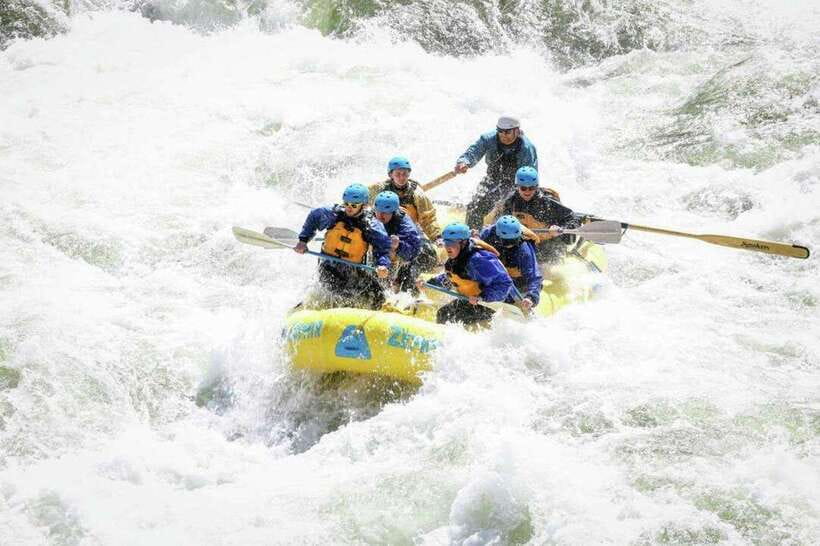
A one-day Trishuli plan (with moderate rapids) that works for beginners and nature lovers
Private Kathmandu to Charaudi transfer, about a 3-hour scenic drive
Class I to IV rafting overall, with many sections running Class I to III
Trishuli Gorge riding, where narrow channels and steep cliffs make rapids feel frequent
Riverside lunch on a boulder-strewn beach, plus time to relax and swim
Solid safety gear: self-bailing rafts, helmets, and a safety kayak
The Trishuli River: Built for a Confident First Rafting Day
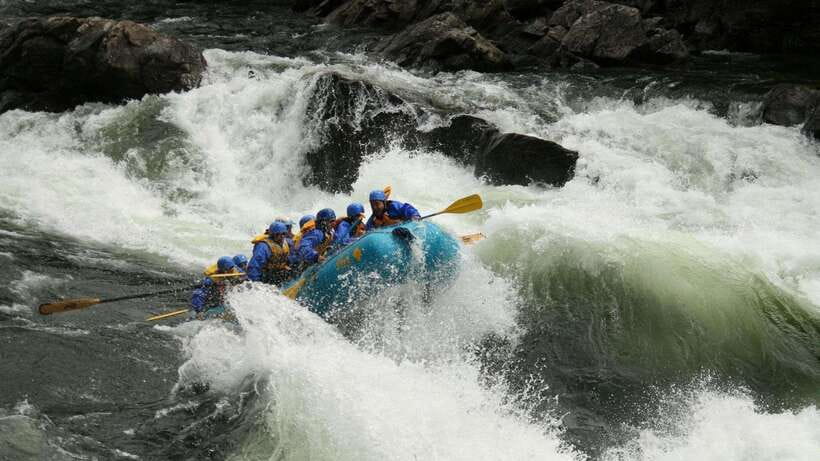
The Trishuli River starts in Nepal’s central Langtang Himal region, then drops through valleys and deep gorges. That big geography matters for your experience. It’s why the rafting feels like a real river journey, not a short, repetitive ride: you get wide stretches for getting your rhythm, then tighter sections where the water gets pushy.
This is one of Nepal’s best-known day rafting options because it lands in a sweet spot. You’re dealing with rapids rated Class I to IV, so the river can be playful at the start and then turn more serious later. On many runs, you’ll see plenty of Class I to Class III action, which is a great target for first-timers who want thrills but still want a “you can do this” feeling.
The scenery is a second reason people love this trip. You’ll pass by the Trishuli gorge, and the day also includes a chance to spot the cable car linked to the well-known Hindu temple at Manakamana from the wider region. Add in lush forest areas, waterfalls, and small villages you’ll catch glimpses of from the river corridor, and you’ve got a day that feels both active and scenic.
You can also read our reviews of more tours and experiences in Kathmandu.
Kathmandu to Charaudi: The Private Ride That Sets the Tone
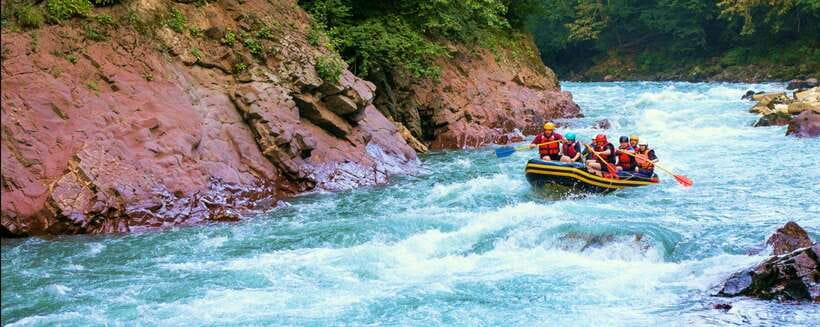
Your day starts with pickup from Kathmandu in a private vehicle. Expect a scenic ride of roughly three hours to the put-in point at Charaudi. This part matters more than people think. If you’re traveling with transfers, changing cars, or timing a group bus, rafting days can get stressful fast. Here, the private transport is a straightforward way to keep your energy for the water.
What to plan for: the drive can be a bit wearing because it’s a long session, even if it’s comfortable. My advice is simple—bring sunglasses, stay hydrated before you’re on the river, and set up your day so you’re not scrambling for things right when you arrive. If you can, keep your essentials easy to grab for the briefing and gear-up stage.
Once you reach Charaudi, locals are around to support the operation and watch the rafting activity. You’ll see the energy shift from “travel day” to “adventure day,” and it’s a good moment to take a breath and let your expectations land: today is about paddling, safety, and enjoying the river corridor—not about rushing.
Getting Gear On and Learning the Paddling Basics
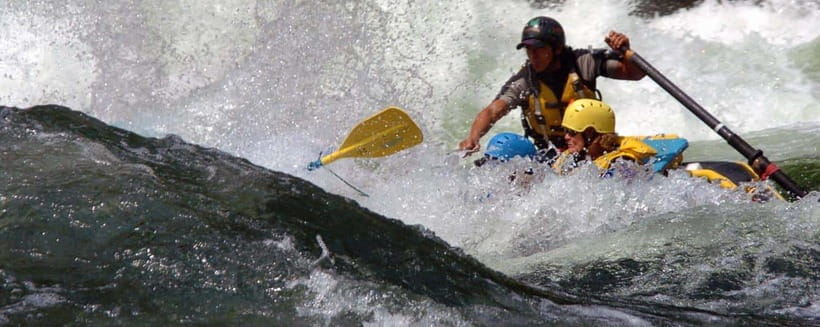
At Charaudi, the crew handles the practical side quickly and clearly. You’ll see the rafts prepared, then everyone gathers for a safety briefing and paddling lessons before you head onto the water. This is where the day becomes beginner-friendly.
You’re provided with modern rafting essentials: self-bailing rafts, life jackets, and helmets. You also get paddles, plus a dry bag for your gear so you’re not constantly worrying about what happens if the water comes over the side. If you’re rafting in winter conditions, wetsuits may be used on certain rivers, but your trip description specifically notes wetsuits are only during winter and only on certain river conditions.
Also pay attention to what they explain about how the boat moves. Even if you’ve never rafted before, you’ll get a chance to learn the rhythm: how to paddle together, what to do in faster water, and how to respond when the crew calls for changes. And because this is a serious operation, there’s also a safety kayak plus first-aid equipment as part of the safety system.
The vibe here is important. You want to feel comfortable enough to relax when the river calms down. That comfort usually starts with instruction that doesn’t talk over your head.
The First Stretch: Class I to III Energy
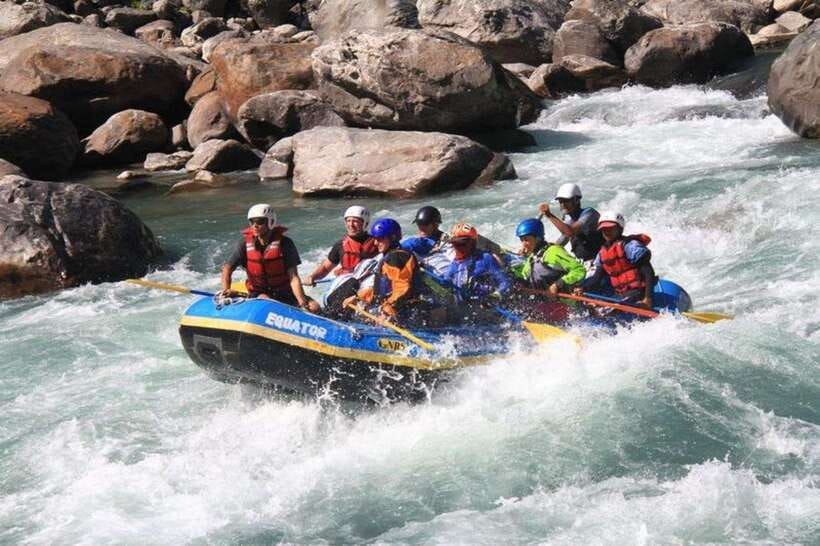
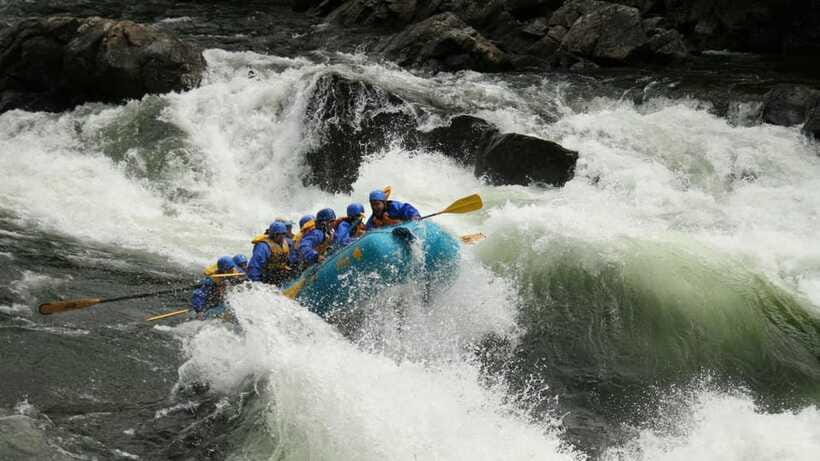
Once you’re in the water, the rafting portion begins with sections that generally match the beginner-friendly goal of the trip. Expect Class I to Class III rapids during the main run, with the understanding that the overall adventure can include rapids up to Class IV depending on river conditions and the specific stretch.
Why this matters: the early and mid parts give you time to learn the boat feel. If you paddle too hard, you fatigue faster. If you don’t paddle enough, the boat won’t respond the way you expect. The river’s mix helps you get your bearings fast.
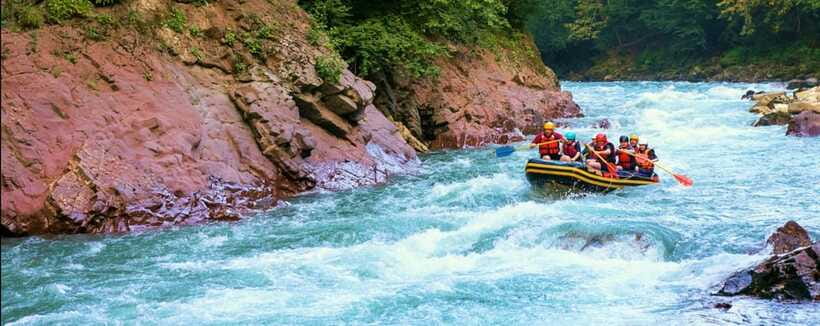
You’ll also pass features that make the river feel dramatic, even during gentler water. The ride includes the wider corridor leading toward the gorge, so you get occasional glimpses of narrow channels and the kind of cliffs that turn a normal rapid into something louder and more immediate.
If you’re the nervous type, this is the best mindset: treat it like learning a new activity on a moving surface. Listen, follow instructions, and don’t try to “outmuscle” the water. You’re part of a team, and the crew knows where the river wants to push you.
Trishuli Gorge: Where Narrow Walls Make Rapids Feel Frequent
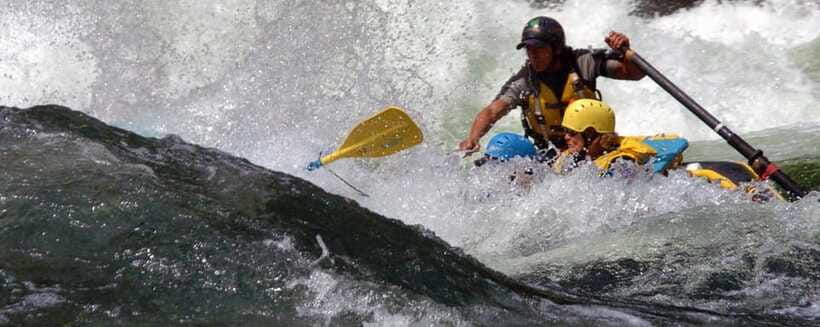
After your lunch break (more on that next), the day’s energy typically shifts. You head downstream and spend time in the impressive Trishuli Gorge, described as narrow passages with steep walls.
This is the section that many first-timers remember. Narrow channels change everything: the water has less room to spread out, so it can feel more pushy and more “on you” than wide open river sections. Steep cliffs also make the water sound stronger and the movement feel more concentrated.
The rapids here are described as exhilarating and frequent, so you should mentally prepare for sustained excitement rather than isolated moments. The good news is you’re not doing this with no training. Earlier paddling lessons help you keep your role consistent when things get chaotic.
If you’re an experienced rafter, you’ll probably enjoy the variety: the gorge throws you the kind of rapid intensity that feels real without turning the whole day into an extreme endurance test.



Lunch on the Boulder Beach: A Real Reset (and Possible Swim Time)
After roughly two hours on the river, you arrive at a picturesque beach that includes uniquely shaped boulders. This is where the trip adds value beyond the rafting itself.
You’ll stop for lunch—meals are included—and you’ll eat outdoors while looking at the river corridor. This is a practical break that keeps the day from becoming one long grind. It also gives you time to dry off, regroup, and reset your body so you’re ready for the gorge run later.
The day also includes free time at the riverside resort stop, and the activity description indicates you can enjoy swimming. That’s not a small detail. Having a chance to cool down and move a little makes the second half feel better.
For photo lovers, this is also a strong window. The boulders and river light make easy compositions, and it’s one of those moments where you can enjoy Nepal scenery without wearing a helmet.
Food and Comfort: What’s Included, What You’ll Pay For
You’ll get lunch during the rafting day, described as western and continental food. That’s helpful because it usually means you’re not relying on spicy-only meals while you’re wearing gear and paddling.
What’s not included is also clear: mineral water, cold drinks, and alcoholic beverages aren’t part of the trip. So plan on buying water and keeping hydrated. You’ll sweat in rafting gear, and even if it’s not blazing hot, you still lose energy in the sun.
If you tend to get cold after being soaked, pack a change of clothes. The trip asks you to bring a change of clothes, and I agree. You’ll feel better quickly after your swim or after water-splashing rapids.
The Price: Why Around $63 Can Still Feel Like Good Value
The listed price is $63 per person for a full day with private transport, rafting equipment, meals, and safety support.
Here’s how I judge value for a rafting day in Nepal: look at what’s covered that would otherwise cost time or money yourself. In this package, you get private Kathmandu–Charaudi–Kathmandu transportation, rafting gear (including helmet and life jacket), a river permit, a safety kayak presence, and a full-day structure with guiding and paddling instruction. Meals at lunch are included too.
Yes, you’ll still need personal items and you’ll pay for drinks like water on your own. But when you add up “gear + guide + permit + transport + food,” $63 can feel fair for a one-day adventure.
Also, the private ride is a hidden value. Many group-rafting options cost less, but they add friction. A private vehicle keeps the day moving in a way that helps first-timers relax.
Who Should Book This Rafting Day (and Who Should Skip)
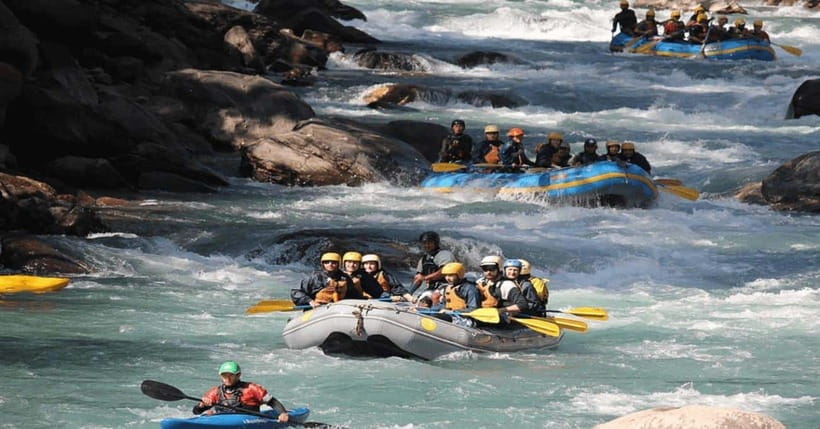
This experience is built for adventure enthusiasts and nature lovers. It’s also explicitly positioned as a beginner-friendly rafting option, thanks to the mix of gentle stretches and thrilling rapids.
It’s a good match if:
- You want a one-day Nepal adventure from Kathmandu without multi-day trekking.
- You’re okay being active for most of the day and learning basic rafting technique.
- You want strong scenery plus the gorge thrill, not just a short splash-and-go.
It’s not recommended if:
- You’re over 70 years (the trip data says it’s not suitable).
- You expect alcohol or drugs to be part of the day. Alcohol and drugs are not allowed, and intoxication isn’t permitted.
- You’re looking for a mellow “float” only. There’s a mix that can reach up to Class IV overall, and the gorge is described as fierce and frequent.
What to Bring: Your Packing List for Real-World River Chaos
The provided gear covers a lot, but you still control what’s comfortable.
Bring:
- Comfortable shoes you don’t mind getting wet
- Sunglasses and a sun hat
- Swimwear (useful if there’s swimming time)
- Change of clothes
- Sunscreen, including biodegradable sunscreen
- A waterproof camera or a waterproof phone option
- A face mask or protective covering (as suggested)
- Comfortable clothes for the ride back
You’ll also feel smarter if you keep your most-used items accessible before you leave the resort area. Once you’re in rafting mode, you won’t want to be digging in a bag while standing on rocks near moving water.
My Recommendation: Book If You Want the Gorge Without the Stress
Should you book this? If you want an action-filled but beginner-friendly rafting day, I’d say yes. The combination of private transport, a structured safety briefing, and a lunch-and-reset break makes the day feel manageable even if you’re new to rafting. The Trishuli Gorge section is the kind of thrill that makes the whole trip worth it, and the boulder-beach lunch gives your body a chance to catch up.
The one reason to pause is if a long Kathmandu drive plus a full day on the water sounds exhausting. If you’re sensitive to travel fatigue, consider planning a lighter day before and after so you can enjoy the experience instead of just surviving it.
FAQ
What rapids can I expect on the Trishuli River?
The rafting experience is described as offering a mix of gentle stretches and thrilling rapids, with ratings ranging from Class I to IV overall. The ride details also indicate you’ll encounter Class I to Class III rapids during the trip.
How long is the rafting trip and where do we start?
This is a one-day trip. You’re picked up from Kathmandu, then travel to Charaudi, which is the put-in point for the rafting on the Trishuli River.
What’s included in the price?
The package includes Kathmandu–Charaudi–Kathmandu by private transportation, meals (including lunch during the rafting), the river permit, necessary rafting equipment (life jackets, helmets, paddles, dry bag, and safety/medical equipment), staff support, a safety kayak, and first-aid kit support.
What should I bring for the day?
You should bring comfortable shoes, sunglasses, a sun hat, swimwear, a change of clothes, sunscreen (including biodegradable sunscreen), a waterproof camera, and face mask or protective covering.
Are drinks included?
No. Mineral water, cold drinks, and alcoholic beverages are not included during the whole trip.
Is alcohol allowed?
No. Intoxication is not allowed, alcohol and drugs are not allowed, and drinks in the vehicle are not allowed.
Is this activity suitable for seniors?
It is not suitable for people over 70 years.