REVIEW · KATHMANDU
Manaslu Circuit Trek 8th Highest in the World
Book on Viator →Operated by Adventure Glacier Treks & Expedition · Bookable on Viator
Manaslu feels remote from the first day. This 14-day Manaslu Circuit Trek (to Manaslu, 8,163 m) trades crowds for real mountain quiet, thanks to a regulated, restricted-area route and an operator that keeps you inside the rules. I especially love the remoteness and the fact that the trek runs through dramatic valleys, pastures, and villages that still feel lived-in.
I also love the way the itinerary is built around the Larkya La moment, including the early start for sunrise and the note to manage wind later in the day. The one drawback to plan for is that this is not a walk in the park: the trek calls for strong fitness, and you should expect long days, steep sections, and weather changes (including strong wind timing near the pass).
In This Review
- Key highlights at a glance
- Why the Manaslu Circuit feels different right away
- Price and value: what $1,600 covers (and what you still need)
- Kathmandu warm-up: Thamel arrival and a practical gear reality check
- Into the valleys: Machha Khola, Khorla Besi, Tatopani, and Salleri
- Namrung and Samagaun: Tibetan-influenced villages with Manaslu views
- Samdo and the optional Tibetan border side trip
- Larkya La: sunrise discipline, long hours, and wind timing
- Dharapani and the Annapurna Circuit corridor: back down with purpose
- The finish: shared Jeep to Besisahar, then bus back to Kathmandu
- Guides and porters: the names that kept showing up in feedback
- Packing and fitness: how to set yourself up for those long days
- Who should book this (and who should pause)
- Should you book this Manaslu Circuit Trek?
- FAQ
- How long is the Manaslu Circuit Trek?
- What is the trek starting point and where does it end?
- What does the price include?
- What is not included in the price?
- Is airport pickup included?
- Do I need special permits for this trek?
- Are tickets provided digitally?
- Is this a private group experience?
- What kind of fitness level is required?
- Is cancellation free if plans change?
Key highlights at a glance
- Restricted-area trekking with special permits keeps the route quieter and more controlled
- Tibetan-influenced villages like Samagaun and Samdo add culture alongside mountain scenery
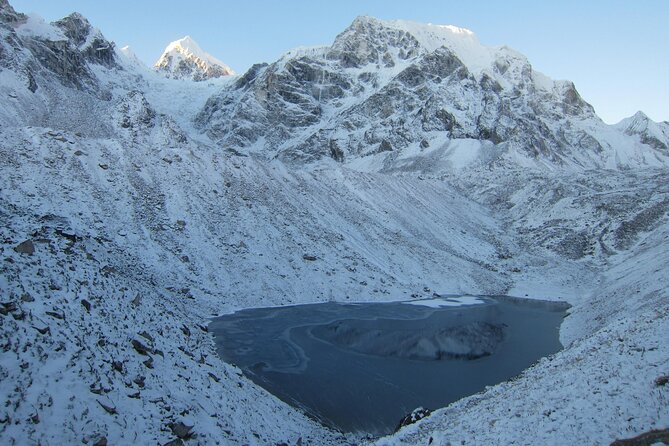
- Larkya La sunrise strategy: start early to catch light and reduce wind risk
- Samdo has an optional Tibetan border side trip (about 8 hours with a packed lunch)
- Family-run local support shines in feedback, especially around guide and porter care
Why the Manaslu Circuit feels different right away
Most Nepal treks sell big views and big mountains. The Manaslu Circuit sells something else too: distance, both physical and emotional. You’re heading into a restricted region that requires permits and rules that are enforced in practice. That matters because it tends to reduce the “herd” feeling you can get on more popular routes.
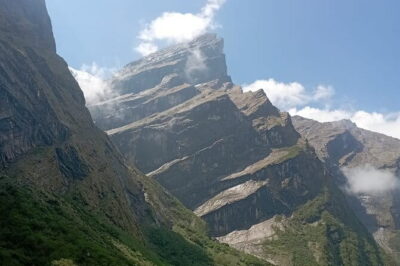
The trek also has a clear geographic personality. You move through a mix of river valley walking, forest and pasture hiking, and high, exposed sections near the pass. Expect scenery to keep changing as the altitude shifts, but also expect the days to stay grounded in the real logistics of mountain travel: crossing river valleys, ascending and descending through settlements, and sleeping in small guesthouses that are set up for trekkers.
Another big difference is the culture angle. The itinerary specifically notes Tibetan influence in the surrounding area (especially around the higher villages). So you’re not just chasing snow-capped landmarks—you’re also moving through places where traditions and daily life don’t feel like a generic “tourist Nepal” script.
You can also read our reviews of more hiking tours in Kathmandu
Price and value: what $1,600 covers (and what you still need)
This trek is priced at $1,600 per person for about 14 days. On paper, that might sound like a lot—until you see what’s included.
What you get included:
- Airport pickup and drop
- 3 nights in Kathmandu at tourist-standard accommodation
- Ground transportation tied to the trek flow
- Necessary permits, including a special permit ($100)
- Professional guide plus porters (and their expenses, insurance, and equipment)
- Your guesthouse accommodation on the trek
- Three meals a day (breakfast, lunch, dinner) as laid out in the itinerary
- Entrance fees and the trek program essentials
What you should budget separately:
- Beverages
- Tips
- Insurance
- Personal expenses
- Food in Kathmandu except the daily breakfast
In plain terms, the value here comes from two places. First, permits and regulated routing cost money and effort, and those aren’t optional on a restricted trek. Second, the guide and porter support is built into the price—not tacked on later like some “cheap-looking” offers.
If you’re the type who hates scrambling for basics (transport timing, permits, and a reliable person to manage the route), this style of package is usually worth paying for.
Kathmandu warm-up: Thamel arrival and a practical gear reality check
Day 1 starts in Thamel, with a representative meeting you based on your flight time. You check in, get a trek briefing, and do the first step of settling into Kathmandu mode: sleep, eat, and be ready for a road day.
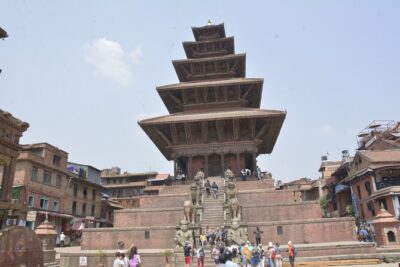
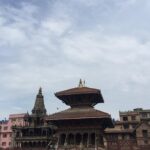
Day 2 includes Kathmandu Durbar Square, and it’s also the day they analyze your gear. That gear check is more useful than it sounds. Trek prep often becomes guesswork if you’re coming from abroad and don’t know what local operators expect. A quick review helps you avoid bringing heavy items you don’t need—or worse, realizing too late that you’re missing something you’ll wish you had once you’re walking in cold air and exposed sections.
One easy-to-miss note: Kathmandu days can be a bit of a pace-killer if you don’t plan for it. You’ll have time to explore the Kathmandu Valley in a single day, but don’t overdo it. Save energy for the drive out of the city.
Into the valleys: Machha Khola, Khorla Besi, Tatopani, and Salleri
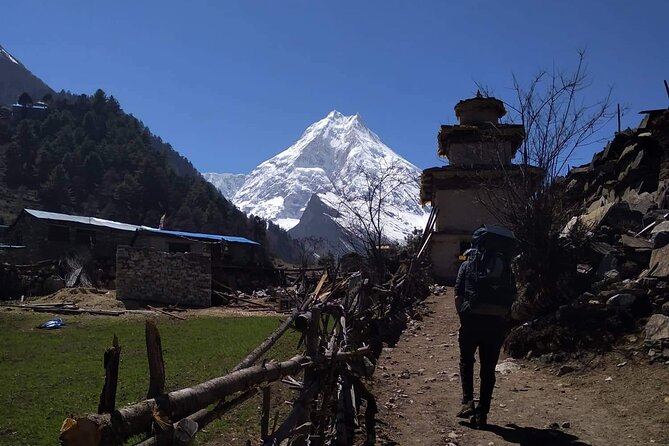
Then you start moving for real.
Day 3 drives to Machha Khola. The itinerary calls out that the bus ride may be lengthy and bumpy. This is where you want to go into “patient passenger” mode. The upside is the payoff: you’re in motion toward the trekking world, and the scenery makes the discomfort easier to swallow.
Day 4 is a river-valley day with a climb to Khorla Besi. You cross a river, walk along the valley, and pass waterfalls and landslides. That’s important: this isn’t a trail that stays perfectly tidy and predictable. You’re seeing the mountain environment do its thing—water, rock, slopes—while you hike.
The day ends at Tatopani village, known for its natural hot springs (the itinerary frames it as a place visitors associate with hot springs). Even if you don’t plan to soak, it’s a meaningful village marker: you’re gradually shifting from “getting there” to “trek life.”
Day 5 drops you toward Sirdibas (1,430 m), where you’ll see early signs of Buddhist culture. Then it continues on to Salleri (1,440 m), with viewpoints of Sringi Himal (7,187 m). This is a nice blend of hiking and observation time: you’re reading the culture and the mountains at the same time.
A practical consideration here: early in the circuit, you can feel tempted to rush because each day seems “not too high.” Don’t. Your goal is steady progress so later high-wind and long-pass days don’t feel like a surprise.
Namrung and Samagaun: Tibetan-influenced villages with Manaslu views
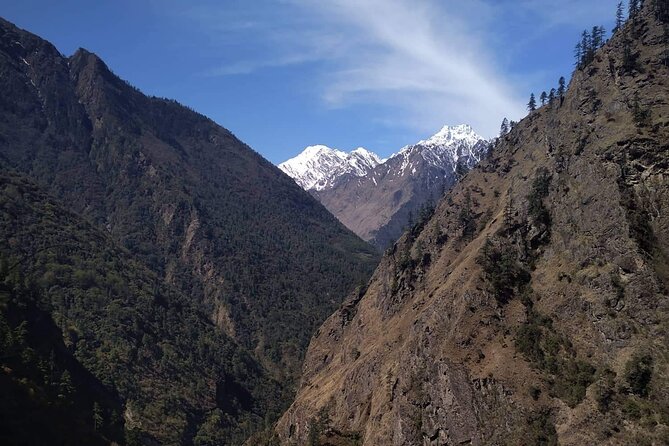
Day 6 heads into the SringiKhola Valley after moving down and crossing the river. You hike through forests to the village of Ghap, with cooler nights and Himalayan views starting to feel more real. The mention of cooling nights is a reminder: even before the high pass, temperature changes come for you.
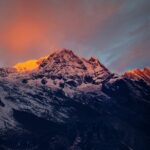
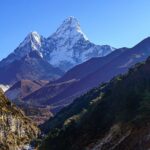
Day 7 brings you to Samagaun. The itinerary calls out Tibetan culture influence here, and it also lists the major viewpoint targets: Manaslu (8,163 m), Manaslu North (7,157 m), and Naike Peak (5,515 m). This is one of those days where your walking matters, but your stop-and-look moments matter too. If visibility is decent, this is the kind of place where you’ll understand why people talk about the Manaslu Circuit as a standout.
It’s also worth noting what this part of the trek signals: you’re transitioning into more remote, higher country. Facilities get more basic, and the route becomes less “road trip friendly.” That’s not a complaint—just a heads-up so you don’t expect an easy rhythm.
Samdo and the optional Tibetan border side trip
Day 8 takes you to Samdo. The walk is described as mostly flat through juniper and birch forests via Kermo Kharka, then you hike down to cross the river before reaching the merging point of the Budhi Gandaki and Shyale Khola (the itinerary frames it as the joining area).
Day 8 being easier on paper is useful. It gives your body a buffer before the pass approach. You still have to hike, but you’re not constantly fighting steep gradients.
Day 9 is where you choose your vibe:
- Option A: a side trip to the Tibetan border (about 8 hours) with a packed lunch and drinking water
- Option B: walking around Samdo and observing daily life
This flexibility is a real value add. Not everyone wants a long excursion on top of the circuit trekking. If you’re feeling good, the border trip is an interesting cultural angle. If you’re managing energy, Samdo’s daily rhythm can still be the whole point of the day.
Larkya La: sunrise discipline, long hours, and wind timing
This is the core challenge of the trek, and the itinerary treats it like it matters.
Day 10 includes crossing down to 3,850 meters to cross the Budhi Gandaki, then ascending through juniper and tundra in and out of ravines to Larkya Guest House, described as the final stop before Larkya La. The itinerary lists it as a 12-hour day, which tells you to expect a full day on your feet.
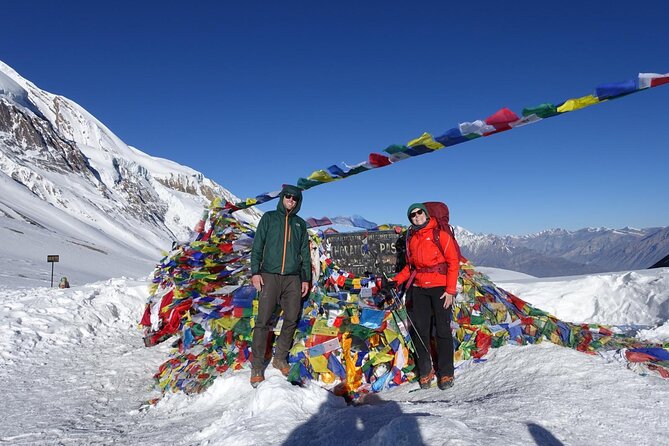
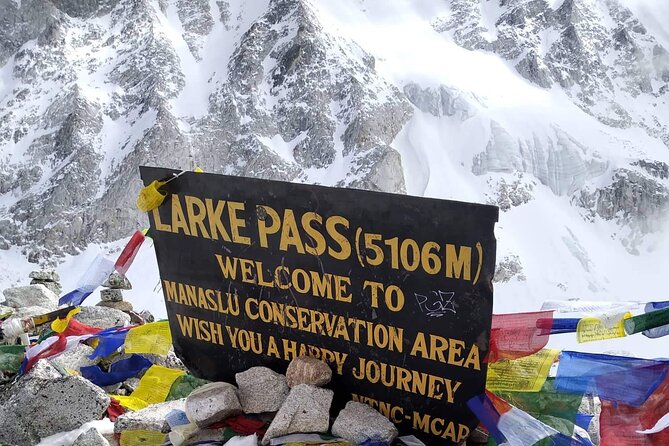
Day 11 is the pass day. It highlights leaving early for sunrise and avoiding strong wind after midday. It also specifically instructs you to keep a torch close by as you start the steep walk over several ridges. That detail is practical and real-world: you may begin in low light, and a small headlamp or torch can make a difference for footing.
Also, the itinerary spells out a key timing logic: start early to get the view moment, then shift your schedule to reduce the risk of wind later. This is where a good guide earns their keep—by balancing comfort, safety, and the sunrise goal.
After you’ve done the pass day, the rest of the circuit feels more like momentum than battle. But treat these two days as the event they are: don’t “save your energy” by skipping nutrition or hydration. On a long pass day, small misses add up.
Dharapani and the Annapurna Circuit corridor: back down with purpose
Day 12 moves from Bimtang through forests and pastures of the Dudh Khola Valley to Dharapani. The itinerary notes that Dharapani is where you join the more popular Annapurna Circuit route, thanks to Manaslu.
That joining point is meaningful. It often means the trail becomes a little more established, with more familiar trekking patterns. Still, you’re not back to city comfort. You’re in the rhythm of mountain trails and guesthouses.
Day 13 descends from Dharapani toward Jagat, described as about 6 hours, with road considerations noted. The itinerary adds that chartering a Jeep might be possible depending on road situation. That’s a reminder: mountain trekking logistics can include detours and options, because weather and road conditions matter.
The finish: shared Jeep to Besisahar, then bus back to Kathmandu
Day 14 is the return leg. For the first half of the day, you travel by shared Jeep to Besisahar, with a view of the village surroundings. Then you take a bus from Besisahar to Kathmandu, described as about a multi-hour ride.
This day is less about hiking and more about resetting. Plan to keep things simple: clean layers, hydration, and an easy meal plan. After two weeks of trekking, you’ll feel it even when it’s just transport.
Guides and porters: the names that kept showing up in feedback
The strongest praise in the written feedback is about people—guides, porters, and the way the team makes you feel safe and cared for on the route.
Several names come up:
- Roshan as a guide who was attentive to needs
- Sudip as a porter who helped make the journey feel safe and supportive
- Samir, highlighted as one of the better guides ensuring enjoyment
- Dil, praised for genuine information and helpful tips
- The team is also described as family-run and attentive from the start
Why that matters: on a remote restricted trek, the guide isn’t just a person holding the map. They manage pacing, route decisions, and day-to-day judgment calls—especially around long days, wind timing, and transitions from trekking to road travel.
If you prefer a trip where the human side is handled—rather than you doing the stress work yourself—this operator style is built for that.
Packing and fitness: how to set yourself up for those long days
The trek requires strong physical fitness. That’s not marketing language—it matches the itinerary’s day lengths and the pass structure.
Here’s what to focus on from the plan you’re given:
- You’ll have 12-hour days around the pass approach and crossing
- There’s a steep, ridge-style walk on the pass day with low-light starts (torch noted)
- Wind timing is part of the strategy, which means you might be outdoors longer than you expect if weather shifts
On packing, the itinerary says they’ll analyze your gear in Kathmandu and recommend buy, rent, or receive options if needed. That’s your cue to show up with what you have and let them assess the gaps. Don’t wait until you’re already walking in colder air to realize your layering setup isn’t right for long mountain days.
Also, remember that guesthouses mean you rely on what’s available on the trail. You’ll still need personal items like warm layers and basics, but food and core trekking logistics are handled.
Who should book this (and who should pause)
This Manaslu Circuit Trek is a great match if:
- You want a restricted, quieter circuit rather than a very crowded route
- You like culture as well as altitude—Tibetan-influenced villages are part of the experience
- You’re okay with long trekking days and guesthouse-style simplicity
- You appreciate having professional guide and porter support included
You might reconsider if:
- You’re not comfortable with long travel days and rougher road conditions at the start and end
- You want a fully relaxed pace (this route has major “event” days around Larkya La)
- You’re not ready for cold and wind timing near the pass
Should you book this Manaslu Circuit Trek?
If your priority is a remote, regulated Manaslu experience with real village life and a pass-day sunrise goal built into the schedule, this trek is worth a serious look. The price reflects permits, guide/porter support, Kathmandu lodging, and three meals a day—so you’re not paying extra to assemble the basics yourself.
Book it if you can meet the physical requirement and you’re comfortable with mountain logistics (bumpy rides, long days, and weather). Don’t book it if you’re looking for an easy, low-stress walk or a route with lots of modern comforts on demand.
FAQ
How long is the Manaslu Circuit Trek?
The duration is listed as about 14 days.
What is the trek starting point and where does it end?
It starts in Kathmandu, Nepal, and the activity ends back at the meeting point.
What does the price include?
The package includes airport pickup/drop, Kathmandu lodging (3 nights), ground transportation, necessary permits (including a special permit), guide and porter services, guesthouse accommodations during the trek, and three meals a day as mentioned in the itinerary.
What is not included in the price?
Beverages, tips, insurance, personal and nature expenses, and food in Kathmandu except daily breakfast are not included.
Is airport pickup included?
Yes, airport pickup and drop are included.
Do I need special permits for this trek?
Yes. The trek includes necessary permits, including a special permit listed as $100.
Are tickets provided digitally?
The tour summary says a mobile ticket is included.
Is this a private group experience?
Yes, it is described as a private tour/activity, and only your group will participate.
What kind of fitness level is required?
The information states that travelers should have a strong physical fitness level.
Is cancellation free if plans change?
Free cancellation is offered, with a full refund if you cancel at least 24 hours in advance.