REVIEW · KATHMANDU
5 Day Private Guided Trekking in Annapurna Base Camp
Book on Viator →Operated by Bold Himalaya Treks and Travels Pvt Ltd · Bookable on Viator
Annapurna Base Camp gets under your skin. This 5-day private guided trek delivers big panoramic views of the Annapurna massif, plus a hands-on Gurung village route and a chance to soak aching legs at Jhinu Danda. I especially like how the trip is structured with a guide team (Sirjan is repeatedly praised) and porters, so you can focus on walking and the views instead of logistics. One drawback to plan for up front: it’s built for travelers with moderate fitness, and the days start early and involve steady uphill hiking.
At $225 per person, the value is in what’s bundled: permits (including TIMS), private transportation, a guide and their support costs, and multiple meals. Drinks and travel insurance are not included, so you’ll want to budget for water/soft drinks and keep tips in mind for the trekking crew. If you want a private, worry-lightway into the Annapurna region, this format fits well.
In This Review
- Key highlights worth packing for
- Private Annapurna trek in 5 days: what you’re really buying for $225
- Day by day: from Pokhara to Siwai, then up to Annapurna Base Camp and back
- Annapurna Base Camp sunrise plus Machapuchare views: the route’s best moments
- Gurung village life on the way up: why the culture part matters
- Annapurna Conservation Area: rhododendrons, forests, and the nature angle
- Sirjan and the team: how private guidance actually helps
- Food, tea houses, and staying sane during long hiking days
- Pace, packing, and the moderate-fitness reality
- Is this the right fit for you?
- Should you book this Annapurna Base Camp trek?
- FAQ
- Where does the trek start?
- Is this trek private?
- What permits are included?
- Are meals included?
- Are drinks included?
- Do I get a guide and porters?
- What’s the return from the trek?
- Can I get a full refund if I cancel?
Key highlights worth packing for
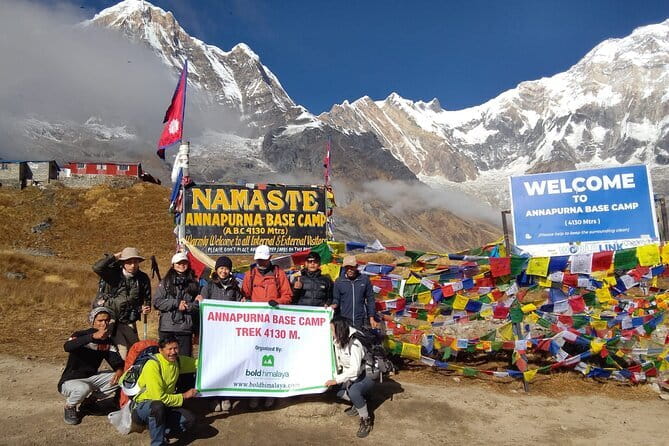
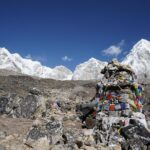
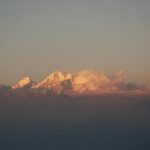
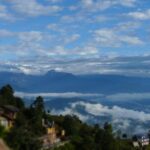
- Panoramic Annapurna views: Annapurna South, Annapurna I, Machapuchare (Fishtail), and Hiunchuli are part of the photo payoff.
- Gurung cultural villages: you’ll pass through traditional settlements and see day-to-day mountain life.
- Hot-spring recovery at Jhinu Danda: a real chance to relax sore muscles after trekking days.
- Rhododendron forest route: rhododendron scenery on the way up to the Base Camp area.
- Machapuchare Base Camp stop: a scenic route highlight before you push for the final ABC destination.
- Guide-led pacing and support (Sirjan): multiple guests describe attentive guidance and a team that stays close to your pace.
Private Annapurna trek in 5 days: what you’re really buying for $225
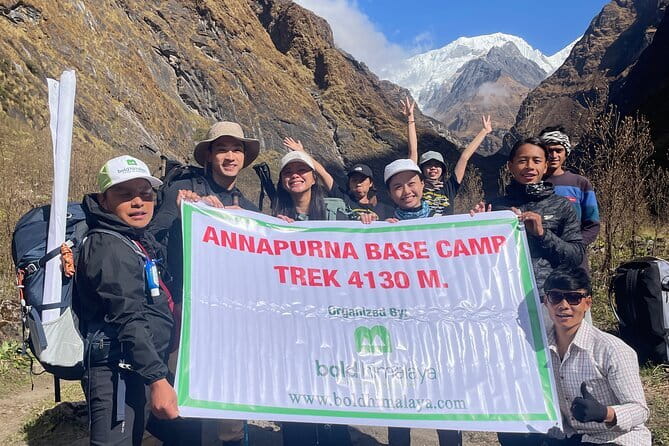
This trek is priced simply: $225 per person for about 5 days, with private participation (your group only) and private transportation included. In practice, that means you’re paying for two things most travelers appreciate once the walking starts: someone else handles the moving parts, and you get a team on the ground.
Here’s what the price covers that actually matters on the trail:
- Trekking permits and TIMS card are included, so you don’t have to sort admin at the last minute.
- Guide support is included, including the guide’s salary, accommodation, meals, and insurance. That’s not a small detail. It usually reflects better continuity and fewer headaches.
- Meals are included: breakfast (4), lunch (4), and dinner (4), plus some seasonal fruits. That reduces decision fatigue during the trek.
- Some seasonal fruit is added on top of standard meals, which can be a nice morale boost on long hiking days.
Two things to be clear about before you commit:
- Drinks are not included, so you’ll need to budget for bottled water or other beverages as you go.
- Travel insurance and tips are not included. You should line up your own coverage ahead of time, especially since this is a high-altitude trek with weather risk.
You can also read our reviews of more guided tours in Kathmandu
Day by day: from Pokhara to Siwai, then up to Annapurna Base Camp and back
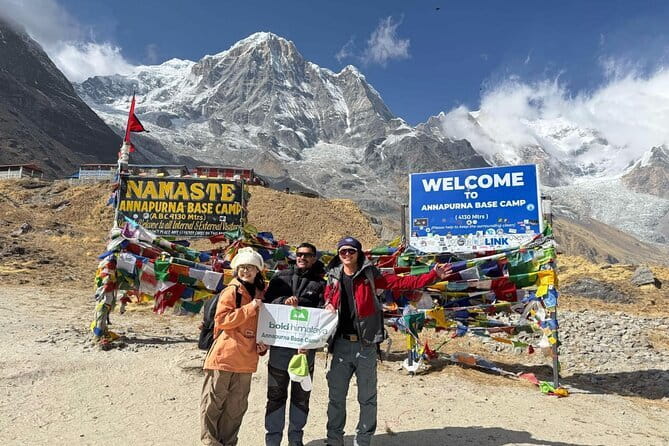
Day 1 starts with a transfer from Pokhara to Siwai, the trek initiation point for the Annapurna Base Camp route. You’re not thrown into technical terrain right away. Instead, you begin the day in transit, building anticipation, then you start walking once you reach Siwai. This is a good first day because it gets you into rhythm—boots on, breathing steady, and the valley scenery gradually replacing the city feel.
On Day 2, the trek continues after breakfast in Sinuwa. This day leans into forest walking: bamboo and Dovan show up, plus scenic waterfalls along the way. The trail also follows the Modi Khola River. That river corridor detail matters because it often makes the day feel more alive—sounds carry, the air can change in patches, and the route doesn’t stay monotonous.
Day 3 is the “get serious” day, and it’s built around a climb through a rhododendron forest, where you may even see yak herders. After lunch, you continue toward Annapurna Base Camp, and this is also where an admission ticket is included for about a 3-hour segment. The main idea for you: this is the day where the scenery starts hitting you harder and the altitude effort becomes more noticeable. Plan for early effort and don’t judge the day based on how you feel in the first stretch—save your energy for the final push.
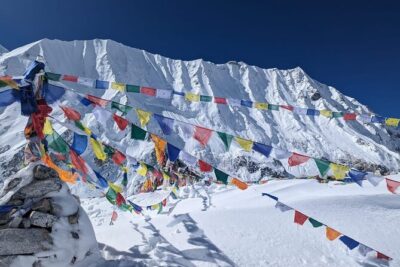
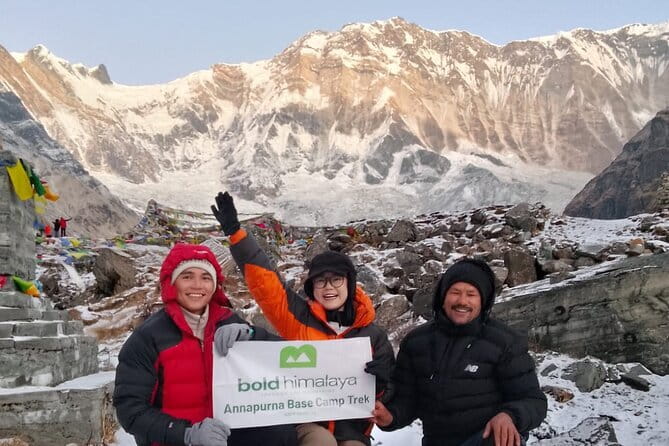
Day 4 begins with sunrise at Annapurna Base Camp. Watching the Annapurna massif in early light is the kind of experience people remember for years, and the itinerary is explicit about a sunrise focus. After that, you descend steadily. You pass Machhapuchchhre Base Camp and Deurali, which gives you a satisfying sense of progress without the full exhaustion of another full climb day.
Day 5 takes you back down toward Siwai through forested stretches and scenic views. When you arrive in Siwai, your guide coordinates a jeep return to Pokhara. That jeep detail is more than convenience: it helps you recover without spending the last day on extra walking or complicated transport arrangements.
Annapurna Base Camp sunrise plus Machapuchare views: the route’s best moments
If you’re choosing Annapurna Base Camp for one reason, it’s the scale of the view—and this trek targets it in two key ways.
First, you’re clearly scheduled for the sunrise at ABC. High-mountain sunrise can be hit-or-miss with weather, but the itinerary is built around trying for it. Even when conditions aren’t perfect, the effort is still rewarded by mountain silhouettes and shifting light.
Second, the trek doesn’t treat Machapuchare as a distant name on a map. En route, you visit Machapuchare Base Camp, which is known for dramatic views of the sacred Fishtail mountain. This helps break up the mental effort: instead of thinking only about reaching ABC, you also have a major viewpoint stop along the way.
One more scenic “bonus” that’s part of the overall concept is the inclusion of natural hot springs at Jhinu Danda. You’ll feel it after long trekking days: sore calves, stiff hips, and that restless feeling when you can’t fully relax. Hot springs are a simple tool, but they change how you feel the next morning.
Gurung village life on the way up: why the culture part matters
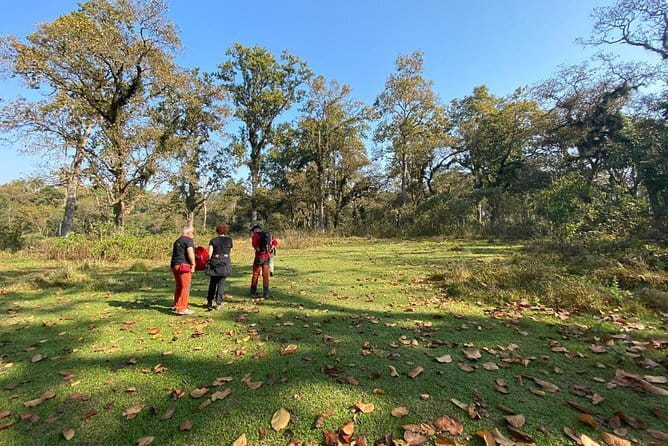
The Annapurna region isn’t only about peaks. This trek specifically includes passing through traditional Gurung villages. For me, that’s what turns the trek from a workout into a story you can actually remember: you’re moving through places where people live with these mountains every day.
Even without a formal cultural show, village routes tend to give you:
- a sense of scale (how far people travel for everyday basics),
- real texture on the trail (signs, small shops, household rhythms),
- and moments of curiosity that don’t require special planning.
And it isn’t just “culture for culture’s sake.” When you’re walking all day, a village pass gives you a mental reset. You see why the trek is more than a checklist.
Annapurna Conservation Area: rhododendrons, forests, and the nature angle
This trek is positioned inside the Annapurna Conservation Area, and the overall focus includes unique flora and fauna. The part you’ll feel most on the ground is the vegetation.
Day 3 includes a rhododendron forest, and that’s one of those features that makes you slow down without even trying. The air can feel different under trees, and the route looks varied rather than like a single long climb line.
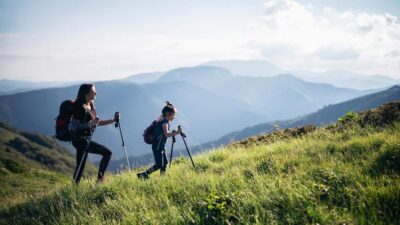
You’ll also get forest walking on the earlier days (bamboo and Dovan on Day 2, then downhill through forests on Day 5). That repeated pattern is useful for you: it gives the body shade and a steadier footing feel compared to full sun ridges.
Wildlife sightings aren’t guaranteed from the information here. Still, conservation areas tend to increase your odds of seeing something unexpected—just keep expectations realistic and don’t treat every rustle like a guarantee.
You can also read our reviews of more private tours in Kathmandu
Sirjan and the team: how private guidance actually helps
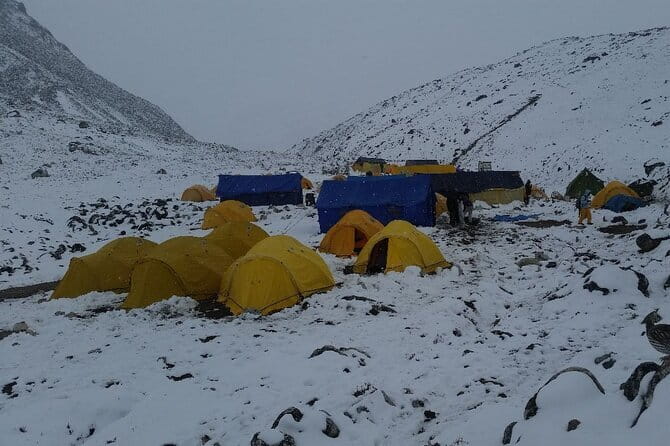
The strongest theme in the feedback is the guide team. The name that comes up again and again is Sirjan. Guests describe him as welcoming, positive, and genuinely attentive—staying supportive, matching pace, and not leaving you to figure things out alone.
This matters more on a trek like ABC than on a city tour. The trail has long stretches where you’re tired, and small things become big: timing lunch, pacing climbs, choosing when to rest, and handling route rhythm. When a guide is focused and communicative, it reduces the mental load.
Porters also get mentioned in a way that points to how this trip runs. Multiple accounts reference a team with 3 porters and describe them as fun, helpful, and supportive. Even if you’re physically able to carry your own daypack, having porters can change the whole feel: you move more comfortably, and the trek becomes about your legs and lungs instead of gear management.
Bottom line: you’re buying an experience that’s built around human support, not just a published route.
Food, tea houses, and staying sane during long hiking days
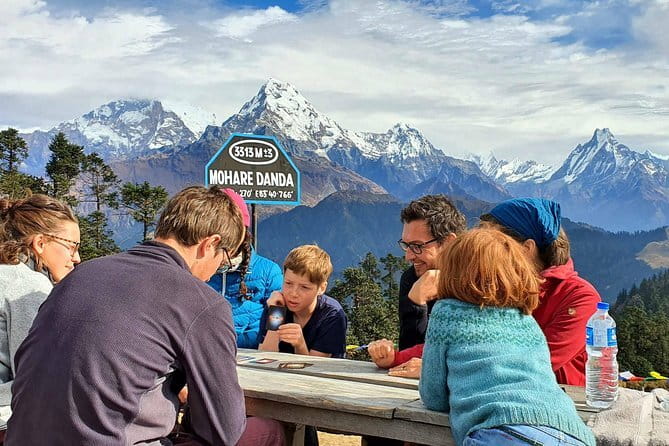
Meals are part of the structure: breakfast (4), lunch (4), dinner (4). That’s a big deal because on trekking days you don’t want to hunt for food or negotiate timing when you’d rather just eat and keep moving.
The tea house rhythm also shows up in real-world expectations. In past experiences with this company and team, guests noted that tea houses were used and that the overall trek felt manageable with porters supporting the load.
A practical note: because desserts and extra meals aren’t included, you might want to plan for snacks you actually like (and not just whatever is on hand). Drinks aren’t included either, so carry a small amount of cash for water/soft drinks, and keep your main hydration plan simple.
Pace, packing, and the moderate-fitness reality
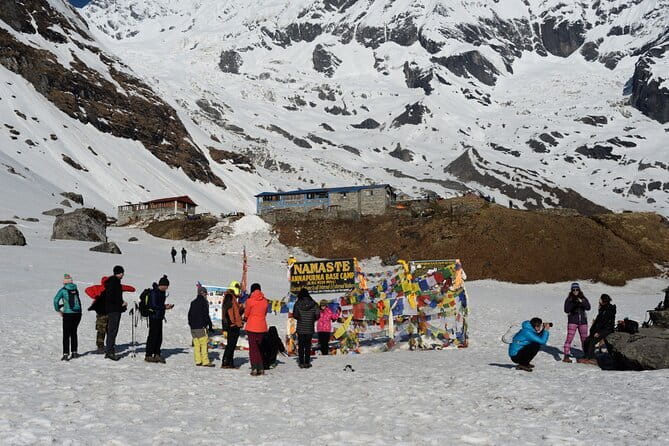
This trek is for travelers with moderate physical fitness. That doesn’t mean you need to be an athlete, but it does mean you should be comfortable with long walking days and a steady climb and descent rhythm.
Also, this experience requires good weather. When clouds, rain, or wind roll in, the mountains don’t feel friendly. So pack with flexibility in mind: layers, a rain-ready shell, and shoes you trust for uneven ground.
One more practical tip from the way the trek is designed: sunrise at Base Camp means you’ll likely start early and keep moving. If you’re the type who hates early mornings, mentally prep for it now—or you’ll spend the first hour grumpy instead of awed.
Is this the right fit for you?
This trek suits you if:
- you want a private guided experience with real local support,
- you care about both mountain views and village travel,
- you prefer having permits, meals, and transport handled rather than piecing it together.
It might not suit you if:
- you’re looking for a low-effort walk (this is trekking, not strolling),
- you don’t want to manage basic cold/early starts,
- or you want drinks fully covered and no extra spending.
Should you book this Annapurna Base Camp trek?
I’d book it if you want a focused Annapurna Base Camp experience with support that feels human—guided by Sirjan and a porter team—and you value the bundled essentials like permits and meals. The $225 price makes sense when you compare it to the real costs of guides, paperwork, and on-trail food.
I’d pause and think twice if your fitness level is below moderate, if early mornings are a deal-breaker, or if you hate planning for weather changes. With the weather-dependent nature of high trekking, you want a calm mindset.
If you’re ready for steady walking, sunrise views, and a hot-spring reset at Jhinu Danda, this one is a solid pick.
FAQ
Where does the trek start?
The trek begins with travel from Pokhara to Siwai, which is the initiation point for the Annapurna Base Camp trek.
Is this trek private?
Yes. It’s listed as a private tour/activity, meaning only your group participates.
What permits are included?
Your package includes a trekking permit and the TIMS (Trekking Information Management System) card.
Are meals included?
Yes. The package includes 4 breakfasts, 4 lunches, and 4 dinners, plus some seasonal fruits.
Are drinks included?
No. Drinks are not included, and extra meals or dessert items are also not included.
Do I get a guide and porters?
Yes. A guide is included, and the guide’s support costs are covered. Porters are used as part of the trek team (guests describe 3 porters with the guide team).
What’s the return from the trek?
After arriving in Siwai on Day 5, the guide coordinates a jeep return to Pokhara.
Can I get a full refund if I cancel?
You can cancel for a full refund if you cancel at least 24 hours before the experience’s start time. If cancellation happens due to poor weather, you’ll be offered a different date or a full refund.