REVIEW · KATHMANDU
Oldest Local Market Walking Tour with Living Goddess Kumari
Book on Viator →Operated by Mount Glory Treks & Expedition Pvt.Ltd. · Bookable on Viator
Seeing the Kumari changes your pace. This 2-hour walk pairs a visit to Kumari Chowk with a guided drift through Kathmandu’s oldest market area, Ason Bazar. I love that you’re not just looking at sights, you’re watching how people actually buy, sell, and live in the city while a major religious moment happens nearby.
The second thing I really like is the English-speaking guide who helps you connect the dots between the market lanes and Kathmandu Durbar Square, so you finish with a clearer sense of where you are and what you’re seeing. One possible drawback: the advertised price doesn’t include monument entrance fees, and you’ll also want to budget for guide tips and your own snacks.
In This Review
- Key highlights to look for
- A tour that mixes devotion and daily shopping in central Kathmandu
- Meeting at Chhaya Devi Complex, then easing in via Thamel Market
- Ason Bazar: Kathmandu’s oldest market lanes, for real purchases
- Kathmandu Durbar Square: palaces, temples, and the Kumari House connection
- Kumari Chowk: a short, free viewing of the living goddess
- The walk back toward Thamel, following Ason Bazar longer if you want
- Price and value: what your $40 really covers
- Timing: how a 2-hour tour fits a first Kathmandu day
- Who this tour is best for (and who should consider alternatives)
- Practical tips that will make the walk easier
- Should you book this Kumari + Ason market walk?
- FAQ
- Where does the tour start and end?
- How long is the walking tour?
- What sites are included on the route?
- Is monument entrance included in the $40 price?
- Is the Kumari Chowk viewing ticketed?
- What is included in the tour price?
- Is food or drinks included?
- What group size should I expect?
- Can I cancel for a full refund?
Key highlights to look for
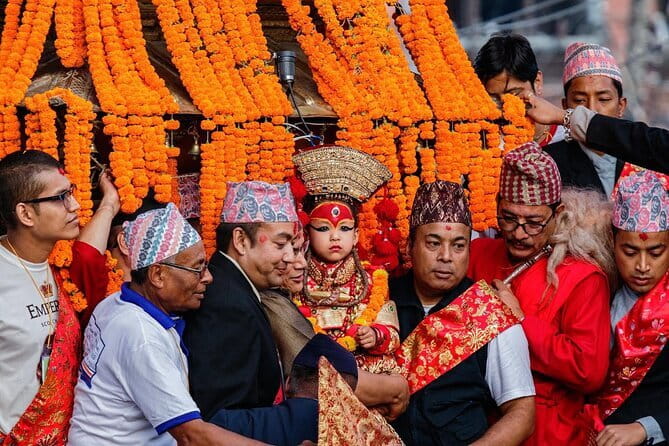
- Living goddess moment at Kumari Chowk, with a short stop timed for viewing
- Ason Bazar orientation through Kathmandu’s oldest market district for everyday culture
- Kathmandu Durbar Square context at a UNESCO World Heritage palace complex
- Small group size (up to 20) so the walk stays manageable
- Guide value built in with an experienced English-speaking host plus service charge and tax
- Mobile ticket for a smoother start at Chhaya Devi Complex
A tour that mixes devotion and daily shopping in central Kathmandu
This is the kind of tour that works because it’s two experiences in one. You get a quick, meaningful encounter with Kathmandu’s living goddess Kumari tradition, then you shift back to the street level where Kathmandu’s market energy takes over.
And the timing is practical. In about two hours, you’ll cover a loop that starts with a clear meeting point, moves through the Thamel Market area as a warm-up, and then focuses on the older, more historically centered stops. If your first days in Kathmandu feel like information overload, this route helps you get your bearings fast.
You can also read our reviews of more walking tours in Kathmandu


Meeting at Chhaya Devi Complex, then easing in via Thamel Market
You’ll meet at the main gate of Chhaya Devi Complex (Chhaya Center, Amrit Marg). This is a solid starting point because it keeps you from wandering around trying to figure out where the tour begins.
From there, the walk threads through Thamel Market before entering Ason Bazar. That first stretch matters more than it sounds. Thamel can be a loud introduction for some people, and it also gives you a simple “transition zone” before the tour lands in the older market district. You’ll be able to adjust your pace and expectations while the guide sets the tone.
One small consideration: since it’s a walking tour, you’ll want shoes that handle uneven sidewalks and narrow lanes comfortably. There’s no mention of special accessibility equipment, so plan on standard city walking.
Ason Bazar: Kathmandu’s oldest market lanes, for real purchases
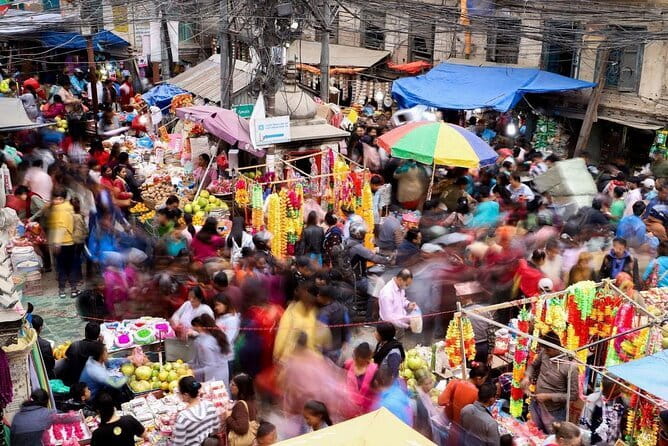
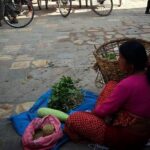
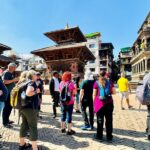
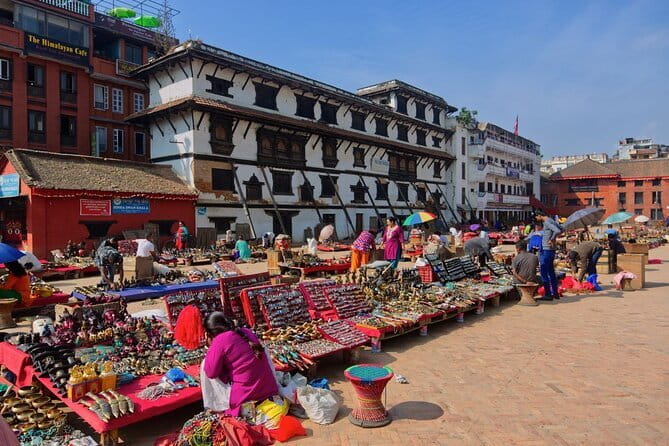
Ason Bazar is the heart of this tour’s market portion. You’ll spend about 30 minutes walking the area where people shop for practical items and everyday needs, not just souvenirs.
What I like about this stop is its variety. The market is known for goods across categories, including:
- instruments
- food
- clothes
- plus the kind of market staples you’d expect around spices and textiles
Even if you don’t buy a thing, you learn faster by seeing what’s for sale and how people move through the space. It’s the best way to avoid the common Kathmandu mistake of only seeing temples from the outside while forgetting that life continues in the streets around them.
30 minutes is also a good length. Enough time to understand the layout and feel the atmosphere, without exhausting yourself before the more significant cultural stops.
Kathmandu Durbar Square: palaces, temples, and the Kumari House connection

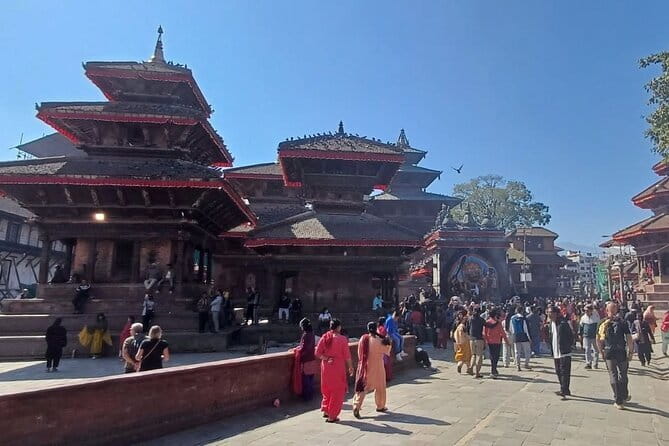
After Ason Bazar, the tour heads to Kathmandu Durbar Square, where you’ll have about 1 hour.
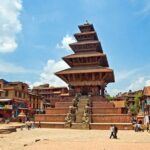
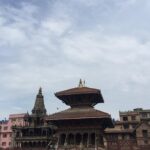
This is a UNESCO World Heritage palace complex in the center of Kathmandu, known for intricate architecture and a mix of temples and courtyards. The key link for this particular tour is that the complex includes the Kumari House.
Why that connection matters: it turns Kumari from a standalone curiosity into part of a larger sacred setting. The living goddess tradition isn’t floating in space. It’s tied to a specific place, with ceremonial and historical roots, and the Durbar Square area helps you understand the broader setting behind the viewing moment.
A practical note: monument entrance fees are not included in the tour price. The tour information lists NPR 1000 per person for monument entry. So if you’re aiming to keep this day predictable financially, plan to cover that extra cost on top of the $40.
Kumari Chowk: a short, free viewing of the living goddess
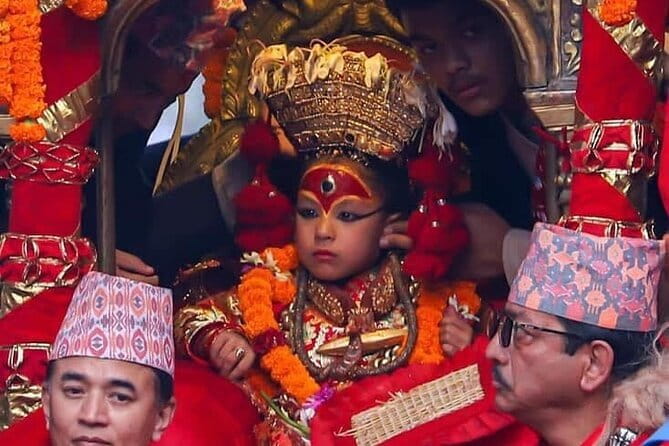
The most headline moment is the stop at Kumari Chowk, where you can witness the living goddess Kumari. This is a 10-minute stop and admission is listed as free.
Here’s the context worth knowing before you show up:
- Kumari refers to the Kathmandu Kumari, a pre-pubescent girl considered the living incarnation of the goddess Taleju
- she lives in the Kumari Ghar
- her role is rooted in tradition and religious beliefs
Even if you don’t treat the tradition the same way locals do, it’s hard not to feel the weight of it. This isn’t just a photo stop. It’s a window into how belief, ritual, and daily structure exist side by side in Kathmandu.
Because the viewing window is short, it helps to arrive mentally ready. Focus on what’s happening rather than trying to multitask. If you want photos, keep them purposeful and quick so you don’t miss the moment when attention is shared by everyone.
You can also read our reviews of more shopping tours in Kathmandu




The walk back toward Thamel, following Ason Bazar longer if you want
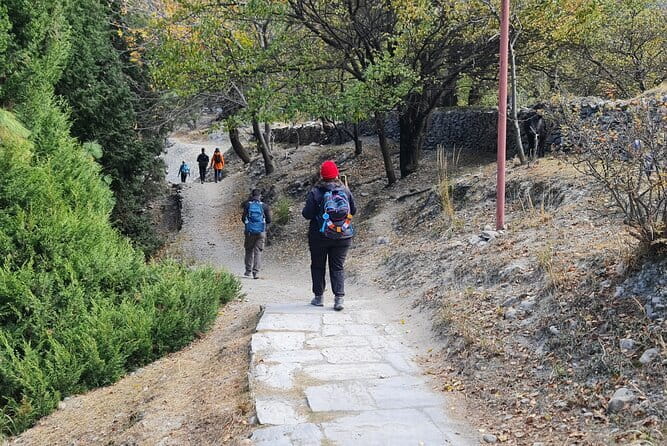
After Kumari Chowk, the tour returns to Thamel and follows the Ason Bazar route back so you can keep exploring if you want a longer look.
This is a nice structure because it gives you choices:
- If you like having a plan, you end with a clear tour flow.
- If you want extra time for browsing, you can continue where the tour naturally leaves you.
It also lets you end in a more tourist-friendly area for simple logistics afterward, like finding a place to eat or resting your feet.
Price and value: what your $40 really covers
At $40 per person, this tour is priced for a guided, two-hour city introduction that includes real cultural time rather than only temple viewing.
Here’s what’s included:
- an experienced English-speaking guide
- company service charge and tax
Here’s what’s not included:
- monument entrance fees (NPR 1000 per person)
- tips for the guide
- food and beverages
So the value equation looks like this: you’re paying for the guide and the routing to the important stops, plus the comfort of not having to figure out where to go and what matters most. Then you top it off with the standard entrance fee for the major sites.
If you’re traveling on a tight schedule, this pricing can make sense because it bundles a market orientation plus the Durbar Square connection plus the Kumari viewing moment into one compact walk.
One more detail that matters: the tour has an upper limit of 20 travelers. Smaller groups tend to feel easier to manage in dense central streets, especially when you’re moving between market lanes and formal square areas.
Timing: how a 2-hour tour fits a first Kathmandu day
This tour runs about 2 hours. In practice, that’s a good length for day-one orientation. It’s long enough to feel like you did something meaningful, and short enough that you still have energy for the rest of Kathmandu.
It also matches the way Kumari viewing fits into a day. A short stop is easier to schedule than a half-day “sit and wait” plan. You’re not stuck with a long downtime window.
One tip I’d give: if you’re pairing this with other sightseeing, keep the rest of your plan flexible. Market lanes and square areas can slow you down naturally, even with a guide’s timing.
Who this tour is best for (and who should consider alternatives)
This is a strong choice if:
- you want a first-round sense of Kathmandu using the Ason Bazar + Durbar Square connection
- you care about seeing how major religious tradition plays out in the middle of daily life
- you’d rather get a guided storyline than wander aimlessly for two hours
It’s also a good fit for people who like short, high-impact stops. The Kumari Chowk segment is brief but meaningful, and Durbar Square gives you enough time to actually notice architecture and courtyards rather than rushing through.
Consider alternatives or skip this if:
- you dislike walking in older city streets
- you strongly prefer tours where all entrances are included in the base price
- you need longer time inside monuments, since this is built as a compact overview route
Practical tips that will make the walk easier
You’ll get the most from the tour if you think like a pedestrian, not a tourist driver.
- Bring a little extra cash for the NPR 1000 monument entrance fee.
- Wear shoes you trust on uneven pavement.
- Keep your expectations flexible: markets change block to block, and the value is in noticing, not in ticking boxes.
- Keep your phone ready, but don’t freeze every moment into a screen. The Kumari Chowk stop is only 10 minutes, so be present.
Should you book this Kumari + Ason market walk?
I think it’s worth booking if you want a guided introduction that connects a major cultural moment with everyday Kathmandu life. The standout strengths are the Kumari viewing paired with the market routing, and the way the guide helps you understand what you’re seeing across both Ason Bazar and Kathmandu Durbar Square.
Book it if:
- you’re curious about Kumari tradition and want the correct context
- you want a tight, efficient loop that fits into a first-day schedule
- you value a small-group pace (up to 20) with an English-speaking guide
Skip it if:
- you’re allergic to additional entrance fees and prefer a fully all-in package price
- you want extended time inside monuments rather than a curated, walking-route overview
If you’re deciding quickly, this is the kind of tour that gives you a good story to carry through your Kathmandu days. And once you’ve seen Kumari Chowk and understood the Durbar Square link, the rest of the city often starts making more sense.
FAQ
Where does the tour start and end?
The tour starts at the main gate of Chhaya Devi Complex (Chhaya Center, Amrit Marg, Kathmandu 44600) and ends back at the meeting point.
How long is the walking tour?
The tour lasts about 2 hours.
What sites are included on the route?
You’ll walk through Thamel Market, visit Ason Bazar, then go to Kathmandu Durbar Square, and stop at Kumari Chowk to witness the Kumari.
Is monument entrance included in the $40 price?
No. Monument entrance fees are listed as NPR 1000 per person and are not included.
Is the Kumari Chowk viewing ticketed?
Admission for Kumari Chowk is listed as free for the stop on this tour.
What is included in the tour price?
The tour includes an experienced well English speaking tour guide, plus company service charge and tax.
Is food or drinks included?
No. Food and beverages are not included.
What group size should I expect?
The tour has a maximum of 20 travelers.
Can I cancel for a full refund?
Yes. You can cancel up to 24 hours in advance for a full refund. If you cancel less than 24 hours before the start time, the amount paid is not refunded.