REVIEW · KATHMANDU
Kathmandu: Nepali Cooking Class with Hotel Pickup
Book on GetYourGuide →Operated by Himalayan Social Journey · Bookable on GetYourGuide
If you like food with a story, this one fits. You start with a short market visit in Kathmandu, then cook a traditional meal with an English-speaking instructor, plus folk music and a few Nepalese phrases. I especially like the hands-on focus (you’re not just watching), and the chance to make iconic dishes like momo and sel roti. One thing to keep in mind: the day’s length can run shorter than advertised, so check expectations before you plan other tight activities.
You’ll get picked up from the Thamel area, ride by rickshaw to a local market in Ason, and meet the merchants where Kathmandu shops for everyday ingredients. After that, you’ll move into the cooking portion and learn how local ingredients shape Nepali flavors. If you want an easy intro to Nepalese food culture without needing prior cooking skills, this is a practical, fun way to do it, even if the exact timing can vary.
In This Review
- Key Highlights I’d Prioritize
- A Hands-On Way To Learn Nepali Cooking In Kathmandu
- Hotel Pickup And The Ride to Ason Market
- Shopping for Ingredients: What You’re Really Practicing
- Cooking Session Highlights: Momo, Curries, Roti, and Sel Roti
- Momo and Nepali comfort-food cooking
- Curries with local ingredient logic
- Roti: the bread you’ll actually recognize
- Sel roti: the donut-like favorite
- Folk music and mealtime
- How Long It Feels (and What To Watch For)
- Price and Value for $60 in Kathmandu
- Who This Class Is For (and Who Might Want Something Else)
- Should You Book This Kathmandu Cooking Class?
- FAQ
- What’s included in the tour?
- What dishes will I cook?
- Is the market visit included?
- How long is the activity?
- Is instruction available in English?
- Is it wheelchair accessible?
Key Highlights I’d Prioritize
- Ason market shopping: you pick ingredients locally, not from a pre-made list
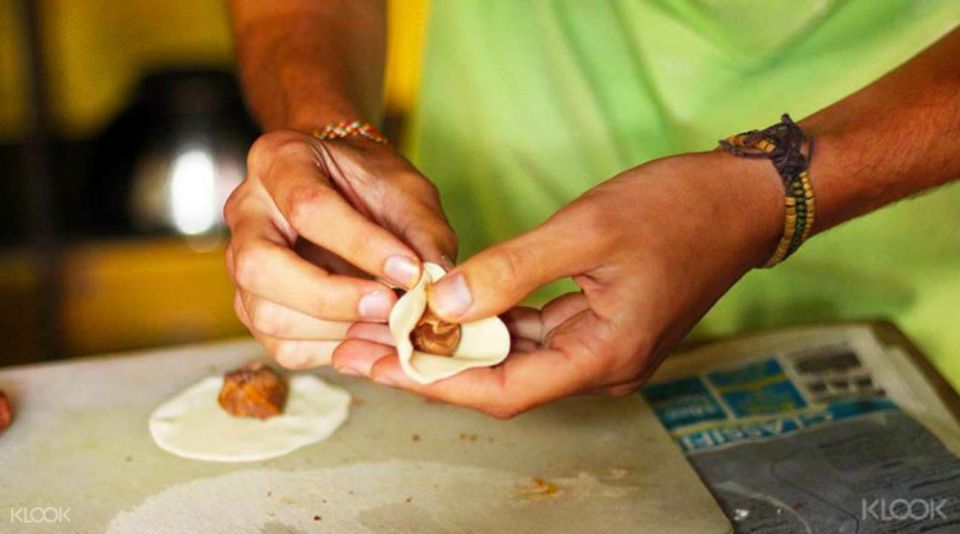
- Hands-on cooking: you’ll make staples like momo, roti, curries, and sel roti
- English instruction: teaching is in English, with an audio guide included
- Food + culture: you’ll hear about Nepali food culture and learn a few phrases
- Folk music during class and mealtime: the vibe stays cheerful while you cook
- Thamel-area hotel pickup and drop-off: reduces the hassle of getting started
A Hands-On Way To Learn Nepali Cooking In Kathmandu
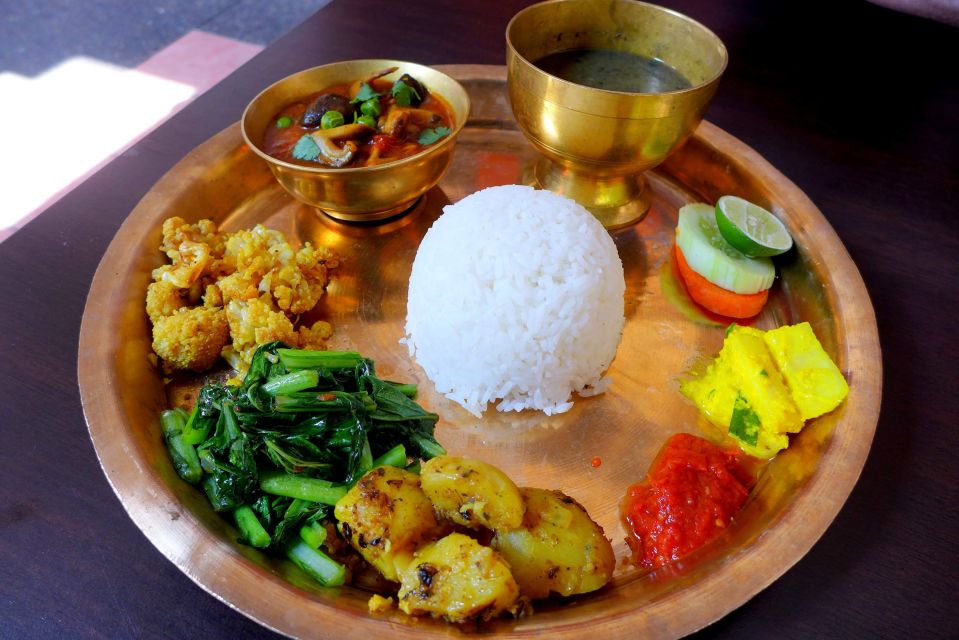
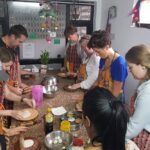
This is a straightforward, food-first experience. You’ll do two things in one trip: shop with guidance and then cook a traditional Nepali meal from scratch. The value here is that you learn the why behind flavors—what ingredients are common, how dishes come together, and what makes certain foods feel unmistakably Nepali.
I like how the class centers on recognizable, everyday dishes rather than obscure “museum food.” You can walk away knowing how momo works in practice, how roti is handled, how curries build their taste, and how sel roti gets its distinct doughnut-like identity. That’s the kind of learning you can actually reuse later when you’re cooking at home.
You can also read our reviews of more cooking classes in Kathmandu
Hotel Pickup And The Ride to Ason Market
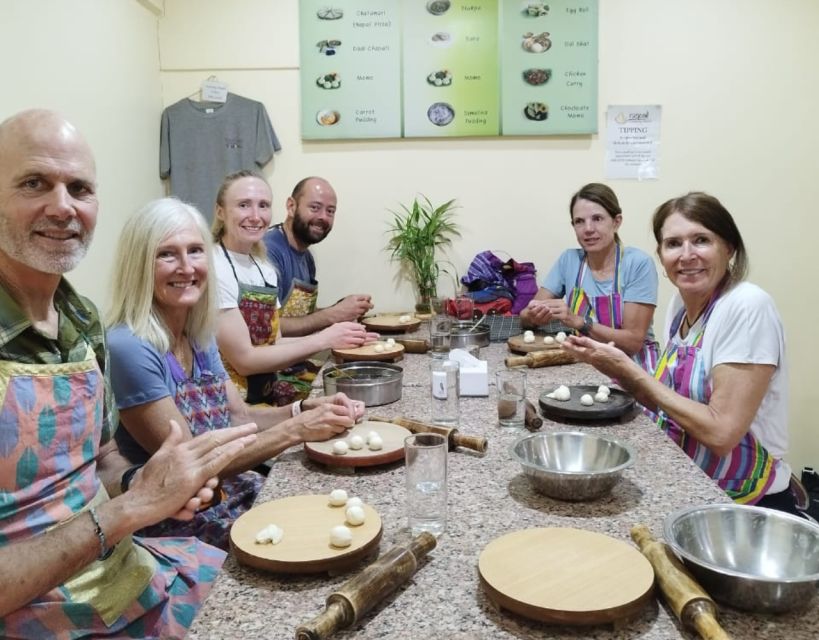
Your day begins with hotel pickup and drop-off from the Thamel area. That matters in Kathmandu because traffic and navigation can turn a simple plan into a stress test. Having transport sorted lets you focus on the fun parts—especially the market.
From Thamel, you’ll head to a typical local market in Kathmandu-Ason by rickshaw. This is one of those moments where you get a feel for the pace of the city right away: shop fronts, people moving in every direction, and merchants selling the things that show up in Nepali home cooking. You’re not just passing through—you’re going there to choose ingredients for your meal.
If you’re sensitive to crowds or bouncing rides, dress for comfort and go slow when you first arrive. Also, since the tour runs rain or shine, bring something to stay dry.
Shopping for Ingredients: What You’re Really Practicing
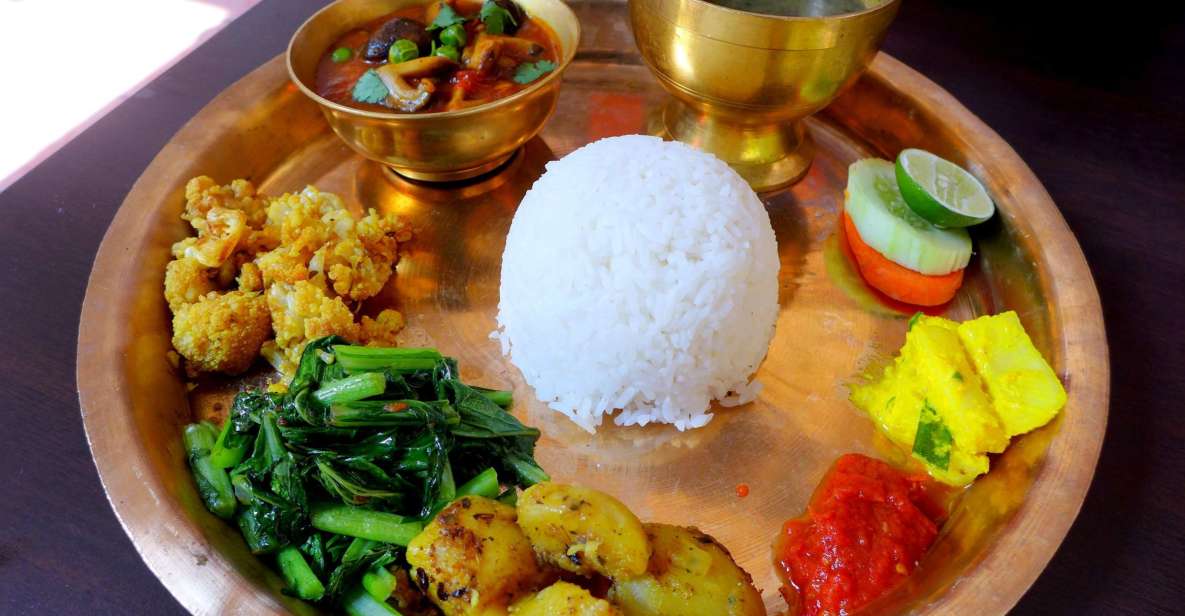
The market stop isn’t just sightseeing. It’s the setup for the cooking session. You’ll visit the market area to buy ingredients needed for what you’ll cook later. You’ll meet local merchants and see how people shop for daily cooking items in Kathmandu.
This is where the experience becomes useful, not just entertaining. When you pick out ingredients yourself—especially spices, fresh items, and staples—you start to understand what the instructor means when explaining flavor. It also helps if you want to recreate the dishes later, because you’ll know what you were targeting and why.
Also, watch your timing. Some schedules can feel shorter in practice, with the market visit turning into more of a quick stop than a long walkthrough. If you’re the type who likes to browse for fun even after your shopping list is done, plan a little buffer elsewhere that day.
Cooking Session Highlights: Momo, Curries, Roti, and Sel Roti
After the market, it’s cooking time. The instructor leads you through a traditional Nepali meal while explaining ingredients and methods. Since teaching is in English, you should be able to follow along even if Nepali cooking terms are new to you.
Here’s what you can expect to cook:
Momo and Nepali comfort-food cooking
Momo is one of Nepal’s best-known foods, and this class treats it like a real skill—how the dough and filling come together, and how the dish is made in a typical way. If you’ve only had momo from restaurants, making it yourself is the big eye-opener.
You can also read our reviews of more tours and experiences in Kathmandu
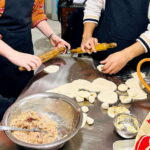
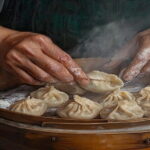
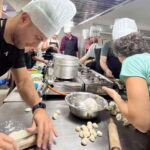
Curries with local ingredient logic
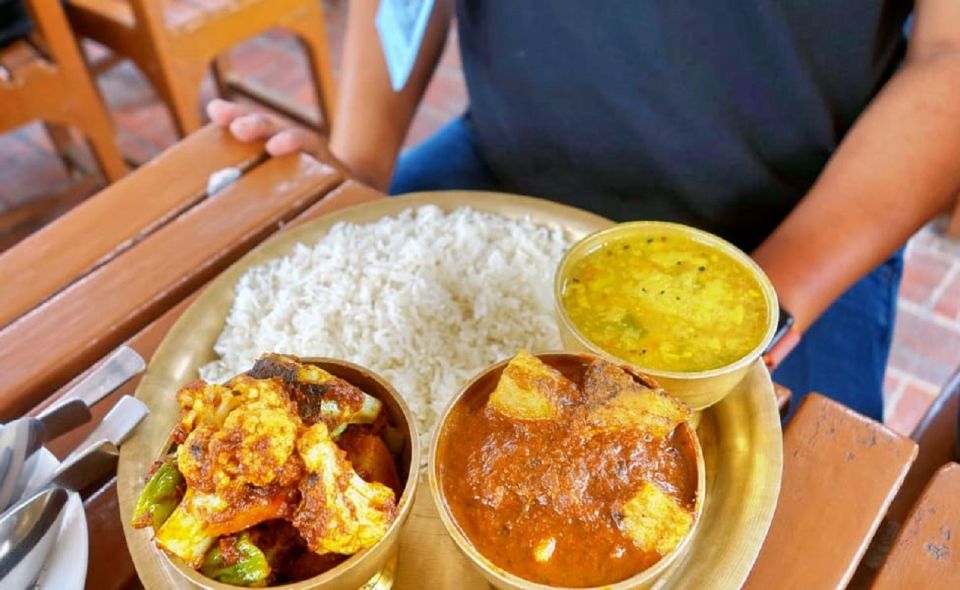
You’ll also make varieties of Nepali curries. The key lesson isn’t only the recipe—it’s the ingredient approach. You’ll learn what items are common, how they work together, and how curry flavor develops. That’s the kind of knowledge you can reuse with different vegetables or proteins later.
Roti: the bread you’ll actually recognize
You’ll make a bread that includes roti. This is valuable because roti is the base for a lot of eating habits in the region. Learning how it’s shaped and handled helps you understand how meals are built around bread, not only around sauces.
Sel roti: the donut-like favorite
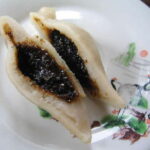
Then there’s sel roti, a standout. You’ll learn how to make this unique fried bread that’s slightly similar to American doughnuts in feel, even though it’s its own Nepali thing. It’s the dessert-or-snack moment people remember because the process and texture are different from the usual bread routine.
Folk music and mealtime
Throughout the class—and at mealtime—you’ll hear Nepalese folk music. This isn’t just background entertainment. It makes the class feel like a community event rather than a demo. You’ll also learn some Nepalese phrases, which is a fun way to connect cooking with language instead of treating it like a purely technical lesson.
How Long It Feels (and What To Watch For)
The scheduled duration is listed as 4 hours, with the class described as typically 3–4 hours. In practice, plan for variation. One important consideration: the day can sometimes run closer to two hours, depending on timing and flow. That doesn’t automatically mean it’s bad—it just means you should treat the experience as flexible, not a rigid timetable.
The same goes for the market visit. If the stop feels more like a local shop rather than a long browse, it may be because the schedule prioritizes getting you into the kitchen with enough time to cook and eat. If you’re the type who wants a long market wander with lots of pauses, consider building in extra free time elsewhere in your day.
Practical takeaway: don’t schedule another timed activity right after. Leave margin. Kathmandu days rarely move like a clock.
Price and Value for $60 in Kathmandu
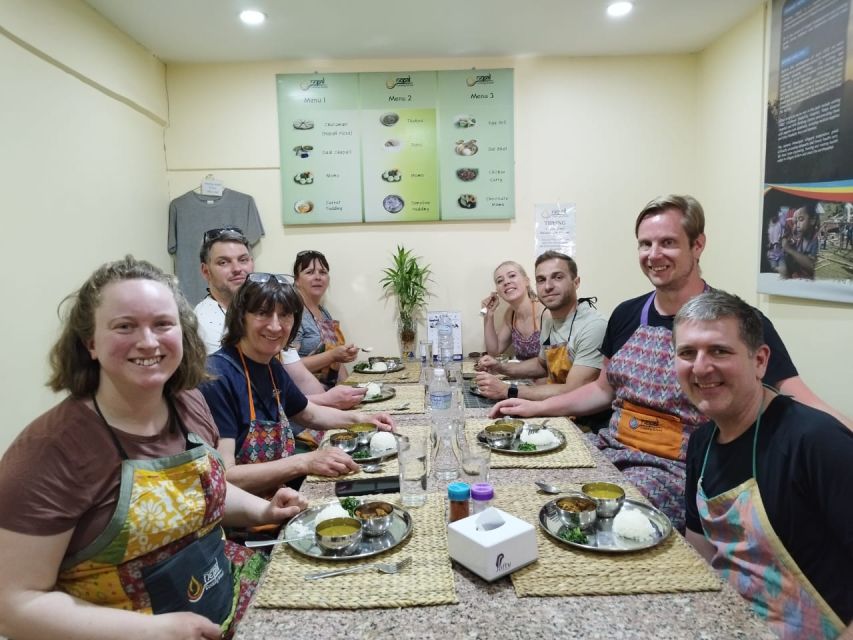
At $60 per person, this sits in the midrange for a guided cooking class. What makes it feel fair is that you’re not only paying for a recipe lesson. You’re getting:
- Pickup and drop-off from Thamel
- An English-speaking instructor
- Time to cook and eat
- A market trip to buy ingredients
So you’re paying for logistics and instruction, not just the cooking. If you’ve ever taken a cooking class that starts at a kitchen door and ends with shopping handled for you, you’ll appreciate what’s included here—especially the market step, because it adds learning and context.
That said, if you end up with a shorter session than expected, your value can feel different. The best way to protect your budget is to book with the mindset that this is a hands-on meal experience with a culture component—not a full-day deep study.
Who This Class Is For (and Who Might Want Something Else)
This is a great match if you want an easy, structured way to learn Nepali dishes without needing specialized knowledge or equipment. It also suits you if you’re staying in Thamel and want an activity that starts with pickup instead of requiring you to figure out local transport before you’ve even had breakfast.
It’s also a good fit if you enjoy learning in small details: how ingredients matter, how certain staples get made, and how meals connect to daily life. Folk music and quick language lessons are a bonus if you like getting little cultural touches instead of only a food lecture.
You might consider a different option if you’re extremely time-sensitive, because the schedule can run shorter in some cases. And if your idea of a market visit is a long, roaming exploration, be ready for a more focused shopping stop.
Should You Book This Kathmandu Cooking Class?
If you’re excited about cooking Nepali classics and you want a guided, English-friendly experience that includes ingredient shopping, I’d book it. It’s practical, hands-on, and built around dishes people actually talk about: momo, Nepali curries, roti, and sel roti. The market + cooking combo is the core reason this works.
If you’re counting every minute, go in with flexibility. Keep your next plans loose, and dress for rain or shine conditions. Bring your passport or ID card (a copy is accepted), and skip alcohol or drugs during the activity.
Bottom line: this is a solid value choice for food lovers who want a real skill, not just a tour photo.
FAQ
What’s included in the tour?
Hotel pickup and drop-off from the Thamel area, an experience chef instructor, a 3 to 4 hour cooking class, and a trip to a local market.
What dishes will I cook?
You’ll prepare popular traditional Nepali dishes including momo, varieties of curries, roti (bread), and sel roti.
Is the market visit included?
Yes. You’ll visit a local market in Kathmandu-Ason to pick up ingredients for your meal.
How long is the activity?
The duration is listed as 4 hours, and the class portion is described as 3 to 4 hours. Starting times depend on availability.
Is instruction available in English?
Yes. The instructor is English-speaking, and an English audio guide is included.
Is it wheelchair accessible?
Yes, the activity is listed as wheelchair accessible.