REVIEW · KATHMANDU
Langtang Valley Trek from Kathmandu
Book on Viator →Operated by Namaste Nepal Trekking & Research Hub Pvt. Ltd. · Bookable on Viator
Langtang feels calmer than Nepal’s headline treks. This 8-day route from Kathmandu down to Syapru Besi and back brings Tamang heritage into your trek days, with Tibetan-influenced faith and real resilience after the 2015 earthquake. I also like that the trail feels less like a queue and more like walking through local life.
I also like the Kyanjin Gompa area, especially the mix of ancient monasteries and that famous cheese-factory stop that adds a practical, human touch. With an English-speaking guide and a first aid box along the way, you’re not stuck figuring things out on your own.
One drawback to consider: you’ll be trekking most days for about 5–7 hours, and not all meals are included in the price. If you’re hoping for a fully supported, low-effort hike with zero extra spending, this may feel a bit demanding or pricey.
In This Review
- Key highlights worth planning for
- Why Langtang feels different from the big-name treks
- Price and Logistics: what your $1,110 covers (and what it doesn’t)
- Getting from Kathmandu to Syapru Besi: the travel day that sets the tone
- Day 2 to Lama Hotel: forests, bridges, and the Langtang River
- Day 3 into Langtang Village: village life and recovery context
- Day 4 to Kyanjin Gompa: monasteries, panoramic views, and cheese
- Day 5 to Cherco Ri: early energy and big ridge payoff
- Day 6 back toward Lama Hotel: an easier downhill rhythm
- Day 7 to Syabrubesi: retracing steps, choosing the scenic alternative
- Day 8 return to Kathmandu: a gentle finish
- Who this trek suits (and who should be careful)
- Food, guest houses, and budgeting without surprises
- Guides, care, and how the trip stays organized
- Quick packing and preparation tips that actually help
- Should you book the Langtang Valley Trek from Kathmandu?
- FAQ
- How long is the Langtang Valley trek?
- Where does the trek start and end?
- What is included in the price?
- What meals are not included?
- Is the guide English-speaking?
- Is there accommodation during the trek?
- What level of fitness do I need?
- Is this a private group experience?
- Can I cancel for free?
Key highlights worth planning for
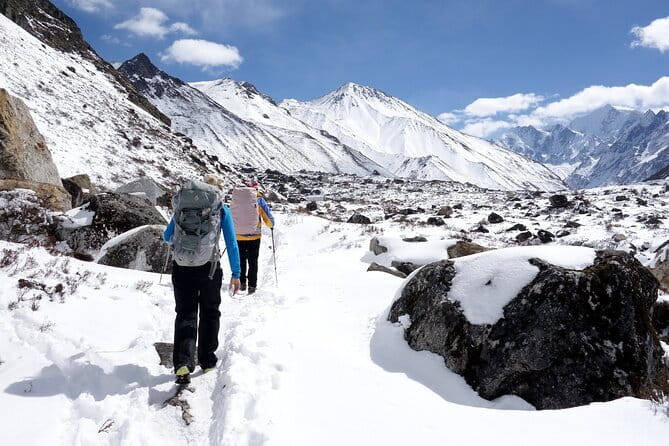
- Off-the-beaten-path Langtang trail instead of the busiest Everest/Annapurna corridors
- Kyanjin Gompa monastery visit plus the cheese factory stop
- Cherco Ri day built around an early start and big panoramic payoff
- English-speaking experienced guide plus a first aid box
- Guest house accommodation in the villages, with most meals handled
- A route that includes recovery stories, not just scenery
Why Langtang feels different from the big-name treks
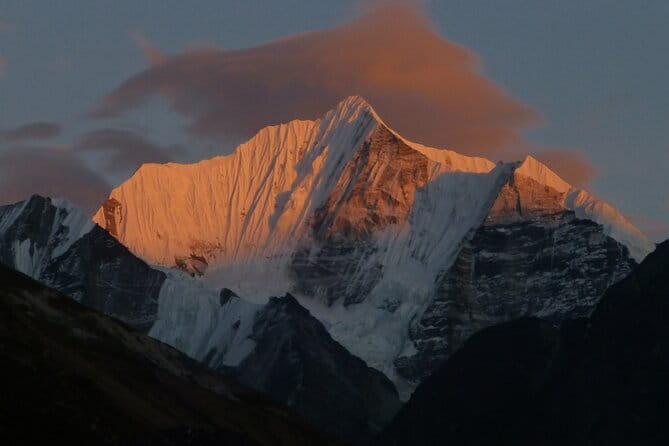
If you want Nepal mountains without the packed, high-visibility feel, Langtang is a strong choice. This trek doesn’t position itself as a hustle. Instead, it moves through the Tamang heartland with Tibetan-influenced culture you can actually see in village life and monastery stops.
The emotional weight here is real. The route passes places that have been rebuilding since the 2015 earthquake, and that context changes how you experience daily details like homes, footpaths, and local greetings. It’s not about hearing a speech; it’s about noticing what people have restored and how they keep welcoming visitors.
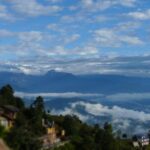
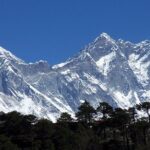
And then there’s the weather-and-view rhythm. You’ll spend your days walking through shifting scenery: forest edges, river valleys, stone-built village areas, and then monastery and ridge-country views when the trail opens up. In other words, it’s not just “pretty shots.” You’re moving through the region at a human pace.
You can also read our reviews of more hiking tours in Kathmandu
Price and Logistics: what your $1,110 covers (and what it doesn’t)
This trek is listed at $1,110 per person for an 8-day experience. For many hikers, that price makes sense because you’re not only paying for walking days. You’re also paying for permits, guiding, and the day-to-day stitching that keeps the trip from turning into an admin project.
From the included items, you’re getting:
- Hotel pickup and drop off
- Round trip transfers by sharing bus
- Trekking permit and TIMS card
- An English-speaking experienced trekking guide
- Guest house accommodation during the trek
- First aid box (with the guide)
- Breakfasts, plus lunch (8) and dinners (8) as listed
What’s not included is important for budgeting:
- Al meals not covered by the package (listed as about $25 per day)
- Gratitude (optional)
So here’s the value check for you: if you want a guided trek where permits, meals, and village lodging are already sorted, this price is easier to justify. If you’re trying to keep the trip as cheap as possible and you’re happy handling coordination yourself, you may find cheaper options elsewhere. But coordination is where trekkers often lose time, energy, and good timing.
Getting from Kathmandu to Syapru Besi: the travel day that sets the tone
Day 1 starts with a ride from the Kathmandu area to Syapru Besi, about 6–7 hours by road. It’s a long day, but it matters. This drive gets you out of city speed and into the rhythm of the route’s landscape and river crossings.
The journey crosses the Trishuli area, and that gives the day a more “real Nepal” feel than a simple transfer. You’ll also have breaks along the way, which helps if you’re managing fatigue before the first trekking day.
Practical note: plan to keep your daypack light. The road day is not the time to over-pack “just in case.” You’ll be happier if you carry only what you truly need while the guide handles the rest of the plan.
Day 2 to Lama Hotel: forests, bridges, and the Langtang River
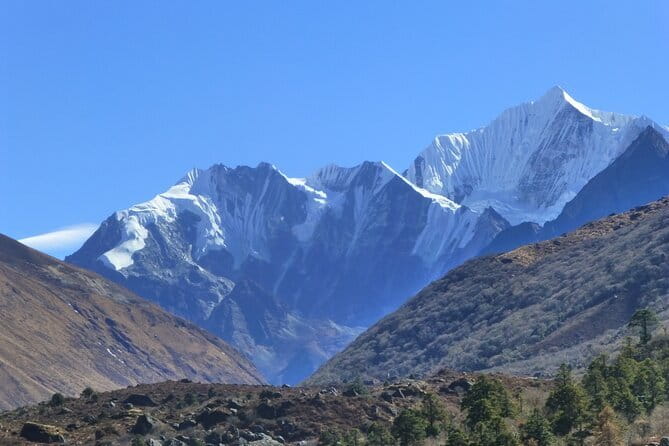
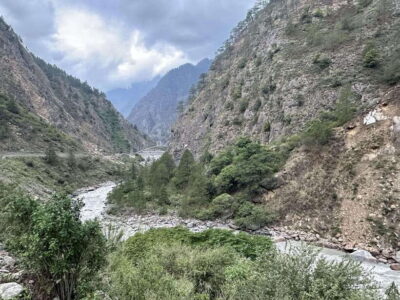
On Day 2 you trek to Lama Hotel in about 6 hours. Expect a mix of forest walking with rhododendron, oak, and bamboo. You may also spot langur, which is a nice bonus if you’re someone who enjoys looking up while you walk.
What helps this day feel memorable is the corridor structure of the hike: you move alongside the Langtang River, and the route includes suspension bridges. Those bridges break up the monotony and also remind you that you’re traveling through a living valley, not just a scenic corridor.
This is also where you learn your pacing. If you go too fast early, you’ll pay later on the days that involve ridge views. If you keep a steady rhythm, Day 2 becomes a calm warm-up instead of an early fatigue trap.
Day 3 into Langtang Village: village life and recovery context
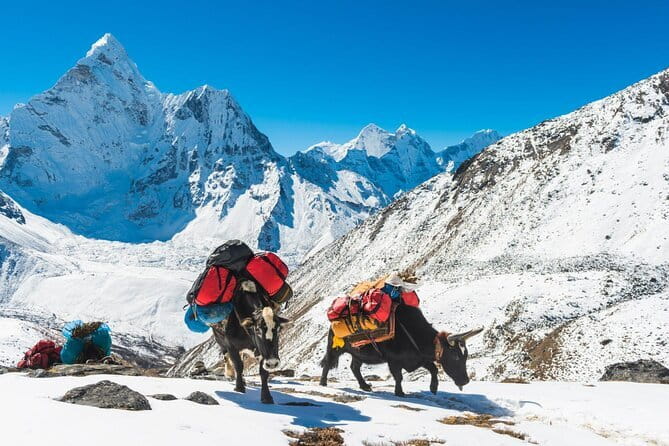
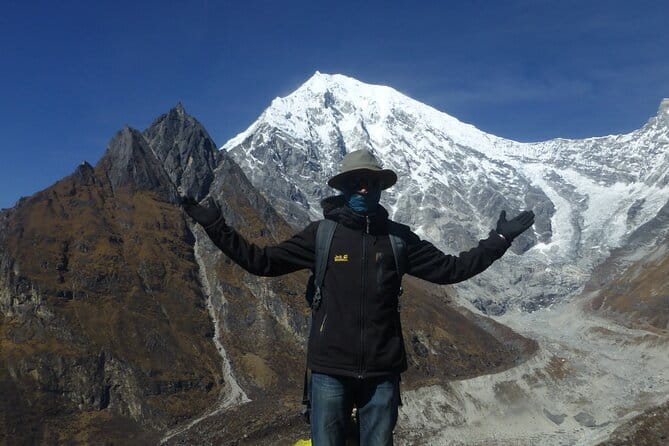
Day 3 brings you to the Langtang Valley trek section in roughly 6 hours, with a highlight that includes expansive views of Langtang Lirung and traditional stone houses. The biggest emotional anchor here is arriving at Langtang Village, described as recovering from the 2015 earthquake.
This matters because the valley’s story isn’t abstract. You’ll see what’s rebuilt, how communities are functioning again, and how visitors fit into the day-to-day. It gives the trek a purpose beyond photos.
Also, the trek’s landscapes are changing during the day, so you’re not stuck in one “type” of scenery. That variety helps keep your attention sharp, especially if you’re hiking with intermittent photo stops.
Day 4 to Kyanjin Gompa: monasteries, panoramic views, and cheese
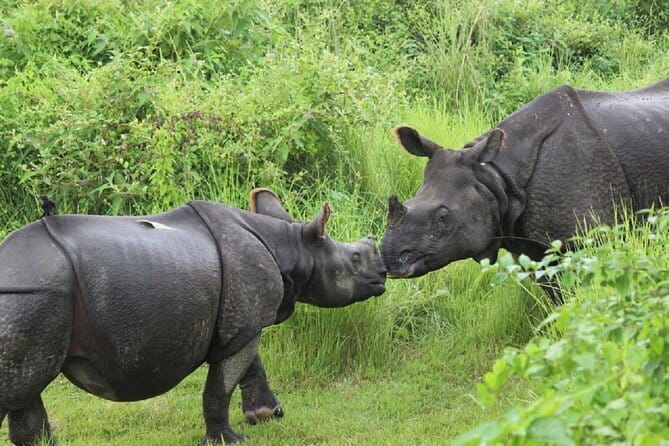
Day 4 shifts into the Kyanjin Gompa segment in about 5 hours. This is not a long hike by trek standards, but it’s a meaningful one because the area is a spiritual and cultural anchor.
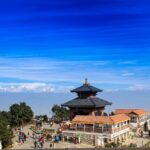
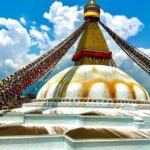
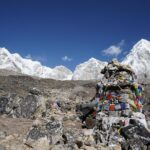
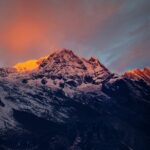
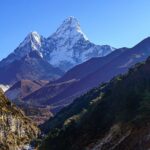
Highlights include panoramic mountain views and ancient monasteries, plus the notable stop at the Kyanjin Cheese Factory. That cheese factory detail is more than a quirky waypoint. It’s the kind of practical local economy piece that makes monastery country feel grounded.
If you care about culture and not just elevation, this day is a good match. You’ll experience the monastery setting, then contrast it with a working local stop. It’s a reminder that these places aren’t frozen in tradition. People live and earn here.
Day 5 to Cherco Ri: early energy and big ridge payoff
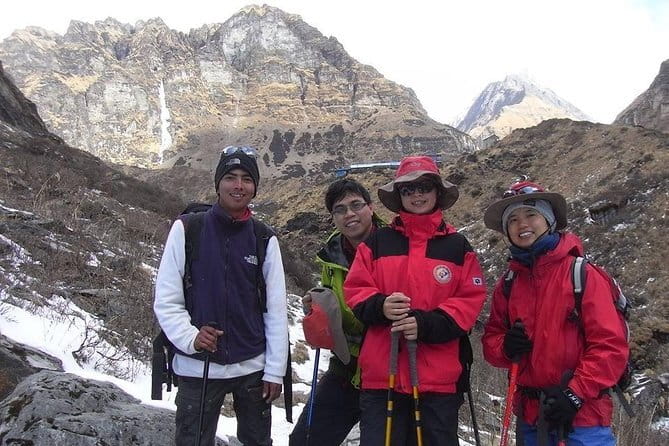
Day 5 is built as the trek’s key push. After early breakfast at your hotel with packed snacks, you cross a small wooden bridge over the Langtang River and begin climbing toward Cherco Ri.
The trek time is around 6 hours, and the day’s feel is more “mission day” than gentle village stroll. If you like ridge viewpoints and you don’t mind leaving a warm bed early, you’ll probably appreciate how the day is structured for maximum view.
The payoff is the reason this hike exists. You’ll get a broader look across the region as you climb. And even if clouds roll through, having a planned ridge hike means you’re not just hoping the sky cooperates.
Optional bonus option: the overview also notes side hikes to Kyanjin Ri or Tserko Ri for extra vistas. If those are offered alongside your dates, they can be a great way to tailor the trip to your energy and your preference for sunrise or late-morning views.
Day 6 back toward Lama Hotel: an easier downhill rhythm
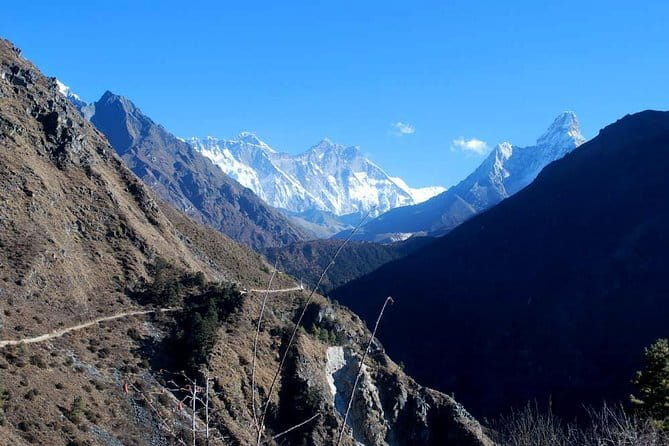
Day 6 drops back to Lama Hotel in about 6 hours, and the key detail is that it’s an easier downhill walk. The itinerary notes the altitude lowering effect, which can make this day feel less punishing than the climb days.
The valley also gets narrower as you move back, and that can make the walking feel more enclosed. Depending on your personality, you may love that sense of “returning into the valley corridor.” If you dislike tight, twisty footing, just move slowly on uneven ground.
This is a good day for steady legs and controlled breathing. It’s not the day to prove endurance. It’s the day to keep your knees happy.
Day 7 to Syabrubesi: retracing steps, choosing the scenic alternative
Day 7 is about going back to Syabrubesi in around 7 hours. The nice part: it’s mostly descending, so it usually feels easier than a forward hike.
There’s also an optional alternative route via Sherpagaun, noted as more scenic. If you’ve still got energy and you like variety, that kind of choice can keep the last trekking day from feeling like “just the same again.”
Either way, your goal is to finish the trek with legs intact. You’ll be ready for the final travel day into Kathmandu.
Day 8 return to Kathmandu: a gentle finish
On Day 8 you travel back to Kathmandu in about 6 hours, crossing green hills, forests, and riverside countryside en route. Once you arrive, you’re transferred to the selected hotel.
This final day is where the trek’s effort turns into something you can process. You’re not climbing anymore. You can shower, eat like a normal human again, and remember which moments mattered.
Who this trek suits (and who should be careful)
The tour is aimed at people with moderate physical fitness. You’re looking at multiple days in the 5–7 hour range, with one clear ridge-climb day tied to Cherco Ri.
If you want a trek that isn’t just a long grind, Langtang’s day structure helps: you get forest and river sections, monastery culture, and at least one easier downhill day for recovery. You also get a trip outline that doesn’t feel chaotic. That matters for your enjoyment.
If you have health concerns or limitations, the tour description flags that physically ill persons should not join. That’s not a scare tactic. It’s a reminder that trekking involves more than walking speed; it’s endurance and the ability to handle changing conditions on the trail.
And a small but meaningful reassurance: people on the trip have described feeling safe and well cared for, including solo women. That usually reflects an attentive team culture, not just good manners.
Food, guest houses, and budgeting without surprises
During the trek, the package includes breakfast (7), lunch (8), and dinner (8). You’ll also stay in guest houses, which is exactly what you want on a trek like this if your priority is comfort that matches the environment.
You should still budget for anything labeled as not included. The cost note says roughly $25 per day for meals not covered by the package. Translation for you: don’t plan a tight day-by-day cash budget where you count every dollar to the last cent. Plan a small cushion for extra eating, snacks, or anything you decide you want while walking.
Also, keep expectations realistic: guest house comfort is part of the trek experience. You’re not booking a resort. You’re buying convenience, warmth, and a functioning place to sleep between hiking days.
Guides, care, and how the trip stays organized
This trek is supported by an English-speaking experienced trekking guide and includes a first aid box carried with the guide. That’s the baseline for a trip that stays safe and calm, especially when the weather or trail conditions shift.
The tone of the experience also comes through in how people describe the team: guides and porters who take their work seriously and care for hikers like real people, not logistics numbers. That kind of attention matters most on the “in-between” moments: when you’re tired, when you’re unsure about pacing, or when you’re trying to keep morale up on a longer day.
It also helps that the trip design uses pickup and drop off, plus sharing bus transfers. You’re not managing the moving parts while trekking.
Quick packing and preparation tips that actually help
I’m not going to pretend you can pack once and forget planning. But you can pack smart. For a trek with day hikes and a ridge day, prioritize:
- Layers that handle cool mornings and warmer afternoons
- Good traction footwear for uneven paths
- A daypack for packed snacks and essentials
On your first trekking morning, start slower than you think you need. The goal is to build consistency, not to sprint out of Syapru Besi and regret it on Day 3 or 5.
Should you book the Langtang Valley Trek from Kathmandu?
Book it if:
- You want Tamang culture and monastery visits built into your hiking days
- You care about a less crowded alternative to the biggest trek regions
- You appreciate logistics handled for you: permits, guide, guest houses, and most meals
Be cautious if:
- You have limited hiking tolerance. This is moderate fitness trekking with multiple 5–7 hour days
- You dislike trips where you’ll still spend extra for some meals (budget around the listed daily estimate)
- You’re sensitive to the reality that guest house stays are simple by design
For the right hiker, this is the kind of trek where the details add up: river walks with suspension bridges, stone-house village life, monastery country with a cheese factory stop, and one strong ridge day that gives you mountain views in a way that feels earned.
FAQ
How long is the Langtang Valley trek?
The trek is listed as 8 days (approx.), including travel from Kathmandu and back.
Where does the trek start and end?
It starts from the Kathmandu area with a transfer to Syapru Besi and ends with the journey back to Kathmandu on the final day.
What is included in the price?
Included items are hotel pickup and drop off, round trip transfer by sharing bus, trekking permit and TIMS card, an English-speaking trekking guide, guest house accommodation during the trek, a first aid box, and meals listed as breakfast (7), lunch (8), and dinner (8).
What meals are not included?
Not included are all meals outside what’s listed in the included section, with a note that al meals cost about 25 US$ per day.
Is the guide English-speaking?
Yes. The tour includes an English speaking experienced trekking guide.
Is there accommodation during the trek?
Yes. You get accommodation in guest houses during the trek.
What level of fitness do I need?
The tour is for travelers with moderate physical fitness.
Is this a private group experience?
It’s described as private, with only your group participating.
Can I cancel for free?
Yes. There’s free cancellation up to 24 hours in advance for a full refund, based on local time.
If you tell me your hiking background (beginner, intermediate, and how you handle long days), I can help you sanity-check whether the Cherco Ri day and the 5–7 hour schedule fits your comfort level.