REVIEW · KATHMANDU
Manaslu Circuit Trek (15 Days)
Book on Viator →Operated by Sole Encounters Adventures · Bookable on Viator
Less crowds, bigger mountains, real culture. The Manaslu Circuit Trek offers dramatic Himalayan scenery with Tibetan-influenced villages, plus safety-focused planning and an eco-leaning approach. You also get a well-run support structure from first-day pickup through nights in local teahouses.
I especially like the pre-trek communication and permit process. People mention smooth guidance from operations staff like Prashant and Prem, and a caring, safety-first approach that’s paired with government-licensed, first-aid trained leadership such as Raj Rai.
One thing to weigh: trek meals and drinking water aren’t included, and you’re still responsible for trekking gear plus travel insurance. If altitude means a helicopter evacuation for you, your own policy needs to cover it.
In This Review
- Key Things to Know Before You Go
- Entering the Manaslu Circuit: What Makes This Trek Feel Different
- Kathmandu Base Time: Hotel Comfort in Thamel and the Paperwork Step
- The First Trek Legs: Machha Khola to Jagat and Deng (River Trails and Subtropical Green)
- Namrung and Lihi: Gurung Settlements, Tibetan-Influenced Houses, and Yak Country
- Shyala and Samagaun: Mani Walls, Pungyen Gompa, and Views That Aren’t Just for Postcards
- Samdo to Dharamsala: Acclimatization That Looks Short, But Actually Helps
- Larke Pass Day to Bimthang: The Hard Day That Defines the Circuit
- Dharapani Downshift: Forests, Yak Kharka, and the Feeling of Letting Go of Altitude
- Back to Kathmandu: Jeep Ride Reality, Then Thamel Again
- Price and Value: What $1,657.50 Buys (and What You Still Pay for Yourself)
- Who This Trek Suits Best (and Who Should Think Twice)
- Should You Book This Manaslu Circuit Trek?
- FAQ
- Do I need my original passport for this trek?
- What conservation permits are included?
- Are meals included during the trek?
- Do I need travel insurance?
- Is there a guide and porter support system?
- How big is the group size?
- Where does the trek start and end?
- Are hot showers and Wi-Fi included?
Key Things to Know Before You Go
- Permit handling starts early: you’ll submit your passport and photos, then wait while the Manaslu permits get issued.
- Strong on-trail support: porters use a 2 trekkers to 1 porter ratio, plus an assistant guide per 5 trekkers.
- Permits are bundled in: Manaslu Conservation Area, Annapurna Conservation Area, and a Special Restricted Area permit are included.
- A real acclimatization arc: short altitude work around Samdo and Dharamsala before tackling Larke Pass.
- Teahouses mean flexibility, but not included meals: you’ll buy most lunches and dinners along the way.
- Small group size: the trek caps at 15 travelers, which helps keep the trail experience calmer.
Entering the Manaslu Circuit: What Makes This Trek Feel Different
If you’ve ever looked at Nepal’s biggest treks and thought, That’s a lot of people, you’ll probably like the Manaslu Circuit’s quieter vibe. This route pulls you into a remote corner of the Himalaya where views still feel huge, but the trail doesn’t feel like a checklist line at a theme park.
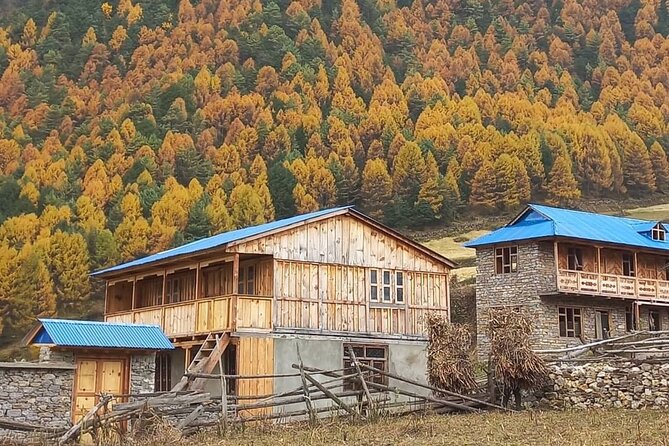
The culture shift is also a big part of the draw. Along the way, you move through villages with strong Tibetan influence—think stone-built homes, mani walls, and monastery visits that feel more spiritual and grounded than the typical mountain-stop format. The trip is designed to pair that culture with real mountain time, not just quick photo stops.
And since this is a restricted-area trek, the permit process matters. You don’t just show up and hope the paperwork works out. The company handles the permits, but you’ll need to provide your passport and photos in a timely way so everything can be issued correctly.
You can also read our reviews of more hiking tours in Kathmandu
Kathmandu Base Time: Hotel Comfort in Thamel and the Paperwork Step
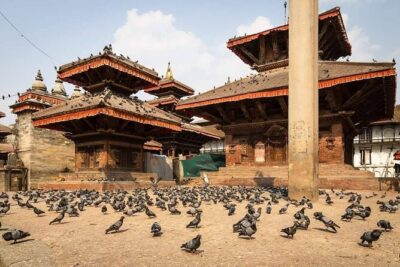
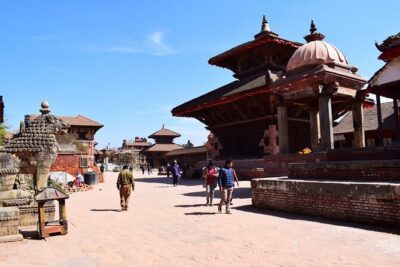
You’ll start in Thamel, Kathmandu—an easy launch pad for meeting your team and getting your bearings. After pickup from Tribhuvan International Airport, you’ll be taken to your 3-star hotel with breakfast in Thamel. It’s not luxury, but it’s practical: a bed, a shower (if you choose one at your teahouse later), and a location that makes it simple to sort out last-minute gear.
Day 2 is less about sightseeing and more about preparation. You’ll wait for your Manaslu permits to be officially issued. The operational detail that’s easy to miss: the team collects your physical passport and two passport-sized photos because the original document must be presented to Nepal’s immigration department for permit issuance. If you’re the type who keeps a clear folder for documents, this will feel reassuring.
What I’d do before this trip: set aside extra passport photos and keep your passport dry and easy to access. Even if you’re not a paperwork person, this is the one step where calm organization pays off big.
The First Trek Legs: Machha Khola to Jagat and Deng (River Trails and Subtropical Green)
On the way out of Kathmandu, you get that long Nepal drive that slowly lowers you into trekking mode. You head toward Machha Khola, then start hiking. The early days matter because they help your body learn the rhythm: steady walking, frequent stops for breath and photos, and the feeling of being “on trail” rather than “in transit.”
From Machha Khola toward Jagat, you’ll hike about 15 km in roughly 6–7 hours, with an estimated 600m ascent and 250m descent. The route follows narrow ridges and riverside paths, with stretches through forested areas and small settlements. In plain terms: it’s enough effort to wake up your legs, but it isn’t the day you need to prove anything.
Then comes Deng, where the trekking muscles get a real workout. You’re looking at about 18 km and 7–8 hours, with roughly 1,050m ascent and 400m descent plus some flatter trail. Right along the Budi Gandaki River area, the trail environment shifts through villages and forest. You’ll also pass places like Tatopani, a natural hot spring area near the riverbank—worth knowing about even if you won’t stop to soak during the trek.
A practical takeaway: early on, don’t race the day just because you feel good. The circuit gets serious later, so treat these first legs like conditioning days.
Namrung and Lihi: Gurung Settlements, Tibetan-Influenced Houses, and Yak Country
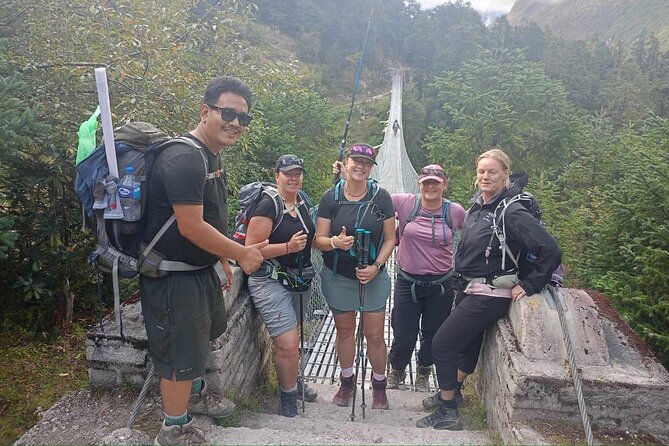
As you climb through the middle of the trek, the combination of altitude and culture gets more interesting. After Salleri, you’ll pass through a large Gurung village area (Phili is named in the route details) before reaching Jagat/Deng-style trail patterns again—river and ridge walking, then steady ascent.
On Day 6 toward Namrung, the trek is about 19 km and takes around 7–8 hours, with an estimated 1,100m ascent and about 150m descent. You’ll move through mixed pine and rhododendron forest, with small settlements like Bihi and Rana mentioned along the route. The key cultural cue here is Tibetan-influenced stone houses and the feeling that the region is its own world.
Lihi is a different flavor—less about big climbs and more about sustained, manageable altitude gain. The route lists around 700m of ascent and 100m of descent, plus terraced fields, forested switchbacks, and yak pastures. When you see yak country become part of the scenery, you start to feel the high Himalaya shifting from “approach” to “home terrain.”
Why this segment is valuable for you: it builds confidence. You get steady climbs, you learn how you handle long walking days, and your “what’s next?” anxiety stays low because each stage feels like it belongs to a bigger plan.
Shyala and Samagaun: Mani Walls, Pungyen Gompa, and Views That Aren’t Just for Postcards
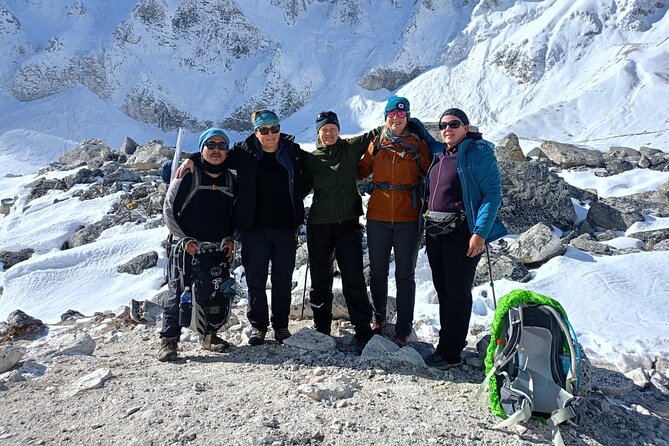
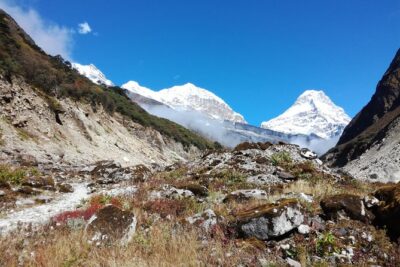
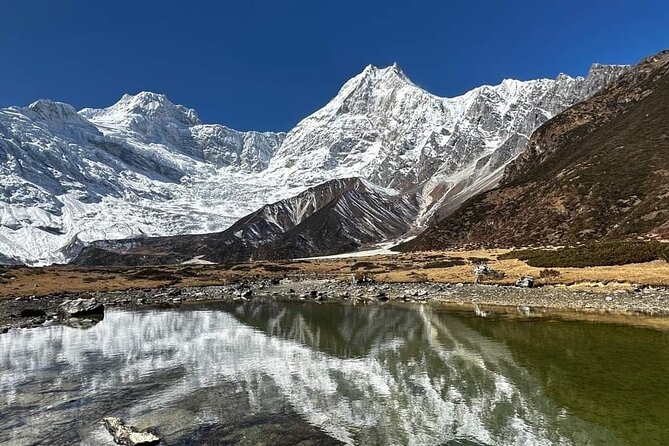
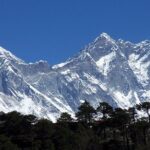
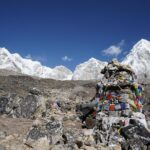
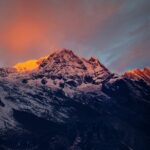
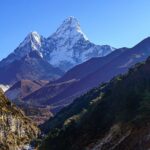
High-altitude villages start showing up around Shyala. The route describes Shyala as a high-altitude village surrounded by giants like Manaslu, Himalchuli, Peak 29, and Ngadi Chuli. You’ll hike through pine and rhododendron forests on the way, with mani walls along the trail that make the culture feel present rather than decorative.
After Shyala, you continue to Samagaon (often written as Samagaun in trek materials), where you’re walking about 17 km with roughly 500m of ascent. This is also where the experience turns more expansive: yak pastures, scrubland, and open views that feel closer and sharper than what you get in lower valleys.
One of the best uses of time here is the Pungyen Gompa outing. You’ll get a 3–4 hour roundtrip hike from Samagaun to a ridgeline monastery with sweeping views. It’s not just a detour. It helps you slow down and understand why this region feels spiritually “alive,” not only visually dramatic.
Small caution that matters: monastery hikes and village viewpoints can tempt you into longer stops than planned. Keep an eye on pace, especially if you’re breathing harder that day.
Samdo to Dharamsala: Acclimatization That Looks Short, But Actually Helps
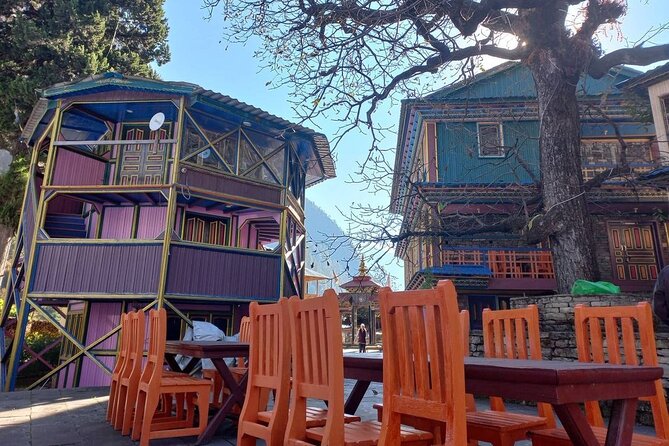
Once you’re into the Samdo and Dharamsala rhythm, the trek becomes more about altitude management than just distance. You start with a gentle descent to a wooden bridge over the Budhi Gandaki River, then the route climbs steadily past dry yak pastures and mani walls—signals that the high Himalaya environment is fully underway.
Then you move toward Dharamsala with a short but crucial acclimatization hike. The route frames it as “short,” but the whole point is to get your body used to altitude before tackling Larke Pass. Even if you don’t feel “that tired,” acclimatization days often work because they’re gentle enough to raise your altitude without frying you.
In other words: don’t treat these segments like rest days you can oversleep. You want your timing right, your water habits consistent, and your pace conservative.
Larke Pass Day to Bimthang: The Hard Day That Defines the Circuit
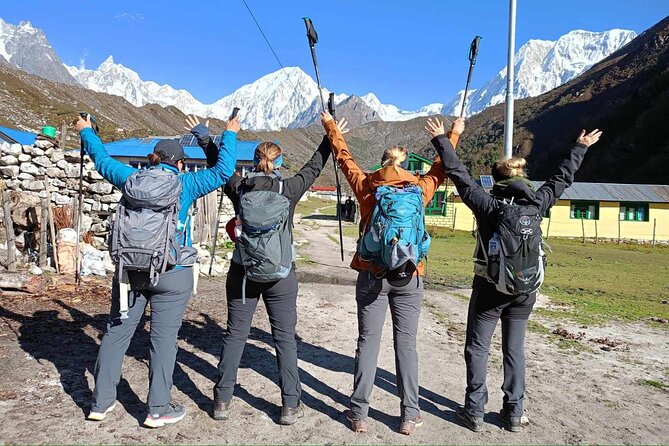
This is the day people remember—and it’s described as the most demanding and rewarding segment. You start before dawn from Dharamsala, and the trail begins with a steady uphill over rocky moraine and glacier-draped terrain. That “before dawn” start isn’t a gimmick. It helps with visibility and trail conditions when temperatures are low.
This is also the day tied to the Larke Pass crossing, with the approach built through the prior acclimatization. Starting earlier and managing pace becomes your advantage here. If you go out too fast, you’ll pay for it in the thin-air grind.
By the time you reach Bimthang, you’ve done the work that turns the circuit from a nice trek into a real Himalayan milestone. Even though Bimthang is a destination day, it’s still part of the bigger altitude arc—so keep your effort controlled, and don’t “celebrate” by skipping rest.
Dharapani Downshift: Forests, Yak Kharka, and the Feeling of Letting Go of Altitude
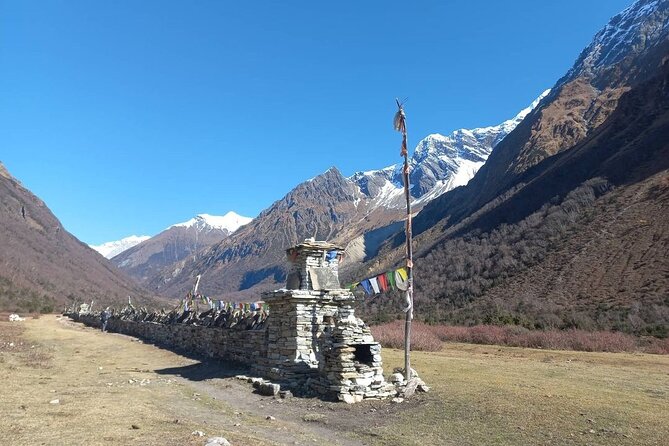
After the big pass effort, you transition into a different walking world. The trail descends through varied terrain, shifting from alpine scrub into dense pine, rhododendron, and oak forests. That change is more than scenic. It usually makes walking feel more sustainable because the environment turns cooler, greener, and less exposed.
Yak Kharka is named as a seasonal grazing area where herders bring live animals. It’s one of those moments that helps you understand the trail isn’t just a route—it’s a living corridor used by local livelihoods.
Then you reach Dharapani for the night. This sets up the exit day, when the trek finally hands you back to road travel and Kathmandu time.
Back to Kathmandu: Jeep Ride Reality, Then Thamel Again
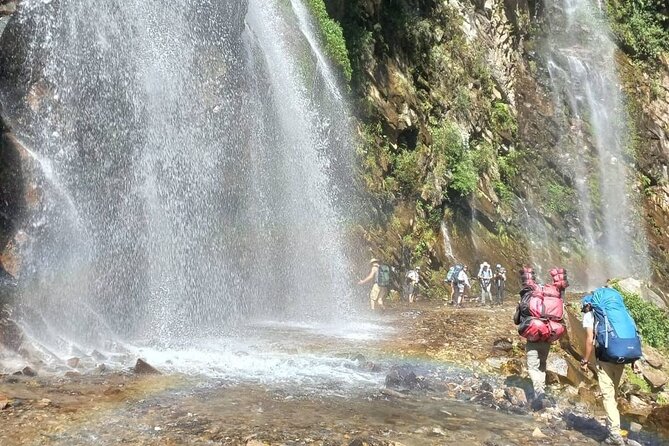
From Dharapani, you’ll board a shared jeep and travel toward Besisahar, described as bumpy but scenic. The route notes a drive along the Marsyangdi River and passes through areas like Tal village with cascading waterfalls. Road days can feel chaotic after days of steady trekking, so keep your expectations flexible.
On Day 15, depending on your flight time, you may have a few final hours to explore Thamel—souvenir shopping or a quiet café moment before your departure. The nice part about ending near your start point: you’re not scrambling to get across town right when you’re tired.
Price and Value: What $1,657.50 Buys (and What You Still Pay for Yourself)
At $1,657.50 per person for about 15 days, this trek is priced in the mid-to-higher tier range. The value comes from what’s included—especially the heavy logistics that can become stressful if you do them independently.
Here’s what you’re getting inside the price:
- Permits and fees: Manaslu Conservation Area Permit, Annapurna Conservation Area Permit, and the Special Restricted Area permit.
- Guiding and support: a government-licensed first-aid trained trek guide, plus an assistant guide per 5 trekkers.
- Porter support: overnight bag carried with a 2 trekkers to 1 porter ratio.
- Transportation: airport arrival/departure, and private transportation for the drop from Kathmandu to Machha Khola plus the return from Behisahar to Kathmandu; shared jeep between Dharapani and Besisahar.
- Lodging: a 3-star hotel with breakfast in Thamel, plus standard teahouses during the trek.
- Some meals: breakfast in Kathmandu (2 breakfasts are included total) and dinner (2 dinners total, as the welcome and farewell dinners).
What’s not included (and this matters for budgeting):
- Meals during the trek aren’t included, which means you’ll be buying lunch/dinner in teahouses as you go.
- Drinking water isn’t included; you’ll want a filter bottle or purification tablets.
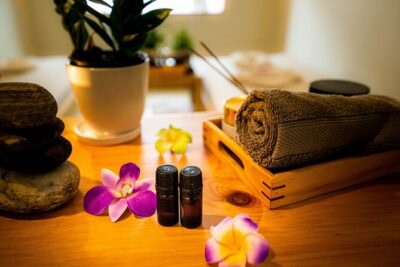
- Hot showers, Wi-Fi, and battery charging are available for an extra fee at most teahouses.
- Your own trekking gear and personal travel insurance (including emergency evacuation coverage).
So the real question for you is this: do you want a trek where the permits, staffing, and route logistics are handled, and you focus on walking and acclimatizing? If yes, the price makes sense. If you’re trying to keep costs ultra-low and you’re ready to DIY the uncertain bits, you might shop differently.
Who This Trek Suits Best (and Who Should Think Twice)
This trek suits you if you:
- have moderate fitness and can handle long walking days,
- like organized support without losing the remote, real-feel nature of trekking,
- want Tibetan-influenced culture, monastery time, and a serious pass crossing planned around acclimatization.
Think twice if:
- you’re not prepared for a demanding day before/at Larke Pass,
- you don’t have travel insurance that covers helicopter evacuation up to the trek’s highest altitude (your policy must cover evacuation up to 5200m as stated),
- you’re expecting included trail meals or included bottled drinking water.
Also: service animals are allowed, and the trek runs with a maximum of 15 travelers, which can help if you like quieter group dynamics.
Should You Book This Manaslu Circuit Trek?
I’d book this if you want a route that feels more remote than the biggest Nepal staples, but still runs with a safety-first team and clear planning. The combination of bundled permits, structured guide/porter support, and an acclimatization approach around Samdo and Dharamsala is exactly what helps on a circuit with a real high-pass day.
You might pass if you hate paying extra for trail meals and water, or if you don’t want to spend time on gear prep and arranging your own insurance. But if you’re comfortable planning ahead and want a thoughtful way into the Manaslu region, this looks like a strong fit.
FAQ
Do I need my original passport for this trek?
Yes. You’ll be required to provide your passport upon arrival because the original physical one must be presented to Nepal’s immigration department to issue the trek permits.
What conservation permits are included?
The trip includes the Manaslu Conservation Area Permit, the Annapurna Conservation Area Permit, and the Special Restricted Area Permit from Nepal’s immigration department.
Are meals included during the trek?
Not fully. Breakfast in Kathmandu and two included dinners are covered, but meals during the trek are not included.
Do I need travel insurance?
Yes. Travel insurance is not included, and you must have coverage that includes emergency evacuation. The provided requirement notes coverage up to 5200 m in altitude.
Is there a guide and porter support system?
Yes. You’ll have a government-licensed first-aid trained trek guide, an assistant guide per 5 trekkers, and porters to carry your overnight bag with a 2 trekkers to 1 porter ratio.
How big is the group size?
The trek has a maximum of 15 travelers.
Where does the trek start and end?
The meeting point is Thamel, Kathmandu 44600, Nepal, and the activity ends back at the same meeting point.
Are hot showers and Wi-Fi included?
No. Hot showers, battery charging, and Wi-Fi are available for an extra fee at most teahouses.