REVIEW · KATHMANDU
Kathmandu: Food and Drink Tour
Book on GetYourGuide →Operated by Himal Giri · Bookable on GetYourGuide
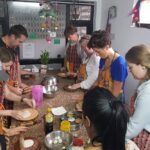
Kathmandu food is best learned on foot, not from a menu. This 3-hour experience from Kaiser Library turns 9+ tastings into a guided crawl of Thamel lanes, where street-side classics meet more old-style Newari favorites. I especially like how the momo-and-sauces variety is balanced with cultural stories, and I trust the focus on safe, clean choices from start to finish. The main catch: you’ll likely leave very full, so don’t plan a second big meal right after.
You meet in the right spot—outside Kaiser Library—so you’re not wasting time hunting directions. Kaiser Library is open Sunday to Friday with free entry, and you’re even able to visit while you wait. Just don’t mix it up with the Garden of Dreams, which is a different, paid location.
The tour runs with an English-speaking guide, plus Nepali, Hindi, or Chinese depending on your group, and it operates in all weather conditions. It’s also listed as wheelchair accessible, though you’ll still be doing a guided walking experience in the city’s older streets.
In This Review
- Key highlights to look for
- Kaiser Library to Thamel lanes: the start that keeps it easy
- Why $21 is actually good value for a Kathmandu food crawl
- What you’ll eat: momo, sel roti, and Newari snacks you might miss
- Momo and dipping sauce focus
- Sel roti and regional sweetness
- Newari snacks and the story behind them
- Drinks and refreshing breaks
- How the guide turns bites into Kathmandu stories (Deepak)
- The pacing: expect a walk, a progression, and a food coma
- Hygiene and safety: what “street food” should mean here
- Group vs private tour: pick the format that fits your pace
- Making it work in Kathmandu: practical tips before you go
- Who should book this, and who might skip it
- Should you book Kathmandu Food and Drink Tour?
- FAQ
- Where do I meet the guide?
- How long is the tour?
- How many dishes will I try?
- Is transportation included?
- What languages are available?
- Does the tour run in bad weather?
- What should I do if I have food allergies or dietary restrictions?
- Is free cancellation available?
Key highlights to look for
- Meet outside Kaiser Library (Thamel area): easy reference point, and entry to the library is free if you arrive early
- At least 9 Nepali samplings in 3 hours: you’ll get real variety, not just a single snack stop
- Momo, sel roti, and Newari snacks: classics plus regional favorites you may not find on your own
- Food stories from guide Deepak: calm, kind guiding with family and historical context tied to each bite
- Street-side but safety-minded: emphasis on hygiene and smart choices while you eat
- Option to take leftovers home: if you can’t finish everything, you may be able to wrap up extras
Kaiser Library to Thamel lanes: the start that keeps it easy
The experience begins at Kaiser Library, right where you can actually find it without turning your trip into a scavenger hunt. Wait in front of the library, keep your phone handy, and let the guide call you when they arrive at the start time. If you get there early, the library itself is open Sunday to Friday and free to enter, so waiting isn’t just standing around.
This matters because the heart of Kathmandu’s food scene is walkable, but not always obvious—alleyways, side streets, and quick transitions between places are part of the rhythm. Starting at a stable landmark means you can focus on the food plan instead of navigating crowds while hungry.
One practical note: you’ll see a lot of people in the Thamel area. Follow the safety instruction to avoid chatting with strangers who try to steer you away from your group. It’s a small step, but it helps keep the day smooth.
You can also read our reviews of more food & drink experiences in Kathmandu

Why $21 is actually good value for a Kathmandu food crawl
At $21 per person for about 3 hours, you’re paying for guidance plus multiple tastings—not just a single meal. The big value is that you’re not guessing what to order, where to go, or how adventurous you should get. You’ll taste at least 9 traditional Nepali samplings, with cultural insights tied to each stop.
If you’ve only got a short time in Kathmandu, this kind of structure helps. You’re not trying to piece together an itinerary from random reviews or translate unfamiliar dishes on the fly. Instead, you get a guided progression—so you’re more likely to try items you’d normally skip, like regional Newari snacks and foods such as sel roti.
Also, the portion reality is a real part of the value. People describe leaving stuffed, which tells you the tour isn’t stingy. If you like the idea of getting a lot of variety in one outing, this is the rare food tour that behaves like a full experience rather than a snack break.
What you’ll eat: momo, sel roti, and Newari snacks you might miss
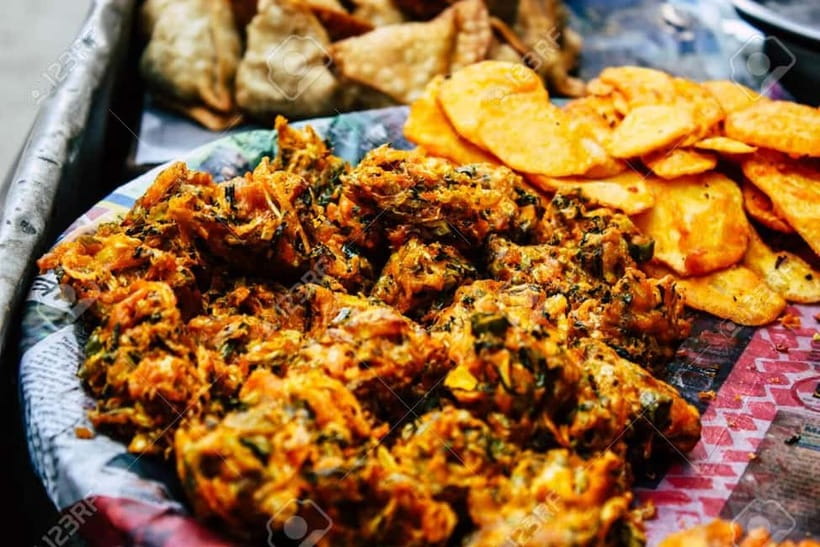
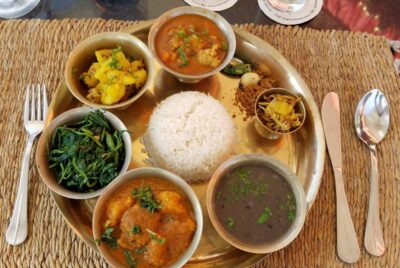
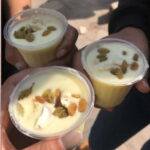
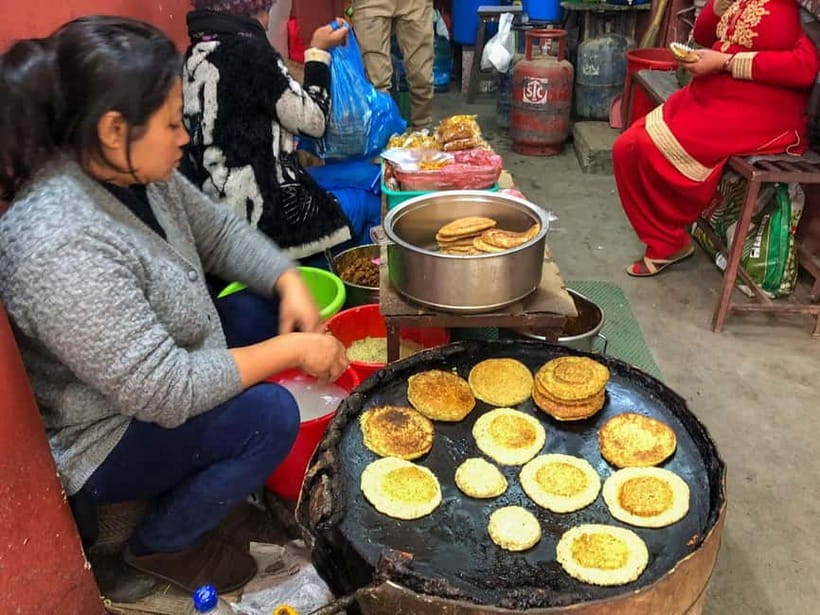
The core promise is simple: 9+ traditional Nepali dishes across the city’s culinary culture. Expect a mix of street-side favorites and more local, older-school foods you may not naturally order if you’re unfamiliar with the names.
Momo and dipping sauce focus
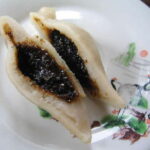
Momo is the star for a reason. You’ll get to try steamed momo paired with dipping sauces, and the sauce matters because it changes the whole bite. This is the kind of detail you can’t easily replicate on your own if you’re ordering from a place without guidance.
Sel roti and regional sweetness
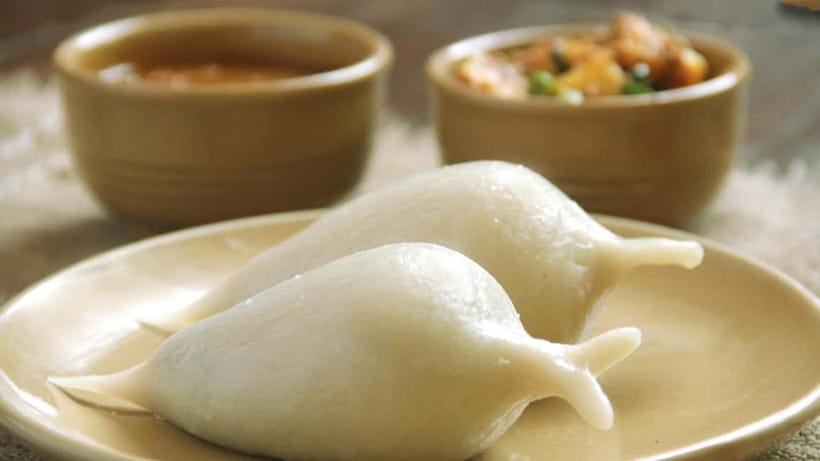
Sel roti is another highlighted dish, and it’s the sort of food that instantly signals regional identity. It’s not just another snack; it has a specific style and texture that shows up in Nepali eating patterns, especially around festivals and family meals.
You can also read our reviews of more tours and experiences in Kathmandu
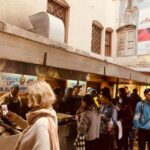
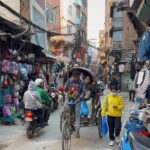
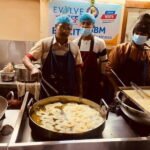
Newari snacks and the story behind them
Newari snacks are treated like a cultural thread, not just a tasting list item. You’ll learn what you’re eating and where it fits into local tradition—so the food connects to place, not just flavor.
Drinks and refreshing breaks
You can also expect drink options as part of the tasting rhythm. One described favorite is sugar cane juice, which works perfectly in warm weather and helps reset your palate between heavier bites. You may also run into beverage stops like tea or coffee along the way.
Bottom line: you’re covering Kathmandu food the way locals experience it—small plates across multiple stops—so you taste more than you’d probably order in one sitting.
How the guide turns bites into Kathmandu stories (Deepak)
The guide experience is a standout part of this tour. In particular, the guide Deepak is described as calm and kind, with a tour plan built from personal experience eating around Kathmandu. That’s not a small detail. When a guide has eaten at nearly every place in town, they tend to know what’s reliable, what’s clean, and what’s worth your time.
What I like most is the way the food gets explained. You don’t just get told what the dish is—you get the culture, the tradition, and the stories tied to each bite. That makes the tour feel like a mini crash-course in how Kathmandu thinks about food, hospitality, and community.
And yes, this kind of guiding often pays off outside the tour too. A good guide sends you off with better instincts for what to try next, where to go, and how to order more confidently.
The pacing: expect a walk, a progression, and a food coma
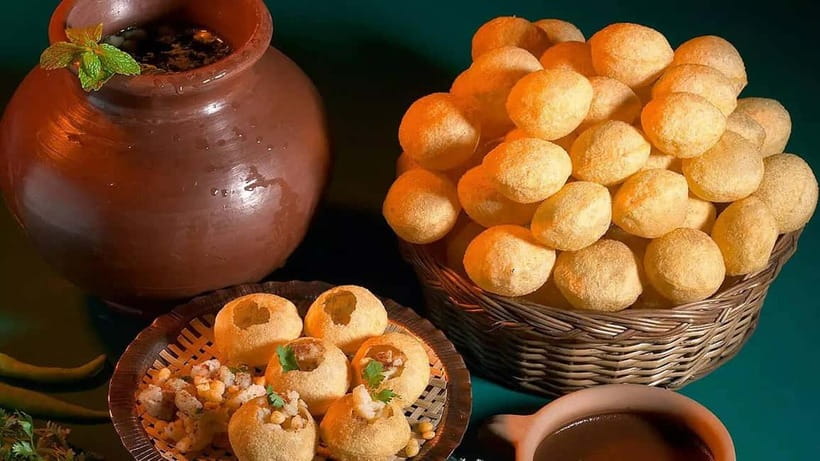
This is a 3-hour walking experience through Thamel and surrounding lanes. That means it’s not a sit-down meal. You should plan for a steady pace and short transitions between tasting spots.
The most common “heads up” is the amount of food. People describe being stuffed by the end—so come ready, but don’t start the tour at full stomach capacity. If you eat a heavy breakfast right before, you might end up fighting your own instincts to keep tasting.
A helpful tactic: drink some water before the tour and keep your walking energy up. If the route includes sweetness or fried items (common in snack-based food tours), you’ll enjoy the variety more if you pace yourself with sips of juice, tea, or coffee along the way.
One nice bonus: you may have the option to take remaining food home. That’s not something every food tour offers, and it can turn a stuffed outing into a second meal later.
Hygiene and safety: what “street food” should mean here
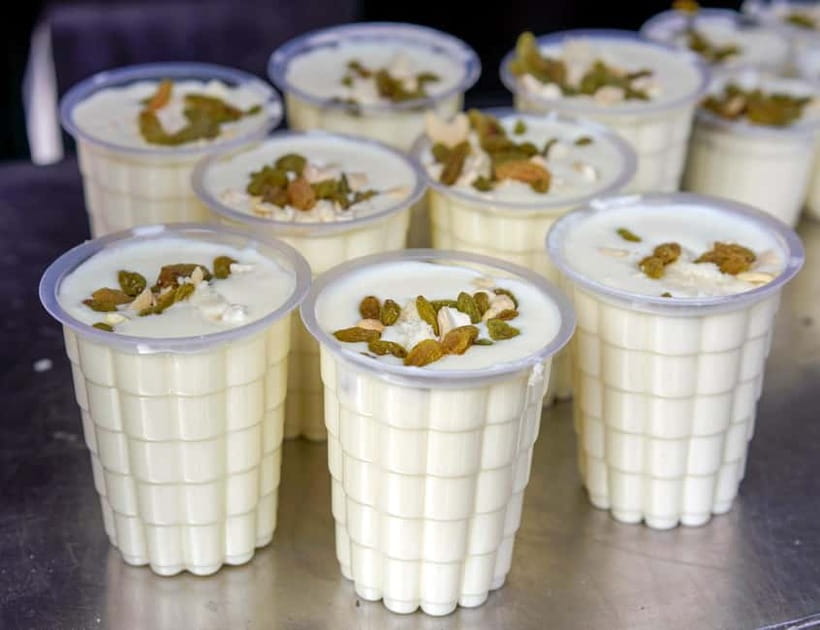
Street food can be a joy—or a gamble—depending on where you go. A key praised aspect here is food hygiene and the feeling that choices are made with safety in mind. The tour is built to help you eat confidently instead of rolling the dice with unknown stalls.
You’ll also get a basic safety briefing, and the meeting instructions include common-sense guidance like avoiding conversations with strangers who try to redirect you. None of this is dramatic. It just keeps the day focused on tasting rather than managing distractions.
And because the tour runs in all weather conditions, plan for the reality that you’ll be outside. Wear comfortable walking shoes. If it’s raining, having a light rain layer can make the difference between enjoying the route and wishing for a car.
Group vs private tour: pick the format that fits your pace

You can choose a group food tour or a private food tour, and that choice affects how personal the experience feels.
A group tour is great if you like conversation and enjoy shared energy while walking. It also tends to be a good fit if you want to meet other visitors who are also curious about Nepali food.
A private tour is better if you want more flexibility—like taking your time at certain tastings or asking extra questions without watching the group’s pace. Families may like private options too, especially if kids need slower transitions or extra breaks.
Either way, the guide languages listed include English, Nepali, Hindi, and Chinese, so communication tends to be manageable.
Making it work in Kathmandu: practical tips before you go
A few small prep steps can make this tour more enjoyable from minute one.
- Eat light beforehand. You’ll get at least 9 tastings, and many people leave full.
- Tell the guide about allergies or dietary restrictions. This is specifically part of the known guidance.
- Wear shoes built for walking. Kathmandu lanes can be uneven, and you’ll be moving for the whole 3 hours.
- Keep your phone available. The guide arrives at the start time and calls you when needed.
- Don’t mix up locations. Kaiser Library is your anchor; Garden of Dreams is a separate paid place.
If you’re bringing kids, this tour can still work—at least one family did it with a 12-year-old—because it’s structured with guidance and tastings rather than expecting you to translate a menu alone.
Who should book this, and who might skip it
This tour is a strong match if you:
- want to learn Nepali food through a guided plan (not random guessing)
- like eating multiple small dishes rather than one big plate
- enjoy food stories and cultural context
- want a short, high-reward activity in Kathmandu
You might skip it if you:
- hate walking or don’t want to deal with uneven city streets
- have strict dietary needs that are hard to accommodate (you can inform the guide, but this is still a food tour format)
- expect fine-dining plating and quiet courses—this is about street-side and local snack culture
Should you book Kathmandu Food and Drink Tour?
If you’re craving a fast, authentic food orientation to Kathmandu, I’d book it. 9+ tastings in 3 hours is a practical way to eat across different flavors and styles without spending your whole day figuring out where to go. The best sign is the emphasis on safe choices and the guide’s ability to turn food into stories—especially with Deepak’s calm, organized approach.
Just go in with the right mindset. Come ready to eat, wear good shoes, and accept that you’ll probably roll out feeling happily overfed. If that sounds like your kind of travel day, this one fits.
FAQ
Where do I meet the guide?
Meet in front of Kaiser Library. Waiting outside is fine, and the guide arrives at the start time and will call you. Kaiser Library is free to enter if you arrive early.
How long is the tour?
The tour duration is 3 hours.
How many dishes will I try?
You’ll have tastings of at least 9 traditional Nepali samplings.
Is transportation included?
No. Transportation to and from the meeting point is not included.
What languages are available?
The live tour guide can speak English, Nepali, Hindi, and Chinese.
Does the tour run in bad weather?
Yes. The tour operates in all weather conditions.
What should I do if I have food allergies or dietary restrictions?
Inform the guide of any food allergies or dietary restrictions before or during the tour so they can plan tastings accordingly.
Is free cancellation available?
Yes, you can cancel up to 24 hours in advance for a full refund.