REVIEW · KATHMANDU
Kathmandu: Local Women Lead Nepali Cooking & Momo-Making Class
Book on Viator →Operated by Luxury Holidays Nepal Pvt. Ltd. · Bookable on Viator
Spice shopping and momos, in just three hours. This Kathmandu class is a hands-on way to understand Nepali food culture, starting with a real market tour where you learn what ingredients matter and why. It also gives you a simple, traveler-friendly structure: pick ingredients, cook with guidance, and then sit down with your own results.
I love how the class begins with shopping so you’re not just memorizing recipes. I love the hands-on part too, especially when you’re working on momos dough and shaping skills instead of watching from the sidelines.
One thing to plan for: specialty or alcoholic drinks aren’t included, and tips aren’t included either.
In This Review
- Key highlights
- Thamel market to stove: how this 3-hour class really works
- Entering Thamel: the meeting point and getting there without stress
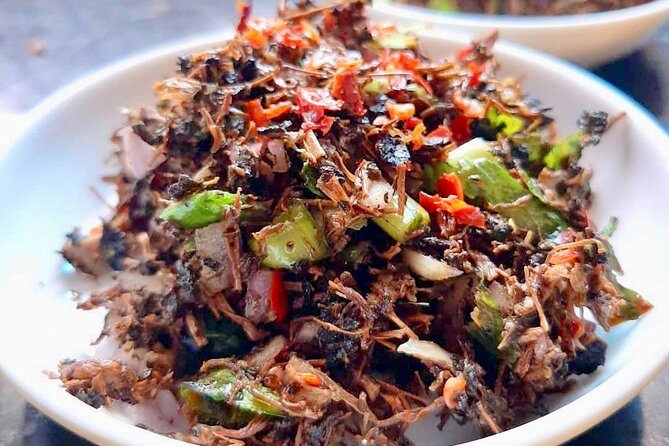
- The market/shop tour: spices, staples, and the Nepali logic of flavor
- Cooking with guidance: momos, dal bhat, and more at the stove
- Momo-making (the hands-on highlight)
- Dal bhat and the everyday comfort food side
- Nepali masala tea during the lesson
- Menu flexibility
- Taste session: eating what you made (and what to watch for)
- Price and value: why $35 can make sense in Kathmandu
- Who should book this momo and cooking class
- Practical tips before you go to Kathmandu Cooking Academy
- Should you book this Kathmandu cooking and momo class?
- FAQ
- Where is the class meeting point?
- How long does the cooking class last?
- What does it cost per person?
- Is hotel pickup and drop-off included?
- Do you visit a market as part of the class?
- What dishes and drinks are included?
- How many people are in a group?
- Is there free cancellation?
- Is it near public transportation and do I get a ticket on my phone?
Key highlights
- Thamel market-first format so you learn ingredients before the stove
- Hands-on momo-making plus other Nepali dishes during the lesson
- Small group size (max 8) for easier questions and more time at the workstations
- Masala tea is part of the session, not an afterthought
- You taste what you cooked right after finishing
Thamel market to stove: how this 3-hour class really works
Kathmandu food lessons can feel either like a quick demo or like an actual cooking workshop. This one lands in the useful middle: it’s short enough to fit into a busy day, but structured enough that you’ll do real prep and cooking instead of only taking notes.
The class runs about 3 hours, and it’s set up around a simple rhythm. You start at Kathmandu Cooking Academy in Thamel (the address is Yapikhya Marg, Kathmandu 44600), and the activity ends back at the same meeting point. If you select the option, you get hotel pickup and drop-off, which matters in Kathmandu because Thamel traffic and walking can be slower than you expect.
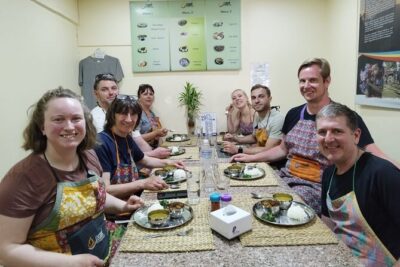
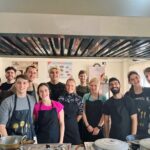
Inside, the group stays small—up to 8 people. That small size is a big deal for you if you want to ask questions while your dough is resting or while your spices are still blooming in oil. It also keeps the lesson from turning into a rushed conveyor belt.
Finally, the class includes a tasting session. That sounds obvious, but it’s not always the case in short cooking experiences. Here, you should expect to eat the dishes you prepared, not just sample a bite and go.
You can also read our reviews of more cooking classes in Kathmandu
Entering Thamel: the meeting point and getting there without stress
Thamel is convenient, but it can still be confusing when you’re new to Kathmandu lanes. The good news is this class is located right where many visitors already base themselves, and it’s listed as near public transportation. So you have options: walk in if you’re already around Thamel, or use transit/taxis to reduce the ankle-busting route.
Start point is: Kathmandu Cooking Academy | Nepali Cooking Class | Cooking Class in Thamel Kathmandu, Yapikhya Marg, Kathmandu 44600, Nepal. Plan to arrive a few minutes early. Even if you’re eager to cook, it helps to get settled so the market visit starts on time.
If you picked hotel pickup, treat pickup like a bonus rather than a guaranteed time-slot certainty. Kathmandu schedules can vary, so being near the pickup point early reduces any last-minute scrambling.
The market/shop tour: spices, staples, and the Nepali logic of flavor
The market portion is the part I like most, because it explains the food before the cooking begins. You’ll head out with the instructor and get a curated look at what you’ll actually use later.
Here’s what you’re training your eyes to notice:
- Spices and spice blends: not just names, but how they smell and how they’re used.
- Fresh produce and everyday staples: the ingredients that show up again and again in Nepali cooking.
- The shopping process itself: how you pick what you want for your chosen menu.
You also get the chance to buy the important ingredients for cooking. That’s useful for you if you like repeating meals later—because you’ll see what the ingredients look like and how they’re grouped in a real Nepali market, not in a labeled grocery aisle.
In the reviews, people specifically mention selecting menu items and going to buy ingredients themselves. That’s a great sign if you want this to feel less like a fixed script and more like a guided experience where you have some input.
A small consideration: markets can be crowded and your time window is limited. Since the overall class is about 3 hours, the market tour isn’t meant to become a long wander. Come ready to focus and ask questions, not to browse for everything under the sun.
Cooking with guidance: momos, dal bhat, and more at the stove
Once the market part ends, the class shifts from seeing ingredients to using them. This is where step-by-step instruction becomes your best friend.
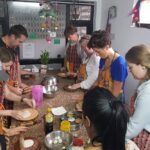
The cooking session is led by an experienced chef and instructor, and you’re working in a hands-on way. You’ll learn techniques through doing—kneading, shaping, simmering, and assembling. That matters because Nepali cooking depends on method, not just ingredient lists.
Momo-making (the hands-on highlight)
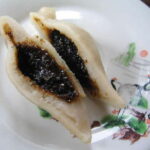
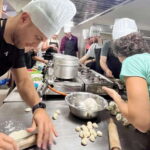
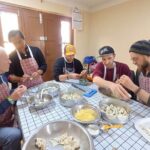
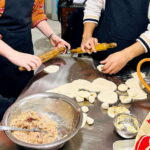
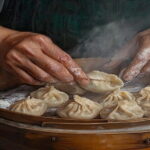
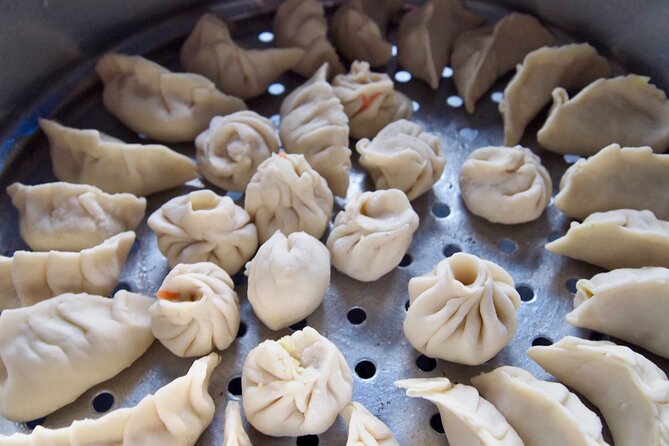
Momos are the big star of many Nepali food lessons, and this one focuses on the practical skills behind them—especially kneading dough and shaping. If you’ve ever tried making dumplings at home, you know the difference between a recipe and the actual feel of the dough. Here, you should get that real-time feedback from your instructor while you’re working.
If you’re cooking with others, the small group helps: you’re not waiting your turn while someone else gets all the attention. You’ll also likely have time to ask how to adjust dough consistency if it feels off.
You can also read our reviews of more tours and experiences in Kathmandu
Dal bhat and the everyday comfort food side
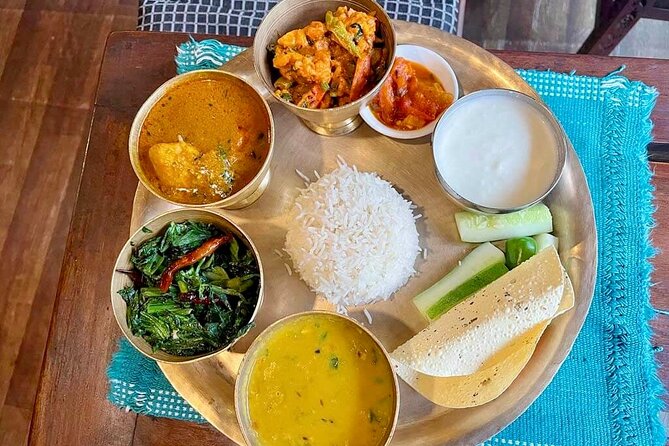
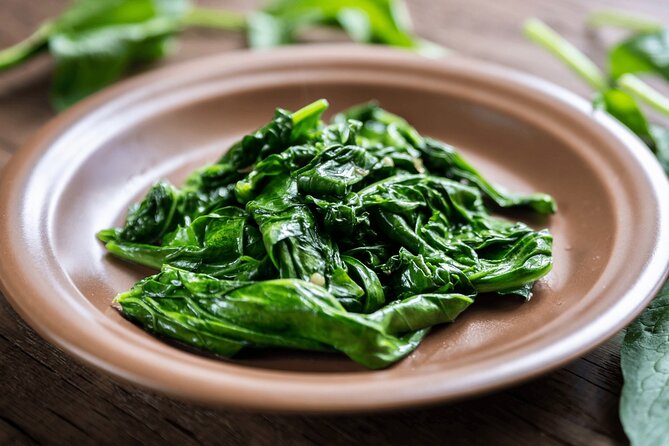
Dal bhat is one of the core comfort meals in Nepal, and the class includes simmering a pot of dal bhat-style food. That gives you a second skill set: managing flavors through simmering rather than quick cooking.
This part is great value for you because dal bhat teaches you a repeatable logic: how to build flavor, balance taste, and understand that everyday meals often use simpler techniques to create depth.
Nepali masala tea during the lesson
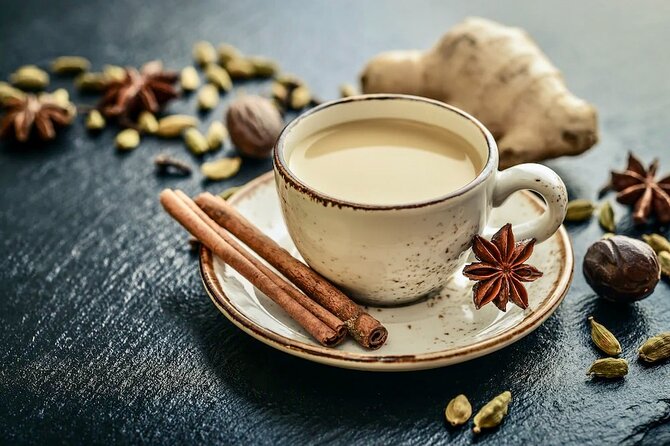
You also get Nepali masala tea as part of the experience. It’s not a separate stop; it’s worked into the lesson flow. For many people, this tea break is where the cooking rhythm resets—spices mingle in the air, and you get a pause that still feels connected to the food story.
Menu flexibility
The format supports choosing what you cook. Reviews mention choosing favorite menu items and then heading to purchase ingredients. You might not cook the exact same set as someone else in the group, but that choice increases satisfaction because you’re cooking what you actually want to eat.
Taste session: eating what you made (and what to watch for)
At the end, you gather to enjoy the food you prepared. That tasting session is where the experience turns from learning to reward.
A practical way to approach the tasting:
- Eat while the food is hot enough to taste the real texture (especially dumplings).
- Pay attention to spice balance. If something tastes stronger or milder than you expected, note what you think caused it—this helps if you try again later.
- Try to notice mouthfeel as much as flavor. Momo dough texture and the way dal settles are the two big “technique tells.”
Also, this class is a meal experience. So plan your day accordingly. You might not need a heavy lunch beforehand, depending on your schedule. If you do eat before, keep it light so you can taste properly at the end.
One more small note: specialty or alcoholic drinks aren’t included. You’ll still get masala tea, but don’t plan on a full bar or extra drink add-ons.
Price and value: why $35 can make sense in Kathmandu
At $35 per person, the math can work well when a class includes both learning and a proper meal at the end. What you’re paying for isn’t just the cooking itself—it’s the full package:
- Market/shop tour for ingredient selection
- Step-by-step teaching from an experienced chef and instructor
- Cooking equipment and accessories
- Tasting session of what you made
- Hotel pickup/drop-off if you choose the option
- Group size capped at 8 travelers
That’s a lot baked in for a short half-day length. If you tried to do this on your own, you’d need to do the market shopping, then figure out recipes, then learn technique. Even if you’re an adventurous eater, technique coaching is hard to replicate cheaply.
Who feels the value most? People who want a memorable Kathmandu day without spending half their vacation planning. Also food lovers who like to bring something home—because once you’ve seen and bought the ingredients, repeating the meal later becomes easier.
Who should book this momo and cooking class
This class is especially suited if you want an efficient Kathmandu activity that still feels authentic.
You’ll like it most if:
- You enjoy cooking and want direct guidance, not just watching.
- You like learning by doing—kneading, shaping, and cooking in real time.
- You want a social experience that’s small enough to ask questions.
- You prefer hands-on cultural activities that end with eating the result.
It might be less ideal if:
- You only want a casual tasting with no cooking effort. This is hands-on by design.
- You’re looking for a long market stroll and a full day of sightseeing. The market time is part of a short class window.
Practical tips before you go to Kathmandu Cooking Academy
A few small things can make your class smoother:
- Wear comfortable shoes. Thamel lanes and market walking can be uneven.
- Bring a reusable water bottle if you’re sensitive to hydration. The class includes tea, but you may want extra water while moving around.
- Plan for a focused, short day. The class is about 3 hours total, so treat it like a cooking block, not a flexible half-day.
- If you have dietary needs, confirm beforehand what can be accommodated. The menu choice format helps, but you’ll want clarity early.
- If you’re prone to getting hands messy, consider wearing sleeves you don’t mind adjusting.
Finally, don’t overthink the schedule. The meeting point is straightforward, and the activity ends back there. That makes it easy to continue your day in Thamel right after.
Should you book this Kathmandu cooking and momo class?
If you want a Kathmandu experience that’s practical, tasty, and not overly complicated, I’d book this. The biggest reason is that it teaches real technique—momo-making and dal bhat-style cooking—while giving you the ingredient context first through the Thamel market tour. You also get the best possible payoff: you eat what you made.
Book it especially if you like small groups and want a calmer, more personal class rather than a large group demo. The only clear downside is drink expectations: you should plan around masala tea being included, and specialty/alcohol drinks not being part of the package.
If your goal is to come home with food knowledge you can actually use, this is one of those Kathmandu half-day activities that earns its spot in your schedule.
FAQ
Where is the class meeting point?
The class starts at Kathmandu Cooking Academy | Nepali Cooking Class | Cooking Class in Thamel Kathmandu, Yapikhya Marg, Kathmandu 44600, Nepal, and it ends back at the same meeting point.
How long does the cooking class last?
The class lasts about 3 hours.
What does it cost per person?
The price is $35.00 per person.
Is hotel pickup and drop-off included?
Hotel pickup and drop-off are included if you select that option.
Do you visit a market as part of the class?
Yes. There is a market/shop tour where you buy important ingredients for cooking.
What dishes and drinks are included?
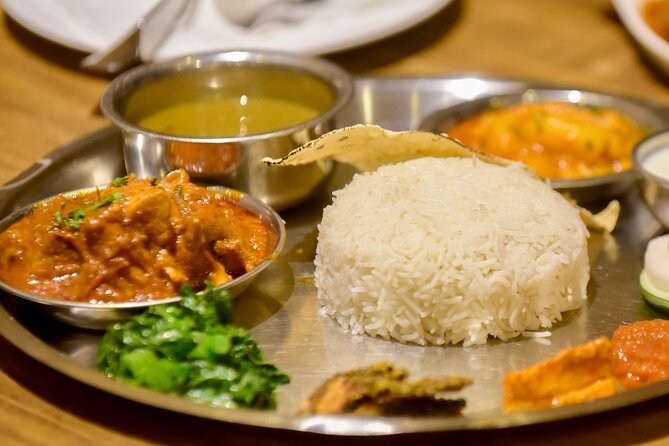
You’ll have a hands-on cooking session for different Nepali meals, including momos and dal bhat, and you’ll also have Nepali masala tea during the lesson. There is also a tasting session of what you prepared.
How many people are in a group?
This activity has a maximum of 8 travelers.
Is there free cancellation?
Yes, free cancellation is available. You can cancel up to 24 hours in advance for a full refund.
Is it near public transportation and do I get a ticket on my phone?
It’s listed as near public transportation, and it includes a mobile ticket.