REVIEW · KATHMANDU
Experiential Tour of Nepal.
Book on Viator →Operated by Himalayan Circuit · Bookable on Viator
Nepal moves fast, and this trip keeps up. This 12-day route strings together the best mix of culture, nature, and wildlife, with a round trip between Kathmandu, Chitwan, and Pokhara plus that classic Himalayas sunrise moment. The flow feels designed for real life: you get picked up, driven between key places, and guided through the parts that matter.
I especially like the private transportation. It means fewer headaches, less waiting around, and more time spent on what you came for. I also love the pairing of temples in Kathmandu with a hands-on wildlife safari in Chitwan, then finishing with mountain light in Pokhara.
One thing to plan around: weather matters. The sunrise experience is tied to conditions, and the itinerary can shift if conditions are poor.
In This Review
- Key highlights worth getting excited about
- Kathmandu temples and the smooth welcome in the city
- Chitwan wildlife safari: where the trip gets truly nature-forward
- Pokhara sunrise and Himalayas views: planning for early light
- The private-group advantage: fewer waits, more attention
- What the $1,290 price really covers (and how it stacks up)
- Practical packing and daily expectations for this Nepal mix
- Who this Kathmandu–Chitwan–Pokhara tour suits best
- Should you book this experience?
- FAQ
- What cities are included in this Nepal tour?
- How long is the tour?
- What is included in the price of $1,290?
- Is pickup included, and is it easy to reach the meeting point?
- Is this a private tour?
- Is travel insurance included?
- What happens if weather is poor for sunrise or the planned activities?
Key highlights worth getting excited about
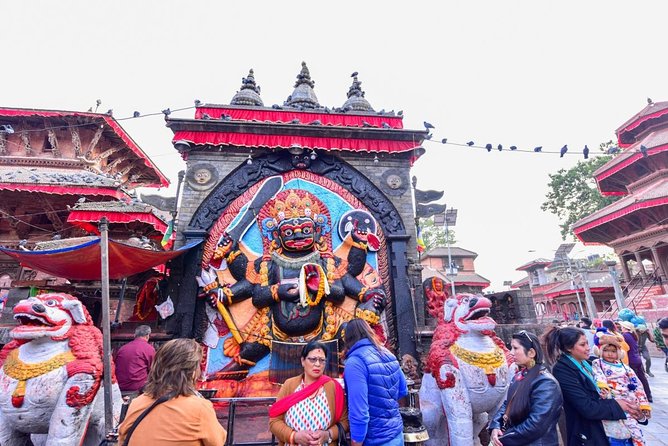
- Kathmandu culture focus: temple visits plus informative historical site time
- Chitwan wildlife safari: the trip centers on national-park wildlife viewing
- Pokhara Himalayas sunrise: early start, big visual payoff when skies cooperate
- Private-group setup: only your group participates
- Prakash and Anish-style hospitality: smooth welcome in Kathmandu and memorable small moments like Nepali food tips
- All fees and taxes included: you avoid the awkward guesswork budget-wise
Kathmandu temples and the smooth welcome in the city
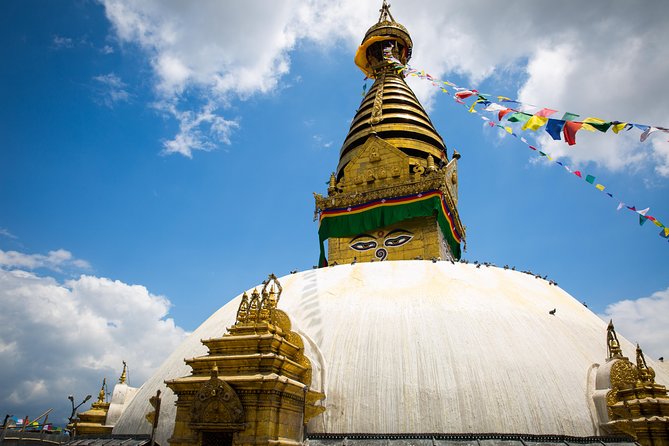
Kathmandu is where the trip finds its rhythm. You get the “first day” stuff handled well: a pickup, a direct handoff to the team, and time to settle in rather than getting lost in your own jet lag. In one account I saw, the welcome was led by Prakash, with a traditional greeting that immediately sets a warm, human tone instead of a rushed check-in.
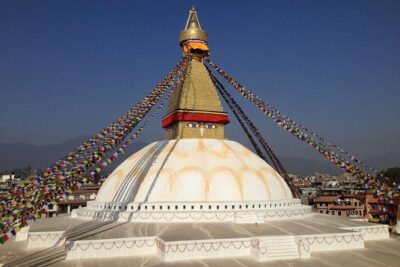
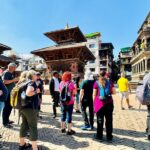
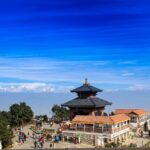
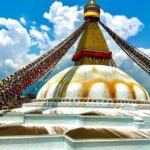
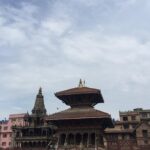
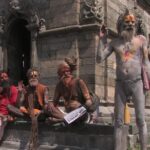
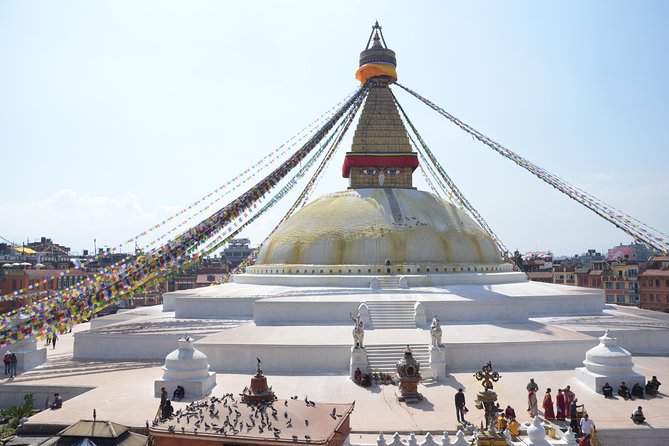
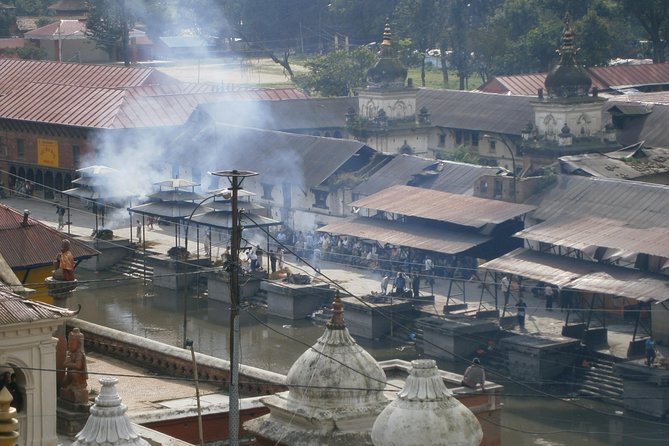
From there, Kathmandu isn’t just a quick photo stop. You’ll spend time visiting temples, and you’ll have guides who know how to explain what you’re looking at in plain terms. That matters. Temples can feel like scenery if nobody helps you connect symbols, layout, and everyday practice. Even the small “how to” moments land better when you’re not figuring it out alone.
There’s also a practical benefit here: the tour is near public transportation, so you’re not stuck in a private bubble. If you want to step out briefly for something you forgot or want to grab a snack before dinner, you can. And if you’d rather stay with the plan, pickup and private driving keep you from spending your precious energy bargaining with traffic and schedules.
The only caution in Kathmandu is timing and energy. A culture-heavy day can start to feel long, especially if you also want shopping, snacks, or extra viewpoints. The tour format helps, but you’ll still want to pace yourself and keep water in reach.
You can also read our reviews of more tours and experiences in Kathmandu.
Chitwan wildlife safari: where the trip gets truly nature-forward
Chitwan is the section of the trip that turns the volume down on city life and up on real-world nature. This is where wildlife safari time becomes the centerpiece, and it’s also where having private transportation pays off. You’re not piecing together rides or waiting on connections. You arrive, you go, and you spend less time in transit and more time doing the thing you actually booked.
What I like about the way this trip is structured is that it doesn’t treat wildlife as a bonus. It’s planned as a main event. A national park setting changes the whole tempo of your day. Instead of a checklist of sights, you’re watching for animal movement, reading the environment, and taking cues from your guide and the schedule.
Wildlife days also have a built-in reality check: you can’t control sightings. That’s not a flaw; it’s just nature. The upside is that the safari approach keeps you engaged even on slower moments. You’re out for a reason, and you’ll have support to make the experience smoother.
Another practical plus: because the tour is private for your group, your guide can keep the experience aligned with your pace. You’re less likely to feel swept along or rushed through. And because the itinerary is round trip from Kathmandu to Chitwan and onward to Pokhara, you’re not constantly resetting your plans.
If you’re sensitive to early mornings or long days, plan your sleep like it’s part of the itinerary. Safari days reward patience, and getting rest makes it easier to stay alert without turning it into a slog.
Pokhara sunrise and Himalayas views: planning for early light
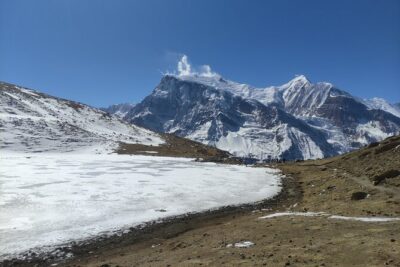
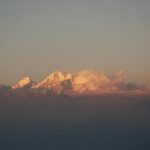
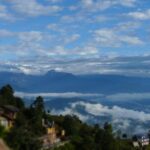
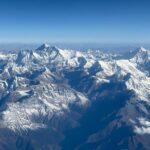
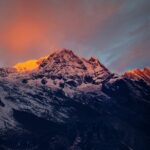
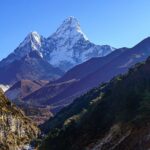
Pokhara is where the trip cashes in on the Himalayas. The big draw is a sunrise experience timed for those clear, early-morning skies when mountain views can look their best. It’s the kind of moment people remember because it feels different from regular sightseeing: the light changes quickly, and the mountains look like they have their own weather system.
This part is also why you need to take the weather requirement seriously. The tour notes that the experience requires good weather, and if conditions are poor, you’ll be offered another date or a full refund if it’s canceled due to poor weather. That’s exactly the kind of policy you want for a sunrise plan, because sunrise isn’t something you can fake.
What helps your odds is simple preparation:
- Wear layers. Morning air can feel cold even if afternoons warm up.
- Keep your plans flexible that day. If you’re exhausted, the sunrise moment becomes work instead of wonder.
- Bring something to protect you from wind or light rain if needed.
The best part of having this in the itinerary is pacing. You finish Chitwan and then move to Pokhara for the “slow, wide-open” payoff. It feels like a natural change of scenery instead of bouncing directly back to another hectic day.
If you’re the type who hates early starts, this is still workable because the rest of the days are structured. But you’ll want to accept that sunrise is the trade: a quiet early window for a dramatic payoff.
The private-group advantage: fewer waits, more attention
This is a private tour/activity, meaning only your group participates. That has real value on a trip like Nepal, where logistics can turn into a hidden tax if you DIY it. Private doesn’t just mean you’re alone with a guide; it means you’re not stuck coordinating your timing around other groups.
It also changes how your questions are handled. In a culture-and-nature trip, small misunderstandings happen: What should I wear? When should I move? What’s the meaning of what I’m seeing? With a private group, you’re more likely to get answers that match your pace and priorities, not generic “everyone together” guidance.
Another small but meaningful benefit is pickup and private transportation. You’re not spending your day watching the clock for a shared van or timing your food around delays. The tour includes private transportation, and that makes the day feel smoother even when the schedule involves early starts.
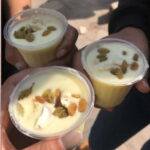
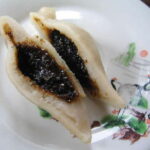
In Kathmandu especially, it can feel like the difference between experiencing a city and simply passing through it. In one set of experiences, the guide team went beyond basics and shared local touches, like Anish teaching a Nepali way to enjoy momos. Those moments are the kind you can’t reproduce alone from a phrasebook, and they make the trip feel more personal without turning it into a gimmick.
The one potential drawback of private tours is cost. You’re paying for your group’s time, comfort, and handling. But with the itinerary covering multiple major regions—Kathmandu, Chitwan, Pokhara—and including transport and fees, the private setup is part of what makes the package feel like a real deal.
What the $1,290 price really covers (and how it stacks up)
At $1,290 for about 12 days, the headline price can look either high or fair depending on how you travel. Here’s the practical way to judge value: this package includes private transportation plus all fees and taxes. That matters because in Nepal, “cheap” can become expensive when you add drivers, park fees, guides, and the little add-ons that pop up at each stage.
If you were to plan this yourself, you’d likely spend money in three buckets:
- getting reliable ground transport between cities and activities
- paying for access and entry fees tied to the program
- paying for guided interpretation for cultural stops and the safari experience
This tour bundles those categories, so you don’t have to keep switching contexts or negotiating each piece separately. That reduces stress and protects your time, which is usually the most expensive part of travel.
What’s not included is travel insurance. That’s common, but it’s worth stating clearly: build insurance into your pre-trip budget if you need it for medical coverage, trip interruption, or lost belongings.
Also note that the tour’s design includes weather sensitivity for sunrise plans. You’re not just buying a date on the calendar; you’re buying a plan that accounts for reality, with a refund or alternate date if canceled due to poor weather.
Practical packing and daily expectations for this Nepal mix
This itinerary mixes city culture, wildlife time, and mountain sunrise. That means your “day-to-day life” needs differ by region, even if the transport is handled for you.
Here are the practical things I’d plan for:
- Early mornings: Sunrise in Pokhara means you’ll likely start before the day feels awake.
- Variable weather: The tour explicitly requires good weather for the experience, so you should expect that forecasts can influence how the day unfolds.
- Temple etiquette: You’ll be visiting temples, so plan for respectful behavior and comfortable shoes. If you’re uncertain about rules, ask your guide before you head in.
- Smart comfort choices: Safari days and driving days benefit from breathable layers, a good day bag, and water you can access easily.
Fitness-wise, the info says most travelers can participate. That’s encouraging if you’re not doing a heavy multi-day trek. Still, you should expect some walking inside temple areas and time outdoors during safari and sunrise windows. If you have mobility concerns, plan to confirm the pace with the provider before you book.
One more practical note: because the tour is near public transportation and includes pickup, you have options if you want to tweak small parts of your day. Keep expectations realistic. You can adjust around comfort, but safari and sunrise timing are not “move it whenever” moments.
Who this Kathmandu–Chitwan–Pokhara tour suits best
If you want a Nepal trip that covers the big three—culture, wildlife, and Himalayas sunrise—this format is built for you. It’s a round trip through Kathmandu, Chitwan, and Pokhara, which means you’re focusing on high-impact regions without trying to squeeze in everything.
This tour tends to fit well if:
- you prefer a guided experience over self-planning
- you value private handling and smoother logistics
- you want wildlife time without needing an extended trek
- you like the idea of starting your mountain day with sunrise views
It may be less ideal if:
- you need guaranteed sunrise conditions in any weather scenario (the tour is clear that good weather is required)
- you’re comfortable doing your own transport and figuring out fees and timing
- your budget is extremely tight and you’re comparing against DIY costs only
The strongest theme I see in the feedback is how personal the service feels. People highlight smiling, helpful team members and praise how well the team coordinates transportation and the overall flow. That’s exactly what you want when you’re moving between regions and expecting nature to do its own thing.
Should you book this experience?
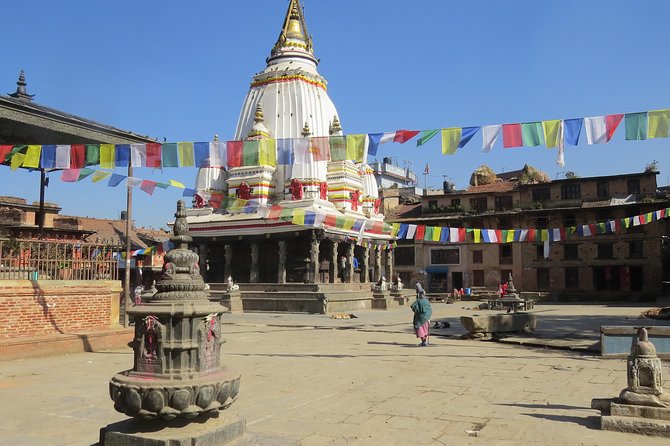
I think you should book this tour if you want a practical, well-managed Nepal highlight circuit: Kathmandu temples, Chitwan wildlife safari, and Pokhara Himalayas sunrise, all supported by private transportation and included fees. It’s also a smart choice if you want fewer logistics headaches and more time actually experiencing Nepal.
Skip it or ask more questions first if you’re booking only for a guaranteed sunrise outcome or if you know you’ll struggle with early mornings and outdoor waiting. Weather is the main variable, and the tour is upfront about that.
If your travel style is comfort-first but still authentic—meaning you want real cultural moments, not just quick stops—this package is a solid bet.
FAQ
What cities are included in this Nepal tour?
The experience is a round trip covering Kathmandu, Chitwan, and Pokhara, with temple visits and wildlife safari time, plus a Himalayas sunrise experience in Pokhara.
How long is the tour?
It runs for approximately 12 days.
What is included in the price of $1,290?
The price includes private transportation and all fees and taxes.
Is pickup included, and is it easy to reach the meeting point?
Pickup is offered, and the experience location is near public transportation.
Is this a private tour?
Yes. It’s a private tour/activity, and only your group will participate.
Is travel insurance included?
No. Travel insurance is not included.
What happens if weather is poor for sunrise or the planned activities?
The experience requires good weather. If it’s canceled due to poor weather, you’ll be offered a different date or a full refund.