REVIEW · KATHMANDU
Everest Base Camp Trek
Book on Viator →Operated by Himalayan Holyland Treks and Expedition · Bookable on Viator
Everest starts with a short, scary flight. This classic trek sends you into Sagarmatha National Park and pushes toward the big payoff at Kala Patthar, with monastery stops and glacier scenery along the way.
I especially like the way this trek manages effort through its pacing. You get an acclimatization day in Namche Bazaar, then steady climbs to Dingboche and Lobuche instead of rushing upward. I also love that your tea-house accommodation and three meals a day are included, plus hot soup at higher elevations, so you’re not constantly making food logistics decisions.
The main drawback to consider is the altitude grind and the early, demanding days—especially the morning climb to Kala Patthar—and that can be harder if you’re not already in solid hiking shape. Also, flights to and from Lukla are weather-dependent, so you’ll want some flexibility in how you think about timing.
In This Review
- Key Highlights Worth Your Attention
- First Morning in Kathmandu: that 5:15 am start
- Lukla to Phakding and Onward to Namche: where the trek starts to feel real
- Namche to Tengboche: rhododendron forest, big monastery energy
- Tengboche to Dingboche and the step up to high-country villages
- Dingboche to Lobuche to Gorakshep: the day you plan for Everest Base Camp
- Kala Patthar: the early climb that makes the hard days worth it
- The descent back: Tengboche, Manjo, and the Dudh Koshi crossing
- Flight back to Kathmandu and a chance to breathe
- Price and Logistics: what $2,500 covers, and what you still handle
- Guide Support: why attentiveness matters on Everest country
- Who should book this EBC trek, and who should think twice
- Should you book Everest Base Camp Trek with Himalayan Holyland?
- FAQ
- Where is the meeting point and when does the trek start?
- What does the tour include during the trek?
- Are international flights included in the price?
- Do I need a visa for Nepal?
- Is travel and rescue insurance included?
- Can I cancel and get a full refund?
Key Highlights Worth Your Attention
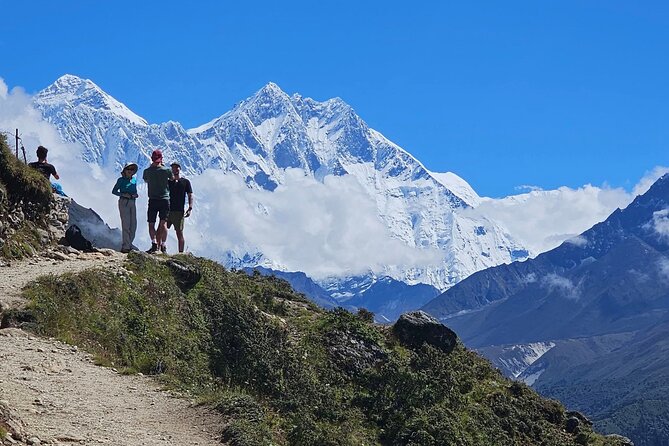
- Kala Patthar timing for top views: a morning climb day set up specifically for the best Everest-region panoramas.
- Acclimatization built in: a full day in Namche Bazaar to help your body adjust before higher villages.
- Meals and tea-house beds included: three times meals during the trek and hot soup in higher places.
- Real porter support: a porter service arranged at 2 trekkers per 1 porter, which matters on steep sections.
- Strong local handling: private vehicle pickups and drops at both international and domestic legs (with guided support on arrival).
First Morning in Kathmandu: that 5:15 am start
If you book this trek, your trip begins fast. You meet at Tribhuvan Airport in Kathmandu at 5:15 am, and the company includes airport pickup and drop in private vehicles for both international and domestic flight legs. That kind of handoff is valuable here because the first day runs on tight timing, and you don’t want to be chasing directions with jet lag and a backpack.
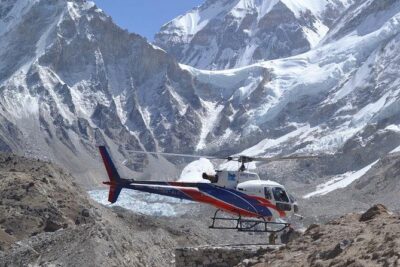
Then comes the nerve-jolt part: the domestic hop to Lukla is only about 25 minutes, but it’s famous for being dramatic, and your day’s energy will depend on how that flight goes. After landing, you switch from airplane mode to trail mode right away with a trek to Phakding.
Practical note: the tour includes a professional guide for trek and sightseeing, and it’s a private tour with only your group. That matters on trek days, because you can ask questions without feeling like you’re competing for attention in a big crowd.
You can also read our reviews of more hiking tours in Kathmandu
Lukla to Phakding and Onward to Namche: where the trek starts to feel real
Day 1 is short by trek standards but not by emotion. You fly Kathmandu to Lukla, then hike about 3 hours to Phakding (around 2,650 meters). You’ll walk past forests and Buddhist monasteries, and if the weather is clear, you may get views of Kanguru Peak (6,367 meters). Even when you don’t catch the peak, the region’s mix of trail, villages, and stone-and-stupa atmosphere is a great on-ramp.
Day 2 climbs to Namche Bazaar. Expect about 6 hours of trekking, arriving near 3,440 meters. This is where trails start narrowing into a real workout rhythm. The day includes passes through perennial river sections, villages, and waterfalls, with a lunch stop along the way. You’ll also pass places where you might see Mount Everest from viewpoint areas like Top Danda near Namche Bazaar—not the full summit view, but the kind that keeps your brain interested when your legs start bargaining.
Day 3 is your acclimatization day in Namche Bazaar (also around 3,440 meters). Instead of calling it a rest day with nothing to do, the plan gives you options: hikes around the town area, viewpoints like Everest View Point, and chances to explore places such as the Sagarmatha National Park museum. You can also do practical stuff like shopping for souvenirs. I like that this day is structured. It turns acclimatization into something you can actually use, not just something you endure.
Namche to Tengboche: rhododendron forest, big monastery energy
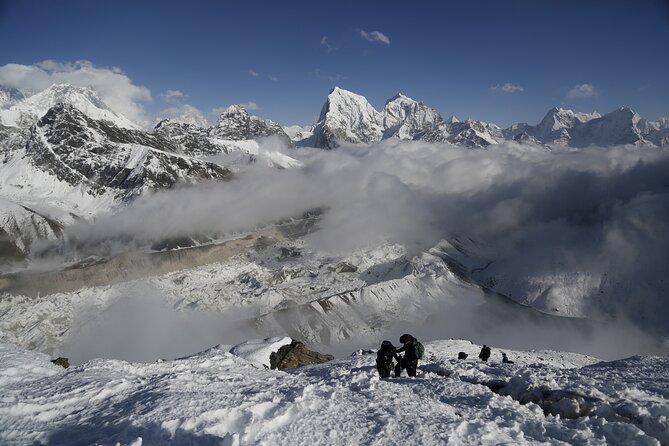
After Namche, the trek moves toward Tengboche at about 3,860 meters. The walk takes around 5 hours. You’ll cross rhododendron forest and follow river-side sections on the way. That combination is a nice change from the earlier village-and-river rhythm.
Then you reach Tengboche, and the highlight is the Tengboche monastery. This stop is more than photo time. You’re walking into a community space where monks and locals follow long-standing traditions. On trek days, this kind of cultural pause can make your effort feel connected, not just mechanical.
This is also a night where tea-house lodging becomes part of the whole experience. Since accommodation and meals are included, your focus stays on rest and recovery instead of figuring out dinner options with limited time and thinning daylight.
Tengboche to Dingboche and the step up to high-country villages
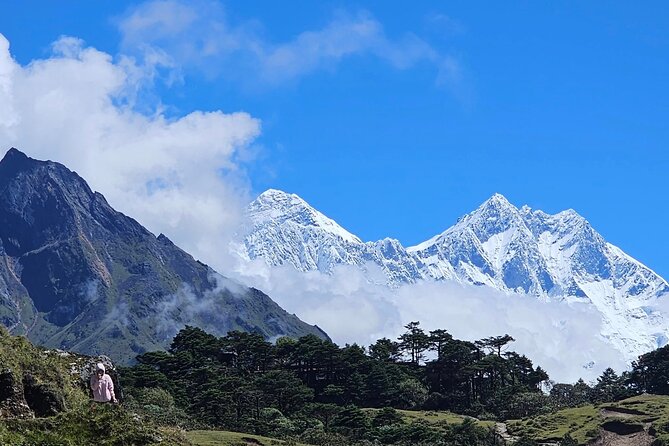
Day 5 takes you to Dingboche, about 4,400 meters, with roughly 5 hours of hiking. You’re leaving the Tengboche area and heading deeper into the higher Khumbu region. The plan includes meal breaks and village stops along the route, with dinner in Dingboche.
What I like about this stage is the way it transitions from forest-and-monastery scenery to broader high-mountain views. You’ll be looking at towering peaks in the distance more often, and that makes the long stretches feel shorter because your eyes keep finding new shapes.
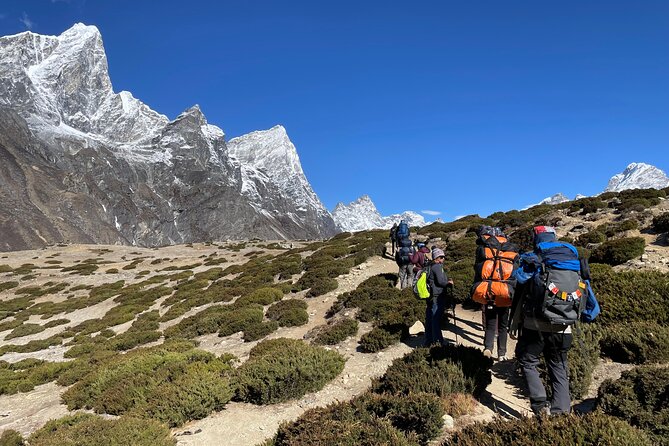
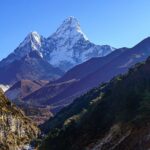
Day 6 continues the climb to Lobuche (around 4,910 meters) with about 4 hours on paper. In real trekking terms, expect steady effort even if the time looks manageable. Along the way, the route keeps you surrounded by notable peaks in the wider view—places like Nuptse, Island peak, Lobuche peak, and Taboche peak show up as part of the panorama.
Dingboche to Lobuche to Gorakshep: the day you plan for Everest Base Camp
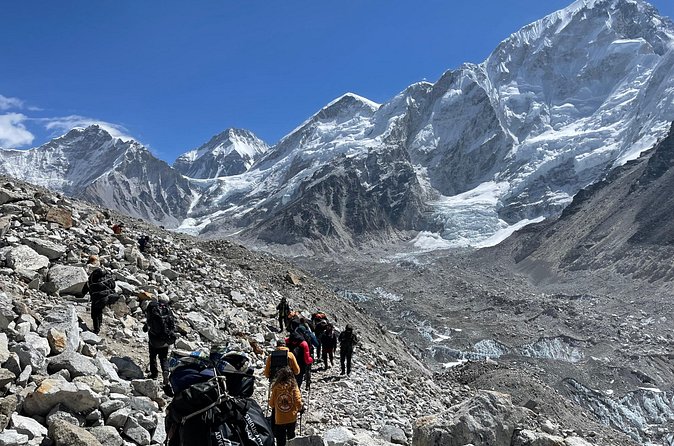
Day 7 is a key turning point. You trek from Lobuche to Gorakshep (about 5,150 meters) in around 3.5 hours, then you head to Everest Base Camp and back, with time for photos and the emotional “this is real” moment.
Here’s what stands out about this segment: the plan doesn’t just point you toward Base Camp. It also includes the lead-up to Gorakshep and the walk toward Everest Base Camp at about 5,364 meters. That matters because Everest Base Camp is not a single, short walk from your doorstep. It’s a process day, and having meals and a night planned at Gorakshep helps keep you from scrambling for logistics.
You’ll follow a steep trail to Gorakshep, then after lunch you hike onward, passing glacier scenery such as a small glacier and lake areas before reaching Base Camp. The glacier element is part of why this feels different from earlier days—you stop seeing only villages and start seeing a world shaped by ice.
Even if you’re not chasing the summit fantasy, this is the day where the trek earns its reputation.
Kala Patthar: the early climb that makes the hard days worth it
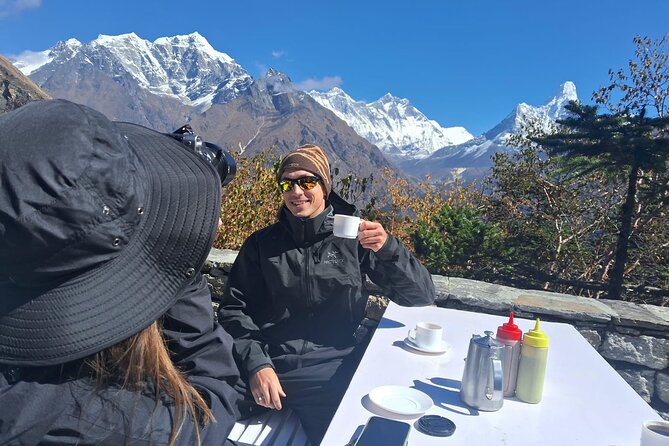
Day 8 is your Kalapatthar climb day. You start very early to reach the view point, with the hike taking about 3 hours up, then you descend toward Lobuche in about 2.5 hours.
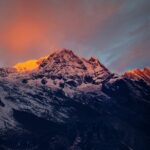
This is the classic payoff moment. The plan explicitly calls out that the views of Mount Everest from Kala Patthar are exceptionally exquisite. That’s not just marketing language—it’s the reason trekkers plan for this day with the kind of seriousness you usually reserve for exams and plane boarding lines.
I also like how Day 8 is set up for both experience and practicality. You get the climb, then you return to a place where you’re set up for a full recovery night.
The descent back: Tengboche, Manjo, and the Dudh Koshi crossing
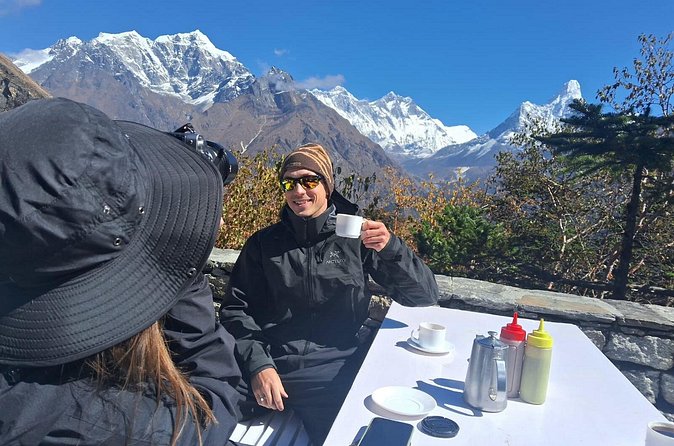
Going down can feel easier until your legs realize you’re still hiking. Day 9 brings you back from Labuche (listed as Labuche in this plan) to Tengboche in about 5.5 hours. This is the return walk where your pace might feel better, but your knees and ankles will feel it more. Along the way, you’ll pass places like Pangboche and Deboche for lunch, with monasteries, stupas, bridges, and river sections continuing to add variety.
Day 10 heads to Manjo via Namche Bazaar (about 6 hours). You’ll start with about an hour of rhododendron forest walking, then lunch at Namche Bazar, then continue via Jorsalle village to reach Monjo. This day is a good example of how the trek keeps giving you cultural breadcrumbs even when you’re focused on movement.
Day 11 is your last real trail day: Manjo back to Lukla in about 5 hours. The plan includes crossing the Dudh Koshi River on a suspension bridge and walking alongside the drive area for a bit before arriving in Lukla. The bridge adds drama at the end of the trek, and it’s a nice reminder that you’re transitioning back from high-country walking toward the regular world.
Flight back to Kathmandu and a chance to breathe
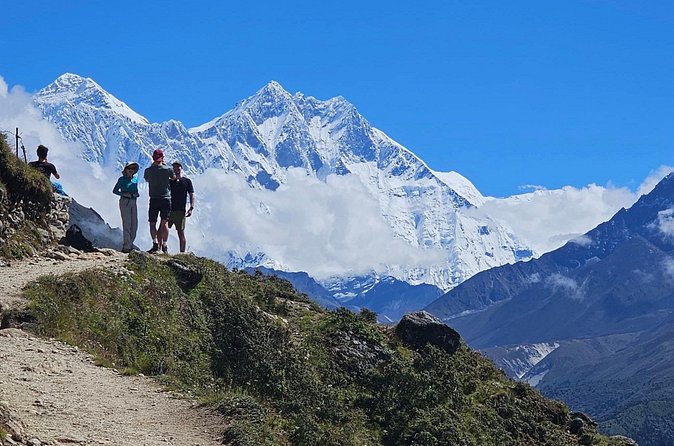
Day 12 is simple on paper: a short flight from Lukla to Kathmandu (about 25 minutes), then you’re escorted by a company agent to a hotel via a private car. After you refresh, you can explore Thamel, which is a practical place to spend your last night because you’ll find food, gear shops, and easy logistics.
Since you get a farewell dinner in Kathmandu during the program, I like that the experience doesn’t end on an abrupt note. It gives you a wrap-up moment before you return to the city’s energy.
Price and Logistics: what $2,500 covers, and what you still handle
At $2,500 for a roughly 12-day trek, you’re paying for more than the trail. You’re paying for the infrastructure that makes this trek workable:
Included items you’ll feel most:
- Private airport pickup and drop for both international and domestic legs (in private vehicles).
- Tea-house accommodation during the trek.
- Three meals a day during the trek.
- Hot soup in higher places.
- Transportation as per the itinerary, plus the domestic flight legs.
- Professional guide for trek and sightseeing.
- Porter service arranged as 2 trekkers to 1 porter.
- Insurance for guide and porters, plus government and local taxes.
- A farewell dinner, a trekking map, a trip completion certificate, and a t-shirt.
What’s not included (so budget carefully):
- Nepal visa.
- International flights to and from Kathmandu.
- Travel and rescue insurance for clients (you’ll need your own).
- Personal expenses like hot showers, battery charging, bar bills, and laundry, plus water-related costs.
- Tips for your guide and porters.
- Extra Kathmandu nights outside the plan.
Value check: paying $2,500 makes sense if you want a guided, pre-arranged setup where your daily decisions are reduced. The included porter ratio and meal plan help most on days when your brain is tired. If you prefer fully independent trekking, you could likely do it cheaper, but you’d be trading off planning time and the support that makes altitude trekking feel less chaotic.
Guide Support: why attentiveness matters on Everest country
The trek is physically hard, but it’s also mentally demanding—especially on the days that start early. In the feedback provided, guides were described as present and supportive, including a guide named Jangbu for another trekking experience and Ajay for airport-to-airport care. That kind of responsiveness matters on a route like this because small problems—late information, unclear guidance, forgotten needs—turn into bigger stress at altitude.
So when you’re evaluating this company, look at how they treat the edges of the trip: the airport handoffs, the daily guidance, and how quickly you get help when something feels off.
This is also where private group setup helps. When only your group is involved, your guide can work at the speed your team needs.
Who should book this EBC trek, and who should think twice
This trek is a strong match if you want:
- A classic Everest Base Camp route with the big view day at Kala Patthar.
- A plan that includes acclimatization and a structured climb.
- Tea-house lodging and meals handled, so you can focus on hiking.
- Support via a professional guide and porter service.
Think twice if:
- You’re dealing with health limits that make early mornings and steep terrain risky, because Kala Patthar is not a casual walk.
- You rely on fully predictable flight timing. Lukla flights can be weather-sensitive, and the plan centers the trek around those scheduled legs.
- You hate planning costs beyond the tour price, because personal expenses like battery charging and hot showers are on you.
Should you book Everest Base Camp Trek with Himalayan Holyland?
My take: if you want a turnkey Everest Base Camp trek with clear structure, this is the kind of package that helps you move through the mountains without constant logistics headaches. The included meals, tea-house accommodation, porter support, and private transfers are the big practical wins, and the guide support described in feedback suggests the company pays attention to daily needs.
I’d book it if you’re aiming for the full EBC experience including Kala Patthar, you’re in at least moderate hiking shape, and you’re comfortable with the altitude reality.
I’d hesitate if you want the cheapest possible route or if you know you struggle with early starts and steep descents.
FAQ
Where is the meeting point and when does the trek start?
You meet at Tribhuvan Airport in Kathmandu, Nepal at 5:15 am.
What does the tour include during the trek?
Tea-house accommodation is included, along with three meals a day during the trek and hot soup in high places. You also get a professional guide, porter service (2 trekkers per 1 porter), and the necessary transportation as per the route.
Are international flights included in the price?
No. The tour includes airport pickup and drop for international flight legs, but international flights to and from Kathmandu are not included.
Do I need a visa for Nepal?
Yes. A Nepal visa is not included.
Is travel and rescue insurance included?
Insurance for the guide and porters is included, but travel and rescue insurance for clients is not included.
Can I cancel and get a full refund?
Yes. You can cancel up to 24 hours in advance for a full refund.