REVIEW · KATHMANDU
Annapurna base camp -9 days
Book on Viator →Operated by NEPAL LION TOURS AND TREKS PVT LTD · Bookable on Viator
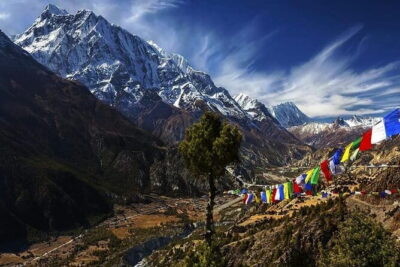
Annapurna Base Camp starts with a view. This 9-day route builds from Poon Hill into the Annapurna Sanctuary, with standout scenery like Himchuli, Annapurna South, and Mt Fishtail along the way. I like the licensed English-speaking guide and included permits/paperwork, because that removes real stress when altitude and timing matter. One consideration: the package doesn’t include your porter, which is an extra cost ($220 per person), and the trek is still physically demanding even with a good plan.
What makes this itinerary feel special is the way it mixes classic trekking scenery with village life. You’ll move through Gurung and Magar communities, winding along rhododendron forests and terraced fields before you enter the more barren, high-altitude “sanctuary” zone. I also like that there are early-morning moments planned (including a sunrise setup) so you’re not just trudging uphill with nothing to show for it.
The itinerary ends with a payoff beyond the peaks: a stop near Jhinu where you can visit the natural hot springs area. That’s a great way to end sore legs, but remember hot springs time can be weather- and schedule-dependent, so don’t plan a tight transfer right after.
In This Review
- Key things that make this trek worth a second look
- Annapurna Base Camp in 9 days: a smart rhythm, not just a checklist
- Poon Hill to “get your bearings” without committing too hard on day one
- Phedi to Dhampus: a gentle downhill/uphill rhythm through Gurung country
- Chhomrong Cottage and the Landrung loop: where forest meets village life
- Seti Gandaki and Khuldighar: rhododendron forests and river energy
- Machhapuchhare Base Camp: sacred valley rules and a big sense of arrival
- Annapurna Sanctuary and Base Camp: the day the mountains dominate everything
- Sunrise, descent, and Bamboo Hut: why day seven isn’t a victory lap
- Jhinu hot springs day (Chhomrong Cottage route): recovery that feels like a reward
- Nayapul to Pokhara: a smooth exit after 9 hard walking days
- Price and value: what $693.34 buys you (and what costs extra)
- Guide support and named crew: why this trek can feel smoother
- Who should book this Annapurna Base Camp 9-day trek
- Should you book this Annapurna Base Camp -9 days itinerary?
- FAQ
- What time does the trek start and where do we meet?
- Does the tour include airport pickup and drop-off?
- Is transportation to Pokhara included?
- Are meals included on the trek?
- Are permits and paperwork included?
- Do I need my own sleeping bag and down jacket?
- What extra costs should I expect?
- What fitness level do I need?
- Is the tour private or group-based?
Key things that make this trek worth a second look
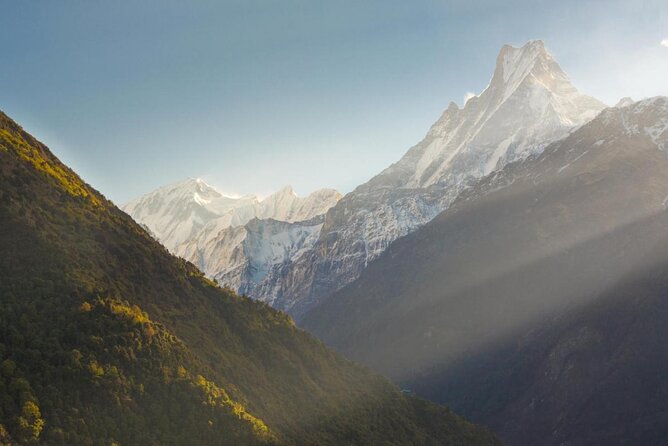
- Poon Hill and early sunrise energy before you fully commit to higher trekking days
- Gurung and Magar villages along the trail, not just mountain walls
- The Annapurna Sanctuary feel: when trees drop away, the terrain turns stark and dramatic
- Machhapuchhare Base Camp with cultural rules (including the no meat/fish idea in the sacred valley area)
- Down jacket and sleeping bag returnable after the trek, so you travel lighter
- Hot springs option near Jhinu to help your body recover
Annapurna Base Camp in 9 days: a smart rhythm, not just a checklist
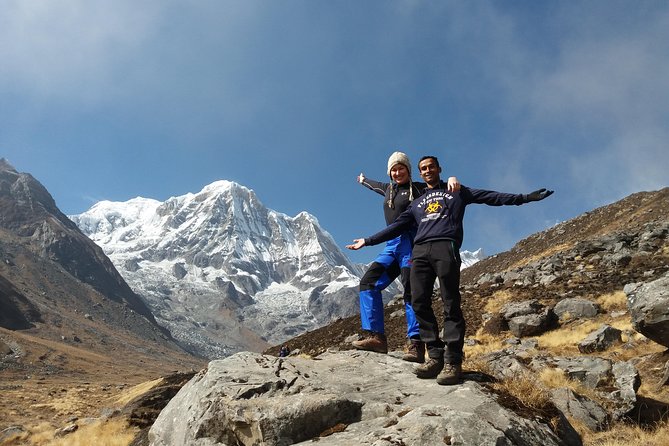
This trek is built around a sensible pace: you gradually rise through villages, then you progressively get into thicker forest, then into the more exposed sanctuary terrain. That matters because Annapurna rewards steady effort more than brute force. If you tend to start fast and burn out, you’ll appreciate the day-to-day structure that keeps you moving but not “racing” the mountains.
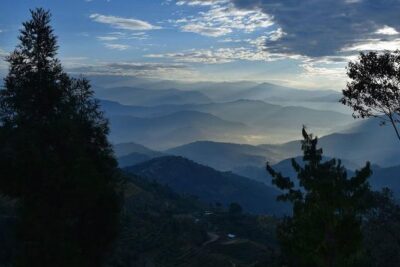
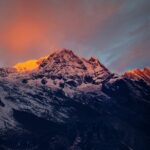
Also, this is one of those routes where the scenery doesn’t only come at the end. You get big views from the lower side too—especially during the Poon Hill segment and the early trail toward villages with open outlooks. Then, as you get closer to the Sanctuary, the scale of what’s around you changes completely.
You can also read our reviews of more tours and experiences in Kathmandu.
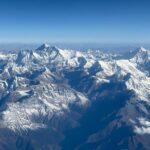
Poon Hill to “get your bearings” without committing too hard on day one
Your trip kicks off in Kathmandu, with pickup from Tribhuwan International Airport and a transfer to your hotel. The trekking package action starts after arrival (the schedule is set up so you’re not immediately dropped into the trail the moment you land). Then you head out toward Poon Hill for a mountain-view start.
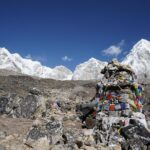
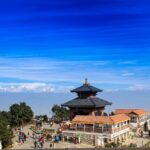
Poon Hill is famous for a reason: it’s a lower-altitude viewpoint where you can see a wide sweep of the Annapurna range system. Even if you’re tired from travel, this gives you a quick win and a chance to match your legs to the altitude reality before the deeper trek starts.
What I like for your first-timer comfort: an early-view day is a morale booster. What to watch: you still need to be ready for stairs and uneven paths, and you’ll want water and a warm layer because mornings can feel cold at altitude.
Phedi to Dhampus: a gentle downhill/uphill rhythm through Gurung country
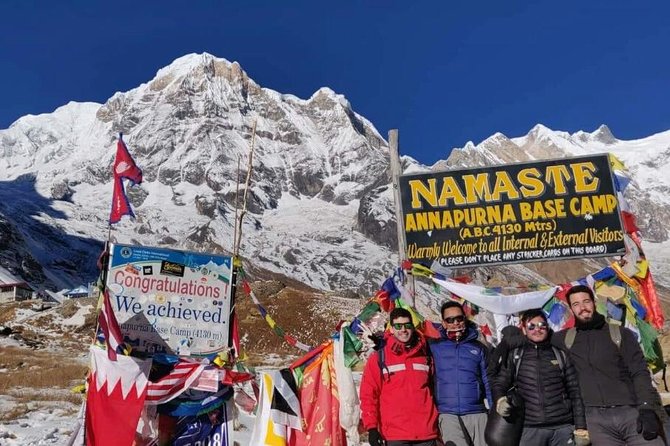
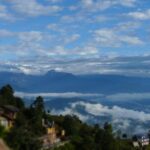
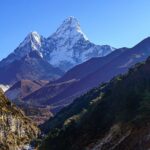
On day two you drive to Phedi from Pokhara, then begin your trek to Dhampus. Dhampus is a Gurung village and it’s specifically noted for big views—Himchuli, Annapurna South, and Mt Fishtail (Machhapuchchre). This day is a nice setup: you’re not yet fully in “high trek” mode, but you’re already getting why people come to the Annapurna region.
In practical terms, you’re using this time to:
- get used to the daily rhythm of walking + short stops
- build confidence on stone paths and village trails
- take photos when the light hits the peaks
Possible drawback: the early scenery days tempt you to overpack your schedule with extra photo stops. Keep your pace steady so you don’t feel behind later.
Chhomrong Cottage and the Landrung loop: where forest meets village life
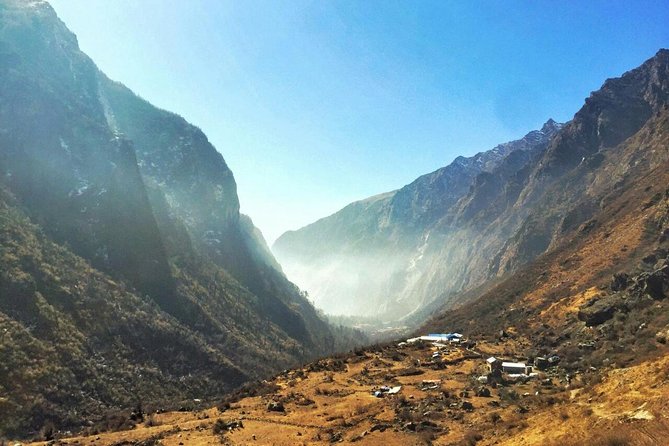
Day three pushes you into a classic Annapurna trekking pattern: you descend toward Landrung through oak forest and terraced fields, then keep moving toward Jhinudanda. Landrung is described as a charming village where Gurung, Magar, and Brahmins live side by side.
This stretch matters because it gives you contrast. Oaks and terraces mean you’re seeing the human side of the mountains, not just a viewpoint. You also get a better sense of how the trail weaves between settlements—so later, when things become more isolated near the Sanctuary, you’ll understand what you’re leaving behind.
For your body: expect day three to be a “feel it in the knees” kind of day. Descents are often harder than climbs. Bring good trekking shoes and plan to walk slowly on downhill sections.
Seti Gandaki and Khuldighar: rhododendron forests and river energy
On day four, after Chhomrung, you cross a bridge and head up toward Sinuwa Danda. The trail then transverses thick rhododendron forest toward Khuldighar. From there, you descend through long stone steps.
If you like walking through places where sound changes—birds, water, foot traffic—this is one of those days. Rhododendron forest sections can also mean cooler shade, which helps when afternoons are warm.
Consideration: rhododendron forests can be slippery if conditions are wet. Go slow on steps, and trust your footing over speed.
Machhapuchhare Base Camp: sacred valley rules and a big sense of arrival
Day five follows the banks of the Madi river, passing through what’s described as a sacred valley. One important detail: the area has a rule that no meat or fish is allowed, based on Hindu and Buddhist beliefs. The trek continues past bamboo trees and toward Machhapuchhare Base Camp.
Whether you’re deeply spiritual or not, this cultural note is worth paying attention to because it changes the feel of where you are. It’s not just “a campground by a mountain.” It’s a place where local traditions shape daily life.
Also, this day sets up your final approach. After enough days of forests and villages, moving into the higher, more barren feel toward the Sanctuary can feel like a switch. Machhapuchhare Base Camp is part of that transition.
Annapurna Sanctuary and Base Camp: the day the mountains dominate everything
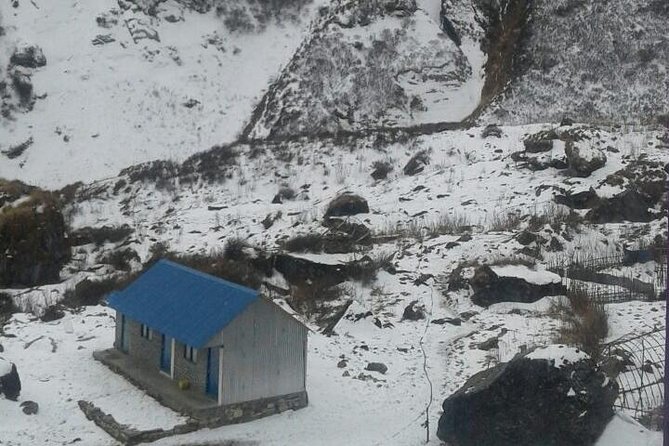
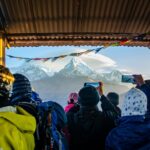
Day six is the big one: after leaving Machhapuchhre Base Camp, you enter the Annapurna Sanctuary, described as a desert wilderness with pristine natural beauty. You’ll eventually reach Annapurna Base Camp.
What changes here is the air and the terrain. Trees and vegetation thin out, and you’re surrounded by the scale of the amphitheater. Even if you’ve seen pictures before, it’s the kind of place where you realize why people call it life-changing—because your entire attention narrows to the peaks, the weather, and your own breath.
This day is also where you’ll care about comfort basics:
- warm layers (it can be colder higher up)
- a hat and gloves if you run cold
- pace control so you don’t gas out before you reach the core viewpoint areas
You’re also more likely to take longer breaks here, because it’s worth it.
Sunrise, descent, and Bamboo Hut: why day seven isn’t a victory lap
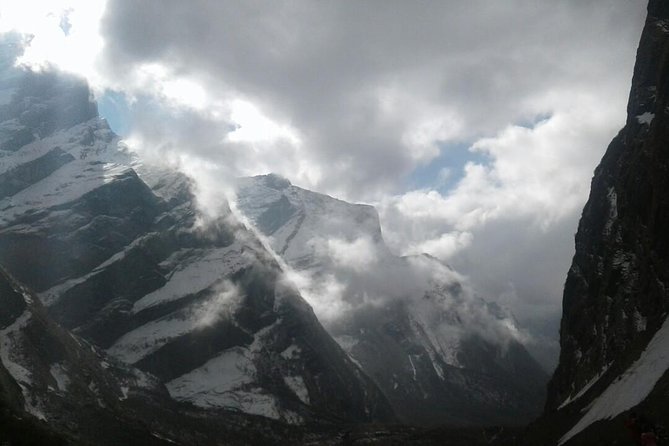
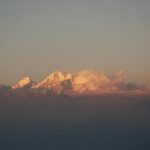
Day seven starts with an early wake-up call for sunrise views in the Annapurna Sanctuary. Then you begin your descent, following the Modi Khola river to Bamboo Hut.
This is one of the most practical days of the entire itinerary. Sunrise gives you the “wow” moment, but descent is where your body starts tracking fatigue in your feet and calves. The guide timing matters because starting early helps you avoid the worst afternoon conditions and gives you better control of daylight.
What I like for value: a planned sunrise moment makes the long days feel earned, not forced. What to watch: sunrise can mean early sleep and cold mornings—pack for it.
Jhinu hot springs day (Chhomrong Cottage route): recovery that feels like a reward
Day eight is another moving day. You start uphill toward Sinewa, then descend to meet Chomrong Khola River. Another ascent to Chomrong happens, then you do the final descent to Jhinu, where you can visit the natural hot springs area.
This is a smart wrap-around to Base Camp. You get a physical reward for getting there: hot springs help sore legs feel less angry. It’s also a change of pace from just peaks-and-steps.
One caution: don’t treat it like a guaranteed soak-and-sleep moment. The hot springs plan depends on timing and conditions, so keep your expectations flexible.
Nayapul to Pokhara: a smooth exit after 9 hard walking days
On day nine you finish with an easy descent to the Modi Khola river banks, then to Nayapul. From there, you take a private car for about 1.5 hours back to Pokhara.
After that, you’ll be transferred onward—described in the package as returning to Kathmandu for the end of the journey. For many people, this is the day where you feel that “let-down”—you’re still in Nepal, but you’re no longer climbing toward the big goal.
What I like here: the drive portion reduces stress after trekking. What to watch: you’ll likely still be tired, so plan for an easy evening instead of packing in extra activities.
Price and value: what $693.34 buys you (and what costs extra)
At $693.34 per person for a 9-day trek, this package is trying to cover the trip structure rather than just selling “a route on paper.” Here’s what’s included that can genuinely reduce trip friction:
- Licensed English-speaking trekking guide
- Permits and paperworks handled as part of the package
- All trek meals: breakfast (9), lunch (9), dinner (9)
- 9 nights accommodation during the trek
- First aid medical kit carried by the guide
- Down jacket and sleeping bag returnable after the trek completion
- Private airport pickup/drop in Kathmandu
- Transport between Kathmandu and Pokhara via tourist bus (flight is optional with extra costs)
- A welcome or farewell dinner in Kathmandu at a cultural restaurant
Now the big “value reality check” items not included:
- International airfare and visa charges
- Travel and medical insurance
- Food and accommodation in Kathmandu (because this trek really focuses on the mountain portion)
- Personal expenses (hot showers, laundry, snacks, phone time, etc.)
- Porter cost: $220 per person is listed as an extra
- Tips for guides and porters
So is it good value? For many trekkers, the answer is yes if you’d otherwise have to arrange permits, guide support, and gear rentals yourself. If you already have your own sleeping bag and down jacket and you know you’ll pay for your porter anyway, then you’re mostly paying for the guide + logistics + food + lodging.
My practical advice: budget the full “all-in” amount early. The porter cost is the one that can surprise people who focus only on the headline price.
Guide support and named crew: why this trek can feel smoother
The trek experience seems to lean heavily on guide quality and team support. In the feedback you provided, names like Sona and Binod show up again and again as friendly, helpful guides who adjust to real-world needs. You also have porters like Řãhül, Rajendra, and Bikash getting called out for being supportive and keeping things running.
Even without over-romanticizing it, this matters. On an Annapurna trek, small logistics errors can become big issues. Having a guide who knows where to stay, how to handle timing, and how to keep the pace realistic can save you from unnecessary stress—especially around colder mornings, longer descents, and scheduling changes.
If you care about that human layer—someone to answer questions, help you interpret the route, and manage the day—this package’s guide-based structure is a good fit.
Who should book this Annapurna Base Camp 9-day trek
This tour fits best if you:
- want a guided, permit-included trek rather than DIY planning
- like village trekking as part of the trip, not just peak chasing
- want all meals and mountain lodging handled
- prefer a private-group format, where it’s your group only
It’s also a good option if you’re traveling light and don’t want to buy or rent gear immediately before the trek, since the down jacket and sleeping bag are provided and then returned afterward.
If you’re the type who wants complete freedom to wander off schedule, or you’re ultra-sensitive to early starts, you might feel boxed in by the structured timing. The upside is that the structure is there to help you finish safely and enjoy the views.
Should you book this Annapurna Base Camp -9 days itinerary?
If your main goal is an organized Annapurna Base Camp trek with meals, lodging, permits, and guide support built into one price, I’d say yes. It’s a solid “do it right” package, especially because gear is included and you get that early mountain-view day plus the recovery option near Jhinu.
Book it if you’re comfortable with trekking days that require steady walking and some knee-bracing descents. Plan your budget with the porter fee ($220 per person) and allow for tips and personal expenses, so the final cost feels predictable.
Skip it only if you’re determined to self-manage logistics end-to-end or you want a trek that’s more flexible and less structured. For most people, though, this is the kind of plan that turns Annapurna into a trip you can focus on—walking, breathing, and watching the mountains change all week.
FAQ
What time does the trek start and where do we meet?
You meet at Tribhuwan Airport in Kathmandu Nepal with a listed start time of 6:30am.
Does the tour include airport pickup and drop-off?
Yes. The package includes airport pickup and drop services in a private vehicle.
Is transportation to Pokhara included?
Yes. Transport from Kathmandu to Pokhara and back to Kathmandu is included using a tourist bus. Flights are optional with extra costs.
Are meals included on the trek?
Yes. The package includes breakfast (9), lunch (9), and dinner (9).
Are permits and paperwork included?
Yes. All required permits and paperworks are included.
Do I need my own sleeping bag and down jacket?
You don’t have to bring them. Down jacket and sleeping bag are included, and they are returnable after the trek.
What extra costs should I expect?
Porter service costs are listed as $220 per person, and tips for guides and porters are not included. Visa charges, international airfare, and travel/medical insurance are also not included.
What fitness level do I need?
The guidance says travelers should have a moderate physical fitness level.
Is the tour private or group-based?
It’s described as a private tour/activity, so only your group will participate.