REVIEW · KATHMANDU
Kathmandu Cultural Tour – Kathmandu Valley Sightseeing Tour
Book on Viator →Operated by Adventure Vision Treks and Travels · Bookable on Viator
Four UNESCO sites in half a day. This private Kathmandu Valley sightseeing tour stacks the big cultural hits—Buddhist stupas, a major Hindu temple, and Patan’s royal square—so you get a clear picture fast. I like that you start with hotel pickup and travel by private vehicle, which keeps the day efficient and low-stress. I also love that you’re not just dropped at gates: your guide explains what you’re seeing and why it matters.
The main thing to plan for is cost on top of the tour price: entry fees to World Heritage sites are not included, so bring cash or confirm ticket options ahead of time.
In This Review
- Key takeaways
- Why This Half-Day Kathmandu Valley Tour Works So Well
- Price and What You Really Get for $78
- Getting the Timing Right: Weather, Comfort, and Tickets
- Stop 1: Swayambhunath’s Hilltop Stupa and Kathmandu Views
- Stop 2: Boudhanath Stupa and Tibetan Buddhism in Motion
- Stop 3: Pashupatinath Temple and the Cremation-Ritual Reality
- Stop 4: Patan Durbar Square for 17th-Century Architecture and a Slower Finish
- Getting the Most Out of a Private Guide (Without Wasting Time)
- Who Should Book This Tour (And Who Might Want Alternatives)
- The Bottom Line: Should You Book This Kathmandu Cultural Tour?
- FAQ
- What is the duration of the Kathmandu Valley Sightseeing Tour?
- Where does the tour take you?
- Is hotel pickup and drop-off included?
- Are entry fees to the UNESCO sites included?
- Is bottled water included?
- Is this tour private?
- Is there free cancellation?
Key takeaways
- Private guide + vehicle means you can move at a pace that fits your group and questions
- Four UNESCO World Heritage stops across Buddhist and Hindu sacred sites
- Swayambhunath’s hilltop walk (about 5 minutes) rewards you with major panoramic views
- Boudhanath Stupa energy includes Tibetan Buddhist chanting and prayer wheels
- Pashupatinath’s cremation rituals can be intense, and you can choose what you watch
- Patan Durbar Square gives you 17th-century architecture and a more relaxed finish
Why This Half-Day Kathmandu Valley Tour Works So Well
If you only have a short window in Kathmandu, this kind of route is a smart move. You cover major landmarks that are spread out across the valley, without having to piece together buses, taxis, and timing yourself.
What makes it especially useful is the pairing of sacred Buddhist sites with a key Hindu pilgrimage spot, plus Patan’s historical royal square. You’ll come away with a clearer sense of how religion, art, and daily life overlap in the Kathmandu Valley.
The tour duration is listed as about 5 to 6 hours, which is ideal for first-timers who want big sights without turning the whole day into a slog. You also get mobile tickets and a quick-moving plan with hotel pickup and drop-off, so the start and finish are handled.
You can also read our reviews of more historical tours in Kathmandu

Price and What You Really Get for $78
At $78 per person, the headline value is the private setup. You’re not buying a bus ride and hoping you figure it out on your own. Instead, you’re paying for transport by private vehicle, a driver/guide, and bottled water (1 bottle is included).
The catch is that the price does not include the entry fees to the World Heritage sites. Those admissions can change based on the site and what’s currently required, so I treat entry fees as the main add-on when I budget this kind of half-day tour. Still, even with those fees, this can work out well if you’d otherwise pay for separate transport or struggle to connect distant locations efficiently.
One more value point: the itinerary includes four UNESCO World Heritage sites. If those are on your must-see list, this tour format saves you the hassle of planning four separate visits in a short time window.
Getting the Timing Right: Weather, Comfort, and Tickets
This experience is weather-dependent. Since the day includes hilltop viewpoints and outdoor walking (most notably at Swayambhunath), you’ll want to be ready for changes if conditions aren’t good.
Also note what’s not included: admission tickets for the sites. Each stop lists admission tickets as not included, so you’ll want to plan payment and time accordingly. If you’re the type who hates surprises, I’d budget extra time for ticketing even if the tour schedule looks tight.
Wear comfortable walking shoes. Even though Swayambhunath only requires a short 5-minute walk to reach the summit, that hilltop access is part of the experience, not an optional detour.
Finally, consider what you want from the guide. The tour promise is that the guide explains the significance of each place. For maximum payoff, make sure you’re clear with your driver/guide about how you’ll handle each stop—especially when the route takes you through sites where there are different viewing options.
Stop 1: Swayambhunath’s Hilltop Stupa and Kathmandu Views
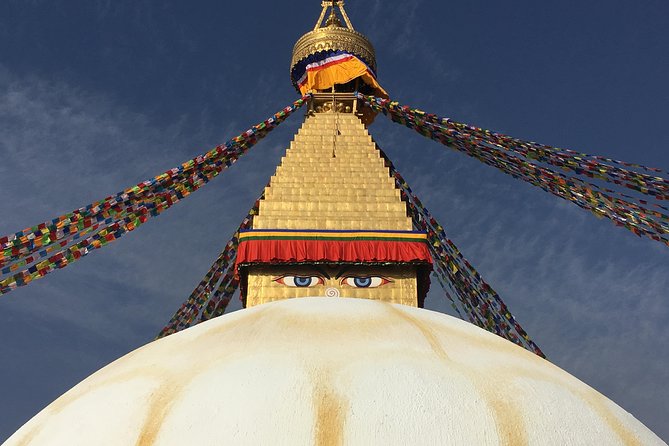
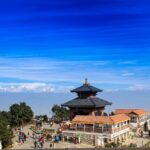
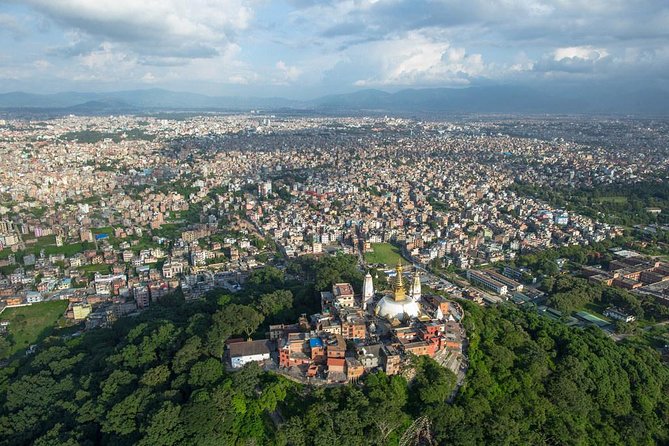
Swayambhunath is often called the Monkey Temple, and that nickname isn’t just marketing. The stupa sits on a hill and comes with a short uphill approach—about 5 minutes on foot—before you reach the summit.
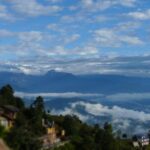
Once you’re up there, the rewards are practical and immediate: you get a wide panoramic view of Kathmandu city. At the same time, you’re not looking at a single landmark in isolation. The area is surrounded by many shrines and temples, which helps you see how the religious space works as a whole rather than as one photo spot.
This stop also has a strong “old Nepal” feel. It’s described as an ancient Buddhist stupa and one of the oldest in Nepal, so it’s a great first anchor for your day. If you want the simplest starting point for understanding the valley’s sacred geography, this is it.
How long you’ll be there: the schedule lists 2 hours for this stop.
What to plan for: admission tickets are not included for this visit.
Stop 2: Boudhanath Stupa and Tibetan Buddhism in Motion
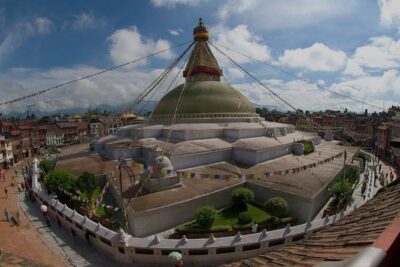
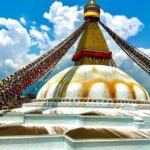
After Swayambhunath’s hilltop sweep, Boudhanath shifts the tone. This is the big Tibetan Buddhism landmark on the list: it’s described as the largest Tibetan stupa in the world.
What I like about this stop is how active the spiritual environment feels. You’ll likely notice chanting by monks and the rhythmic spinning of prayer wheels, which creates a steady rhythm around the stupa rather than a one-time spectacle. The tour also frames the area as Bouddha, sometimes referred to as Little Tibet, which is useful context when you’re trying to understand why the atmosphere feels different from the rest of Kathmandu.
Compared with Swayambhunath, Boudhanath is more about focused religious practice than panoramic viewpoints. That contrast is part of the value of the route. You see the valley’s spiritual life from two angles: outward views and inward rituals.
How long you’ll be there: the schedule lists 1 hour for this stop.
What to plan for: admission tickets are not included for this visit.


Stop 3: Pashupatinath Temple and the Cremation-Ritual Reality
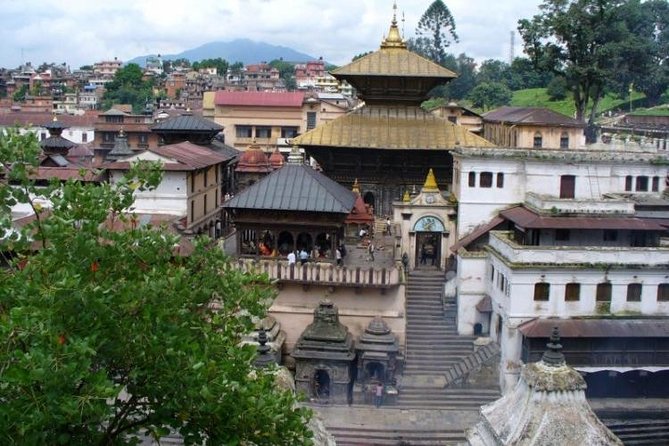
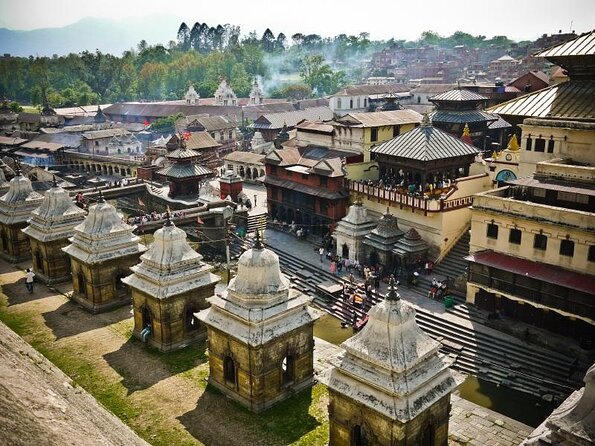
Pashupatinath is the stop where the tour becomes emotionally real. This UNESCO World Heritage Site is deeply important to Hindus, and a major reason is its connection to cremation rituals.
The tour description says cremations are performed openly along the Bagmati River. That means this stop can be profound for some visitors and intense for others. I like that the tour framing is honest about this: you can choose whether to observe this part of the temple’s activity.
If you’re sensitive to sights and scenes that involve death and mourning, go with the mindset that you control your level of participation. You can still experience Pashupatinath’s spiritual atmosphere and historical importance without forcing yourself to watch anything that makes you uncomfortable.
How long you’ll be there: the schedule lists 1 hour for this stop.
What to plan for: admission tickets are not included for this visit.
Also, because the site involves ongoing rituals and crowds, this is the place where your guide’s approach matters most. The guide’s job here is not only to explain significance, but to help you understand what you’re seeing and how to make choices on the spot.
Stop 4: Patan Durbar Square for 17th-Century Architecture and a Slower Finish
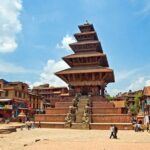
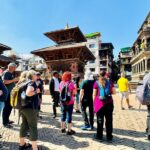
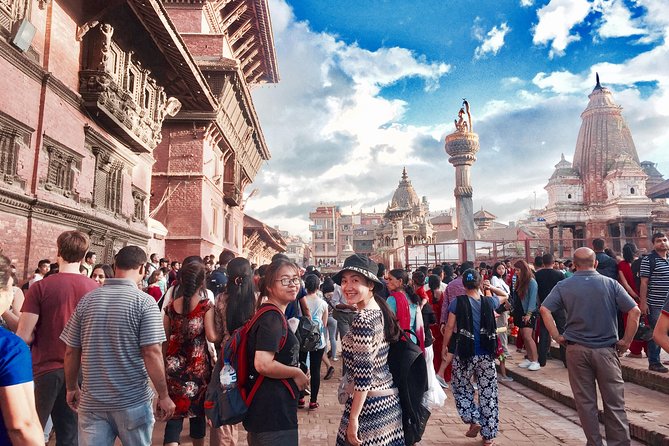
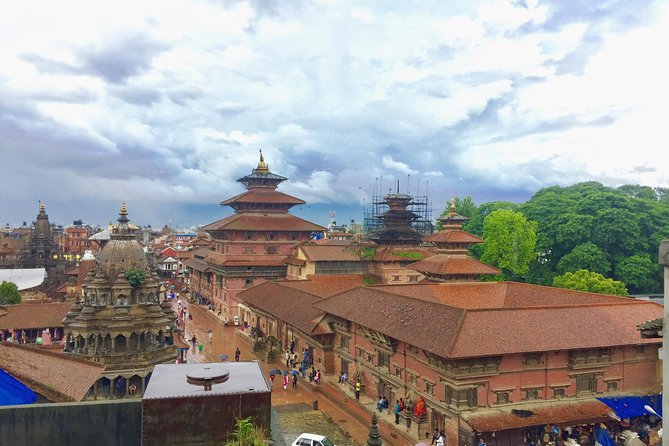
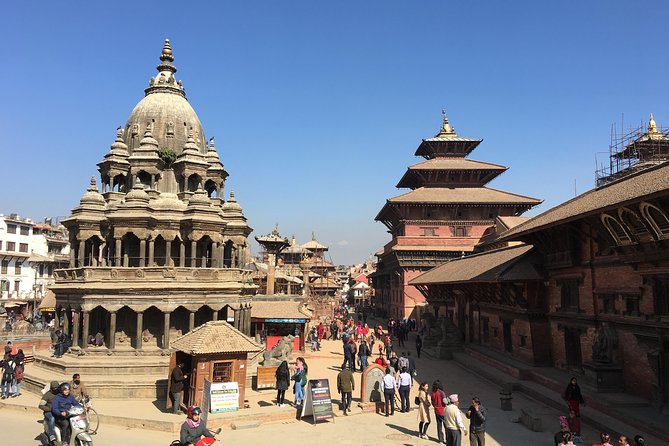
Patan Durbar Square (also called Patan Darbar Square in some spellings) is where the day turns more historical and less ritual-focused. It’s located in Patan (Lalitpur) and is one of the three historic royal squares in the Kathmandu Valley.
The standout here is the architecture. The tour description highlights 17th-century design, and the square also includes a museum, which gives you more context beyond walking through the outer area. If you enjoy understanding how power, religion, and craft show up in buildings, this stop rewards that curiosity.
This is also one of the easiest stops to keep enjoyable. The tour suggests it’s a good spot for a relaxed evening stroll, rather than feeling rushed. If you want a gentle end to a spiritually heavy day, Patan can do that job.
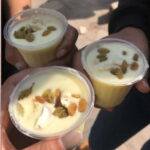
And yes, there’s a small local-food style note: the route suggests grabbing a cup of Patan tea to close out the tour. It’s not a huge detail, but it’s the kind of finishing touch that helps the day feel complete.
How long you’ll be there: the schedule lists 2 hours for this stop.
What to plan for: admission tickets are not included for this visit.
Getting the Most Out of a Private Guide (Without Wasting Time)
A private Kathmandu Valley tour is only as good as the guidance you receive. The value is not just in having a car; it’s in having someone help you connect the dots.
From the way this tour is described, your guide should explain the significance of each location. Ask them to frame each stop in a simple way: what you’re looking at, what it symbolizes, and how it fits the valley’s cultural story.
I also recommend you get a clear sense of meeting points and timing at each stop. One problem I’ve seen with similar arrangements is when a driver hands you over without real guidance and you feel like you must figure it out alone. You don’t need your guide to hover, but you do want clarity on where you’ll regroup and how the visit is handled at each site. This matters most at places like Pashupatinath, where you may want options for observing or stepping back.
If you care about photos, set expectations early. For example, Swayambhunath’s hilltop view is time-sensitive—once you’re up there, you’ll want to use your time efficiently. Same idea at Boudhanath, where the flow around the stupa is part of the experience.
Who Should Book This Tour (And Who Might Want Alternatives)
This tour is built for first-time visitors or anyone short on time. You get four UNESCO World Heritage sites, you move efficiently in a private vehicle, and you don’t have to organize separate logistics across the valley.
It’s also a decent choice if you want an organized structure for a day that could feel overwhelming on your own. Kathmandu Valley landmarks are spread out, and a tight plan helps you see the “greatest hits” without getting stuck in transit.
Where I’d be cautious is if you’re very budget-focused and can’t handle extra site entry fees. The tour price includes transport and guidance, but not admissions. For some travelers, that’s fine; for others, it changes the math quickly.
And if Pashupatinath’s cremation activity is likely to distress you, plan your viewing choices ahead of time. The tour notes you can decide whether to observe, but it still may affect your emotional comfort level.
Service animals are allowed, and the tour is described as near public transportation. Still, the main experience is private, with pickup and drop-off designed to keep you moving.
The Bottom Line: Should You Book This Kathmandu Cultural Tour?
I think this is a strong pick if you want a structured, private day covering the Kathmandu Valley’s most famous cultural sites. The best reasons to book are the hotel pickup, the private vehicle, and the fact that the route links four UNESCO World Heritage sites into a single 5 to 6 hour visit.
I’d book it with two practical expectations: first, that you’ll pay entry fees separately at the sites, and second, that your comfort at Pashupatinath depends on how you feel about cremation rituals. If you’re ready to choose your level of observation there, the emotional weight can turn into meaningful understanding rather than just stress.
If you want, tell me your travel dates and how many people are in your group, and I can help you budget the likely add-on admissions and plan how to schedule this day for the best weather and energy.
FAQ
What is the duration of the Kathmandu Valley Sightseeing Tour?
The tour lasts about 5 to 6 hours.
Where does the tour take you?
You’ll visit Swayambhunath Temple, Boudhanath Stupa, Pashupatinath Temple, and Patan Durbar Square.
Is hotel pickup and drop-off included?
Yes. The tour includes hotel pickup and drop-off.
Are entry fees to the UNESCO sites included?
No. Entry fees to the World Heritage sites are not included.
Is bottled water included?
Yes. One bottle of bottled water is included.
Is this tour private?
Yes. It’s a private tour, and only your group will participate.
Is there free cancellation?
Yes, you can cancel for a full refund up to 24 hours in advance of the experience start time.