REVIEW · KATHMANDU
Cook and Eat: Cooking Class in Kathmandu near Thamel
Book on Viator →Operated by Shepherd Holidays · Bookable on Viator
Cooking in Kathmandu beats watching from the sidelines. This class takes you from choosing dishes to eating what you make, all in about three hours. I like the hands-on structure and the clear English guidance from the chef team. One thing to plan for: you’ll want solid weather, since the experience notes good-weather requirements.
This is a small-group setup, capped at 15 people, so the pace feels manageable and you’re not just standing around. You also get a market visit to understand what you’re actually cooking with, not just following steps. The menu includes classics like momos and dal bhat, and you’ll pick exactly three dishes.
In This Review
- Key Things I’d Pay Attention To
- Why This Kathmandu Cooking Class Works for Food First-Timers
- Meeting at Shepherd Holidays by Thamel: Tea, Menu Choices, and a Clear Plan
- The Ingredient Market Walk: Why It Makes Your Cooking Click
- From Chopping to Stovetop: How the Class Teaches Cooking Mechanics
- Cooking Often Leads to Confidence, Not Just Food
- Serve and Savor: The Best Part Is Actually Eating What You Made
- Price, What You Pay For, and Where the Value Comes From
- Group Size Near Thamel: Getting Attention Without Waiting Forever
- Who This Cooking Class Is Perfect For (and Who Should Think Twice)
- Should You Book This Kathmandu Cooking Class?
- FAQ
- How long is the cooking class in Kathmandu?
- Where does the class start and where does it end?
- What can I cook during the class?
- Do I go to a market during the class?
- What is included in the price?
- Are there beverages included?
- Is pick up or drop off included?
- What happens if weather is poor?
- What’s the group size limit?
Key Things I’d Pay Attention To
- Choose 3 dishes from the menu so you can match your cravings and skill level
- Local market ingredient walk with a guide, which helps the cooking make sense
- Chef-led prep and cooking in a clean kitchen with a hands-on option
- Meal included: you cook, then you serve and eat your food
- Small groups (max 15) so you get real interaction
- Team support at departure so you’re not left guessing how to get back
Why This Kathmandu Cooking Class Works for Food First-Timers
If you’re new to Nepali food, this class is a smart way to learn fast without doing homework first. You’re not only mixing spices. You’re learning how Nepali cooking is built: seasonings, prep order, and the logic behind textures. That matters because Nepali dishes often rely on layers—what you add early vs. late changes the whole result.
I also like that the experience is planned as a flow, not a random cooking session. You start with tea, then pick dishes, then see ingredients in the market, then cook, then eat. That gives you a full loop of understanding, from ingredient to finished plate.
The other win is the team’s communication. In the available feedback, people singled out excellent English explanations from Chef Vikram and Kamal. Even if you’re not a confident cook, you can follow along and ask questions.
You can also read our reviews of more tours and experiences in Kathmandu

Meeting at Shepherd Holidays by Thamel: Tea, Menu Choices, and a Clear Plan
You meet at Shepherd Holidays on Yapikhya Marg in Kathmandu (right near the Thamel area). The class begins with a welcome drink—tea or coffee—so you’re not thrown into cooking cold. Then the staff introduces the team and explains what you’ll do.
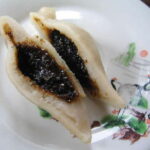
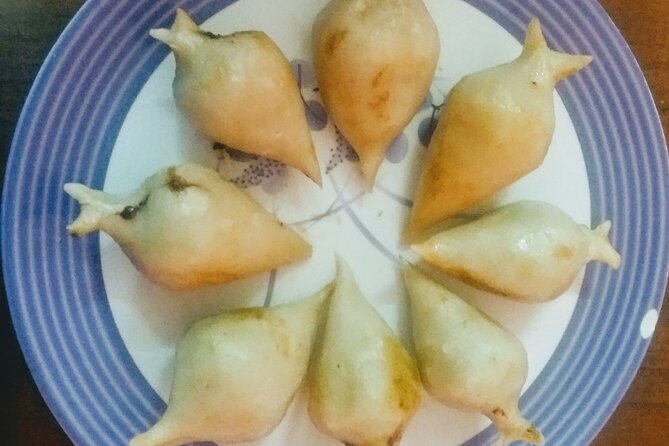
Next comes the key decision: you choose three items from the menu. This is great for value because you’re not paying to sample a random set of dishes. You can pick what you want most, whether that’s a noodle soup like thukpa, a rice-and-lentil plate like dal bhat, dumplings like momos, or a sweet bite such as yomari (yomari was one of the dishes listed in the feedback).
Practical tip: go in with at least a few backups in mind. Menus can change, but the three-dish choice stays the same. If you’re traveling with food preferences—spice level, vegetarian choices, or avoiding certain textures—use your first minutes to lock in what you want to cook.
The Ingredient Market Walk: Why It Makes Your Cooking Click
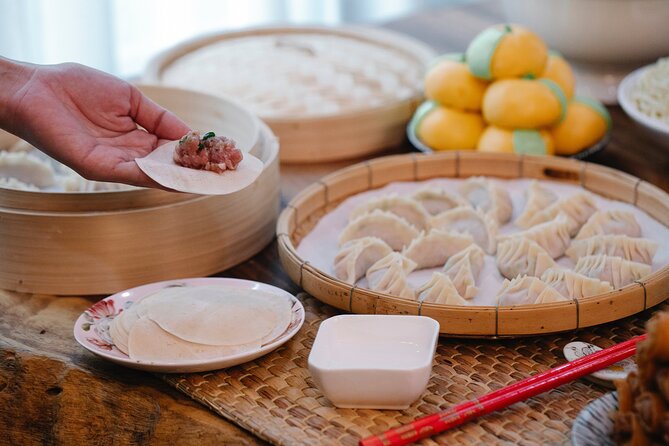
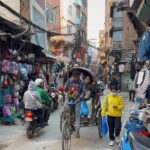
One of the most useful parts is the guided market visit to pick up ingredients. This isn’t a tourist stroll. The point is to connect the dish you’re cooking to the real building blocks.
You’ll go with a guide for ingredients, then return to the kitchen for cutting and preparation. Seeing staples in person helps you understand why certain Nepali recipes taste the way they do. You also get a sense of what’s common locally versus what might be harder to find once you’re home.
If you’ve ever tried to recreate a recipe and felt stuck because ingredients were different, this step is your insurance. It gives you a mental map for substitutions too. Even without specific substitution lists provided, you’ll usually recognize spice mixes, fresh herbs, and produce you can source later.
From Chopping to Stovetop: How the Class Teaches Cooking Mechanics
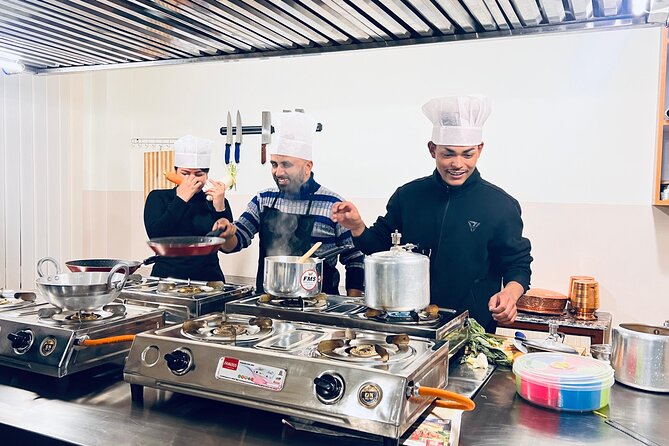
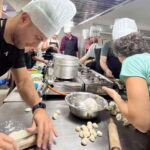
After the market, you move into the prep phase. Cutting and preparing ingredients comes first. Then cooking starts with the chef, with help from the instructor and helper team.
What I like about this format is that it gives you control without leaving you alone. You can follow along and get hands-on where you want. In one of the feedback snippets, people noted there was an option to be more hands-on or more hands-off, depending on comfort. That’s a big deal if you’re on vacation and don’t want a stressful “sink or swim” experience.
In the kitchen, Chef Vikram and Kamal are named in the available comments, and the tone was professional. The kitchen environment was described as clean and well set up. That matters in a cooking class because you want confidence that your food prep is being handled properly—especially when you’re working with fresh ingredients.
You’re also likely to learn timing and sequence: when to start onions or aromatics, when to add spices, and how long to cook each component. Those are exactly the things that decide whether your dish tastes like it should or ends up flat.
Cooking Often Leads to Confidence, Not Just Food
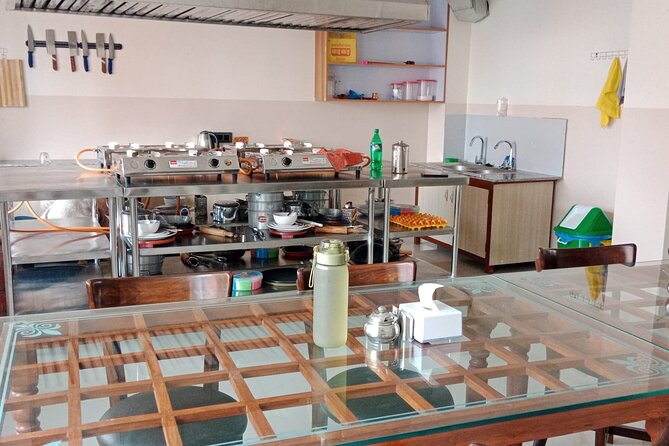
Nepali dishes can look a little intimidating at first glance—dumplings, broths, lentil bases, and stews each have their own rhythm. This class helps you stop treating cooking like magic and start treating it like steps.
The chef’s explanations in excellent English are the glue here. If you can understand the why, you’ll remember what you did. And if you remember what you did, you can repeat it at home with fewer surprises.
Also, since you’re making three dishes, you get variety. You’re not just cooking one technique for three hours. You might work on dumpling prep, soup-building, and a rice-and-lentil style dish, depending on your choices. That variety tends to stick in your memory.
You can also read our reviews of more cooking classes in Kathmandu
Serve and Savor: The Best Part Is Actually Eating What You Made
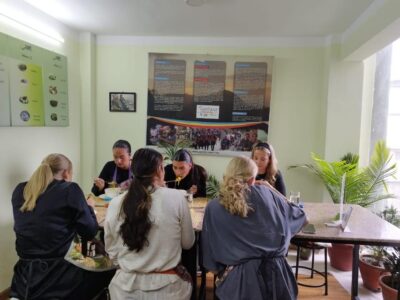
After cooking, you serve and savor what you prepared. This matters more than it sounds. A lot of classes teach technique but don’t give you time to taste and understand the finished dish.
Here, you eat the food you made during the class. You also get a second tea or coffee before departure. That sets a relaxed ending and helps you digest after a hands-on session.
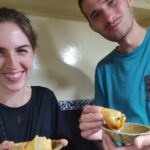
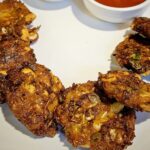
If one dish stands out, it’s momos. The feedback includes a note about yummy momos and confidence that the cook can replicate them at home. That’s the kind of “I can take this skill with me” outcome that makes a cooking class worth doing.
And because you picked three dishes, you’re not eating something you didn’t want. The choice system is a quiet but real quality control.
Price, What You Pay For, and Where the Value Comes From
The price is $24.00 per person, for roughly three hours. In a market where cooking classes can jump quickly in price, this one looks designed for value: you’re paying for ingredients, equipment, staff time, and the meal.
What’s included:
- Ingredients and all equipment to prepare food
- Instructor and helper
- Food and drink prepared during the class
What’s not included:
- Accommodation and personal expenses
- Beverages (outside what’s served as part of the class flow)
- Pick up and drop off by private vehicle (available for extra charge)
Here’s how I think about the value. You’re not just learning to cook. You’re also getting a guided market ingredient stop, plus a full meal experience. That means you’re saving time and mental effort. Instead of figuring out where to buy ingredients and how to coordinate a cooking setup, the class hands you a plan and a workspace.
One watch-out: since the class includes food and drink prepared during class, you should confirm what they consider included beverages vs. extras. The available feedback mentions milk tea being served on arrival, so tea/coffee is definitely part of the flow, but “extra beverages” may mean bottled drinks or additional items.
Group Size Near Thamel: Getting Attention Without Waiting Forever
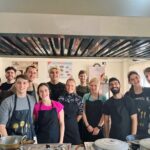
This experience caps at a maximum of 15 travelers. A small group usually means you get more attention from the chef and helpers. It also reduces the chance that you’ll be waiting while others finish, especially during prep.
If you’re cooking with a group, the pace can affect your enjoyment. Too many people can turn a hands-on class into a line. Here, the limit helps keep things moving. The feedback also points to a small group feel—one entry mentioned a group of three people—so you can expect a flexible vibe if the group is small.
Meeting near Thamel is practical. You can combine this with other Thamel-area plans before or after. Just keep your schedule realistic. Three hours sounds easy until you factor in walking time and finding the exact meeting point on a busy street.
Who This Cooking Class Is Perfect For (and Who Should Think Twice)
This class is a great match if you:
- Want a hands-on way to learn Nepali dishes fast
- Like structured activities with clear steps
- Prefer learning from local cooks with real guidance in English
- Want to leave with food skills you can try at home
It’s also good for couples or small groups because the cap helps the chef team interact more directly.
A possible consideration: if you’re someone who dislikes market visits, this class may feel less like a pure cooking workshop and more like cooking plus ingredient scouting. The market stop is a core part of the flow. Also, since the experience notes good weather requirements, plan around it if you’re in Kathmandu during unpredictable periods.
Should You Book This Kathmandu Cooking Class?
I’d book it if you want a practical, no-drama way to learn Nepali cooking and actually eat what you make. The combination of choosing three dishes, getting help in a clean kitchen, and having a guided ingredient market walk gives you more than just a meal. You leave with a clearer idea of how the recipes work, not only what they taste like.
Skip it only if you strongly prefer cooking classes with a fixed dish set (since your menu choices drive the experience) or if you don’t want any market component. Otherwise, $24 for a guided, staff-supported, meal-included cooking session near Thamel is a pretty compelling deal.
FAQ
How long is the cooking class in Kathmandu?
The class runs for about 3 hours (approx.).
Where does the class start and where does it end?
It starts at Shepherd Holidays on Yapikhya Marg, Kathmandu 44600, Nepal. The activity ends back at the meeting point.
What can I cook during the class?
You choose three items from the menu.
Do I go to a market during the class?
Yes. You visit a local market with a guide to get ingredients.
What is included in the price?
Ingredients and all equipment, an instructor and helper, and the food and drink prepared during the class.
Are there beverages included?
Tea or coffee is part of the class flow. The tour notes beverages as not included, so it helps to confirm what they consider included drinks versus extras.
Is pick up or drop off included?
Pick up and drop off by private vehicle is not included, though it’s available for an extra charge.
What happens if weather is poor?
The experience requires good weather. If it’s canceled due to poor weather, you’ll be offered a different date or a full refund.
What’s the group size limit?
The class has a maximum of 15 travelers.