REVIEW · KATHMANDU
Kathmandu: 6 Days Langtang Valley Trek with Kyanjin Ri
Book on GetYourGuide →Operated by MTA Trekking Pvt. Ltd. · Bookable on GetYourGuide
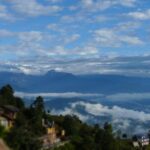
Langtang Valley makes the mountains feel close. I love the Kyanjin Ri sunrise payoff and the way the route threads through Tamang villages before you reach Kyanjin Gompa and its monastery world. It’s the kind of trek where the scenery keeps changing, but so does the human side.
Only watch the altitude. You’ll climb high enough that some people feel fine, and others get hit by altitude symptoms if acclimatization isn’t enough or if you push too fast.
In This Review
- Key highlights worth planning for
- Langtang Valley in 6 days: the tone of the trip
- Day-by-day breakdown: what each stop really gives you
- Day 1: Kathmandu to Syabrubesi, then Pahiro (1,550m)
- Day 2: Pahiro to Ghoda Tabela (2,900m)
- Day 3: Ghoda Tabela to Kyanjin Gompa (3,870m)
- Day 4: Kyanjin Gompa to Thangsyap (3,200m), plus optional Kyanjin Ri (4,770m)
- Day 5: Thangsyap to Syabrubesi (1,550m)
- Day 6: Return drive to Kathmandu
- What Kyanjin Gompa really means on the ground
- The Kyanjin Ri sunrise climb: worth it, but plan it smart
- Guides, pacing, and safety: how it affects your trip day to day
- Packing and trail essentials that match this itinerary
- Price and value: where $179 per person makes sense
- Who this trek suits best (and who might want a different plan)
- Should you book this 6-day Langtang Valley trek?
- FAQ
- What’s the highest point on this trek?
- Do I need to hike Kyanjin Ri?
- Is a guide included?
- Are meals included?
- What’s included in the price?
- How do I get to the start of the trek from Kathmandu?
- What do I need to bring?
- Does the itinerary ever change?
- Is travel and rescue insurance included?
Key highlights worth planning for
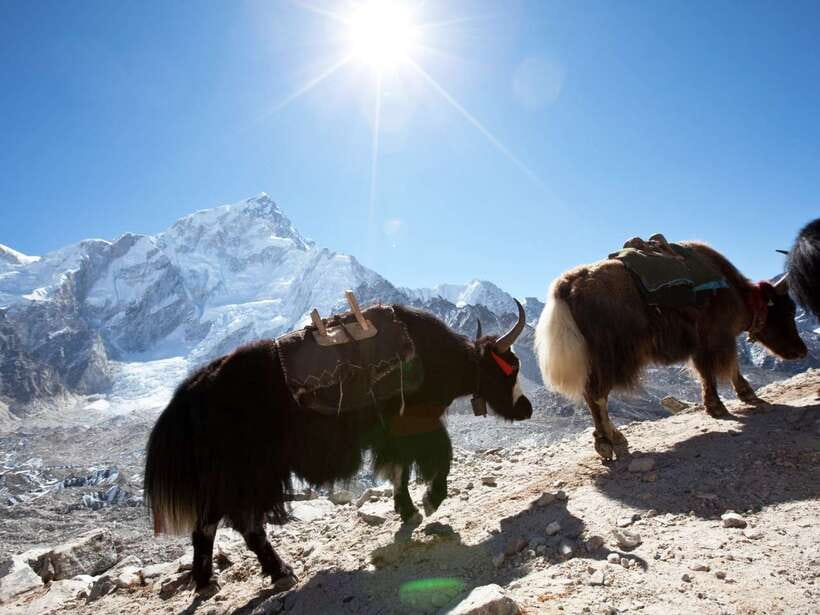
- Kyanjin Ri viewpoint (optional): a steep early-morning climb to sweeping panoramic views.
- Kyanjin Gompa’s monastery stop: ancient religious buildings plus time to wander and take it in.
- Tamang culture on the trail: villages and local life are part of the experience, not an add-on.
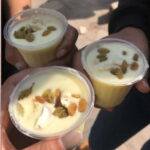
- Cheese tasting / local cheese factory: a very Langtang flavor moment at Kyanjin Gompa.
- Well-paced guidance: English-speaking guiding with flexible breaks (porters are optional extra).
- Big views without a long trek: a 6-day schedule that still delivers real Himalayan intensity.
Langtang Valley in 6 days: the tone of the trip
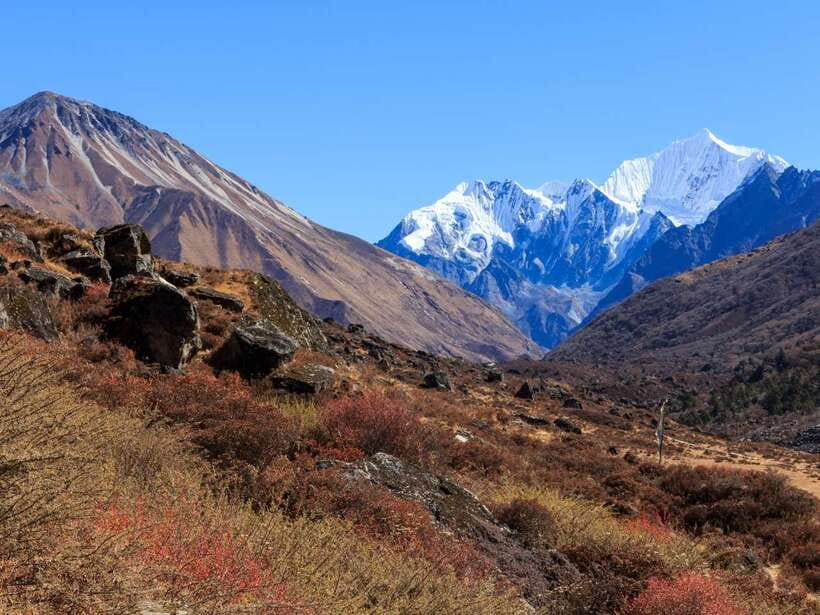
This trek is built around a simple idea: walk into the Langtang Valley, live at mountain-community altitude for a few nights, then earn your best views. You start with a drive out of Kathmandu to Syabrubesi, then trade traffic and city noise for trails along forests and the Langtang River. From there, each day rises into new scenery and new village pockets.
I especially like that this route doesn’t treat culture as a checklist. You’ll pass through Tamang areas, see daily village life, and reach a monastery complex where religion and local food culture show up right on schedule. If you’re after mountain drama plus human warmth, this fits.
One practical note you’ll thank yourself for later: the itinerary can shift a bit for weather or seasonal factors, so keep your flexibility mindset. That matters more in mountain regions than most places.
You can also read our reviews of more hiking tours in Kathmandu
Day-by-day breakdown: what each stop really gives you
Day 1: Kathmandu to Syabrubesi, then Pahiro (1,550m)
You’ll be picked up in Kathmandu and driven to Syabrubesi, the common gateway for Langtang Valley. It’s not a “do nothing” transfer: the mountain roads are part of the feeling of the trip, because you’re gradually trading city layers for hillside villages and greener slopes.
Once you start trekking, you follow the Langtang River and walk forested paths. The overnight in Pahiro sets you up for tomorrow’s rise without throwing you straight into the hardest climb of the week.
What to watch for: day 1 is your warm-up day, so pace yourself. You want your legs fresh enough to enjoy the gradual ascent rather than just survive it.
Day 2: Pahiro to Ghoda Tabela (2,900m)
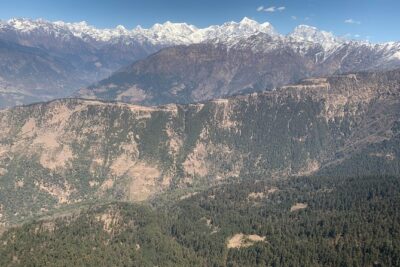
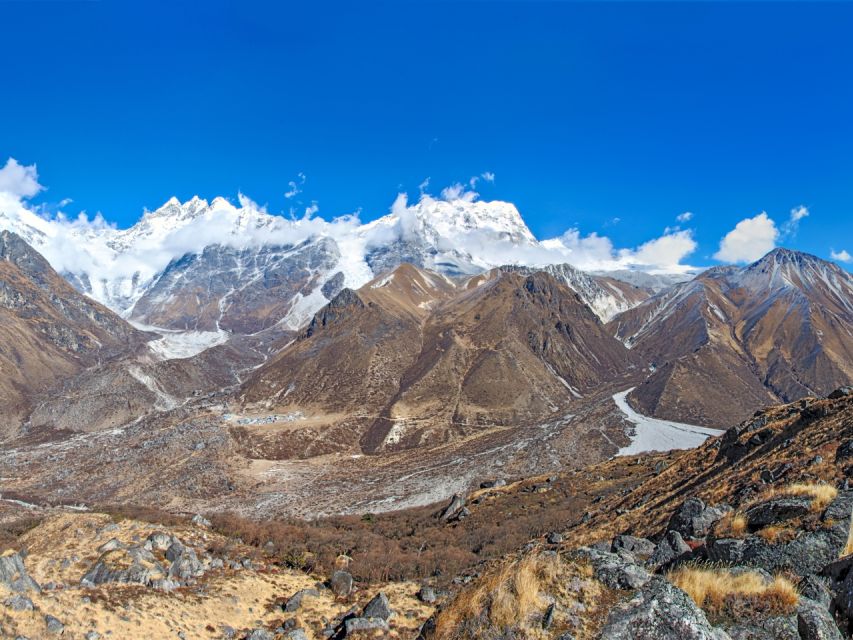
Today climbs more noticeably. The trail winds through forests, crosses village sections, and offers glimpses of waterfalls along the way. You’re also starting to see more of the “big wall” feeling of the Himalayas as the day progresses.
Ghoda Tabela at about 2,900m is a solid altitude step. It’s high enough that you’ll feel the air shift, but it’s not the top of the climb. That’s useful because it helps you settle into the rhythm of trekking rather than making you jump too quickly.
Potential drawback: if you get tempted to speed up for views, resist it. Altitude can affect everyone differently, and rushing is how a nice day turns into a miserable one.
Day 3: Ghoda Tabela to Kyanjin Gompa (3,870m)
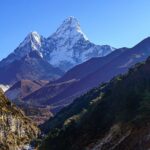
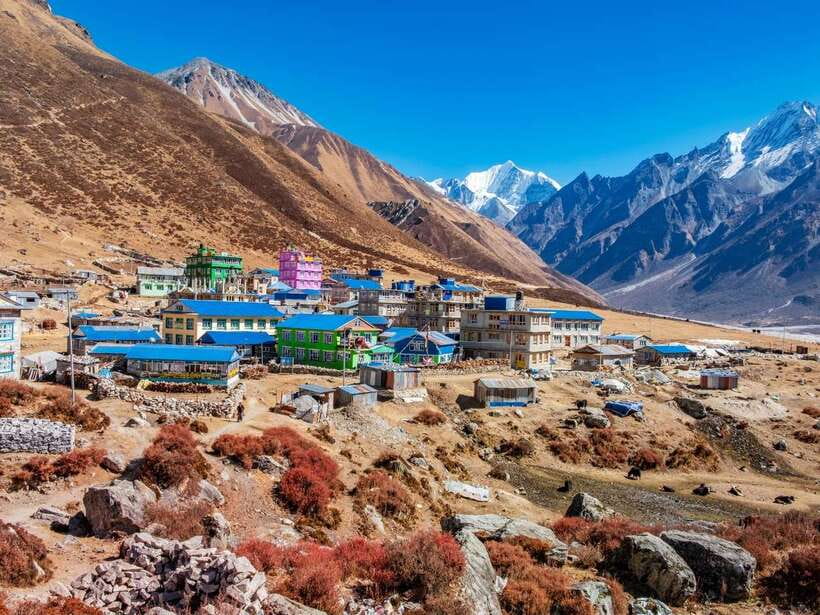
This is the day where the trek starts to feel very “Langtang.” You continue toward Kyanjin Gompa, a traditional mountain village surrounded by towering peaks. The trail keeps mixing forest walking with cultural village moments, so you’re not only thinking about elevation—you’re also seeing how people live in the valley.
When you reach Kyanjin Gompa, you get more than a viewpoint. You can explore ancient monasteries, and you’ll also have a chance to visit a local cheese factory and enjoy cheese tasting. That’s one of those small schedule surprises that turns the stop into a memory, not just a bed-and-breakfast checkpoint.
Why this stop matters: Kyanjin Gompa gives you the sense that this area is a living community. Even if you came for panoramic peaks, you leave with a clearer picture of day-to-day mountain culture.
You can also read our reviews of more tours and experiences in Kathmandu
Day 4: Kyanjin Gompa to Thangsyap (3,200m), plus optional Kyanjin Ri (4,770m)
This day has two faces.
First face: you’ll start from Kyanjin Gompa and head down toward Thangsyap at around 3,200m. That downhill portion matters because it helps your body recover while still keeping you in the valley’s rhythm.
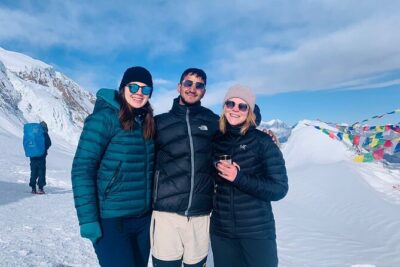
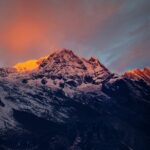
Second face: the optional early hike to Kyanjin Ri (4,770m). This is the classic payoff move—challenging, but with panoramic vistas of snow-covered peaks and glacial valleys. People often time it so you’re on the climb early enough to catch the best light and views.
If you’re deciding whether to do Kyanjin Ri, be honest with your body. The goal is a great sunrise-view experience, not a forced summit. Altitude can hit unpredictably, so listen to how you feel at Kyanjin Gompa.
Day 5: Thangsyap to Syabrubesi (1,550m)
Today is a long return walk, but it’s also a “look back and absorb it” day. You retrace your route through scenic forests and along the Langtang River. As you drop in altitude, the air gets easier and you’ll likely notice how much energy you saved by pacing earlier in the week.
Syabrubesi at about 1,550m feels like a reset point. You finish the valley portion of the trek with one last set of mountain views, then settle in for the night.
Practical tip: pack slowly and neatly tonight. Your gear is going to be in heavy use this week, and clean packing saves time on day 6.
Day 6: Return drive to Kathmandu
In the morning you’ll drive back to Kathmandu. This is mostly transport, but it also gives you a quiet moment to reflect on what you just did: river valleys, monastery buildings, and a whole section of Nepal that feels remote even while it’s actively lived in.
What Kyanjin Gompa really means on the ground
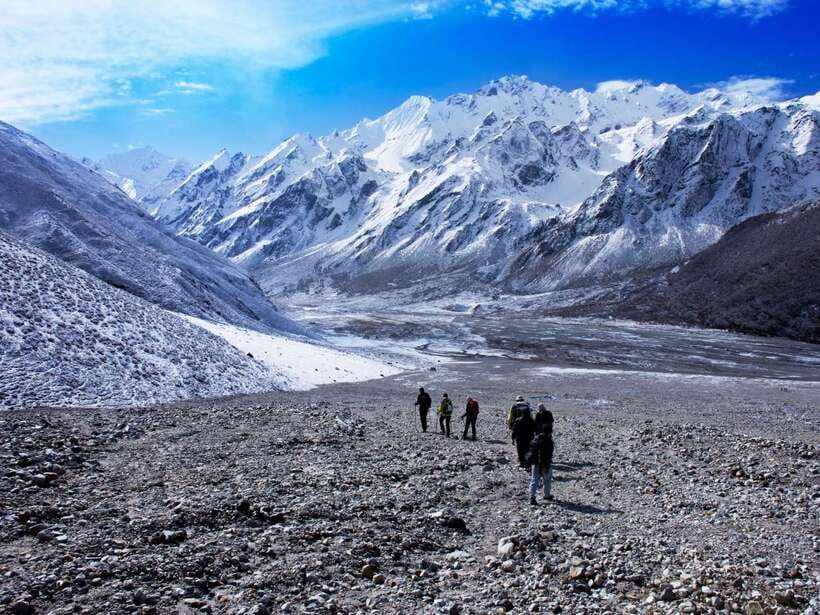
Kyanjin Gompa isn’t only a scenic stop. It’s a cultural anchor. You’ll have time to explore ancient monasteries, which changes the vibe from “touring” to “lingering.” You’ll also be able to visit a local cheese factory and do cheese tasting. That one detail tells you this community isn’t frozen in a postcard—it has local production and traditions that still matter.
This is also where the Tamang presence feels most direct. On this trek, Tamang culture shows up through villages and everyday life, not just a few scripted remarks. If you enjoy understanding how traditions sit inside real mountain routines, Kyanjin Gompa is a great highlight.
The Kyanjin Ri sunrise climb: worth it, but plan it smart
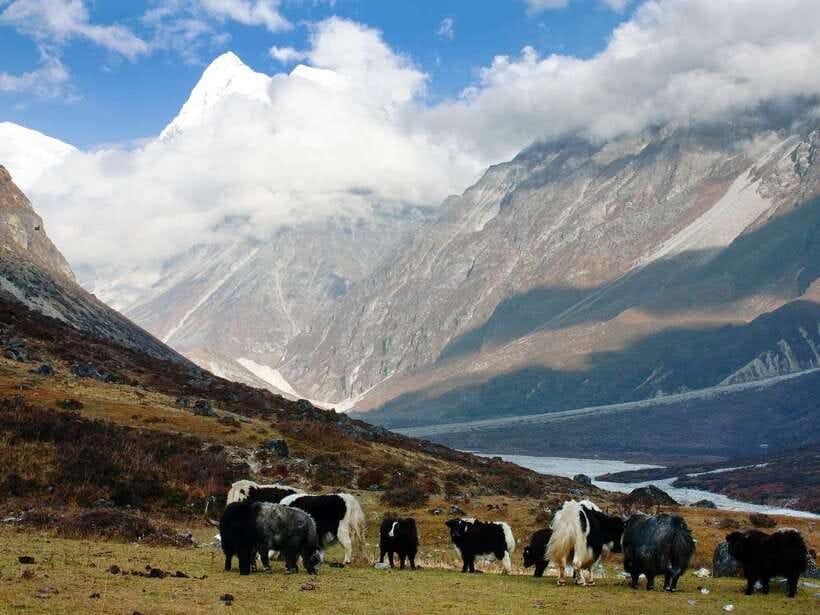
Kyanjin Ri is optional, and I think that’s exactly the right design. If you’re feeling good, it’s one of the best ways to earn a big panoramic view during a shorter trek. If you’re not feeling great, you still get the core Langtang experience at Kyanjin Gompa without needing to force the highest climb.
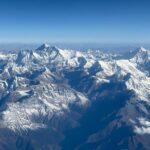
Expect it to be challenging. You’ll work for altitude, and the benefit is that the view stretches over snow-covered peaks and glacial valleys. People often talk about sunrise because the light makes the peaks pop, but the more important truth is simple: early-morning hikes usually mean colder air and less flexibility, so bring the right layers.
Best approach: if the climb is on your plan, keep your effort steady. You’re not racing the ridge. You’re doing a controlled, scenic effort, and it should feel like work you can manage.
Guides, pacing, and safety: how it affects your trip day to day
This tour includes an authorized English-speaking guide, and porters are an extra cost. In practice, that means you should plan to carry your own daypack and keep your workload reasonable. The company also provides luggage storage, which is useful if you’re trying to keep your trek pack lean.
What makes a guide matter most on a trek like this is pace. You’re moving through changing altitude and different trail conditions, and a good guide adjusts the day to how you’re doing. In guides’ styles you’ll see patterns like: frequent checking-in, flexible break timing, and clear answers to questions you might not think to ask early.
Altitude needs respect even when the itinerary feels “short.” The provided guidance is clear that altitude affects everyone differently. You might feel fine when you arrive at Langtang or Kyanjin Gompa, but there’s still risk of AMS symptoms like headaches, nausea, fatigue, or loss of appetite if acclimatization isn’t enough or ascent is too rapid.
My advice: treat symptoms like information, not a challenge. If you feel off, slow down, rest, and tell your guide right away. That’s how you protect the rest of your week.
Packing and trail essentials that match this itinerary
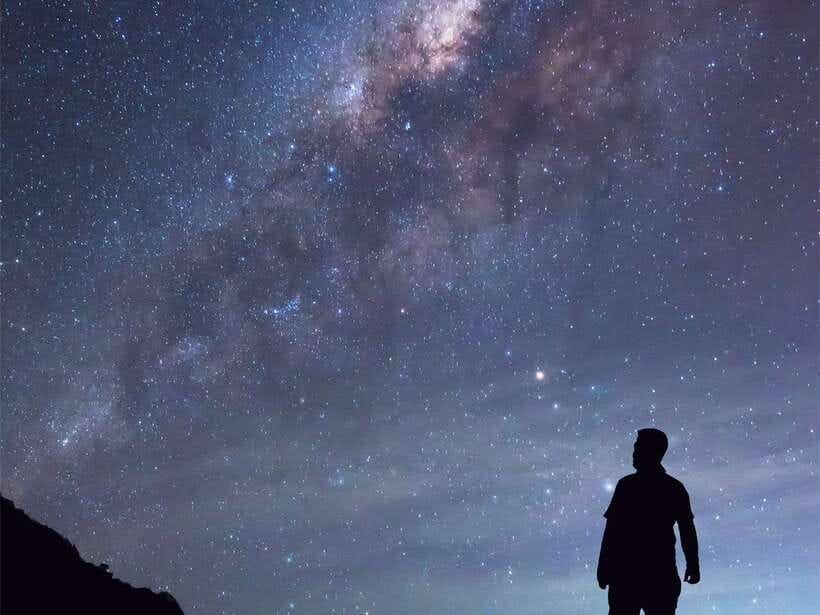
The trek asks you to be ready for cold, sun, and basic mountain conditions. You’ll want:
- Hiking shoes and trekking gear
- A jacket and gloves
- Sunscreen and sunglasses
- A flashlight
- Water and a way to manage it
- A sleeping bag
You might also find it helpful to bring layers you can manage during early starts, especially if you do Kyanjin Ri. Cold mornings can change how comfortable you feel fast.
What’s not provided in the included list: soft and hard drinks, bottle/boiled water costs, and personal expenses like phone calls or laundry. If you want showers, battery recharging, or extra drinks, those are personal add-ons.
Also note the rules: alcohol and drugs aren’t allowed. That keeps the trek focused on safety and comfort at altitude.
Price and value: where $179 per person makes sense
Price is listed at $179 per person for 6 days. What helps this feel like good value is what’s included versus what isn’t.
Included items that matter: hotel pickup and drop-off, trekking permits and the paperwork required, the Trekkers’ Information Management System fee(s), and staff coverage. The itinerary also includes private comfortable accommodation for five nights during the trek. That last part matters because nights at altitude can be the difference between a trek you remember fondly and one you remember as exhausting.
Also included: all meals during the trek for the Full Package only. If you take that full package, you’re buying yourself fewer “what do we eat today?” decisions and less logistical stress.
What’s not included: international flights and Nepal visa fee, travel and rescue insurance, and personal costs like drinks and water. So the real cost story depends on what you choose for meals (full package or not) and whether you add a porter.
Porter charge is extra. If you’re new to trekking or you like moving with less strain, adding a porter can be a smart investment in enjoyment, not just convenience. Even though the listing includes luggage storage, you’ll still carry your day-to-day essentials, so consider your comfort level.
Who this trek suits best (and who might want a different plan)
This is a great fit if you:
- Want a short trek that still feels like a real mountain journey
- Like cultural stops, especially monasteries and village life
- Are interested in Tamang culture and an actual mountain-community experience
- Want the option to go harder for views with Kyanjin Ri
It might be a tougher match if you:
- Are highly altitude-sensitive and know you struggle with climbs
- Want an entirely relaxed walk with no challenging options
- Prefer very predictable logistics with zero weather-driven changes (mountains rarely do that)
If you’re a first-time trekker, this plan can still work because the route is structured across multiple days and the guide is included. But you should go in with realistic expectations: you’ll hike, you’ll gain elevation, and you’ll be tired at the end of the day.
Should you book this 6-day Langtang Valley trek?
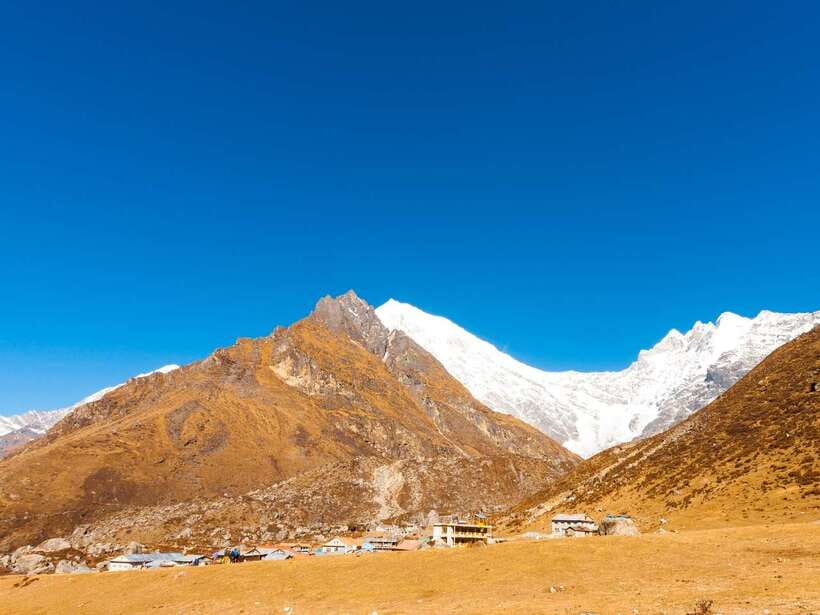
I’d book it if you’re aiming for a balanced week: mountain views plus monastery culture plus Tamang village life. The optional Kyanjin Ri is the kind of reward that makes early starts feel justified, and the Kyanjin Gompa stop adds cultural depth with monasteries and cheese tasting.
Skip or rethink it if altitude already makes you feel unwell on hikes, or if you know you tend to push too fast when you see a good view. For most people, the winning strategy is simple: pace early, ask questions, tell your guide if you’re not feeling right, and keep the goal bigger than the summit line.
If that sounds like your style, this trek is a very solid way to experience Langtang without taking on a huge time commitment.
FAQ
What’s the highest point on this trek?
Kyanjin Gompa is around 3,870m, and the optional Kyanjin Ri hike goes up to about 4,770m.
Do I need to hike Kyanjin Ri?
No. The Kyanjin Ri hike is optional on day 4.
Is a guide included?
Yes. You get an authorized English-speaking guide. Porter services are listed as an extra charge.
Are meals included?
Meals are included for the trek if you choose the Full Package (breakfast, lunch, and dinner during the trek).
What’s included in the price?
Hotel pickup and drop-off, trekking permits and required paperwork (including TIMS fee(s)), private accommodation during the trek, and all staff expenses are included.
How do I get to the start of the trek from Kathmandu?
You’ll have hotel pickup and a drive from Kathmandu to Syabrubesi as part of the itinerary. Transportation is shared transportation/bus based on the number of passengers.
What do I need to bring?
Bring essentials like a passport or ID card, sleeping bag, flashlight, sunscreen, hiking shoes, gloves, water, jacket, trekking gear, and sunglasses.
Does the itinerary ever change?
Yes. The itinerary may slightly change due to weather conditions or seasonal factors.
Is travel and rescue insurance included?
No. Travel and rescue insurance isn’t included, so you’ll want your own coverage.