REVIEW · KATHMANDU
Annapurna Base Camp Trek 12 Days
Book on Viator →Operated by Adventure Glacier Treks & Expedition · Bookable on Viator
Himalaya mornings start fast here. This 12-day Annapurna Base Camp trek moves you from Kathmandu to Pokhara, then through Gurung country and up to glacier-and-avalanche terrain, with sunrise moments built into the route. I like the way the trip blends trekking with local culture through Gurung and Magar communities, not just more hours on a trail.
My second big draw is the human support behind the scenes. The team’s coordinator, Dil Prasad Sapkota, is described as giving guidance in the weeks before departure, and even handling last-minute flight changes so you don’t lose days. If you want a smoother start in Nepal, that kind of planning matters.
One possible drawback: you need to be ready for steady climbing and altitude effects. The itinerary includes a classic step-heavy day (about 3,000 stone steps to Ulleri) and a slow, altitude-aware approach near Deurali, so this is not a walk-in-the-park trek.
In This Review
- Key things I’d pay attention to
- Annapurna Base Camp in 12 days: what you’re really signing up for
- From Thamel to Pokhara Lakeside: your Nepal warm-up
- Nayapul and Tikhedhunga: turning the wheel from vehicle to boots
- Ulleri and the 3,000 steps day to Ghorepani
- Poon Hill sunrise at 3,200m: your first big Himalaya hit
- Chhomrong: Gurung village energy and the Annapurna corridor feel
- Dovan and the steep-valley stretch: when the trail starts filtering your pace
- Deurali: the altitude reminder you can’t ignore
- The Annapurna Base Camp day: avalanche-prone reality and smart route changes
- Sunrise to Dovan again: getting your second mountain moment
- Sinuwa lodge night and the river path feel
- Jhinu hot spring to Pokhara: finishing strong with a natural reward
- Price and what’s included: where the $799 value comes from
- Who this Annapurna Base Camp trek is best for
- Should you book Adventure Glacier Treks for Annapurna Base Camp?
- FAQ
- What’s the duration and starting point for this Annapurna Base Camp trek?
- Does the trip include airport pickup and drop-off?
- Are meals included during the trekking days?
- Are permits included?
- Is accommodation included during the trek?
- Is a porter included?
- What’s the cancellation rule?
Key things I’d pay attention to
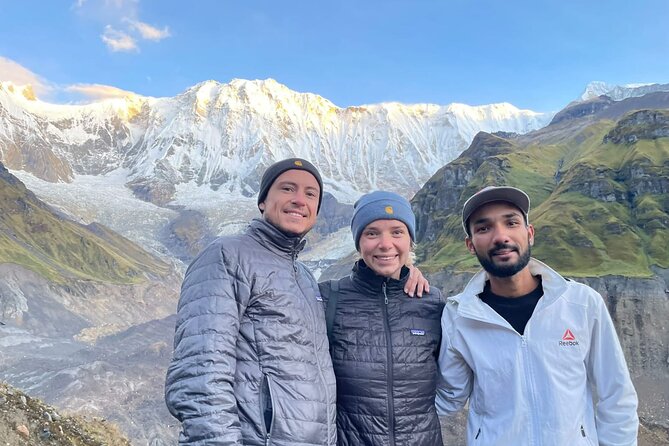
- Gurung and Magar culture worked into the trekking corridor, not tacked on
- Sunrise planning at Poon Hill, plus another morning on the way back
- Route adjustments for safety near the Annapurna Base Camp area
- A guide-led, permit-covered package including ACAP and local permits
- Lodge en route with three meals a day included to simplify daily decisions
Annapurna Base Camp in 12 days: what you’re really signing up for
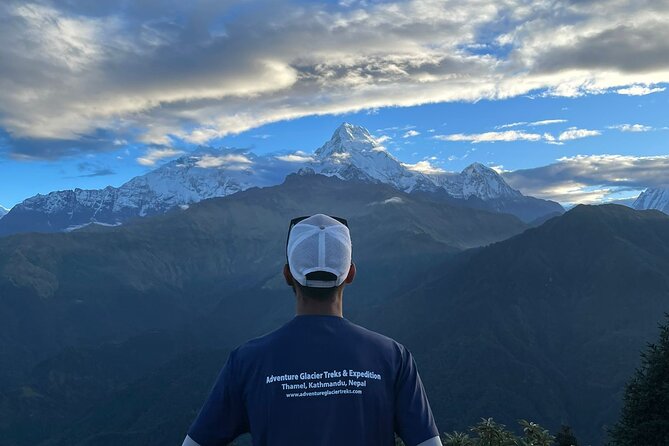
Annapurna Base Camp treks attract two types of people: the ones chasing views, and the ones chasing a feeling. This itinerary targets both. You get the headline: sunrise-friendly days, the Annapurna Sanctuary approach, and time at base camp / fishtail base camp. But you also get the rhythm that makes the Annapurna trek so memorable—village days, river valleys, forests, and the slow shift in air once altitude starts talking to your lungs.
The other thing you’re signing up for is structure. This trip includes ground transport, lodge stays en route, and three meals a day while trekking. That means less time figuring out food options at every stop and more time focusing on walking, resting, and enjoying the slow theater of the mountains.
If you like options, you’ll appreciate the private-tour setup. It’s listed as private, meaning only your group participates. That’s a small detail, but on a trek it can change everything about pacing, comfort, and how much you ask questions.
You can also read our reviews of more hiking tours in Kathmandu
From Thamel to Pokhara Lakeside: your Nepal warm-up
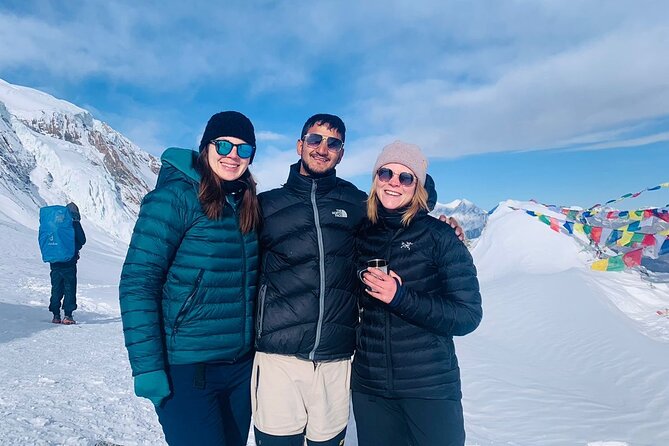
Your trek starts the same way a lot of good Nepal trips do: easing in, not ripping the first day. Day one includes pickup at Tribhuvan International Airport in Kathmandu, followed by a transfer to a hotel and a briefing. That briefing matters more than people think. On treks like ABC, it’s where you align expectations about pace, altitude, and what the next couple of days feel like on the ground.
Day two is the Kathmandu to Pokhara move. You’ll take a tourist bus, usually departing around 7:00 a.m., with a ride time of about 6–7 hours depending on road conditions. In plain terms: bring patience. Driving days can feel long, but this one sets you up for the real start of trekking from the Pokhara side.
Once you arrive in Pokhara Lakeside, you rest at the hotel. The value of that rest day is simple: it gives you time to sleep, organize trekking odds and ends, and get ready for the next day’s road-to-trail transition.
Nayapul and Tikhedhunga: turning the wheel from vehicle to boots
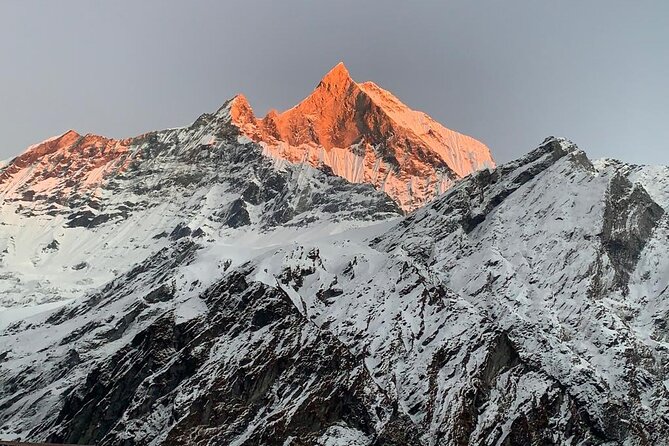
On day three, you leave Pokhara after breakfast and head toward the trailhead at Nayapul by private vehicle, with a scenic drive of about two hours. This is one of those transitions that makes the whole trek feel “real.” You’re no longer in logistics mode—you’re in trail mode.
From here, the route takes you toward Tikhedhunga. The trek is shorter in distance than later days, but it’s still a useful warm-up for the walking rhythm. Expect a mix of rural views, river-adjacent terrain, and gradual adjustment to the pace your body will need later in the week.
A practical note: even when a day feels like a warm-up, you’ll still benefit from slow starts. If you get impatient early, you’ll pay for it later—especially once the itinerary begins climbing toward higher villages.
Ulleri and the 3,000 steps day to Ghorepani
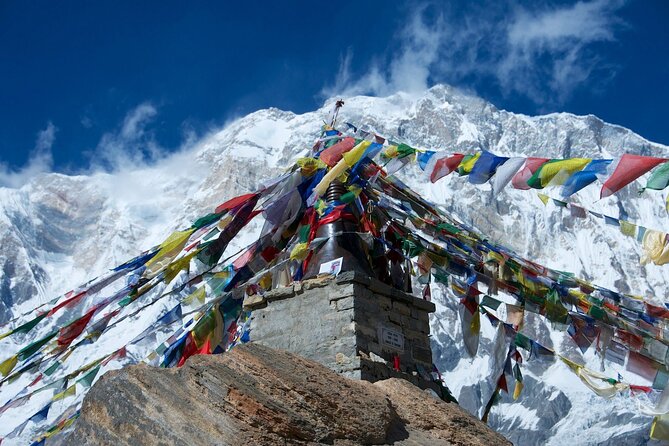
Day four is the “legs test” day. After breakfast you climb uphill toward Ulleri. The trek includes roughly 3,000 stone steps to Ulleri, which can take about two hours. This is one of those sections where form matters. Keep your steps steady, take short breaks, and don’t sprint even if you feel good at the start.
From Ulleri, you continue toward Ghorepani. Ghorepani is one of those villages that sits in a viewing-friendly position, so it’s not just a place to sleep—it’s a strategic waypoint for sunrise viewing.
The drawback here is obvious: you’ll feel the burn. The upside is also obvious: you’re earning one of the best early mountain payoffs that comes later the same week.
Poon Hill sunrise at 3,200m: your first big Himalaya hit
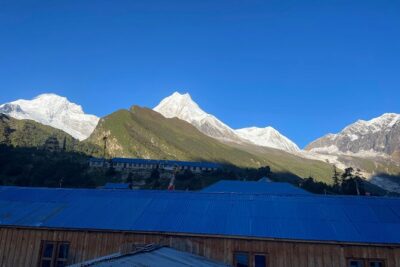
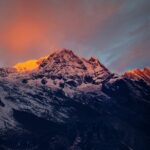
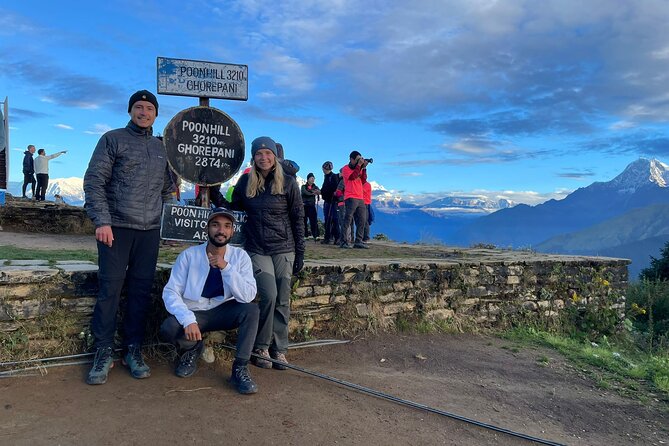
Day five is built around Poon Hill, one of the classic viewing spots in the Annapurna region. You’ll trek about 50 minutes to Poon Hill at around 3,200m to catch sunrise. The itinerary notes that from this viewpoint you can see roughly 15 peaks, including major names like Annapurna and Dhaulagiri.
What I like about this day is that it’s intense but short. You’re going upward, but not all day. Then you get the payoff quickly, before the trek shifts back to villages and forests.
For a better experience, plan to be flexible on timing once you’re up there. Sunrise mountains can be as much about clouds as they are about effort. If the sky is clear, you’ll get your reward. If it’s not perfect, the cold walk and the early quiet still feel worth it.
Chhomrong: Gurung village energy and the Annapurna corridor feel
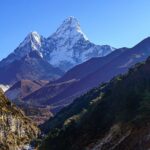
Day six moves you from the Tadapani area toward Chhomrong. The itinerary describes a descent of about 900 metres to the Gurjung River valley, followed by a gradual climb to Chhomrong, which is a large Gurung village sitting high in the corridor of Annapurna.
This is a key day for more than geography. It’s where you start sensing the trek’s cultural layer. Chhomrong is tied to the Gurung community, and the overall approach is designed to make time for real contact with people along the route rather than treating villages like passing scenery.
One more practical point: river valleys tend to bring changing weather and temperatures. So even if you start warm, pack layers and don’t assume conditions will hold steady. Lodges and meals come with warmth, but your walking temperature can swing quickly.
Dovan and the steep-valley stretch: when the trail starts filtering your pace
Day seven goes from Chhomrong toward Dovan, with a route that includes descending along Chhomrong Khola (the river) and climbing toward Sinwa. The itinerary mentions a roughly three-hour climb on this segment, followed by entering a steep valley toward the Annapurna Sanctuary foothills at the area near Annapurna South and Fishtail.
This day is about working with the trail instead of fighting it. Valleys like this often feel more demanding because you’re dealing with constant up-and-down energy rather than one clean ascent. If you keep your pace controlled, you’ll arrive feeling tired in a good way—not wrecked.
Also, notice how the itinerary is starting to point you toward the sanctuary approach. That matters because it changes what you’ll be thinking about on the next days: altitude management, pacing, and the fact that the base camp area isn’t just “pretty”—it’s also technical terrain.
Deurali: the altitude reminder you can’t ignore
Day eight centers on Deurali. Above Dovan, the itinerary notes that the effects of the altitude start to show. The approach here is slow, with an ascent over about two hours to another Himalayan hamlet, while the trail passes through lush green forest.
Even if you feel fit, altitude affects everyone differently. The value of this day is that it doesn’t try to shock you. It gives you a gentle but clear reminder that your body needs time to acclimatize.
This is also the day where you’ll benefit from a simple plan: hydrate early, eat regularly, and don’t “win” by walking faster than your breath. If you’re saving your energy, the base camp day becomes more enjoyable, not just more reachable.
The Annapurna Base Camp day: avalanche-prone reality and smart route changes
Day nine is the headline day. The route described runs from Deurali toward Fishtail Base Camp and then onward in the Annapurna Base Camp approach. Here’s the big detail: the trail from Deurali to Fishtail Base Camp is described as avalanche-prone, so the route can change across the Modi River depending on situation and season.
That safety-first note is important. It means the trip isn’t treating the base camp day like a fixed postcard route. Conditions can affect what you do on the ground, and your team’s job is to keep you moving safely.
You’ll likely spend a few hours getting to the base area, and you’ll want to treat that time as both effort and payoff. Once you’re there, the best use of time is simple: stand still long enough to feel the cold air and the scale of the peaks. And when you descend, respect your legs. The return effort can be harder than you expect, even when the legs feel okay at the moment you start walking.
Sunrise to Dovan again: getting your second mountain moment
Day ten includes another sunrise after which you trek back toward Doban/Dovan. The itinerary says the first part can be steep and then becomes gradual downhill.
I like this day because it gives you a second chance to see the mountains under fresh light, without forcing you into another all-day climb. It’s also a practical recovery step. Heading back toward a lower point helps your body reset a bit after base camp altitude exposure.
River-junction villages like Dovan are good rest stops: they’re functional, they’re calm, and the walk out of them tends to be smoother psychologically because you already know the terrain is easing.
Sinuwa lodge night and the river path feel
Day eleven brings a quieter kind of trekking. The itinerary describes following the path along the river and peaceful forest with waterfalls, sounds, and birds, then taking an easy hike up toward Sinuwa Hill. You overnight at a trekking lodge at Sinuwa.
This day is a nice contrast to the earlier climbing intensity. The value isn’t only scenic—it’s mental. If you’ve been thinking about altitude, the forest-and-river walk helps shift your focus back to enjoying the journey.
Expect you’ll sleep better tonight than on high-intensity days. You’re close enough to the end that your brain can relax, but far enough that the trek still feels like a real trek.
Jhinu hot spring to Pokhara: finishing strong with a natural reward
Day twelve wraps it up with the Jhinu natural hot spring. The itinerary suggests trekking about two hours to Jhinu, then spending time bathing there, having lunch, and driving back to Pokhara. It also notes you can choose to trek further before returning, but the default plan is the hot spring finish.
This is a smart ending. A hot spring stop helps reset sore legs, and it gives you a “closure ritual” to the trek. Then the drive to Pokhara gives you a softer landing back into city life.
One practical note: bring a towel and something to keep warm afterward. Even if it’s pleasant during the day, mountain air can cool quickly once you stop walking.
Price and what’s included: where the $799 value comes from
The price listed is $799.00 per person for about 12 days. The best way to judge value here is to look at what’s included, not just the headline number.
Included items:
- Lodge accommodation en route
- Three meals a day while trekking (breakfast, lunch, dinner) with tea/coffee en route
- Ground transportation
- A professional guide plus their insurance and equipment
- Airport pickup/drop in Kathmandu
- Permits and fees, including ACAP and local permits
- Daily listed meals in Kathmandu and Pokhara are not included, but breakfast and select items are mentioned in the package summary
Not included:
- Beverages, tips for guide, and your insurance
- Personal expenses
- Food in Kathmandu and Pokhara except daily breakfast
- Kathmandu accommodation
- A trekking porter if you want one
In real terms, you’re paying for a package that covers the “stuff that adds up”: guide support, lodging logistics, meals on the trail, and permits. The trip isn’t just selling walking days. It’s selling day-to-day decisions taken off your plate, which is a big deal when you’re tired and altitude has already asked a lot of your attention.
If you want a porter, you’ll need to budget for that separately. If you don’t, you’ll be carrying your own pack. Either approach is doable—just match it to your comfort level, not pride.
Who this Annapurna Base Camp trek is best for
This trek fits best if you:
- want a classic Annapurna Base Camp experience with sunrise moments and village days
- like structured pacing, especially around altitude changes
- prefer a guide-led experience with permits handled
- have at least moderate physical fitness and can handle steep stretches
It might not be the right choice if you:
- hate step climbs and sustained uphill
- need fully flexible day-by-day changes on your own schedule
- want more hotel-style comfort in the trekking portion, since you’ll be in lodge accommodation en route
Because it’s private (only your group), it’s also a good fit for friends and small teams who want a calmer, more tailored experience than big group treks.
Should you book Adventure Glacier Treks for Annapurna Base Camp?
I’d consider booking if you want a trek that balances mountain goals with real human support. The combination of permit coverage, three meals a day on trail, and a guide team with a track record of handling pre-trip planning (including flight-change help described by previous clients) is the kind of setup that reduces stress when you’re in Nepal.
I wouldn’t book blindly if you’re fragile with physical effort or altitude. The itinerary includes steep steps, altitude exposure near Deurali, and a base camp approach that can involve route changes for safety.
If you’re the type who likes sunrise planning, cultural village stops, and a clear 12-day arc to base camp and back, this one checks a lot of boxes.
FAQ
What’s the duration and starting point for this Annapurna Base Camp trek?
The trek is listed as 12 days (approx.) and it starts at Tribhuvan Airport in Kathmandu, Nepal.
Does the trip include airport pickup and drop-off?
Yes. Airport pickup and drop-off are included.
Are meals included during the trekking days?
Yes. The package includes three meals a day (breakfast, lunch, dinner) with tea/coffee en route, along the trekking portion. Food in Kathmandu and Pokhara is not included except for daily breakfast.
Are permits included?
Yes. The package includes all applicable permits and fees, including ACAP and local permits.
Is accommodation included during the trek?
Yes. Accommodation at lodges en route is included. Kathmandu accommodation is not included.
Is a porter included?
A trekking porter is not included, but it notes porter options if you need one.
What’s the cancellation rule?
You can cancel for free up to 24 hours in advance for a full refund. Canceling within 24 hours of the experience’s start time does not receive a refund.