REVIEW · KATHMANDU
6 Days Muktinath Tour Package in Nepal
Book on Viator →Operated by Welcome Nepal Treks P.ltd · Bookable on Viator
Muktinath feels like a spiritual finish line. This 6-day circuit strings together famous temples, Pokhara sightseeing, and a high-altitude pilgrimage to Muktinath Temple at about 3,710 meters, reaching it through Mustang country and the Thorong La area. You also get a practical mix of driving and flying so the trip stays doable for most people.
What I like most is the transportation plan: airport transfers are handled, Kathmandu and Pokhara are covered with private-vehicle sightseeing, and the tricky Pokhara–Jomsom–Pokhara legs are done by flight. I also like that you’re not just dropping into one temple—this route stacks multiple sacred stops, including Pashupatinath and Boudhnath, plus time to see the Pokhara lakeside highlights.
The main thing to consider is pacing and altitude. You’ll spend part of the journey at elevation, and the Jomsom–Muktinath part is a shared jeep transfer, so it’s not the most comfortable option if you’re sensitive to bumps or cold.
In This Review
- Key Highlights You’ll Actually Use
- Muktinath Temple: Why This Trip Exists
- The Route in Plain Terms: Kathmandu → Pokhara → Jomsom → Muktinath
- Day 1 in Kathmandu: Pashupatinath at Night, Then Sleep Easy
- Day 2 in Pokhara Lakeside: Caves, Waterfall, Talbarahi, and Fewa Lake
- Day 3: Flight to Jomsom, Shared Jeep to Muktinath, Return to Base
- Day 4 Back in Pokhara: Davis Falls, Gupteswor Cave, Peace Pagoda
- Day 5: Option for Manakamana Temple by Cable Car, Then Back to Kathmandu
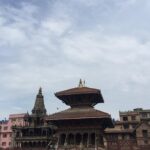
- Day 6 in Kathmandu: Monkey Temple, Pashupatinath, Boudhnath, Durbar Square
- Price and Value: What $700 Really Buys in This Route
- Comfort, Transport, and the Human Touch (What the Reviews Strongly Emphasize)
- Who This Tour Fits Best
- Should You Book This 6-Day Muktinath Tour?
- FAQ
- What is the duration of the Muktinath tour?
- How much does the tour cost?
- Where does the tour start?
- What does the tour include for transportation?
- What kind of accommodation is provided?
- Are meals included?
- Is the Muktinath permit included?
- Do I need to pay for sightseeing tickets in Kathmandu and Pokhara?
- What if weather affects the trip?
- What is the cancellation policy?
Key Highlights You’ll Actually Use
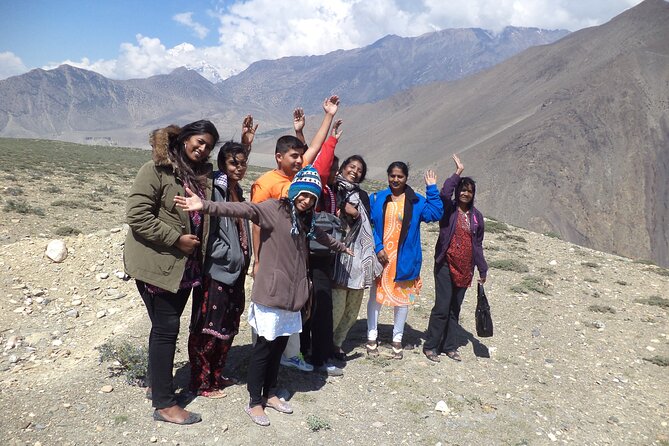
- Muktinath Temple at ~3,710 meters: one of Nepal’s most important Hindu-Buddhist pilgrimage sites
- Flights for the hard part: Pokhara–Jomsom–Pokhara by air to save time
- Private-vehicle sightseeing in Kathmandu & Pokhara: smoother transfers, less confusion
- Shared jeep ride to the temple: a real Mustang-style approach, not a short hop
- Muktinath permit included: you’re covered for an essential requirement
Muktinath Temple: Why This Trip Exists
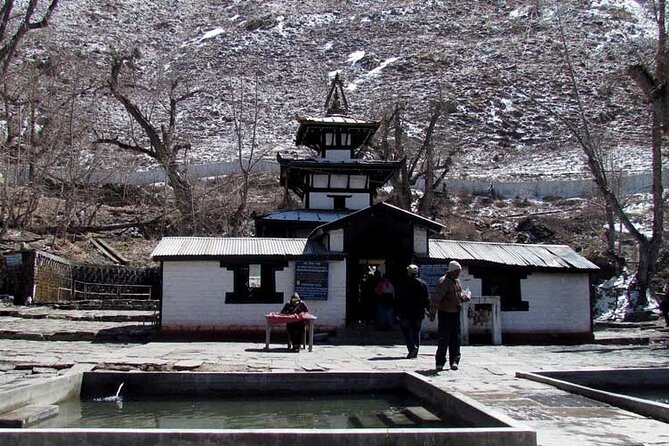
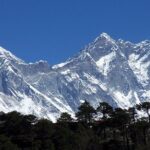
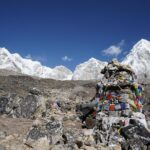
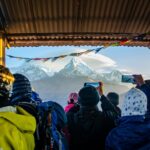
Muktinath Temple is a rare kind of holy place. It sits high in the Himalaya region (around 3,710m) across Mustang Valley territory, near the mountain pass area associated with Thorong La. That setting matters because it changes the vibe: mornings can feel crisp and thin-air serious, while the temple area feels both spiritual and weather-driven.
The site is important to both Hindus and Buddhists. In Hindu tradition, priests describe it as linked to Mukti Kshetra, which is tied to moksha—liberation. In practical terms, what you’ll notice is that the temple isn’t “just sightseeing.” People come focused: to pray, to walk, to sit, and to do the rituals that keep repeating with the seasons.
If you’re the kind of traveler who likes a clear theme for the week, this tour gives you one: sacred temples first, then scenic interludes in Kathmandu and Pokhara, and finally the high-altitude payoff at Muktinath.
You can also read our reviews of more tours and experiences in Kathmandu
The Route in Plain Terms: Kathmandu → Pokhara → Jomsom → Muktinath
This is a six-day loop centered on Muktinath, but the route is also built to help you get there without burning every day on long roads.
- Kathmandu covers major spiritual landmarks and sets your trip’s tempo.
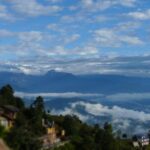
- Pokhara adds lakeside city time and viewpoint-friendly sightseeing (including caves and falls).
- Jomsom is your base for the Mustang access point.
- Muktinath is the “reason you came,” reached by jeep from Jomsom and returned the same way.
The itinerary mixes private vehicles with flights, which is exactly what you want here. Roads in this region can be slow, and flights reduce fatigue and timing stress, especially with a tight 6-day schedule.
Day 1 in Kathmandu: Pashupatinath at Night, Then Sleep Easy
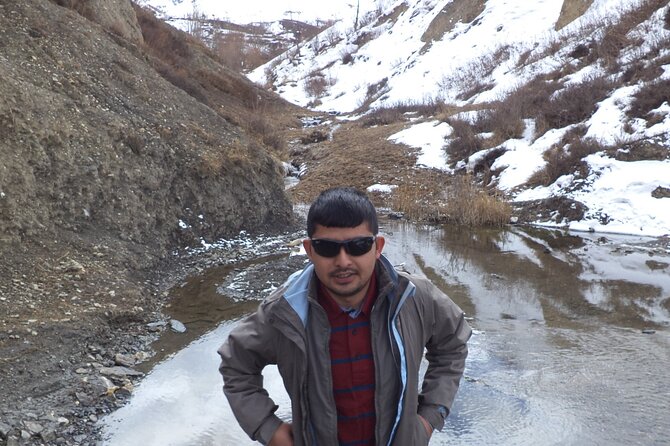
Day 1 starts with arrival and a straightforward transfer to your Kathmandu hotel. You’ll also get an evening visit to Pashupatinath Temple. This is a strong first choice because the Pashupatinath complex is a major spiritual magnet—and arriving at night often feels more human and less like a photo stop.
You’ll stay overnight in Kathmandu at a 3-star hotel, which matters on trips like this. After airport arrival, you want your first night to be easy, with a bed you trust.
Practical tip for you: if you’re visiting in the evening, dress comfortably and keep your layers ready. Night near temple areas can still feel cool, and you’ll likely stand and walk a bit.
Day 2 in Pokhara Lakeside: Caves, Waterfall, Talbarahi, and Fewa Lake
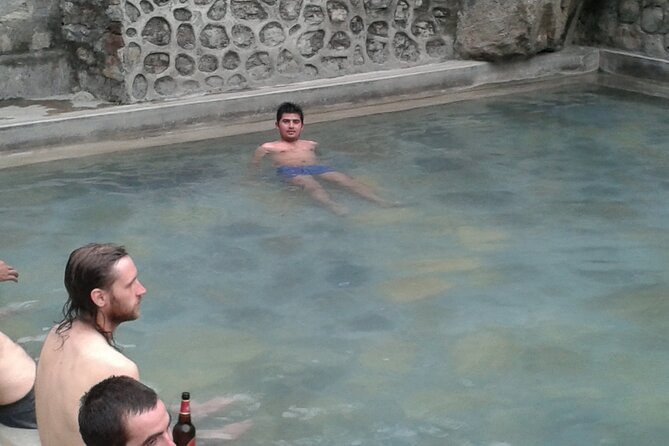
On day 2, you travel to Pokhara and spend the day around lakeside. Your sightseeing list is classic Pokhara, but it’s also well-balanced: you get temple time, nature time, and a lake moment.
You’ll visit:
- Lord Shiva’s Caves
- Devi’s Waterfall
- Talbarahi Temple
- Phewa Lake
What I like about this mix is that it doesn’t pretend Pokhara is one single thing. Caves and waterfall give you movement and drama; Talbarahi ties in the temple theme; Phewa Lake gives you the calm counterweight.
Expect a full but not rushed day. You’ll overnight in Pokhara at a 3-star hotel.
Note to keep you sane: this tour doesn’t clearly include lunch and dinner. Breakfast is included, but plan to budget for meals as you go.
Day 3: Flight to Jomsom, Shared Jeep to Muktinath, Return to Base
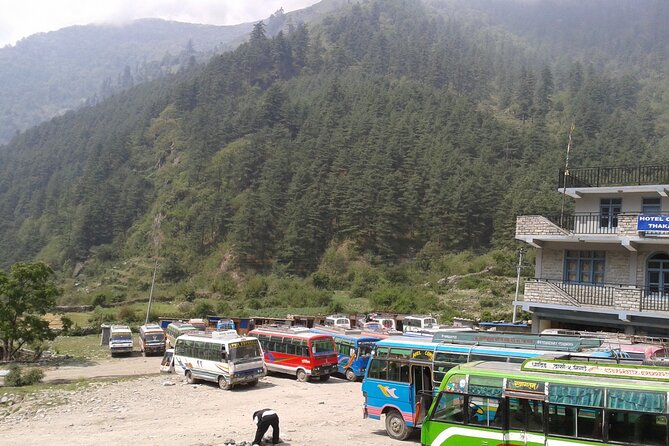
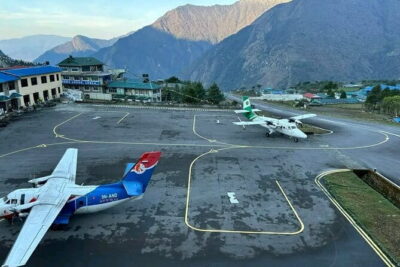
Day 3 is the turning point. You’ll fly from Pokhara to Jomsom, then travel to Muktinath by shared jeep, return to Jomsom for the night, and sleep at a lodge.
This day is short on words but long on meaning:
- The flight helps you get to Mustang access fast.
- The jeep transfer gives you that “crossing into Mustang” feeling.
- Muktinath becomes your actual destination, not a distant idea.
You’ll also have your Muktinath permit included, which is the kind of boring-but-important detail that keeps the pilgrimage day from turning into paperwork chaos.
What to consider: shared jeep rides mean you’re not in full control of comfort. If you get motion-sick or hate rough roads, bring what you need (and keep your expectations realistic). Also, with altitude involved, keep water and warm layers in mind.
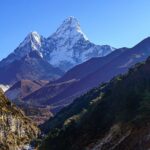
Day 4 Back in Pokhara: Davis Falls, Gupteswor Cave, Peace Pagoda
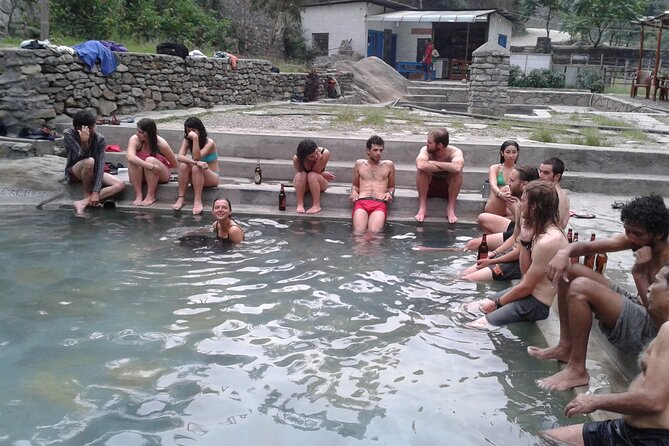
After Muktinath, day 4 brings you back to Pokhara for more sightseeing. If you want a sanity check for the overall pace: this day helps you land after the spiritual high point.
The included sightseeing highlights are:
- Davis Falls
- Gupteswor Cave
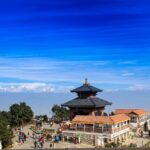
- World Peace Pagoda
- White River
- Bindabasini Temple
This is a good day if you enjoy variety. It’s not all “temple only.” Caves and falls give you physical sights, while the Peace Pagoda adds a viewpoint-and-calm component. Bindabasini continues the devotion theme.
One more practical angle: this day lists certain items as included, and others may require separate entrance tickets. The tour data notes that sightseeing entrance tickets for Kathmandu and Pokhara aren’t included, so you should expect you may need to pay for some entry points during these stops.
You’ll stay another 3-star night in Pokhara at Hotel City Inn or similar.
Day 5: Option for Manakamana Temple by Cable Car, Then Back to Kathmandu
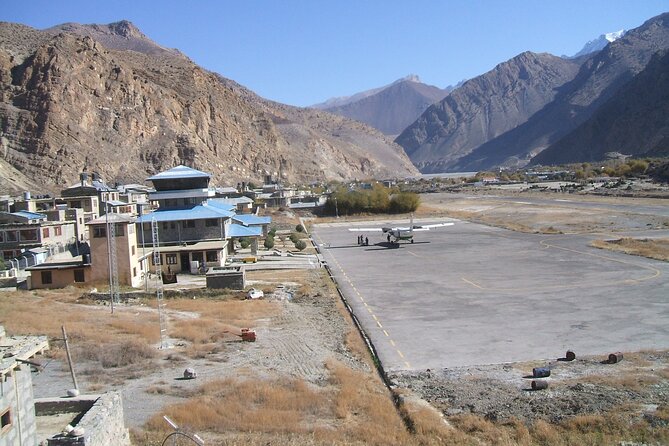
Day 5 is the return day. You’ll travel back toward Kathmandu, and on the way you can visit Manakamana Temple by cable car, with the cable car self-paid.
This is a neat add-on because it gives you a different kind of Nepal temple experience than Pashupatinath and Muktinath. Manakamana is famous and dramatic in its own right, and the cable car approach usually means better views and less road time.
The itinerary also includes evening free for shopping in Kathmandu, followed by an overnight stay at a Kathmandu hotel (3-star).
For you: if shopping is part of the plan, set aside time that evening. After a flight and a jeep day, you’ll appreciate having a low-pressure block.
Day 6 in Kathmandu: Monkey Temple, Pashupatinath, Boudhnath, Durbar Square
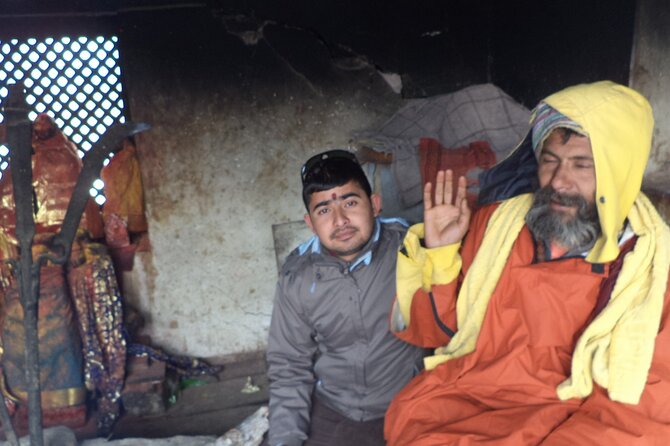
Your final day is Kathmandu sightseeing plus an airport drop. The plan includes:
- Monkey Temple
- Pashupatinath Temple
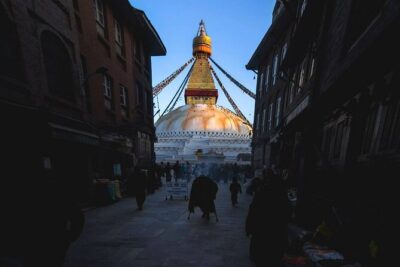
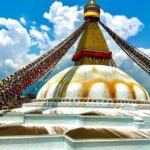
- Boudhnath Stupa
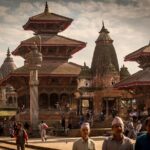
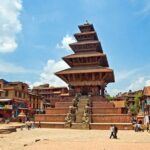
- Kathmandu Durbar Square
That’s a strong closing set because it layers styles. You’ll see Hindu devotion (Monkey Temple and Pashupatinath), Buddhist iconography (Boudhnath), and then the historic and cultural center area (Durbar Square).
Reality check: you’ll likely be walking and timing this as you move between sites. If you’re sensitive to crowds or heat, start with your top priority early in the day so you don’t get squeezed by later traffic.
Then you’ll be dropped at the airport.
Price and Value: What $700 Really Buys in This Route
At $700 per person, this tour sits in the “serious but not extravagant” tier for Nepal. Here’s why the value works (and where it may feel thin).
What you’re paying for:
- Flights (Pokhara–Jomsom–Pokhara) where driving would be slow and tiring
- Hotel stays: 2 nights Kathmandu, 2 nights Pokhara, 1 night Jomsom (with dinner listed for that night)
- Private vehicle transfers for sightseeing segments
- Muktinath permit
- Pickup and drop-offs
- Breakfast included for 5 mornings
So the price isn’t just paying for temples. It’s paying for the logistics that make the pilgrimage day feasible.
Where you might want to budget extra:
- Lunch, dinner, snacks, and mineral water are not included unless specified
- Sightseeing entrance tickets for Kathmandu and Pokhara aren’t included in the tour data
- Manakamana cable car is self-paying
If you’re the type of traveler who hates scrambling for connections and last-minute tickets, this package tends to feel worth it. If you prefer going fully DIY, you may be able to reduce cost—but you’ll trade away convenience.
Comfort, Transport, and the Human Touch (What the Reviews Strongly Emphasize)
Across the provided feedback, the most praised aspect is how smooth the ride and day-to-day coordination feel. The consistent themes: safe, comfortable transportation, friendly drivers, and a team that makes sure you have what you need.
Welcome Nepal Treks (with Mr Hari repeatedly named in feedback) comes up as the kind of operator who manages the details so you can focus on the sites. I also saw strong praise for hotels being “nice places” rather than bare-minimum options, which is a big deal on a 6-day schedule where you’ll be tired.
That “set-up support” is what makes this tour easier for first-timers. You’re not navigating the whole thing; you’re following a plan.
Who This Tour Fits Best
This is a great match if:
- You want Muktinath without a multi-week trek
- You like temple travel with a clear spiritual theme
- You prefer fewer logistics headaches, especially around flights
- You’re okay with a shared jeep day and some altitude adjustment
It may be less ideal if:
- You need maximum comfort and hate rougher rides
- You’re very budget-sensitive, since meals and some entrance tickets may add up
- You dislike structured itineraries and prefer flexible day-by-day choices
Should You Book This 6-Day Muktinath Tour?
I’d book it if your goal is simple: see major Nepal temples, add Pokhara scenery, then reach Muktinath Temple in a time-efficient way. The value is strongest when you care about smooth transport and done-for-you planning, especially with the flight over to Jomsom and the permit included for the Muktinath day.
Before you say yes, do two quick checks for yourself:
- Are you comfortable with high altitude around Muktinath and the cooler conditions that can come with it?
- Have you budgeted for lunch/dinner and possible entrance tickets in Kathmandu and Pokhara?
If those fit, this package is a solid way to hit the spiritual highlights without turning your trip into a logistics project.
FAQ
What is the duration of the Muktinath tour?
The tour runs for about 6 days.
How much does the tour cost?
The price is $700 per person.
Where does the tour start?
The meeting point is Tribhuvan Airport, Kathmandu, Nepal.
What does the tour include for transportation?
You get airport pickups and drop-offs in a private vehicle, and Pokhara–Jomsom–Pokhara by flight. The Jomsom–Muktinath–Jomsom transfer is done by sharing jeep on a basic level.
What kind of accommodation is provided?
You stay in 3-star hotels for 2 nights in Kathmandu and 2 nights in Pokhara, plus 1 night in Jomsom with dinner.
Are meals included?
Breakfast is included (5 breakfasts). The tour data says lunch and dinner are not included unless mentioned.
Is the Muktinath permit included?
Yes. The itinerary includes Muktinath permit.
Do I need to pay for sightseeing tickets in Kathmandu and Pokhara?
The tour data says sightseeing entrance ticket for Kathmandu and Pokhara is not included, so you should expect to pay some entries separately.
What if weather affects the trip?
This experience requires good weather. If it’s canceled due to poor weather, you’ll be offered a different date or a full refund.
What is the cancellation policy?
There is free cancellation. You can cancel up to 24 hours in advance for a full refund, and changes within 24 hours aren’t accepted.