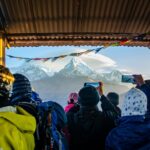
Himalayan mornings start early here. This private 6-day plan strings together Kathmandu and Pokhara with Sarangkot sunrise and expert-guided heritage stops. It’s also designed to leave room for Nepal’s people and traditions, not just photos.
I love the way the logistics stay simple: private airport transfers, local guides in Kathmandu and Pokhara, and even 2 mineral waters per person each day while sightseeing. One thing to keep in mind: the schedule leans on early starts and flights, and Nepal weather can change plans fast, plus some road days can feel rough.
In This Review
- Key things to know before you go
- Price and Logistics for a 6-Day Private Kathmandu–Pokhara Tour
- Day 1: Kathmandu Arrival, Welcome Drink, and Getting Your Bearings
- Day 2: The 30-Minute Flight to Pokhara and a Hotel Reset
- Day 3: Sarangkot Sunrise Over Fewa Lake and the Seti River
- Day 4: Flight Back to Kathmandu and Bhaktapur Sightseeing
- Day 5: Patan Durbar Square and Swayambhunath Heritage Day
- The Cultural and Mountain-Region Extras You Should Confirm
- What’s Included (and What You’ll Want to Budget for)
- Hotels, Guides, and the Value of a Real Local Voice
- Timing, Weather, and How to Make the Best of Early Mornings
- Who This Private Kathmandu–Pokhara Tour Suits Best
- Should You Book This 6-Day Private Tour?
- FAQ
- Where does the tour start?
- Is this a private tour?
- Are airport transfers included?
- What flights are included?
- Are hotel nights included, and what kind?
- What sightseeing costs are covered?
- What meals are included?
- What do I need to pay for myself?
Key things to know before you go
- Private end-to-end flow with an accompanying official escort and private vehicle transfers
- Sarangkot at sunrise for big Himalaya views over Pokhara Valley, plus Seti River and Fewa Lake viewpoints
- Kathmandu Valley heritage hits including Bhaktapur sightseeing, Patan Durbar Square, and Swayambhunath
- Domestic flights included for the Kathmandu–Pokhara–Kathmandu legs
- Entrance fees covered for monumental areas listed in the plan
- Seasonal cultural experiences may be included, like local festivals, traditional cultivation/harvesting, and a cultural program with outdoor campfire
Price and Logistics for a 6-Day Private Kathmandu–Pokhara Tour
At $2,447 per person, you’re paying for a private format that bundles real costs together: hotels, guided sightseeing, domestic flights, transfers, and entry fees for key sites. In plain terms, it’s not the cheapest way to see Nepal—but it’s often good value when you want less hassle and more time with a guide who knows how to move through temples, courtyards, and crowds.
Here’s what you get that usually costs extra when you plan yourself:
- 5 breakfasts (3 in Kathmandu, 2 in Pokhara) plus dinner with welcome and farewell meals
- 3 nights in Kathmandu and 2 nights in Pokhara, twin-share on a bed-and-breakfast basis
- KTM–PKR–KTM flights (domestic fares and taxes included, though the operator notes fares can change)
- Monumental area entrance fees included
- Professional local guide service in Kathmandu and Pokhara
- Two mineral waters daily while sightseeing
The tradeoff is that this is a structured, time-based trip. If you’re the kind of traveler who likes to “wing it” every hour, you may feel the rhythm a bit—especially on mornings like Sarangkot sunrise. Also note one operational reality: this experience requires good weather, and flights can be weather-sensitive.
You can also read our reviews of more private tours in Kathmandu
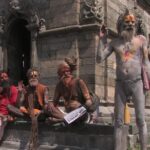
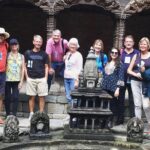
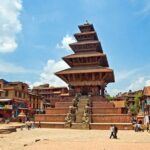
Day 1: Kathmandu Arrival, Welcome Drink, and Getting Your Bearings
Your trip begins the moment you land at Tribhuvan International Airport. You’ll be met by the operator’s representative, transferred to your hotel by private vehicle, then handled with a quick welcome rhythm—welcome drink and a tour briefing.
That first evening matters more than it sounds. After a long flight, having a guide explain the plan—where you’ll go, what time you’ll need to be ready, and how temple timing typically works—helps you enjoy Kathmandu instead of just surviving it.
You’ll also have a welcome dinner included, which is a nice way to settle in with your escort and confirm any small preferences (diet, walking pace, and what you want to prioritize).
Practical tip: Kathmandu can be a little chaotic right after arrival. Let the team “do the thinking” on day one. You’ll thank yourself later when the early mornings start.
Day 2: The 30-Minute Flight to Pokhara and a Hotel Reset
Day two has you check out in Kathmandu based on your flight timing, then take a scenic 30-minute flight to Pokhara. When you land, your vehicle will be on standby, and you’ll transfer to your hotel for check-in.
This is one of the smartest parts of the itinerary. Flying avoids a long drive and buys you time to actually enjoy Pokhara when you arrive. Pokhara is where the pace usually feels calmer, and the hotel check-in helps you recover from the first travel day without losing a whole afternoon.
What you can expect here is mostly transition time—yet that transition is still valuable. In Nepal, the difference between arriving rested and arriving stressed can change how much you enjoy dinner and your first evening walk.
If you’re coming for views, this is also your setup day. Tomorrow’s sunrise plan is the real payoff.
Day 3: Sarangkot Sunrise Over Fewa Lake and the Seti River
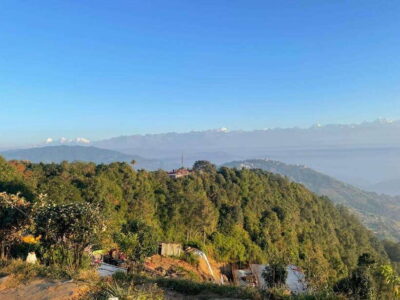
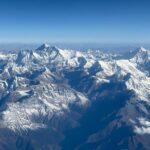
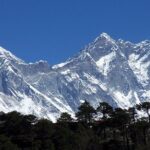
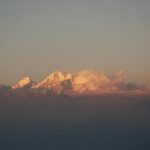
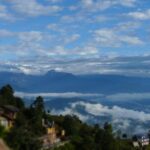
Day three starts with a wake-up call for Sarangkot sunrise. This is a classic Pokhara move because Sarangkot sits above the valley, giving you a strong shot at early light and a clear view of the glittering Himalayas.
The payoff isn’t just “mountains in the distance.” The plan specifically calls out views across Pokhara Valley, including the Seti River and Fewa Lake. That combination is why sunrise here feels like more than a scenic stop—it’s a full visual story of how Pokhara sits between water, river corridors, and mountain backdrops.
You’ll spend the morning out catching the best light. Then you’ll likely have the rest of the day for recovery and personal plans—this part of the schedule is built around the fact that sunrise comes early and rewards patience.
Possible drawback: early starts are early. If you hate waking up before your coffee has warmed up, Sarangkot will test you. Still, if you can manage the alarm, this is the single most “worth the effort” moment in the Kathmandu–Pokhara rhythm.
Day 4: Flight Back to Kathmandu and Bhaktapur Sightseeing
After breakfast, you’ll check out and drive to the Pokhara airport to catch your flight to Kathmandu. Once you arrive, the itinerary includes Bhaktapur sightseeing, and the rest of the time is free for personal activities.
Bhaktapur is a good choice after Pokhara because it shifts you from mountain-adjacent calm to heritage density. The point of a day like this isn’t ticking off buildings—it’s slowing down enough to feel how the city was shaped for centuries: courtyards, craft spaces, and temples that make the streets feel like living museum galleries.
The free time later is smart. Kathmandu can be intense, and Bhaktapur adds its own flavor. Having unstructured hours lets you choose your pace—whether that means a relaxed café stop, a short wander near your hotel, or just catching up on sleep.
You can also read our reviews of more tours and experiences in Kathmandu
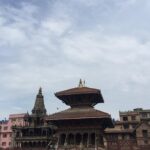
Day 5: Patan Durbar Square and Swayambhunath Heritage Day
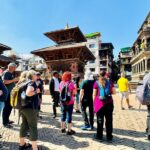
Day five is your main heritage push in Kathmandu. Breakfast first, then a guided day with a vehicle and your guide waiting outside the hotel.
This day includes:
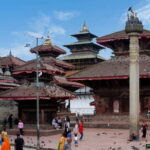
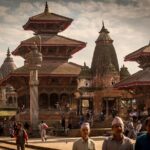
- Patan Durbar Square
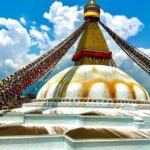
- Swayambhunath (the monkey temple area)
Both places reward a guided approach. Without someone who can point out what you’re looking at, it’s easy to miss the finer details—like why certain carvings matter, how temple layouts reflect beliefs, and which courtyards are where life happens around the monuments.
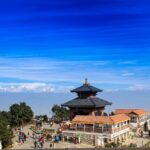
Patan tends to feel artistic and tactile—stonework close-up, textures you can almost touch with your eyes. Swayambhunath brings the drama: steep paths, viewpoints, and a constant sense of layered Kathmandu history.
Practical tip: wear shoes you can trust on uneven stone steps. This is not a day for flimsy soles.
The Cultural and Mountain-Region Extras You Should Confirm
This tour package is presented as more than just Kathmandu and Pokhara city days. The operator description also points to experiences that can include:
- a cultural program and outdoor campfire
- visiting people’s lives and participating in seasonal cultivation/harvesting
- opportunities to join local festivals and regional events
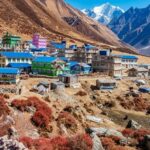
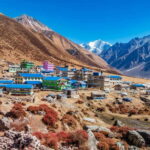
- mountain-region time in areas like Ghandruk and parts of the Annapurna region
- an Everest view flight from Ramechap to Lukla (mentioned as part of the package description)
Here’s the key: your provided day-by-day plan focuses on Kathmandu and Pokhara, so you should verify what portion of the mountain and cultural elements is actually scheduled on your exact departure dates. Ask for a written confirmation of which optional-feeling parts are included versus seasonal add-ons.
Why it’s worth checking: these extras are where Nepal stops being a postcard and becomes personal. A cultivation/harvesting session and a campfire cultural evening can be the most memorable hours of your entire trip—because you’re not just watching Nepal, you’re sharing a small slice of how people live.
Also, a note from what the company has delivered on past trips: some departures have included unique touches like festival-time Kathmandu (including Deepawali), plus nature-adventure moments in the wider region (safari time in Chitwan, rafting on the Seti River, and paragliding in Pokhara). Those may depend heavily on season and what’s available when you travel.
What’s Included (and What You’ll Want to Budget for)
You can plan your spending better if you know what’s covered.
Included:
- Private airport transfers (arrival and departure) by private vehicles for your group size
- Welcome and farewell dinners on arrival day
- 3 nights Kathmandu and 2 nights Pokhara on a twin-share basis, bed-and-breakfast
- KTM–PKR–KTM flights (domestic airfares and taxes noted as included, with possible change)
- Monumental area entrance fees as listed in the plan
- Professional local guides in Kathmandu and Pokhara
- Accompanying official escort throughout
- 2 mineral water per person each day while sightseeing
- Breakfasts (5)
Not included:
- Nepal entry visa fee
- International flights
- Alcoholic drinks (minimum age 18+)
- Personal expenses like cold drinks and laundry
Simple budgeting advice: plan on buying some snacks and drinks on the go, especially with early mornings. Also plan on a bit of extra cash for shopping or small offerings at temples, since those aren’t built into “entrance fee” style costs.
Hotels, Guides, and the Value of a Real Local Voice
This is a private tour, and the guide coverage is specifically listed for Kathmandu and Pokhara. That matters because heritage sites in Nepal are not just monuments; they’re active religious spaces. A good guide helps you understand what’s respectful to do, where photography rules may differ, and how to read what you see beyond the obvious.
The escort adds another layer of comfort. You’re not dealing with random handoffs between drivers and ticket counters. It’s one team managing the flow.
What I like about this setup: you can ask practical questions without needing to research everything. If you’re curious about festivals, temple customs, or what the season means for farming and daily life, a local guide is the difference between seeing a site and understanding it.
Timing, Weather, and How to Make the Best of Early Mornings
This experience requires good weather. That’s not just about comfort—it can affect flights and sunrise visibility. Nepal’s weather can change quickly, so it’s smart to keep your day flexible even when the schedule looks fixed.
For your side, do these simple things:
- Sleep early the night before Sarangkot sunrise
- Keep a light layer for mornings near viewpoints (it can feel colder before sunrise)
- Bring a small daypack for water and any quick essentials
- Wear shoes made for uneven steps
Also, be realistic about Nepal roads. One past comment about road conditions being not tourist friendly pops up in the tour’s feedback history. Even with private vehicles, you may still feel bumps. If you’re prone to motion sickness, it’s worth planning for that.
Who This Private Kathmandu–Pokhara Tour Suits Best
This is a strong fit if you want:
- a private experience with fewer logistics headaches
- guided heritage time in Kathmandu Valley areas like Patan, Bhaktapur, and Swayambhunath
- one standout view morning at Sarangkot
- included domestic flights so you’re not gambling on transport
It may be less ideal if:
- you dislike structured schedules and early alarms
- you want a long, active trek day every day (the plan you have here is mainly city/heritage with a big sunrise highlight)
- you’re expecting every “mountain region” element (Ghandruk/Annapurna/Everest view via Lukla) to be fixed regardless of season—those elements should be confirmed for your dates
Should You Book This 6-Day Private Tour?
If your goal is a smooth, guided introduction to Nepal with a smart mix of Kathmandu heritage and Pokhara views, I’d book it—with one condition: confirm which cultural and mountain-region elements are locked for your departure.
Here’s the quick decision guide:
- Book if you want private comfort, guides, and domestic flights handled
- Ask questions first if you specifically want the Everest view flight (Ramechap to Lukla) or Annapurna-area/Ghandruk experiences, since your day-by-day draft here centers on Kathmandu and Pokhara
- Bring an open mind for weather-driven changes, especially around sunrise and flying days
For many people, this becomes a “first Nepal” trip that makes the country feel real fast: temples with a story, viewpoints with scale, and a team that keeps the moving parts from stealing your energy.
FAQ
Where does the tour start?
The start point is Tribhuvan Airport, Kathmandu, Nepal.
Is this a private tour?
Yes. It’s listed as a private tour/activity, meaning only your group participates.
Are airport transfers included?
Yes. The package includes airport arrival and departure transfers by private vehicles, based on group size.
What flights are included?
Domestic flights KTM–PKR–KTM are included, and the tour also describes an Everest view flight route from Ramechap to Lukla as part of the package.
Are hotel nights included, and what kind?
Yes. You get 3 nights in Kathmandu and 2 nights in Pokhara on a twin-sharing basis with a bed-and-breakfast plan.
What sightseeing costs are covered?
Entrance fees for monumental areas listed in the itinerary are included.
What meals are included?
The package includes breakfast (5) and dinner, including a welcome and farewell dinner on arrival day.
What do I need to pay for myself?
International flights and the Nepal entry visa fee are not included. Personal expenses (like cold drinks and laundry) and alcoholic drinks are also not included.